

Be the first to join. Keep the badge forever.
The first members of this community earn permanent Founding Member status. It shows on your profile and your dog's profile for as long as you're here.
- ✓Founding Member badge on your profile
- ✓Your dog featured first
- ✓First Dog of the Month nomination
- ✓Always free
⭐ Founding Member spots open
First to join gets the badge
🐕 Be the first dog registered
Add your Lab to the community
📷 Add the first photo
Start the photo wall
8
Discussions
0 members
8 discussions
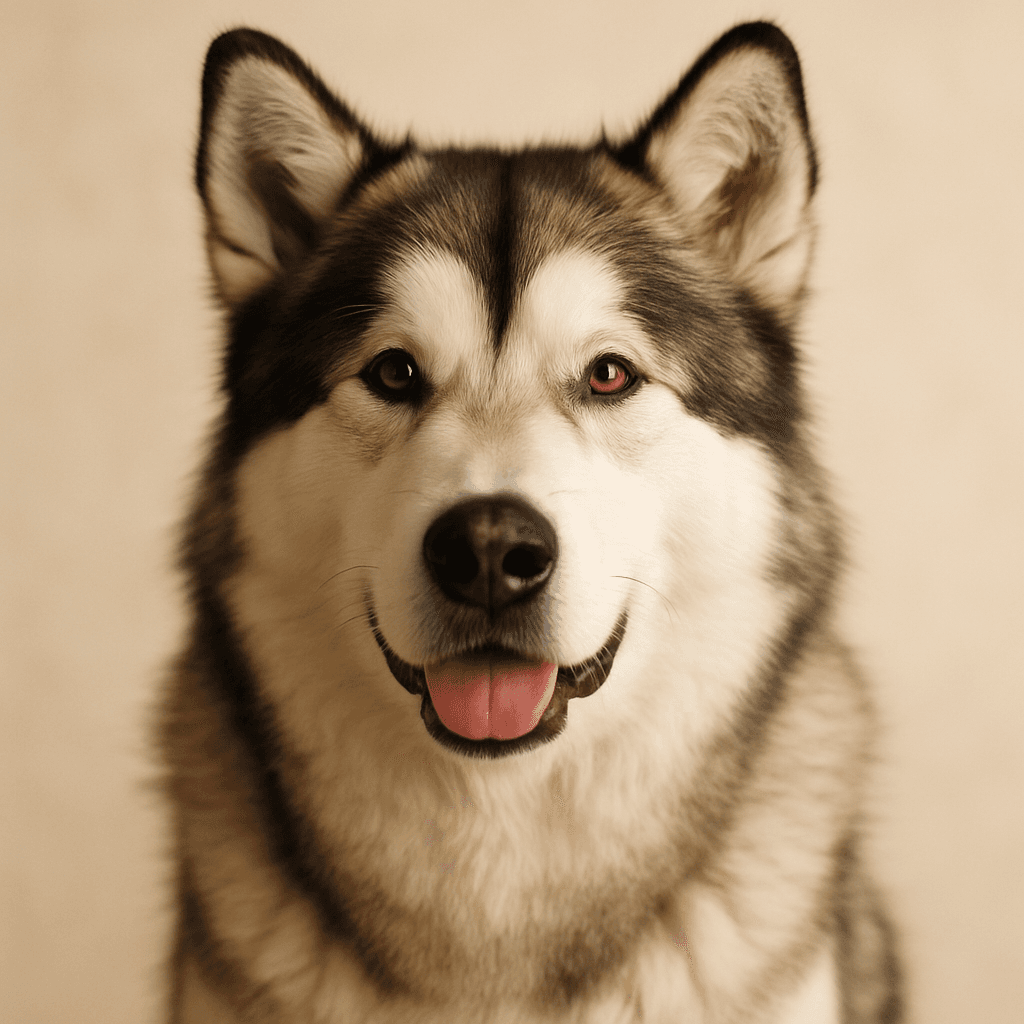
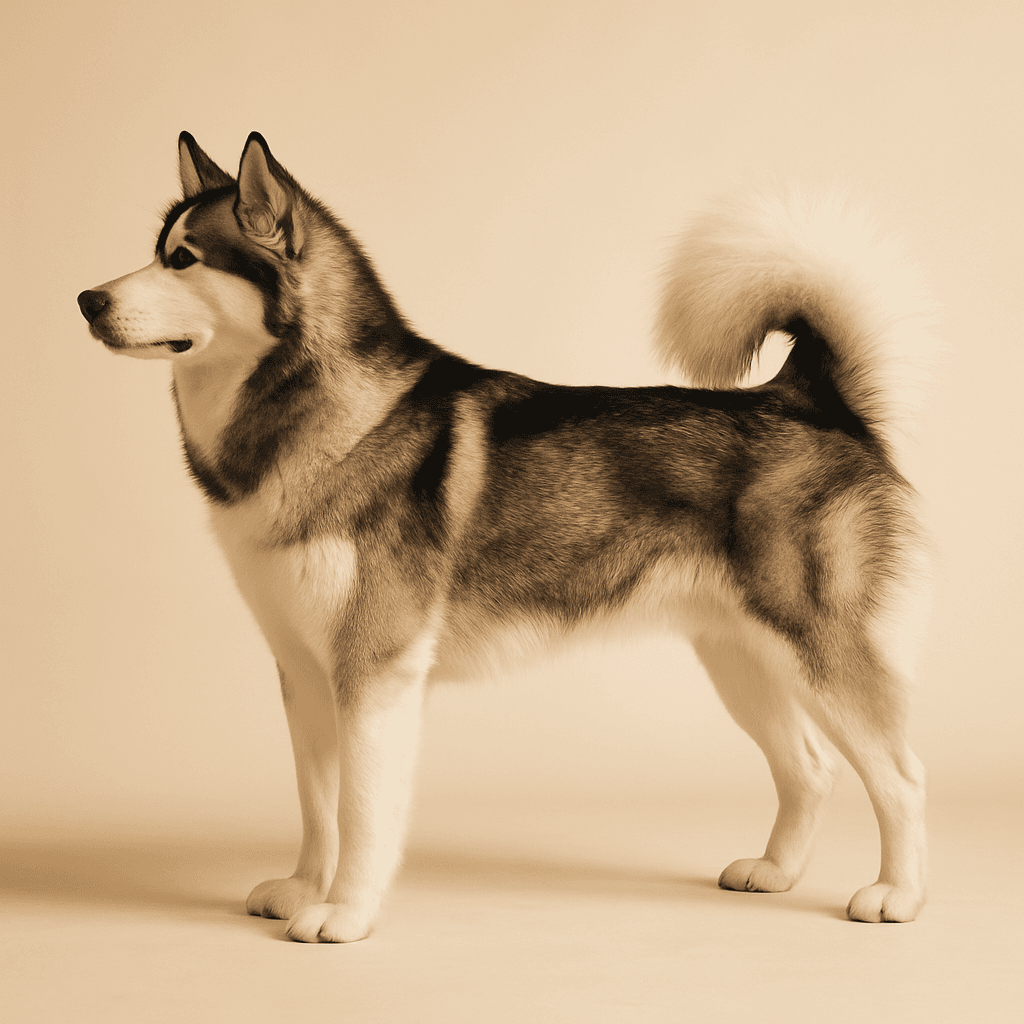
About the Alaskan Malamute
The Alaskan Malamute is one of the oldest Arctic sled dog breeds in the world, developed by the Mahlemut Inuit people of Alaska for hauling heavy loads across long distances in extreme conditions. Registered by the Kennel Club in the Working Group, it is a powerful, densely coated, deeply determined dog that looks spectacular and demands an ownership approach to match. It is not a dog for the unprepared. The gap between expectation and reality is wider for the Alaskan Malamute than for almost any other popular breed. The combination of wolf-like appearance, thick coat and apparent friendliness attracts owners who have not fully researched what they are acquiring. The Malamute is frequently surrendered to rescue for this reason. Owners who understand and genuinely prepare for the breed's needs find it extraordinary. Those who do not are overwhelmed. The exercise requirement is the first reality check. A healthy adult Malamute needs a minimum of 2 hours of vigorous exercise every day, in all weathers, including the coldest and wettest days of the British winter. That is when the Malamute is most comfortable. Conversely, hot summer days require careful management: a dog built for Arctic conditions can overheat rapidly, and exercise must be restricted to cool early mornings and evenings in warm weather. Off-lead exercise in unsecured areas is not possible for most Malamutes. Their prey drive and roaming instinct combine with a size and speed that makes recall functionally impossible once they have decided to go somewhere. Secure fencing is not a preference but a requirement - and that fencing must be sufficient to contain a large, powerful dog that can scale, push through or dig under inadequate barriers. The coat produces dramatic twice-yearly shedding, known as coat blow, during which the Malamute drops its entire undercoat. Daily brushing is required during these periods. Hair accumulation in the home is substantial and owners should be entirely comfortable with this before acquiring the breed. Training is possible and important but must be approached with realistic expectations. Malamutes learn quickly but are not biddable in the way herding or retriever breeds are. They were bred for autonomous decision-making in difficult terrain, and that independence is present in the modern domestic dog. Consistency, positive reinforcement and early socialisation are essential tools. Health considerations include hip dysplasia, hereditary polyneuropathy, day blindness and hypothyroidism. Responsible breeders DNA test for hereditary polyneuropathy and have breeding stock hip-scored. Insurance of £50 to £100 per month reflects a meaningful health risk profile. Purchase prices from KC-registered breeders range from £800 to £1,500. Lifespan is 10 to 14 years. For owners who are genuinely active, have secure outdoor space, have experience with strong-willed breeds and are prepared for daily high-effort exercise in all conditions, the Alaskan Malamute is a breed of real character and warmth. The commitment is not modest. The reward, for the right owner, is significant.
Quick facts
Meet Our Alaskan Malamutes
Register your dog on My Dog and it will appear here automatically.
Alaskan Malamute Photos
No photos yet. Be the first to share yours.
Add a photoActivity Feed
How much exercise does your Alaskan Malamute really need each day?
Two hours minimum, split across sessions, and in all honesty more is better. The breed was built for all-day endurance work in Arctic conditions and they feel the lack of it. The management reality that took me longest to fully accept: reliable off-lead recall in open unsecured areas is not achievable for most Malamutes. The prey drive and roaming instinct are too strong. I have one securely fenced area I trust and a long line for everything else. Canicross changed my life with mine: it channels the pulling instinct perfectly and meets the physical need far more efficiently than walking. Heat is a serious concern in summer. They're Arctic dogs and struggle in warm weather, so exercise shifts to early morning and late evening from May onwards. Howling tends to increase when they're under-exercised, which is its own form of feedback.
30 June 2026
Any health issues to watch for with Alaskan Malamutes?
Hip dysplasia is the primary inherited concern and KC/BVA Hip Scores on both parents are the baseline expectation from a responsible breeder. Hereditary Polyneuropathy is a neurological condition affecting some Malamute lines causing progressive weakness; DNA testing identifies carriers and affected dogs, so ask breeders directly for test results. Hereditary day blindness (PRCD) occurs in the breed and is also DNA testable. Hypothyroidism is common: weight gain, coat changes and lethargy are the signs to watch for and it's manageable with daily medication. Chondrodysplasia occurs in some lines and is another DNA-testable condition. As a large deep-chested breed, GDV is a risk: feed twice a day, avoid vigorous exercise around mealtimes and know what bloat looks like because it's a genuine emergency. Monthly insurance typically runs £50 to £100.
30 June 2026
What's the one thing you wish you'd known before getting an Alaskan Malamute?
That the working independence is not something training resolves, it's something you learn to manage around. Malamutes were bred to make autonomous decisions in difficult conditions when no human direction was available. That characteristic doesn't vanish in a domestic setting. My Malamute learned commands quickly. She applies them when she agrees they're relevant. What actually works is building the right environment and routines rather than expecting compliance: secure fencing you can genuinely trust, a physical outlet that matches the breed's need (canicross for us), and consistent rules from the first day. The vocalisation level also surprised me. Malamutes talk, howl and commentate in a way that delights some people and disturbs neighbours. Know your tolerance and your neighbours' tolerance before you commit.
30 June 2026
What do you feed your Alaskan Malamute, and why?
Two meals a day on a quality large-breed complete food, with careful management around exercise timing. The deep chest and GDV risk are real, so I never exercise vigorously within an hour either side of feeding and I use a slow-feeding bowl. Monthly food cost is around £70 to £90. The weight watch matters enormously with a breed predisposed to hip dysplasia: excess weight accelerates joint deterioration significantly. Malamutes should look lean and muscular, not broad. They can mask weight gain under that thick double coat, so I'm hands-on regularly to check condition, not just eyeballing from a distance. A fit Malamute can live 10 to 14 years, so dietary habits over time genuinely compound in either direction.
30 June 2026
Alaskan Malamute of the Month
🏆 September 2026 -- Be the first nominee
Could be your dog.
The first dog registered in this community earns the first Dog of the Month nomination automatically.
Register your dogUpcoming Alaskan Malamute Meetups
No meetups planned yet. Be the first to organise one.
Sign in to organise a meetupCommunity Members
Be the first to join and become the Alaskan Malamute Founding Member.
Join Club