Crossbreed dogs UK: the complete guide
Crossbreeds are now the most commonly owned type of dog in the UK. Around 24% of all dogs living under veterinary care are crossbreeds, according to Royal Veterinary College VetCompass data, and among puppies the Cockapoo alone accounts for 6.2% of all dogs under one year old. If you are researching a Cockapoo, a Labradoodle, a Cavapoo, or any other poodle cross or hybrid, this is where to start.
Source: Royal Veterinary College VetCompass Programme. Data from 2,237,105 dogs under first-opinion veterinary care.
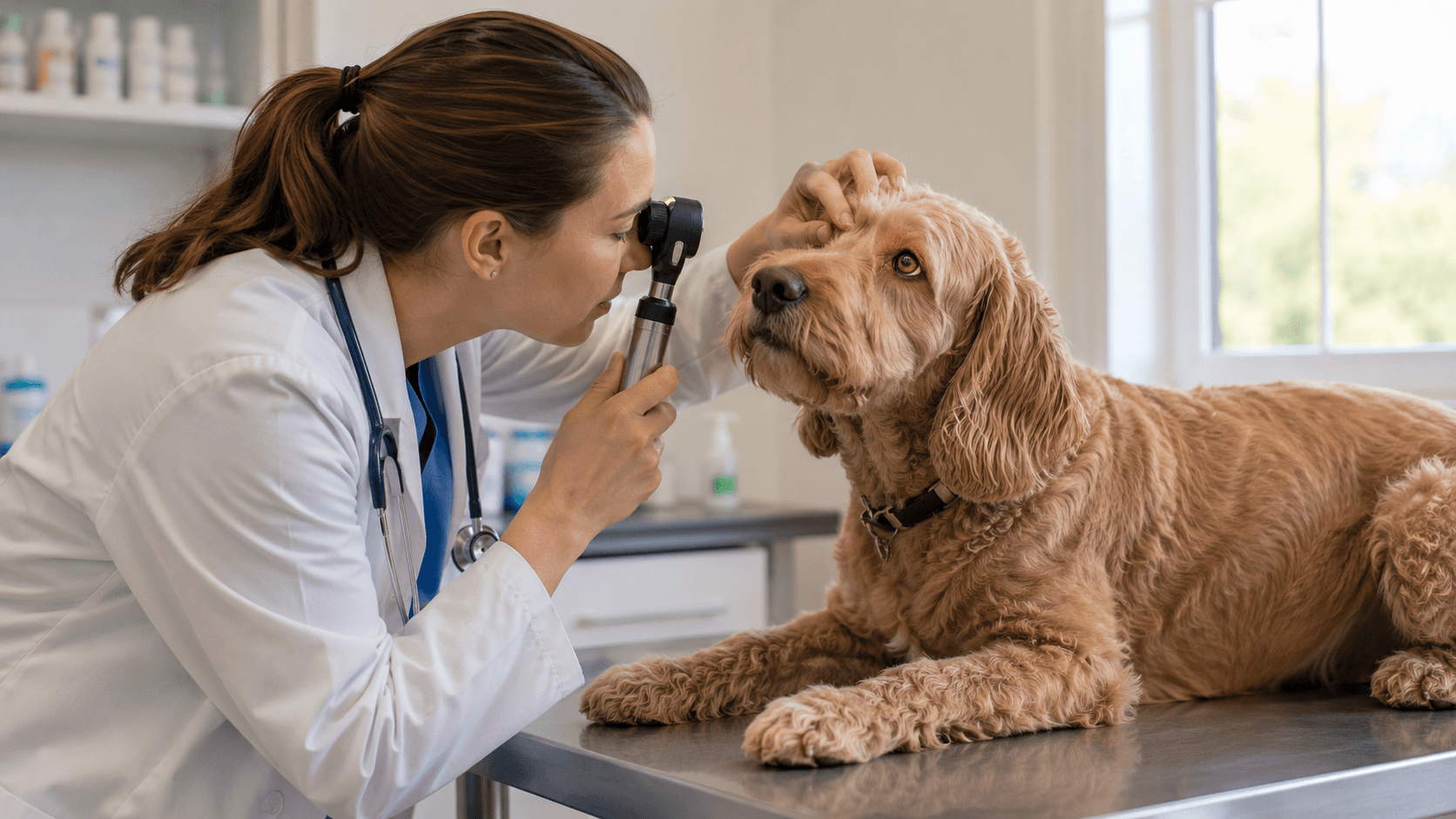
Crossbreed health testing: what to ask before you buy
Both parents need health tests, not just one. The tests required depend on the cross. This guide covers what to ask and what paperwork to expect.
Read the full guide →What is a crossbreed dog?
A crossbreed is a dog with parents from two different recognised breeds. The term ‘designer crossbreed’ is used for intentional pairings, usually between two specific purebreds, where the goal is to combine desirable traits from both parents.
This is distinct from a mongrel or ‘mixed breed’, which typically has unknown or multiple breed ancestry.
The most popular crossbreeds in the UK are poodle crosses, often called doodles. Poodles are used because they carry a low-shedding gene, which breeders aim to pass on to the offspring.
Why are crossbreeds so popular in the UK?
Three reasons drive most of the demand.
Coat type
Buyers who want a lower-shedding dog, or who have mild dog allergies in the household, often look to poodle crosses.
The honest caveat:
Size options
Most popular crossbreeds come in a range of sizes depending on which variety of poodle is used. A Cockapoo with a toy poodle parent weighs around 4 to 6 kg. A Goldendoodle with a standard poodle parent can weigh over 30 kg.
Temperament
The parent breeds of most popular doodles have been bred as companion and working dogs for generations. Cocker Spaniels, Cavalier King Charles Spaniels, Labradors, and Golden Retrievers are people-oriented and trainable. The crossbreeds tend to inherit these traits.
Are crossbreeds healthier than purebreds?
This is the question most buyers ask, and the honest answer is: not automatically.
The idea that crossbreeds are inherently healthier comes from hybrid vigour, sometimes called heterosis. When two unrelated gene pools are combined, recessive inherited conditions are less likely to show up in the offspring because the puppy is less likely to inherit two copies of the same faulty gene.
This effect is strongest in first-generation (F1) crosses and weakens in later generations as the gene pool narrows again.
A 2024 study published in PLOS ONE found no statistically significant difference in health outcomes between designer crossbreeds and purebred counterparts in 86.6% of the conditions examined. Crossbreeds are not a shortcut to a healthier dog.
What matters more than generation or cross type is whether the individual parents have been health tested. A Cockapoo bred from two health-screened parents is significantly less likely to develop progressive retinal atrophy or hip dysplasia than one bred from untested stock, regardless of whether it is F1 or F2.
What are the most popular crossbreeds in the UK?
The crossbreeds below are the most widely owned and searched for in the UK. Each has its own full guide.
Poodle crosses

Cockapoo
The most popular crossbreed in the UK by puppy acquisition, at 6.2% of all dogs under one year. Sociable, affectionate, and usually good with children and other dogs.
View breed guide →
Labradoodle
One of the first intentional doodle crosses, originally developed in Australia as an attempt to produce a low-shedding guide dog. Available in three size variations in the UK.
View breed guide →
Cavapoo
A small, gentle dog well suited to flats and households with young children. Buyers should ask breeders about cardiac health testing.
View breed guide →
Goldendoodle
A larger doodle, typically good-natured and highly trainable. Available in miniature, medium, and standard sizes.
View breed guide →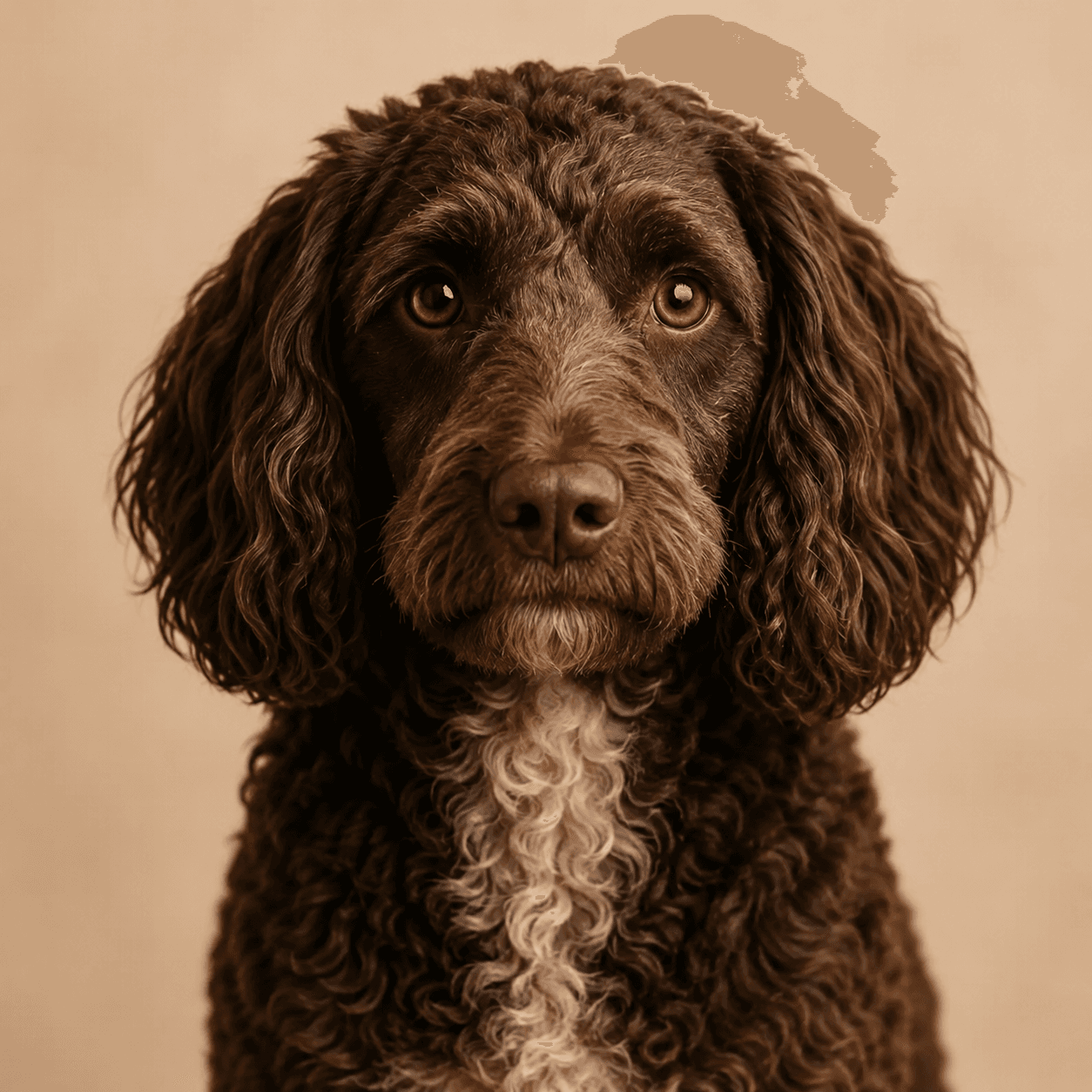
Sproodle
An energetic working-type cross that suits active households. High exercise needs.
View breed guide →
Schnoodle
A compact, low-shedding dog that adapts well to flat living. Alert and can be vocal.
View breed guide →
Maltipoo
A very small, affectionate dog suited to quieter households. Popular in cities.
View breed guide →
Bordoodle
Highly intelligent and needs significant mental stimulation as well as physical exercise. Not suited to owners who are out most of the day.
View breed guide →Other popular crossbreeds

Puggle
A small, sociable dog. Pugs are a brachycephalic breed with known breathing difficulties, and this can be passed to Puggle offspring.
View breed guide →
Jackapoo (Jackadoodle)
Small, spirited, and stubborn. Better suited to experienced owners.
View breed guide →
Springador
A large, active dog with a working background. Needs consistent training and plenty of exercise.
View breed guide →
Yorkipoo
A small, lively city dog. Can inherit the Yorkshire Terrier's tendency to bark.
View breed guide →Guides & resources
 GUIDE
GUIDEWhat do F1, F2, F1b and F2b mean in dogs?
The generation code on a crossbreed puppy affects coat type, shedding and how predictable the dog will be — here is what each code actually means.
Read guide → GUIDE
GUIDEAre doodles and crossbreeds really hypoallergenic?
No dog is truly hypoallergenic. Here is what the science says about doodles, allergens, and what low-shedding actually means for allergy sufferers.
Read guide → GUIDE
GUIDEHow to find a responsible crossbreed breeder in the UK
A responsible breeder health tests both parents, lets you see the mother, and will take the dog back if your circumstances change. Here is the full checklist.
Read guide →HEALTHCrossbreed health testing: what to ask before you buy
Both parents need health tests — not just one. The tests required depend on the cross. This guide covers what to ask and what paperwork to expect.
Read guide → COMPARISON
Cockapoo vs Cavapoo: which is right for you?
Both are small, low-shedding and good with children — but they suit different households. Here is an honest side-by-side.
Read guide → COMPARISON
Labradoodle vs Goldendoodle: which should you choose?
Size, coat, temperament and cost compared. The differences are more significant than most buyers expect.
Read guide →What do F1, F2, and F1b mean?
These codes describe the breeding generation of a crossbreed puppy and affect how predictable the coat, size, and temperament are likely to be.
An F1 puppy has one purebred parent of each breed. An F1b puppy has been backcrossed, usually by breeding an F1 dog back to a poodle, which pushes the coat more towards the poodle end of the spectrum. An F2 puppy has two F1 parents, which produces the most genetic variation and is the hardest to predict.
What do F1, F2, F1b and F2b mean in dogs? The generation codes explained →How to find a responsible crossbreed breeder in the UK
Crossbreeds are not registered with the Kennel Club in the same way as purebreds, which means there is no breed register and no mandatory health testing framework. This has made crossbreed breeding an attractive market for puppy farmers.
Signs of a responsible crossbreed breeder:
- Both parents have been health tested for conditions relevant to their breeds
- You can meet the mother in the environment where the puppies were raised
- The breeder asks you questions about your lifestyle and home before agreeing to sell
- Puppies are not available to take home before eight weeks of age
- The breeder is transparent about the generation (F1, F1b, F2 etc.) and what this means for coat and temperament
Red flags: breeders who will not let you see the mother, breeders with multiple litters always available, puppies offered for collection in a car park or neutral location, and breeders who cannot explain what health testing was done. The Kennel Club’s Find a Puppy service lists some crossbreed breeders who have signed up to their assured breeder scheme. It is worth checking, though the list is not exhaustive for crossbreeds.
How to find a responsible crossbreed breeder in the UK →How much does a crossbreed puppy cost in the UK?
Prices vary by breed, generation, size, and coat colour. As a rough guide:
| Breed | Typical UK price range |
|---|---|
| Cockapoos | £800 to £1,200 |
| Labradoodles | £900 to £1,500 |
| Cavapoos | £1,000 to £1,800 |
| Goldendoodles | £1,200 to £2,000 |
The honest caveat:
Monthly running costs for a medium-sized crossbreed, including food, insurance, grooming, and routine vet care, typically range from £150 to £300 per month depending on the dog and your location.
Crossbreed guides on Woof and Woofer
Individual breed guides
Free newsletter
Monthly dog guides for UK owners
Breed spotlights, training tips and health advice. Monthly.
Frequently asked questions about crossbreed dogs
What is the most popular crossbreed dog in the UK?
The Cockapoo is the most widely acquired crossbreed among UK puppies. Royal Veterinary College VetCompass data shows Cockapoos account for 6.2% of all dogs under one year of age in the UK, placing them second only to the French Bulldog.
Are crossbreed dogs healthier than purebreds?
Not automatically. The concept of hybrid vigour means crossbreeds are less likely to inherit recessive genetic conditions from both parents, but this effect depends on the genetic diversity of the parents and weakens in later generations. A 2024 PLOS ONE study found no significant health difference in 86.6% of conditions between designer crossbreeds and purebred counterparts. Health testing of parent dogs matters more than breed type.
What does F1 mean in dogs?
F1 means first filial generation: the puppy has one purebred parent of each type. An F1 Cockapoo has one purebred Cocker Spaniel parent and one purebred Poodle parent. This produces the strongest hybrid vigour but also the most variation in coat, size, and shedding.
Are doodles hypoallergenic?
No dog is truly hypoallergenic. Poodle crosses produce less dander than many other breeds, but people who are allergic to dogs react to a protein called Can f 1 found in saliva, urine, and skin cells, not just fur. Whether a poodle cross reduces your reaction depends on the individual dog and the individual person. Spending time with the specific puppy before committing is the most reliable test.
Can I register a crossbreed with the Kennel Club?
No. The Kennel Club only registers dogs from breeds it recognises, and crossbreeds are not eligible for the breed register. Some crossbreed breeders register with the Kennel Club's Assured Breeder Scheme, which requires minimum health testing and welfare standards, but this is voluntary and not universal.
How do I find a responsible crossbreed breeder in the UK?
Start with the Kennel Club's Find a Puppy service, which lists some assured breeders for popular crossbreeds. Beyond that, look for breeders who health-test both parents, allow you to meet the mother, are transparent about the generation of the puppy, and ask you as many questions as you ask them.
What is the cheapest crossbreed dog to buy in the UK?
Smaller, less fashionable crosses tend to cost less than the popular doodle breeds. That said, the purchase price is rarely where the real cost lies. A puppy from untested parents may cost £600 upfront and thousands in vet bills later. Budget for ongoing costs, not just the initial price.
Not sure which breed is right for you?
Try the Breed Selector Quiz