Nutrition
Dog Food UK: The Complete Feeding Guide
The complete UK dog food guide: food types compared, how to read a label, feeding by life stage, raw feeding risks and which supplements actually work.
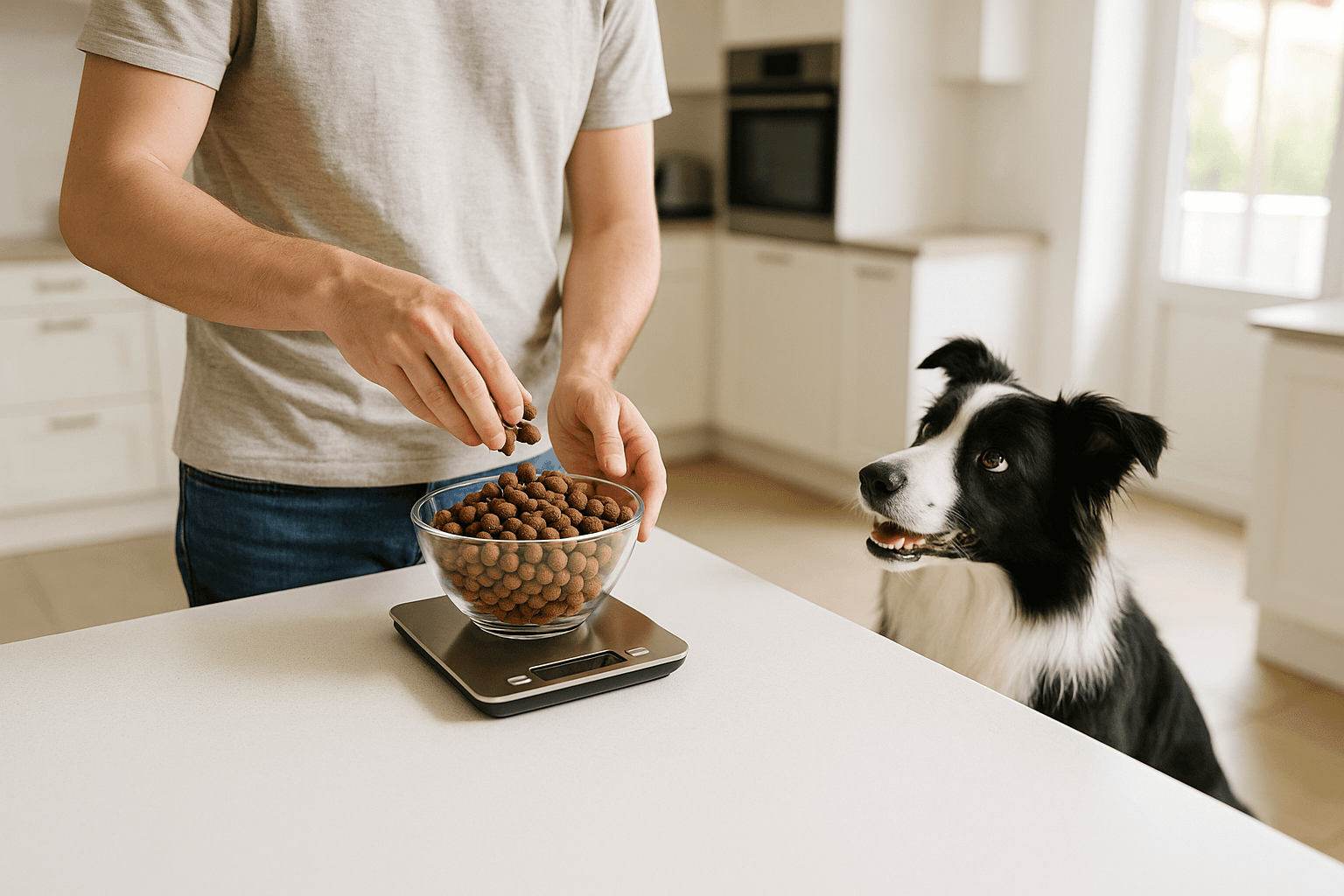
How Much Should I Feed My Dog?
How much to feed your dog depends on their weight, age, activity level, and the type of food you are using. Most adult dogs need two meals per day. Always start with the manufacturer's feeding guide on the packaging, then adjust based on your dog's body condition score -- not by whether they seem hungry.
Read the full guide →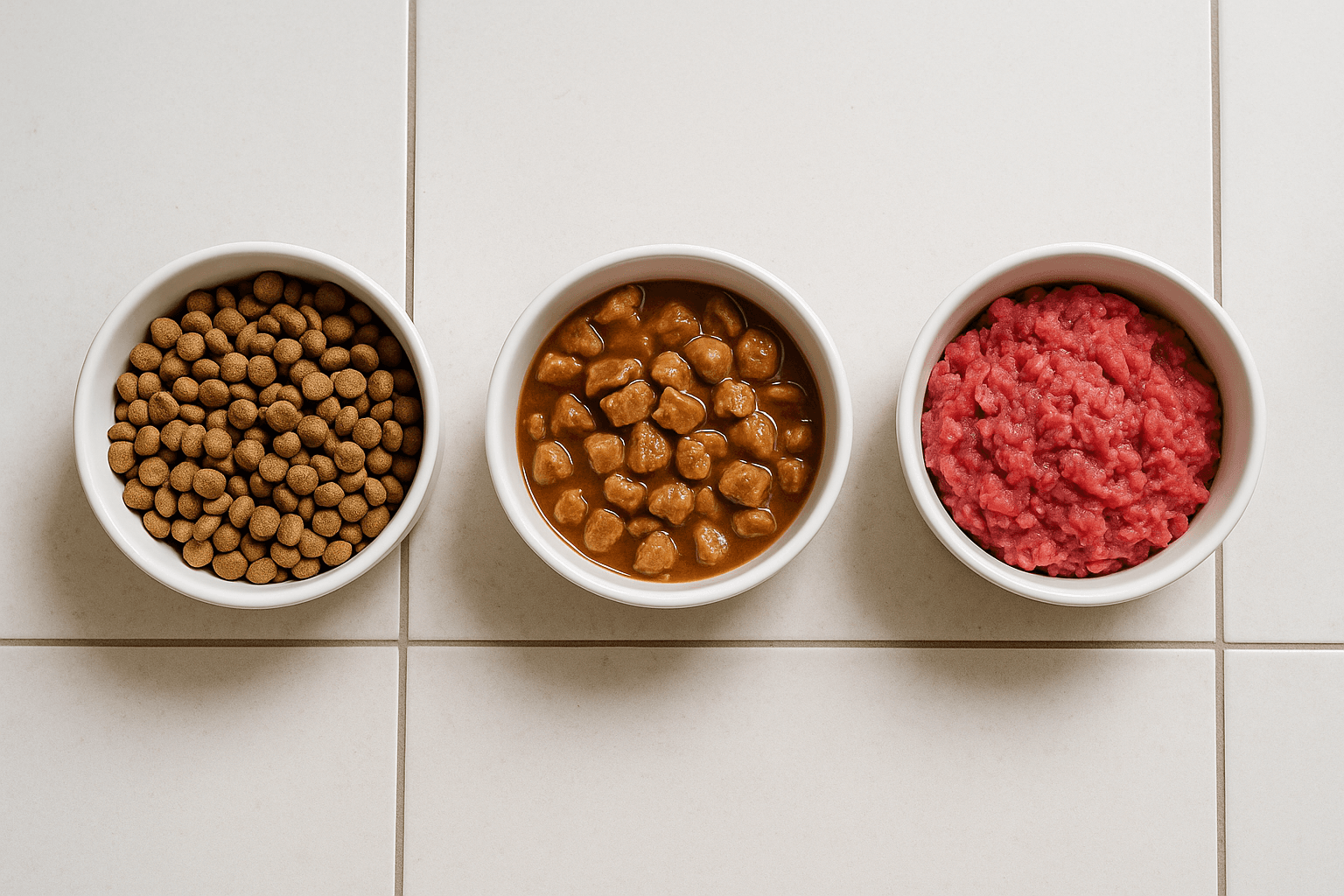 Choosing Food
How to Choose Dog Food UK: Ingredients, Labels and Life Stages Explained
The best dog food for your dog depends on their age, breed, health, and your budget.
Read guide →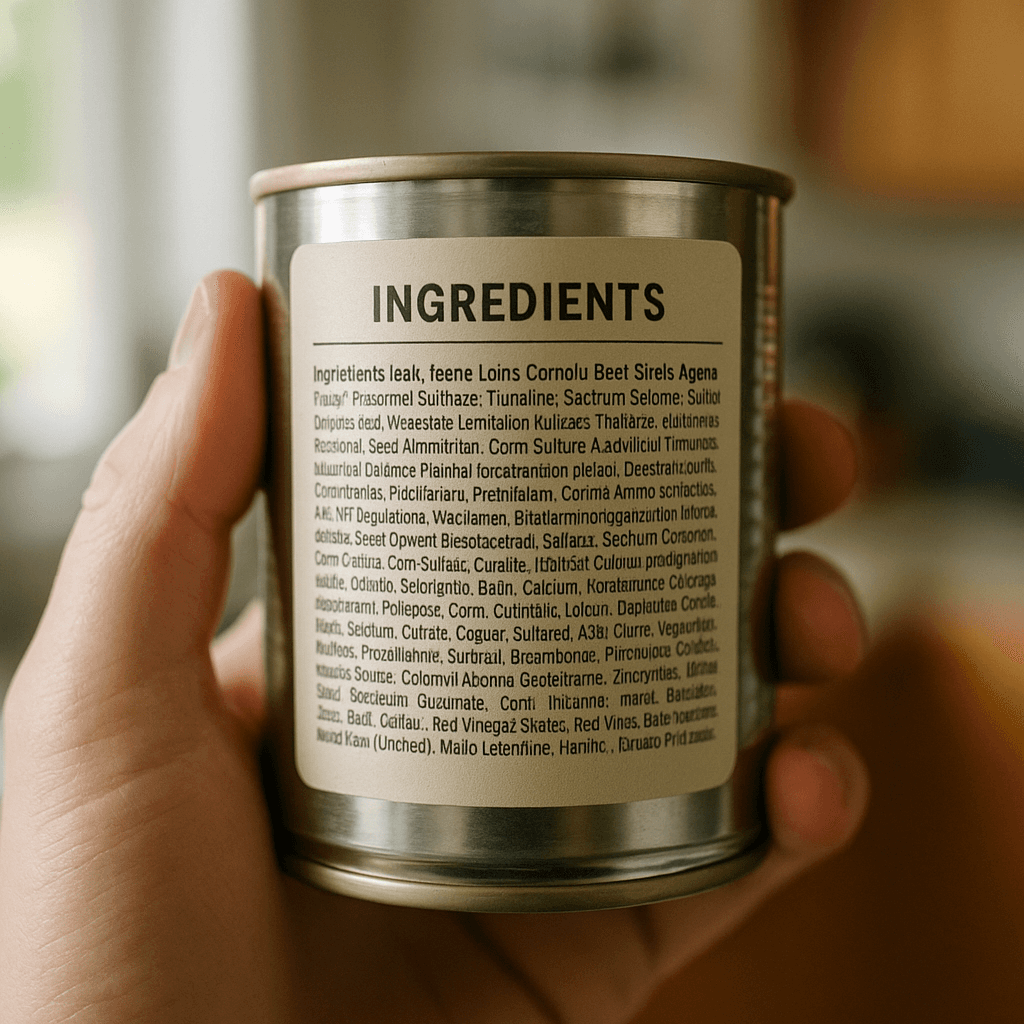 Choosing Food
How to Read a Dog Food Label UK: A Complete Guide
UK dog food labels must show whether the food is 'complete' (sole diet) or 'complementary' (requires mixing), plus an ingredients list in descending weight order, guaranteed analysis (protein, fat, fibre, moisture) and any additives.
Read guide →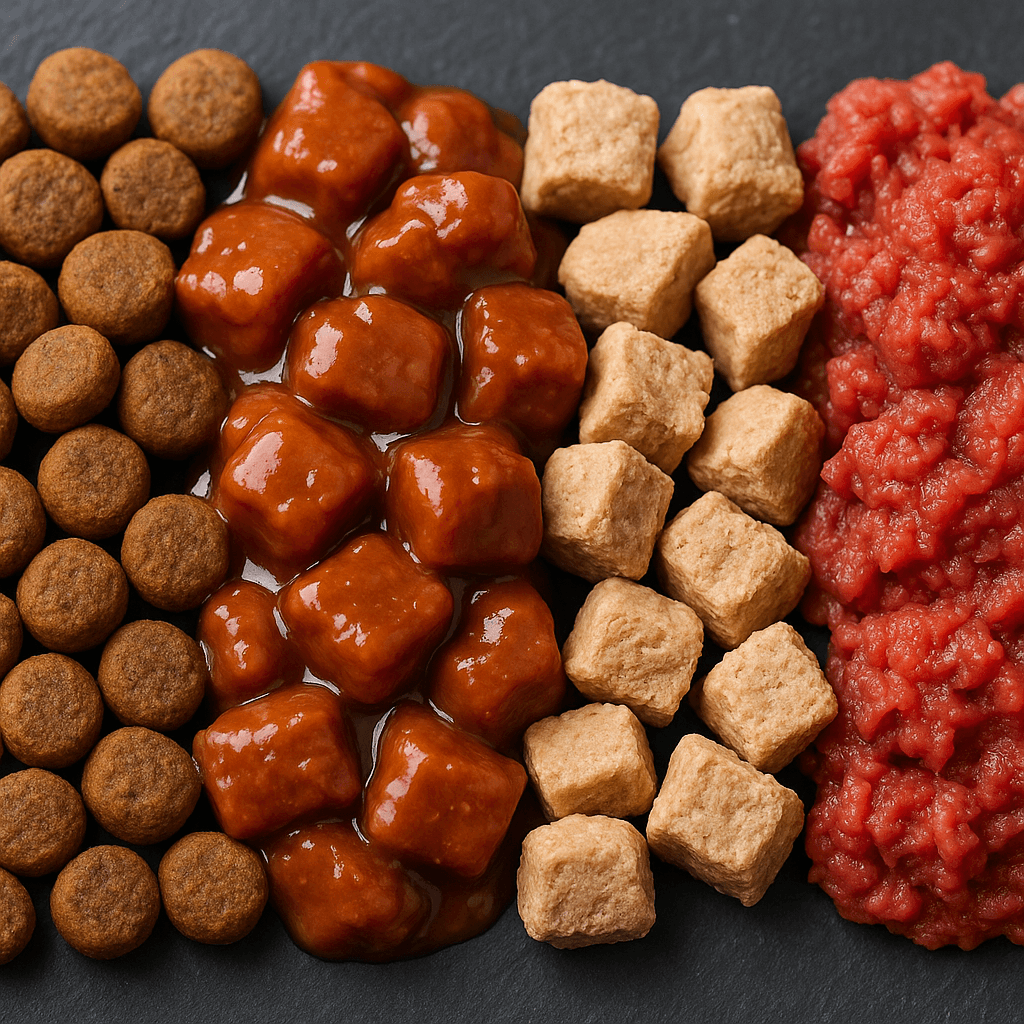 Choosing Food
Dog Food Ingredients Explained: How to Read a Label
Dog food ingredients are listed in descending order by weight before processing.
Read guide →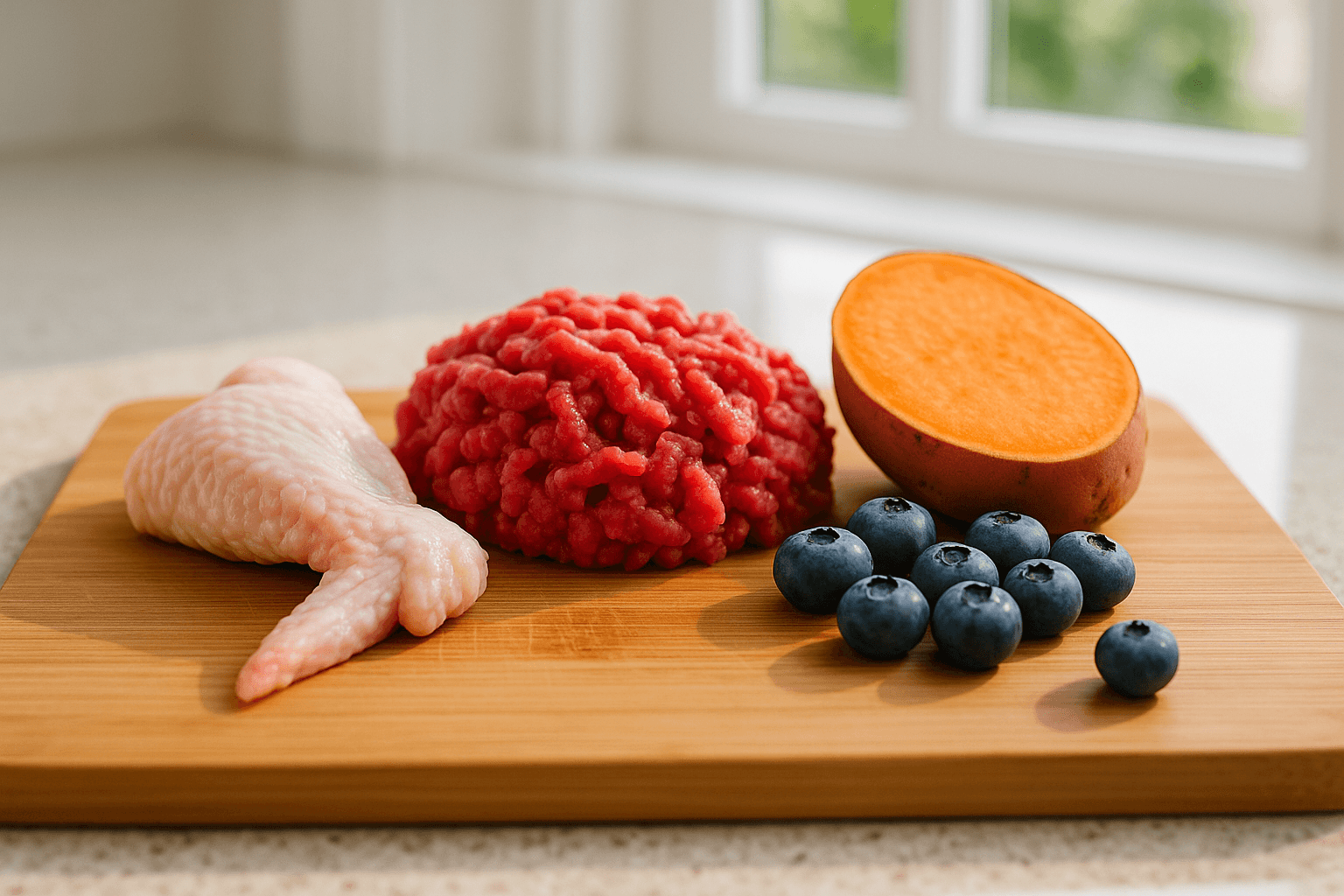 Food Types
Raw Dog Food UK: A Complete Owner's Guide
Raw dog food in the UK typically follows either the BARF (Biologically Appropriate Raw Food) or prey model approach.
Read guide →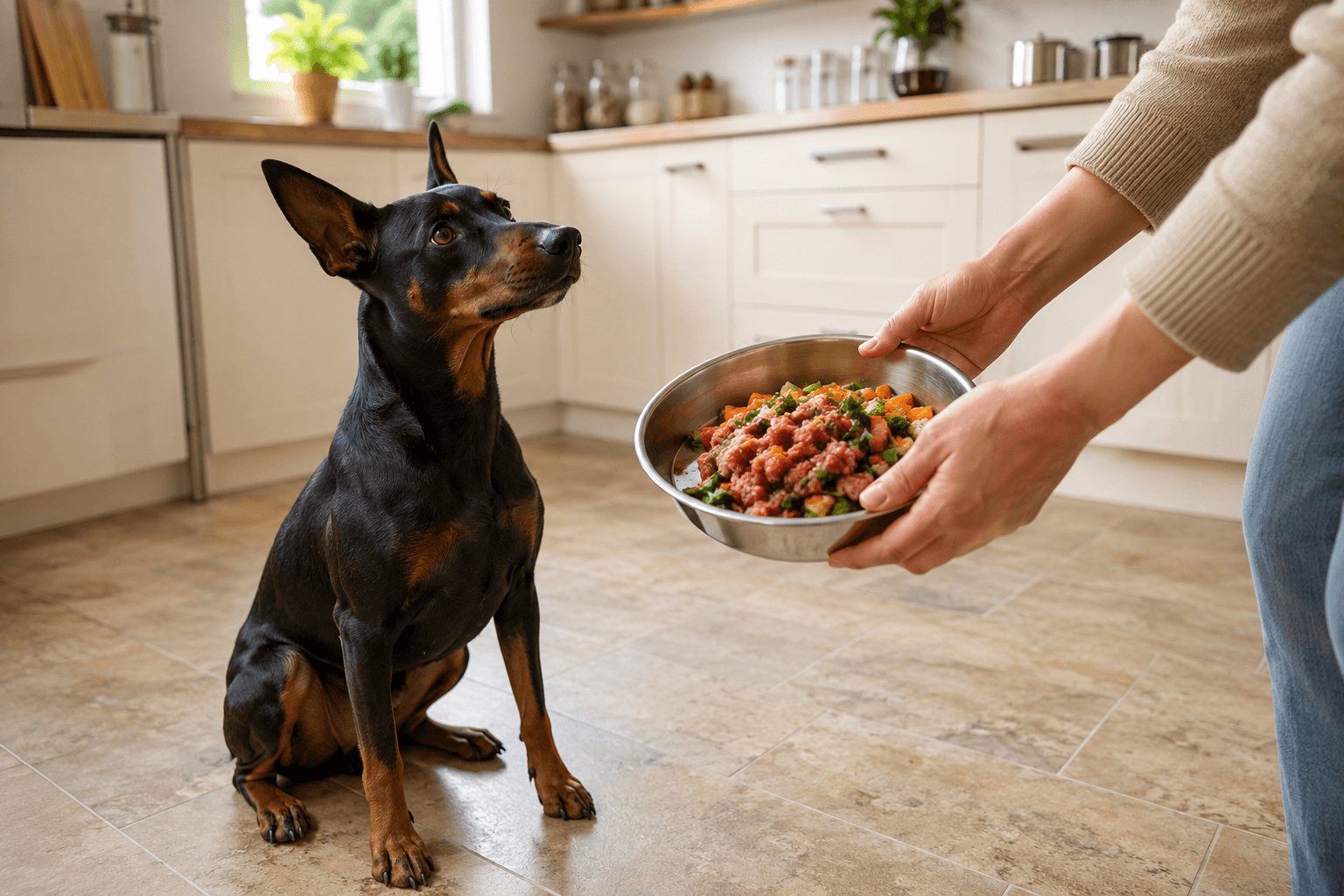 Food Types
Raw Feeding Dogs in the UK: A Beginner's Guide to BARF
Raw feeding (BARF) in the UK typically follows the PMR ratio: 80% muscle meat, 10% raw meaty bone and 10% organ (at least half of which should be liver).
Read guide →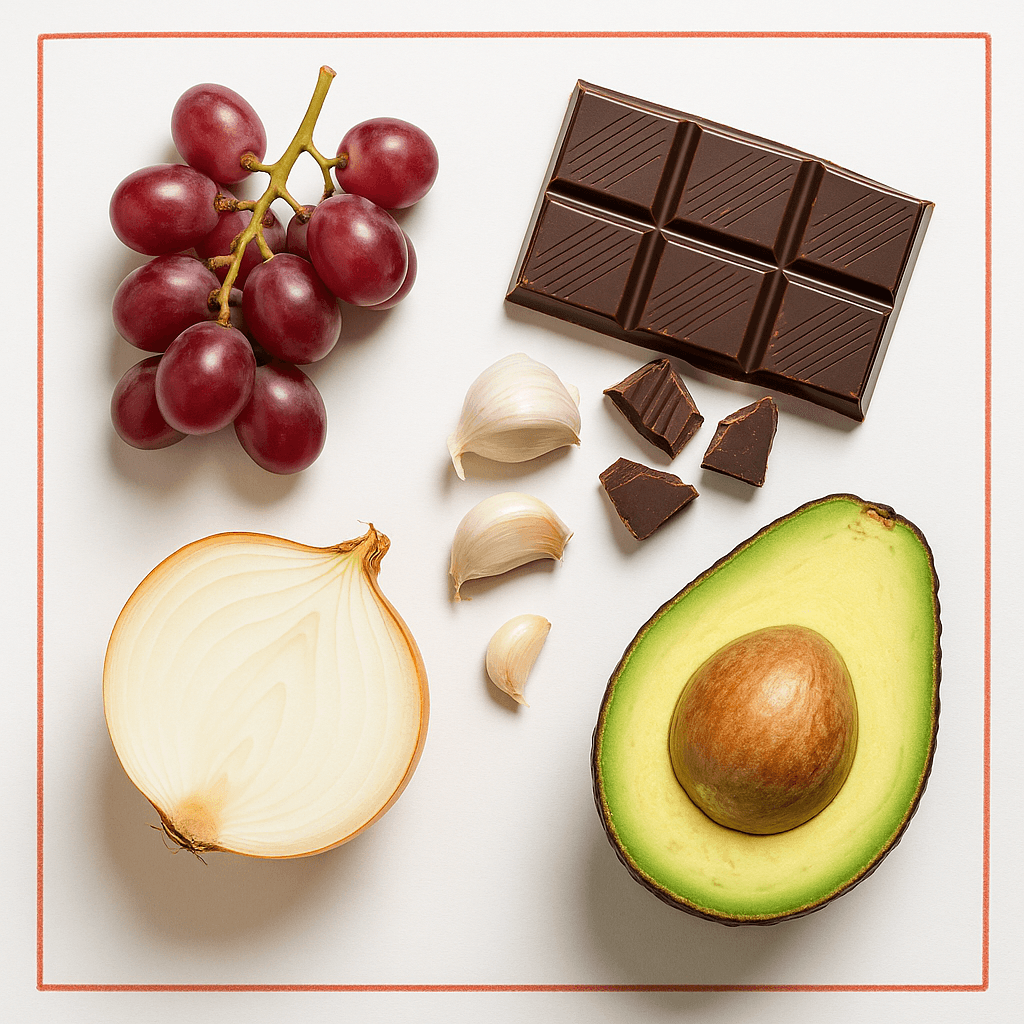 Food Types
Foods Dogs Cannot Eat: The UK Owner's Safety Guide
The most dangerous foods for dogs in the UK are grapes and raisins (can cause fatal kidney failure), xylitol (in some peanut butters and sugar-free products, causes blood sugar crash and liver failure), chocolate (theobromine toxicity), and alliums including onions and garlic.
Read guide →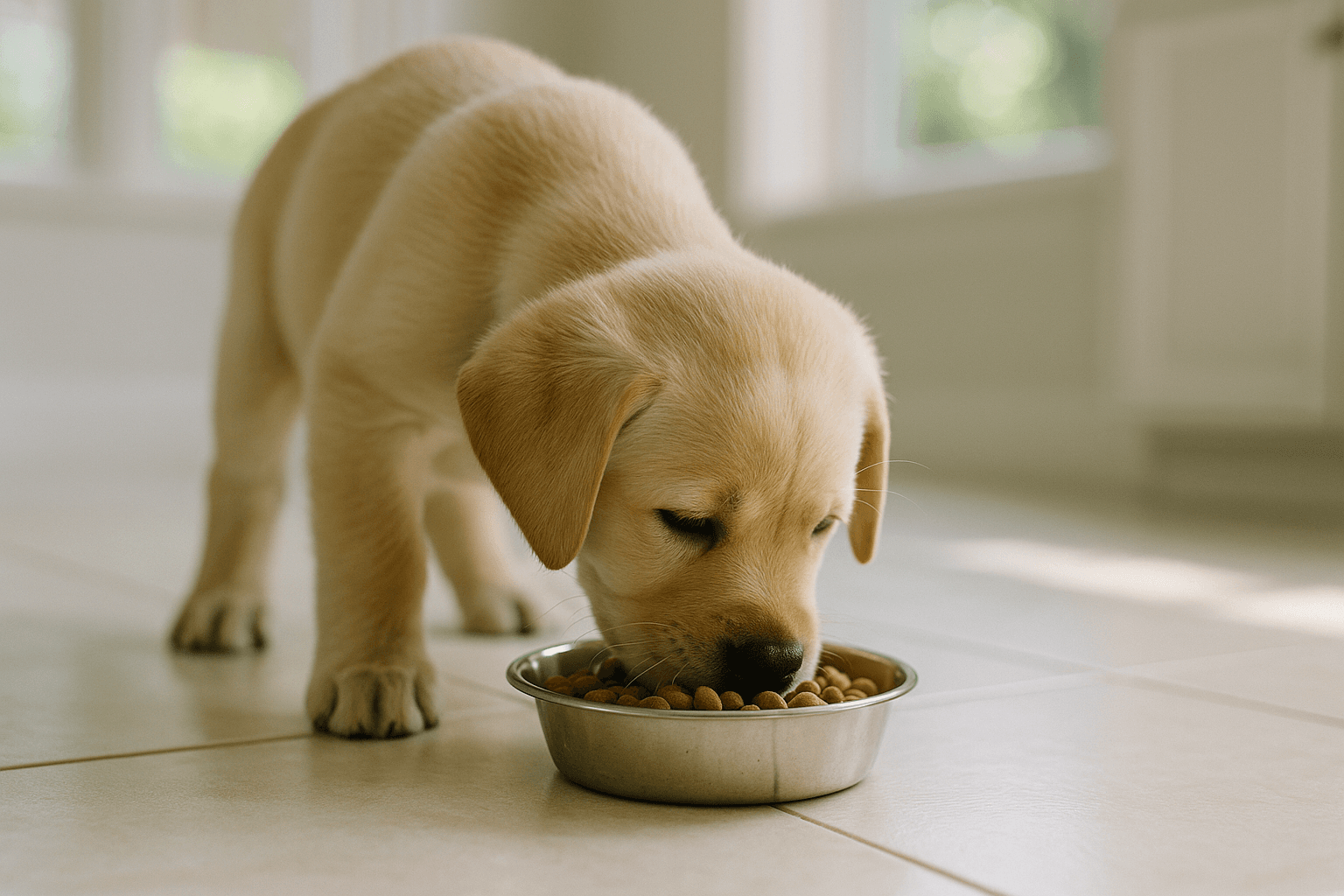 Life Stages
Puppy Feeding Guide UK: What to Feed and When
Puppies need puppy-specific food until they reach adulthood -- 12 months for small breeds, up to 24 months for large and giant breeds.
Read guide →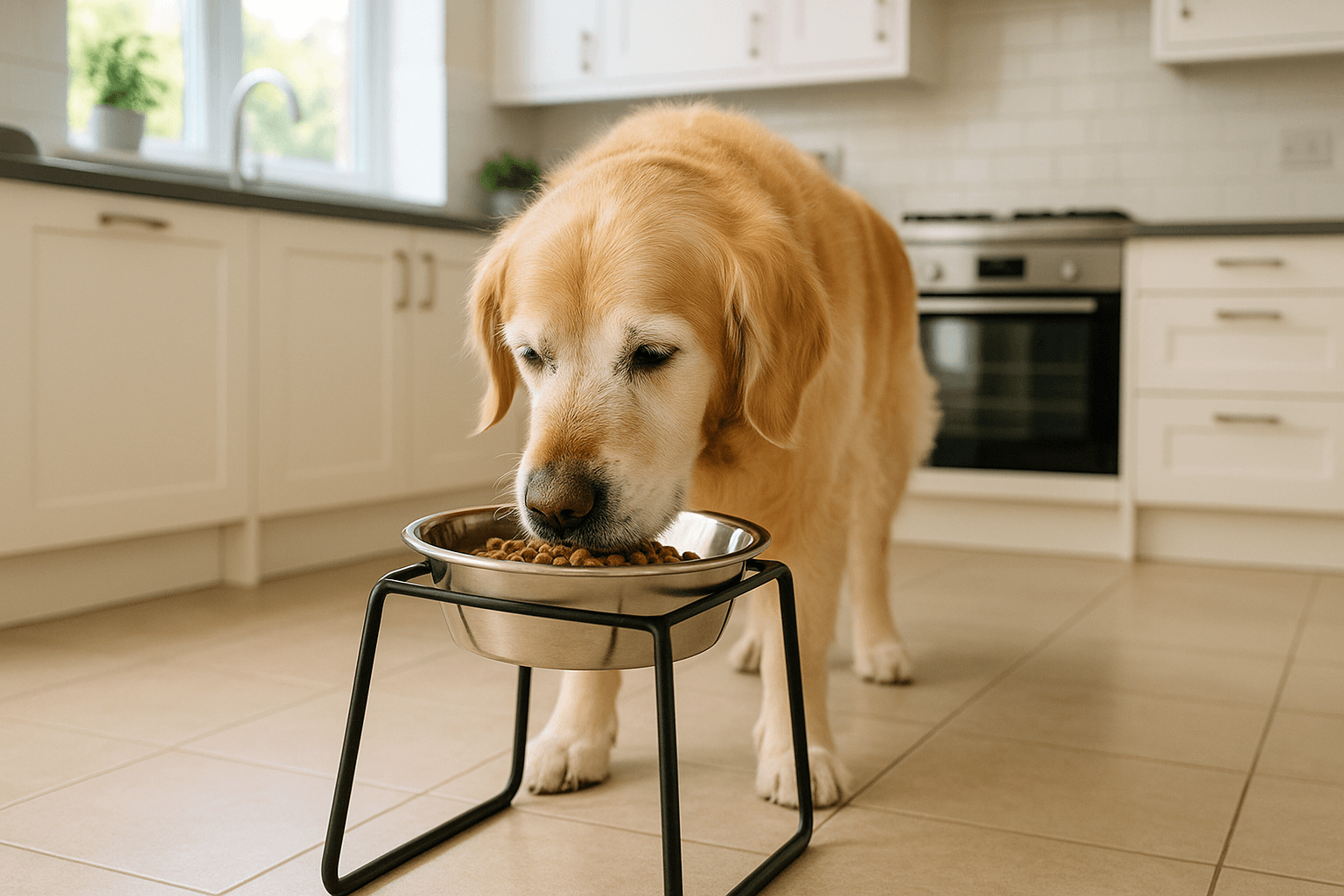 Life Stages
Feeding Senior Dogs UK: Nutrition Guide for Older Dogs
Senior dogs in the UK generally need fewer calories but maintained protein levels to preserve muscle mass, unless kidney disease requires restriction.
Read guide → Life Stages
Senior Dog Nutrition: What to Feed Your Older Dog
Senior dogs, typically those aged 7 and over, often need fewer calories but benefit from high-quality protein to maintain muscle mass.
Read guide →Free newsletter
Monthly dog guides for UK owners
Breed spotlights, training tips and health advice. Monthly.