

Be the first to join. Keep the badge forever.
The first members of this community earn permanent Founding Member status. It shows on your profile and your dog's profile for as long as you're here.
- ✓Founding Member badge on your profile
- ✓Your dog featured first
- ✓First Dog of the Month nomination
- ✓Always free
⭐ Founding Member spots open
First to join gets the badge
🐕 Be the first dog registered
Add your Lab to the community
📷 Add the first photo
Start the photo wall
8
Discussions
0 members
8 discussions
About the Anatolian Shepherd Dog
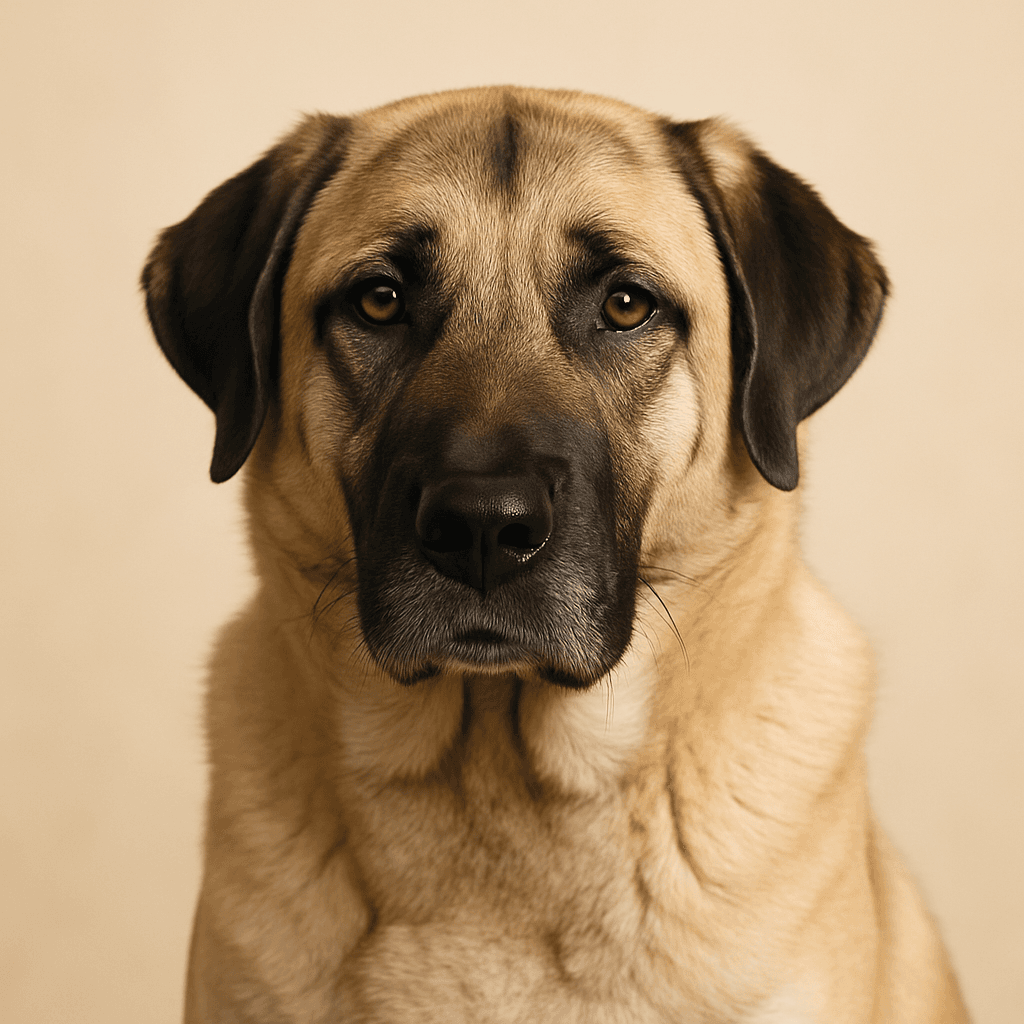
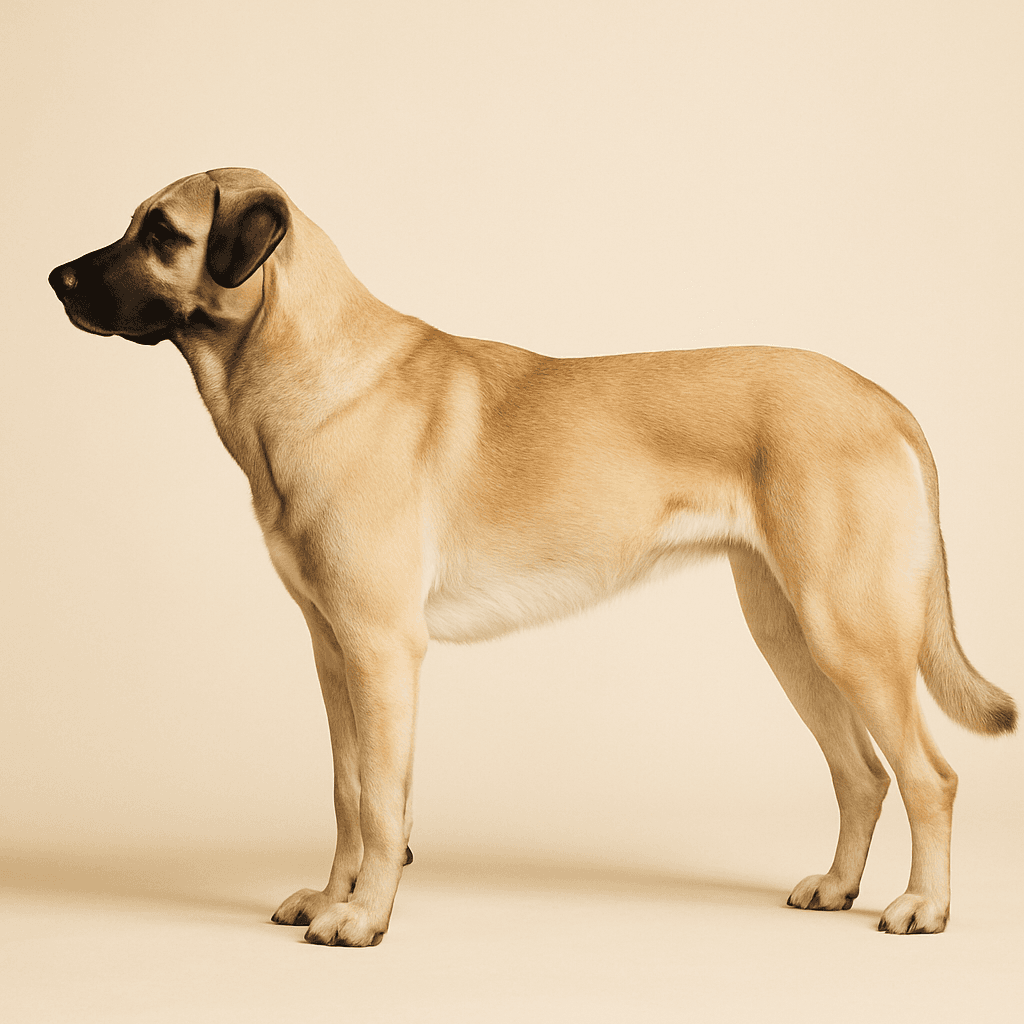
The Anatolian Shepherd Dog is a large, powerful livestock guardian breed originating in the Anatolian plateau of Turkey, where it has worked for thousands of years protecting flocks from wolves, bears and other predators. Registered by the Kennel Club in the Pastoral Group, it is one of the oldest and most effective livestock guardian breeds in the world. It is also one of the most challenging dogs to own responsibly in a domestic British setting. Understanding the Anatolian Shepherd Dog begins with understanding its function. Unlike herding breeds, which work under human direction, livestock guardian dogs are bred specifically to work without it. The Anatolian's instinct is to live with a flock, assess its environment independently and deal with threats using its own judgement. Centuries of selective breeding for this autonomous function have produced a dog that is confident, territorial, deeply independent and capable of acting on its own assessment of a situation. This makes it an outstanding working animal. It also makes it one of the most demanding dogs to manage safely in a non-working domestic environment. In temperament, the Anatolian is calm, steady and deeply loyal to its household and territory. It is not an excitable or boisterous breed. Within its established domain and with its bonded family it is affectionate and settled. Toward strangers and perceived threats, it is watchful, territorial and willing to challenge. The protective instinct is not aggression in the domestic companion sense: it is the breed's designed function operating as intended. Managing this appropriately in a domestic setting requires an owner with significant experience and a property that can accommodate the breed's territorial needs. Suburban or urban ownership is not appropriate for this breed. The Anatolian needs substantial land with very secure perimeter fencing that it can patrol. It needs to be the guardian of a defined territory. Without this context, its protective instincts have no appropriate outlet and management becomes very difficult. Training in the conventional sense is not the primary framework for this breed. Basic obedience is achievable with consistent, early, positive training, but expecting Anatolian-level compliance with a working guardian dog is a category error. The investment that matters most is early socialisation: thorough, positive exposure to people, animals and environments in the first 16 weeks significantly influences how manageable the adult dog is. Health is generally good for a large breed, with hip dysplasia, hypothyroidism and entropion the most commonly seen issues. Insurance of £50 to £90 per month reflects a moderate health risk profile. Purchase prices from responsible breeders typically range from £800 to £1,500. Lifespan is 11 to 13 years. For working farmers and those with large rural properties who need an effective livestock guardian, the Anatolian Shepherd Dog is one of the finest breeds available. For domestic companion ownership, particularly in suburban environments, the breed presents management demands that the vast majority of households are not equipped to meet. This is not a breed for enthusiasm and goodwill alone: it requires experience, space, secure fencing and a thorough understanding of what a livestock guardian breed actually is.
Quick facts
Meet Our Anatolian Shepherd Dogs
Register your dog on My Dog and it will appear here automatically.
Anatolian Shepherd Dog Photos
No photos yet. Be the first to share yours.
Add a photoActivity Feed
How much exercise does your Anatolian Shepherd Dog really need each day?
One and a half to two hours a day, but the character of that exercise is quite different from most working breeds. Anatolians weren't bred for high-intensity bursts, they were bred to patrol large areas steadily and persistently. What mine needs most is a well-defined territory to patrol and guard: that meets a significant portion of the mental need that some breeds require through active training or sport. The fencing requirement is non-negotiable and must be very substantial. An Anatolian that has decided to extend its territory will test the perimeter in a way a standard domestic fence won't contain. Off-lead exercise in unsecured public areas simply isn't appropriate for this breed. They have strong roaming instincts and zero interest in running back to you.
30 June 2026
Any health issues to watch for with Anatolian Shepherd Dogs?
They're generally a healthy breed with good longevity for their size, which is one of the genuine positives. Hip dysplasia is the main inherited concern and KC/BVA Hip Scores on both parents are the reasonable expectation. Hypothyroidism is more prevalent in this breed than in many others, showing up as weight gain, lethargy and coat changes; it's manageable once diagnosed with daily medication. Entropion, where the eyelid rolls inward, causes ocular irritation and sometimes needs surgical correction, so ask breeders about eye health in their lines. GDV is a risk for any large deep-chested breed: two meals a day, calm feeding, no vigorous exercise immediately after eating, and know the emergency signs. Monthly insurance typically runs £50 to £90. They can reach 11 to 13 years in good health.
30 June 2026
What do you wish you'd known before getting an Anatolian Shepherd Dog?
That the training dynamic is fundamentally unlike most companion breeds, and that understanding this before you start saves an enormous amount of frustration. Anatolians were bred specifically to work without human direction. They assess situations independently and act on that assessment. Asking an Anatolian to comply with a command the way a retriever does is asking the breed to be something it isn't. What works is establishing clear, consistent household rules from day one and investing heavily in early socialisation, particularly before 16 weeks, because a well-socialised Anatolian is a manageable one. The territorial instinct is also more comprehensive than most people expect. Every person entering the property is initially assessed as a potential threat. This is the breed working as designed, and it requires confident, consistent owner communication.
30 June 2026
What do you feed your Anatolian Shepherd Dog, and why?
Two meals a day on a quality large-breed complete food, and I'm careful about exercise timing around feeding. The deep chest and GDV risk are present in this breed and bloat is a genuine emergency, so calm mealtimes and a gap before vigorous activity are habits worth forming from the start. Monthly cost runs around £70 to £90. The weight management piece is important for a breed predisposed to hip dysplasia: an overweight Anatolian carries that excess on joints that are already under pressure. They should be lean and muscular. Ribs should be easily felt without excess fat covering them. Given they can live 11 to 13 years, the dietary habits you establish early compound significantly over the long term.
30 June 2026
Anatolian Shepherd Dog of the Month
🏆 September 2026 -- Be the first nominee
Could be your dog.
The first dog registered in this community earns the first Dog of the Month nomination automatically.
Register your dogUpcoming Anatolian Shepherd Dog Meetups
No meetups planned yet. Be the first to organise one.
Sign in to organise a meetupCommunity Members
Be the first to join and become the Anatolian Shepherd Dog Founding Member.
Join Club