

Be the first to join. Keep the badge forever.
The first members of this community earn permanent Founding Member status. It shows on your profile and your dog's profile for as long as you're here.
- ✓Founding Member badge on your profile
- ✓Your dog featured first
- ✓First Dog of the Month nomination
- ✓Always free
⭐ Founding Member spots open
First to join gets the badge
🐕 Be the first dog registered
Add your Lab to the community
📷 Add the first photo
Start the photo wall
8
Discussions
0 members
8 discussions
About the Barbet
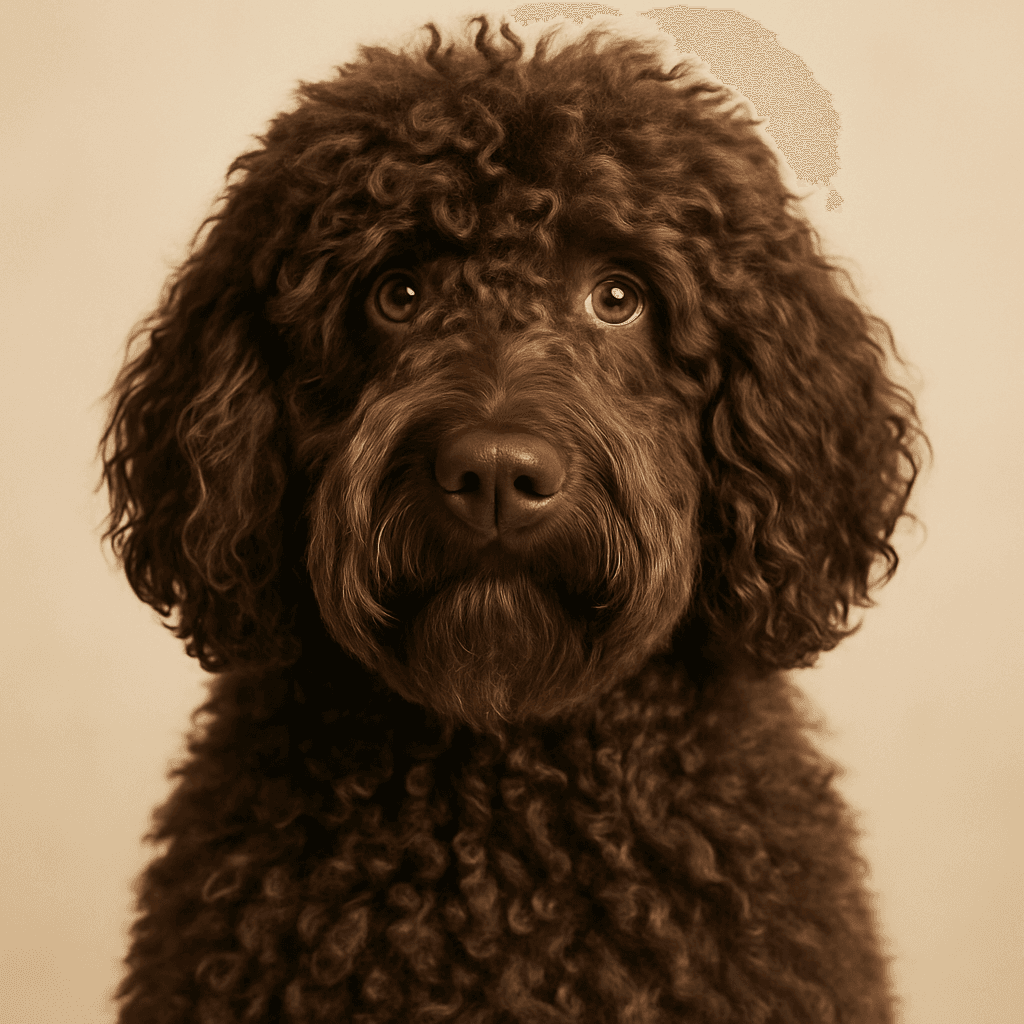
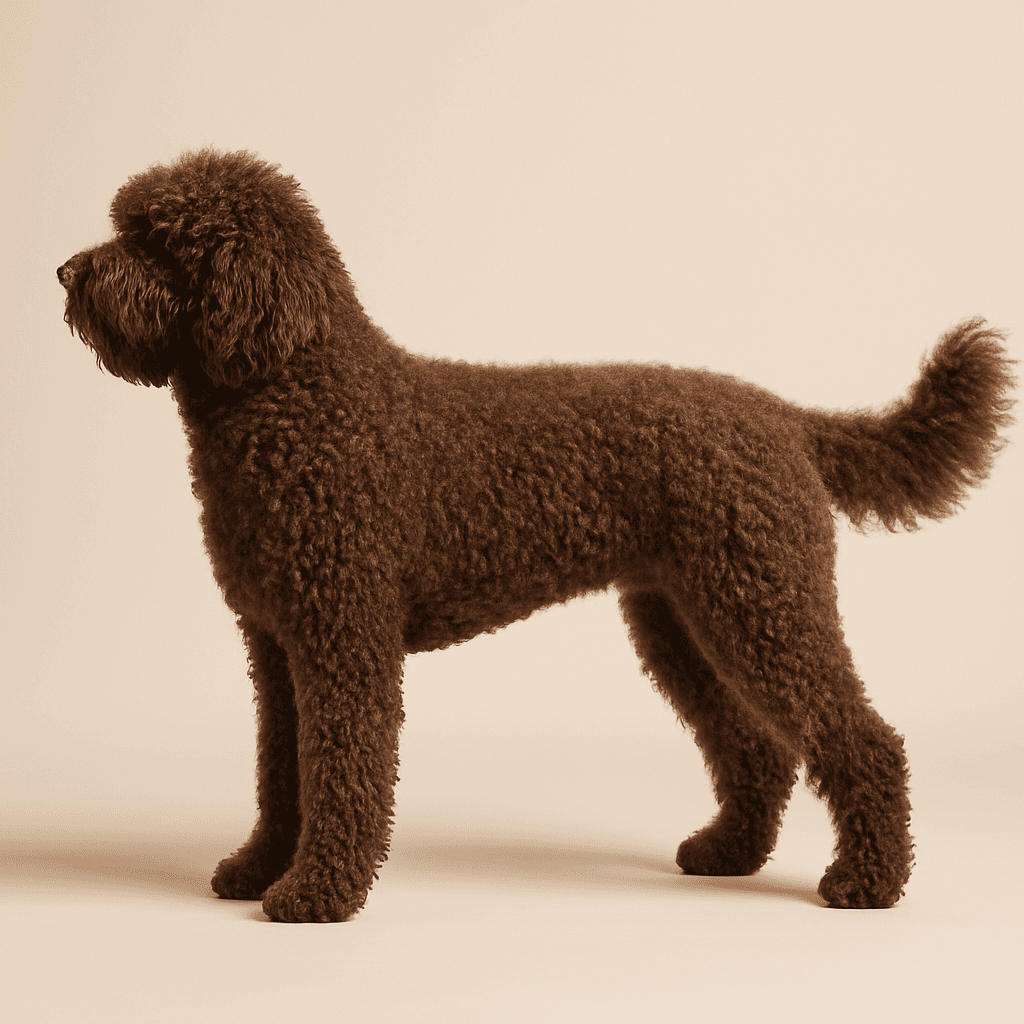
The Barbet is a rare and ancient French water dog with a history stretching back several centuries. Developed to retrieve waterfowl from lakes, rivers and marshes, it is registered by the Kennel Club in the Gundog Group and remains one of the less commonly seen breeds in the UK, which contributes to its appeal for owners seeking something distinctive without eccentricity. In appearance the Barbet is a medium-sized, solidly built dog covered in a dense, curly or wavy coat that can range from black and brown through to fawn, grey and white. The coat is one of the breed's most distinctive features and requires consistent care to keep it in good condition. It does not shed heavily in the way many double-coated breeds do, and the Barbet is sometimes cited by owners as a more tolerable choice for households sensitive to dog hair, though no breed is truly hypoallergenic. In character, the Barbet is one of the more straightforwardly pleasant breeds available. It is gentle, friendly and sociable, gets on reliably well with children, and generally has a calm, good-natured attitude towards other dogs and household pets. It is not a guard breed and is not aloof or suspicious. It forms close bonds with its family and is happiest when included in daily household activity rather than left to one side. Exercise requirements are moderate for a gundog. An adult Barbet needs around one to 1.5 hours of daily activity, ideally with variety. The breed has a genuine affinity for water - swimming is one of the most natural and enjoyable forms of exercise for a Barbet and makes an ideal supplement to daily walks. Retrieving games, scent work and basic gundog training all provide the mental engagement that a working-bred dog needs alongside physical activity. Training a Barbet is a genuinely rewarding experience. The breed carries the gundog instinct to work closely with its handler and has the intelligence and willingness to respond well to positive, reward-based methods. It is not a breed that tests its owner's patience in the way some terriers or hounds might. Early and thorough socialisation from puppyhood produces confident, well-adjusted adults, and training should begin the week the puppy arrives home. Grooming is the commitment that prospective owners most commonly underestimate. The dense curly coat mats quickly if neglected, and two to three brushing sessions per week are the minimum requirement. Professional grooming every eight to twelve weeks maintains coat condition and prevents the build-up of tangles near the skin where they are most difficult to address. The Barbet's ears should be cleaned weekly and checked regularly for signs of moisture retention or infection, particularly after swimming. Health is generally good in the Barbet. Hip dysplasia is the primary orthopaedic concern and responsible breeders should hip-score both parents before breeding. Progressive Retinal Atrophy is present in the breed and DNA testing is available; ask to see test results before purchasing a puppy. Epilepsy has been reported in some lines and is worth discussing with any prospective breeder. Lifespan is typically 12 to 14 years. Purchase prices from KC-registered breeders typically range from £1,000 to £2,000, reflecting the breed's relative rarity in the UK. Monthly running costs including food, insurance and routine veterinary care average £100 to £180 per month. Insurance typically costs £30 to £60 per month. For owners who want an affectionate, trainable and distinctive breed with lower shedding than most gundogs, the Barbet is an excellent choice. The commitment required - regular grooming, adequate daily exercise and consistent early training - is real but not exceptional. In return, the Barbet offers a calm, devoted and thoroughly good-natured companion that suits a wide range of households. The Barbet Club of Great Britain is the primary contact for breed information, responsible breeders and rescue enquiries. Puppy waiting lists can be long given the breed's rarity, and registering interest with the club early is advisable.
Quick facts
Meet Our Barbets
Register your dog on My Dog and it will appear here automatically.
Barbet Photos
No photos yet. Be the first to share yours.
Add a photoActivity Feed
How much exercise does your Barbet really need each day?
Mine needs around an hour to an hour and a half every single day, and that is not optional. The Barbet is a working gundog and that working heritage is real, not decorative. What makes the breed different is how much it loves water. Swimming counts as proper exercise for a Barbet and mine will enter any body of water she finds, so I have stopped trying to avoid puddles. On days when we can get to a lake or river, she comes home genuinely tired in a way that an equivalent walk does not quite achieve. Beyond physical exercise, the mental side matters. Retrieving games, scent work and activities that engage that gundog brain are important supplements. A Barbet that gets adequate daily exercise and mental stimulation is calm indoors. One that does not becomes restless and invents its own entertainment.
30 June 2026
Any health issues to watch for with Barbets?
The Barbet is generally a healthy breed, which is genuinely good news given how expensive some breeds can be to insure and treat. Hip dysplasia is the main orthopaedic concern and responsible breeders hip-score both parents, so ask to see those scores before you commit to a puppy. Progressive Retinal Atrophy occurs in the breed and a DNA test is available, so again, check that both parents have been tested. Epilepsy has been reported in some lines. When I was choosing my breeder, I asked directly about epilepsy history in their lines and I would encourage anyone else to do the same. A breeder who is confident in their health testing welcomes those questions. Lifespan is typically 12 to 14 years, which is a solid span for a breed of this size.
30 June 2026
What's the one thing you wish you'd known before getting a Barbet?
Honestly, I wish I had known how closely this breed wants to work with you. The Barbet carries a genuine gundog instinct to collaborate with its handler, and that shapes everything about training and daily life. Recall is reliable in a way you do not get with hounds or terriers, and the breed checks in with you naturally rather than disappearing off on its own agenda. That is a genuine pleasure. What I underestimated was how much the Barbet needs that partnership to go both ways. This is not a dog you can leave to its own devices for long periods. It forms close bonds with its family and it does not enjoy prolonged isolation. If you work long hours or travel frequently, you need a very solid arrangement for company and care. Get that right and the Barbet is one of the most rewarding breeds I have owned. It is calm, gentle, genuinely sociable and will greet every stranger with enthusiasm.
30 June 2026
What do you feed your Barbet, and why?
I feed a complete, balanced food designed for a medium-sized active breed, split into two measured meals a day. The Barbet is not particularly prone to obesity but it is an active dog and portions still need managing properly. There are no breed-specific dietary restrictions documented for the Barbet beyond general good practice, which is refreshingly straightforward compared to breeds with particular sensitivities or metabolic quirks. I weigh portions rather than eyeball them because it is easy to drift upward on quantities over time without noticing. The breed is a working gundog type and needs quality protein and fat to support its energy levels on exercise days. I keep treats small and count them against daily intake. Nothing complicated, but consistency and quality matter more than any specific regime.
30 June 2026
Barbet of the Month
🏆 September 2026 -- Be the first nominee
Could be your dog.
The first dog registered in this community earns the first Dog of the Month nomination automatically.
Register your dogUpcoming Barbet Meetups
No meetups planned yet. Be the first to organise one.
Sign in to organise a meetupCommunity Members
Be the first to join and become the Barbet Founding Member.
Join Club