

Be the first to join. Keep the badge forever.
The first members of this community earn permanent Founding Member status. It shows on your profile and your dog's profile for as long as you're here.
- ✓Founding Member badge on your profile
- ✓Your dog featured first
- ✓First Dog of the Month nomination
- ✓Always free
⭐ Founding Member spots open
First to join gets the badge
🐕 Be the first dog registered
Add your Lab to the community
📷 Add the first photo
Start the photo wall
8
Discussions
0 members
8 discussions
About the Basset Fauve de Bretagne
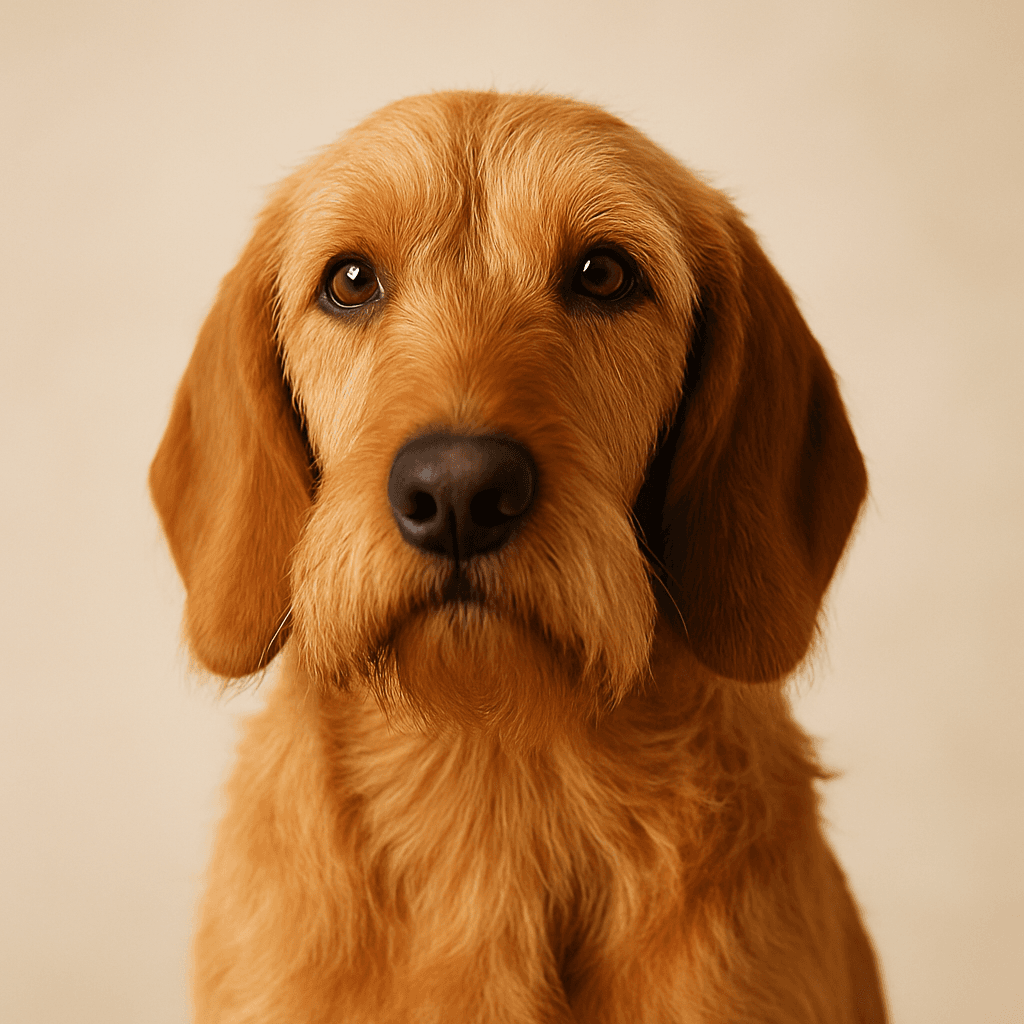
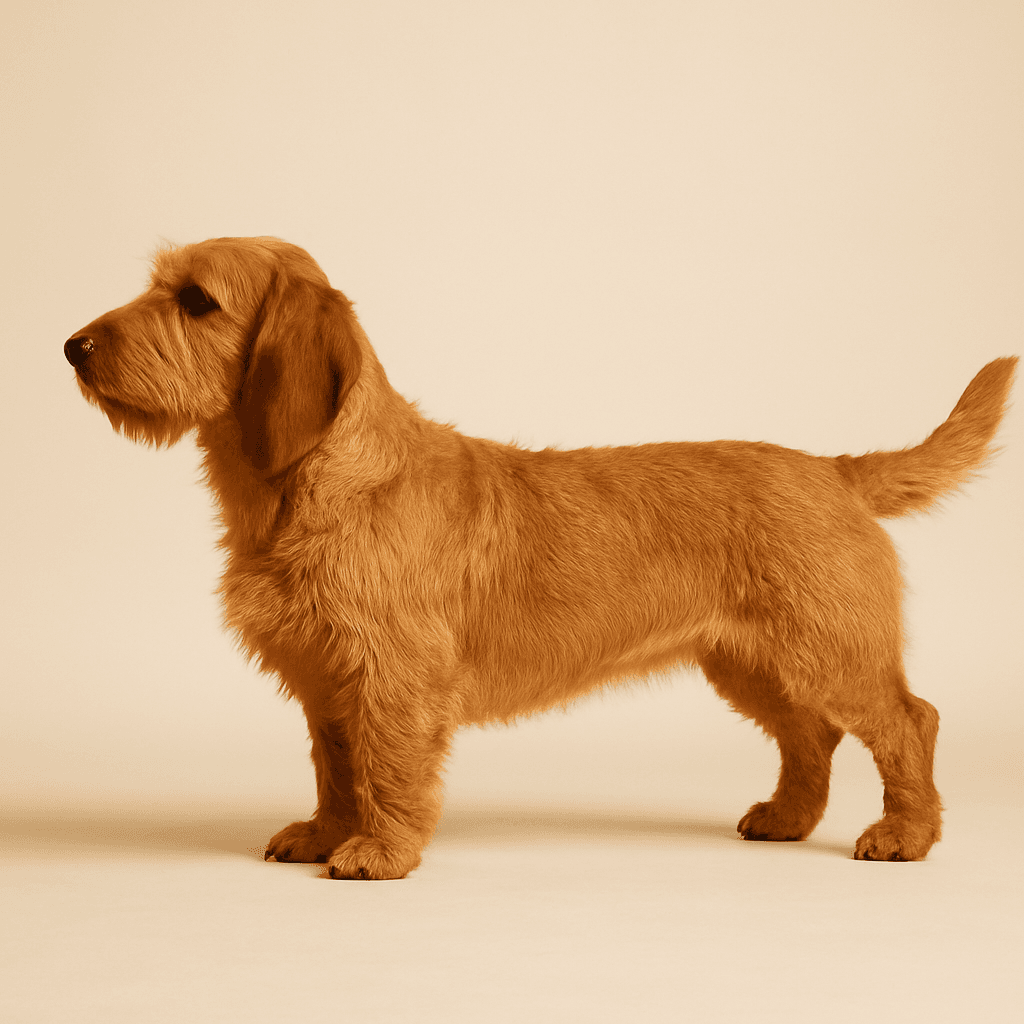
The Basset Fauve de Bretagne is a compact, energetic French scenthound with a character considerably larger than its size suggests. Originating in Brittany and developed for hunting hare and rabbit in dense cover, it is registered by the Kennel Club in the Hound Group and remains a relatively rare sight in the UK outside breed enthusiast circles. For owners who discover it, it tends to become a firm and lasting favourite. The breed's appearance is distinctive: a rough, tawny wiry coat, longish ears, compact and muscular build, and an expression of alert, slightly mischievous intelligence. Despite the word "basset" in the name - which implies a low-slung, leisurely hound - the Basset Fauve is nothing like the Basset Hound in temperament or energy level. It is a genuinely athletic, quick-moving dog that needs proper daily exercise and mental engagement. In the home, the Basset Fauve is cheerful, affectionate and sociable. It bonds well with its family, gets on reliably with children and is generally friendly with other dogs. It is not a guarding or territorial breed and greets most strangers with characteristic hound openness. It dislikes being alone for extended periods and will express dissatisfaction vocally - this is a breed with a proper hunting voice, and bored or isolated Basset Fauves will use it. The nose is the central fact of ownership. Like all scenthounds, the Basset Fauve de Bretagne is wired to follow scent with a focus that overrides most trained responses when the stimulus is strong enough. Recall is achievable with thorough early training, but recall in open country with an interesting scent trail is a different matter. Secure fencing is essential. Off-lead freedom must occur in genuinely enclosed areas. Scent work, tracking and nose games are particularly valuable activities for a dog built to hunt by nose, providing both physical and mental satisfaction. Exercise needs are around one to 1.5 hours daily, split across sessions. The breed is more active than it appears and needs proper vigorous exercise, not just a daily stroll. Mental stimulation through scent activities supplements physical output effectively and tires a scent hound more efficiently than pure distance walking. Grooming the rough wiry coat requires brushing two to three times per week to prevent tangling. Hand-stripping twice yearly maintains the correct harsh texture; most companion dog owners opt for clipping instead, which is entirely acceptable. Ear care is important, as the hound ear structure creates a warm, enclosed environment prone to infection if not kept clean and dry. Epilepsy is the most significant health consideration for the breed and occurs at elevated rates. Prospective buyers should ask breeders directly about epilepsy in their breeding lines. Eye conditions including Progressive Retinal Atrophy have also been documented and eye testing of breeding stock is recommended. Lifespan is typically 12 to 14 years. Purchase prices range from £800 to £1,500 from reputable breeders. Monthly running costs average £80 to £140. Insurance typically costs £25 to £45 per month. For active owners prepared for an independent, nose-driven character that requires consistent management and genuine daily exercise, the Basset Fauve de Bretagne is a rewarding and entertaining companion. It is not a breed for passive ownership, but for owners who engage with its instincts and meet its needs, it returns that commitment with warmth, energy and character in abundance. The Basset Fauve de Bretagne Club of Great Britain supports the breed in the UK and is the first point of contact for both breeder recommendations and rescue enquiries.
Quick facts
Meet Our Basset Fauve de Bretagnes
Register your dog on My Dog and it will appear here automatically.
Basset Fauve de Bretagne Photos
No photos yet. Be the first to share yours.
Add a photoActivity Feed
How much exercise does your Basset Fauve de Bretagne really need each day?
One to one and a half hours of proper exercise daily, and I want to be clear that this is a much more energetic dog than the compact size suggests. People see the Basset Fauve and assume it is a gentle ambler. It is not. This is a working scenthound with real stamina and it needs proper off-lead running in securely fenced areas. The nose is always working and once a scent takes hold, recall becomes very aspirational. I use enclosed areas for off-lead work and a long line for open spaces, and I have accepted that this is permanent management rather than something training will fix. Scent work and tracking activities are what this breed genuinely enjoys, and adding those into the week alongside physical exercise makes a noticeable difference to how settled mine is at home. The exercise needs are serious for a small dog.
30 June 2026
Any health issues to watch for with Basset Fauves de Bretagne?
Epilepsy is the most significant health concern in the breed and it occurs at elevated rates, so ask breeders directly about epilepsy history in their lines. It is a reasonable question and a confident breeder will answer it honestly. Eye conditions are the other main area to know about. Progressive Retinal Atrophy and corneal dystrophy have both been documented in the breed. Responsible breeders have eye tests performed and I would ask to see current results. Hip and elbow dysplasia occur but at low rates compared to many breeds, which is a genuine positive. The Basset Fauve is generally a healthy breed and the lifespan of 12 to 14 years reflects that. The health testing conversation with a breeder should focus mainly on epilepsy history and eye testing results. Those two areas carry the most breed-specific risk.
30 June 2026
What do you wish you'd known before getting a Basset Fauve de Bretagne?
That the voice is a proper hound voice and it will be used. I live in a semi-detached house and I had not fully thought through what a hound vocalising when bored, excited or left alone would mean for my neighbours. The Basset Fauve is genuinely cheerful and sociable and does not enjoy being alone, and that combination produces noise when the dog's social needs are not being met. Managing that from the start, building positive independence and ensuring the dog has enough company and stimulation, is the practical priority I would focus on earlier if I were doing it again. On the positive side, the independence I expected to be difficult is balanced by a real warmth and friendliness that makes training actually engaging when you approach it with patience and positive rewards. This is a breed that genuinely enjoys interaction. It just needs you to be consistent about it.
30 June 2026
What do you feed your Basset Fauve de Bretagne, and why?
A complete, balanced adult food for a small to medium active breed, fed in two measured meals daily. The two-meal structure is deliberate. Like many hound types, the Basset Fauve can gulp food, and splitting the daily allowance reduces the risk of digestive discomfort. The breed has a tendency to gain weight if not exercised adequately, so I measure portions rather than estimate them. On days when we have not managed full exercise, I am slightly more conservative. I keep treats low-calorie because this breed is food-motivated and treats add up quickly in training. Monthly food cost runs around £25 to £35 for mine depending on the brand. Nothing complicated, but the weight management side is worth taking seriously because an overweight scenthound loses the athletic capability the breed needs to thrive.
30 June 2026
Basset Fauve de Bretagne of the Month
🏆 September 2026 -- Be the first nominee
Could be your dog.
The first dog registered in this community earns the first Dog of the Month nomination automatically.
Register your dogUpcoming Basset Fauve de Bretagne Meetups
No meetups planned yet. Be the first to organise one.
Sign in to organise a meetupCommunity Members
Be the first to join and become the Basset Fauve de Bretagne Founding Member.
Join Club