Be the first to join. Keep the badge forever.
The first members of this community earn permanent Founding Member status. It shows on your profile and your dog's profile for as long as you're here.
- ✓Founding Member badge on your profile
- ✓Your dog featured first
- ✓First Dog of the Month nomination
- ✓Always free
⭐ Founding Member spots open
First to join gets the badge
🐕 Be the first dog registered
Add your Lab to the community
📷 Add the first photo
Start the photo wall
8
Discussions
0 members
8 discussions
About the Basset Griffon Vendeen (Grand)
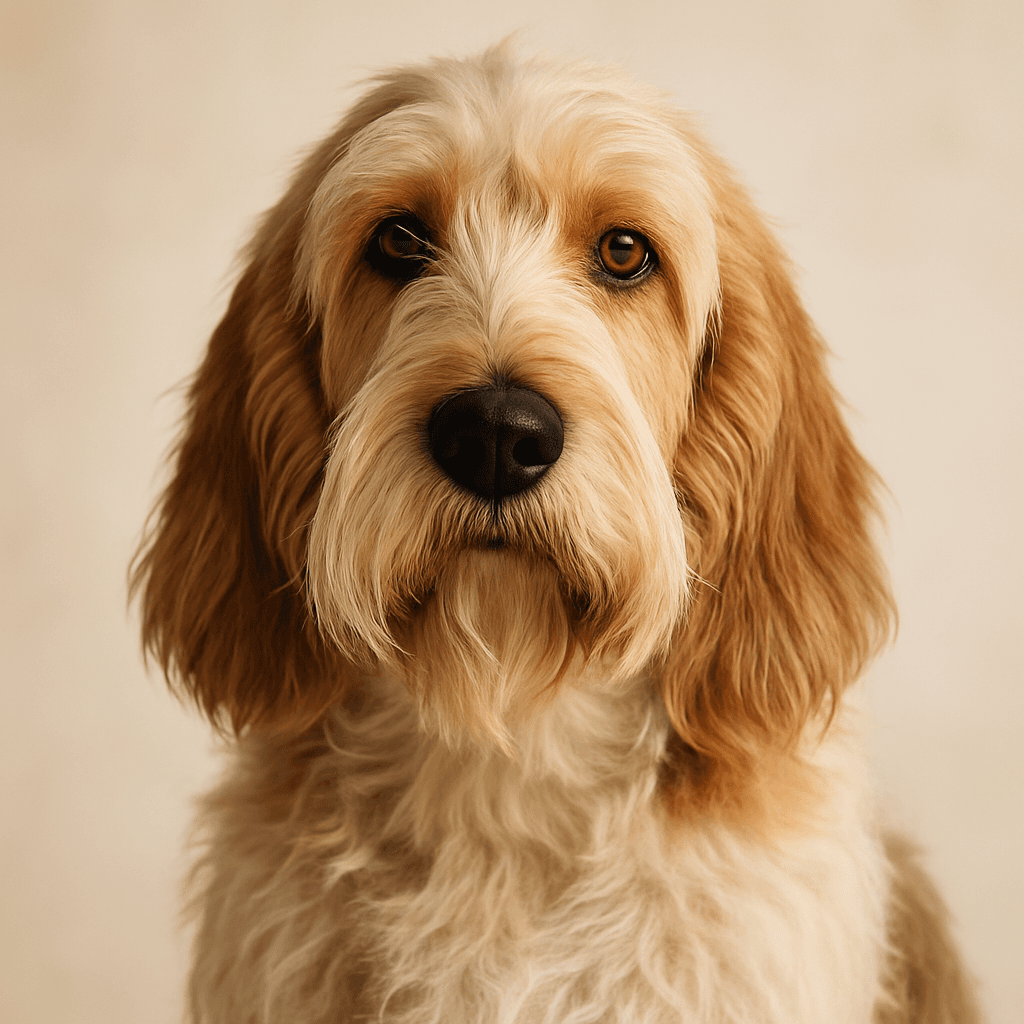
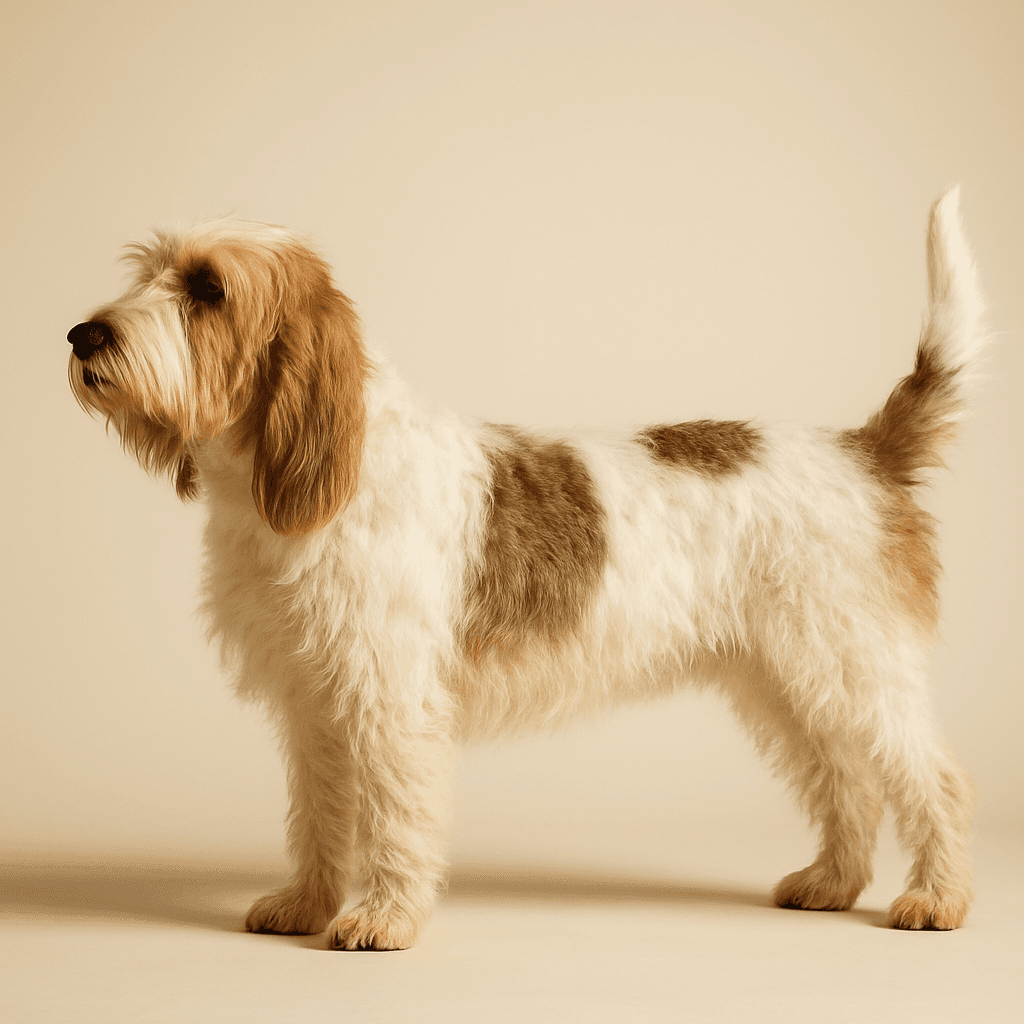
The Grand Basset Griffon Vendeen - known in breed circles as the GBGV - is a large, rugged French scenthound developed in the Vendee region of France for hunting over difficult terrain. Registered by the Kennel Club in the Hound Group, it is one of two Basset Griffon Vendeen varieties recognised in the UK alongside the smaller Petit, and is considerably less common. For owners drawn to working hound breeds with authentic history and strong character, the GBGV is a compelling choice. The breed's appearance is immediately striking: a large, muscular dog with a rough, shaggy double coat, long drooping ears, bushy eyebrows and a beard that gives it a permanently cheerful, slightly dishevelled expression. Despite the word "basset" suggesting a low-energy plodder, the GBGV is a high-endurance hunting breed built for long days in rough country. The appearance and the reality of owning one require some adjustment. In character, the Grand Basset Griffon Vendeen is energetic, bold, confident and sociable. It has the open, friendly temperament typical of pack-hunting hounds - it bonds well with its family and is reliably good with children and other dogs. Its pack heritage means it generally welcomes canine company rather than competing with it. It is not a guarding breed and greets most strangers with characteristic hound openness. The independence is the primary ownership consideration. The GBGV was developed to work at distance from its handler, following a scent trail using its own judgement. This is not a breed that defers to its owner when an interesting smell is in play. Training must start early, be consistent and use positive methods throughout. Recall, in particular, requires significant investment: a GBGV on a scent trail in open country is at genuine risk if not in an enclosed area. Exercise needs are substantial. An adult GBGV needs 1.5 to two hours of vigorous daily exercise. It has the stamina of a genuine working hound and requires proper off-lead running in secure areas, not just lead walks. Scent work, tracking and nose activities provide the mental engagement that a hunting breed needs alongside physical output. A GBGV with unmet exercise needs will become vocal, restless and destructive. The coat is low maintenance by rough-coated standards but still requires consistent attention. Brushing two to three times per week removes debris and prevents matting. Professional grooming or hand-stripping every three to four months maintains coat condition. Ears should be cleaned weekly, and feet should be checked for trapped debris after exercise in rough terrain. Epilepsy is the most significant health concern in the breed and prospective buyers must ask breeders directly about epilepsy history in their lines. Eye conditions including Persistent Pupillary Membranes and Meibomian Gland disease are also documented, and eye testing of breeding stock is recommended. Hip scoring of breeding parents should be confirmed. Lifespan is typically 11 to 14 years. Purchase prices from reputable breeders range from £800 to £1,500. Monthly running costs average £100 to £170. Insurance typically costs £30 to £60 per month. The GBGV is not a breed for passive owners or those who find an independent, vocal and energetic hound challenging. For owners who want a genuine working hound with character, sociability and stamina, who can provide the exercise and management it needs, it is a deeply rewarding companion. The Grand Basset Griffon Vendeen Club of Great Britain is the primary resource for breed information, responsible breeders and rescue contact.
Quick facts
Meet Our Basset Griffon Vendeen (Grand)s
Register your dog on My Dog and it will appear here automatically.
Basset Griffon Vendeen (Grand) Photos
No photos yet. Be the first to share yours.
Add a photoActivity Feed
How much exercise does your Grand Basset Griffon Vendeen really need each day?
One and a half to two hours of vigorous exercise daily is the honest requirement, and the emphasis is on vigorous. The GBGV is a high-endurance working hound, not a gentle stroller. Mine needs proper off-lead running in securely fenced areas in addition to lead walks, and the combination of the two takes genuine planning and commitment. What makes the time well spent is how well this breed responds to scent work and tracking activities alongside physical exercise. Getting the nose working produces mental tiredness that pure walking cannot replicate. The hunting instincts are powerful and secure fencing is essential. I have learned to treat recall as a backup rather than a primary tool in open spaces. If you can meet the two-hour requirement with variety and some nose work built in, you get a settled, content dog indoors. Under-exercised, the GBGV becomes a different proposition entirely.
30 June 2026
Any health issues to watch for with Grand Basset Griffon Vendeens?
Epilepsy is the primary health concern and it occurs at elevated rates in the GBGV. Before buying a puppy, I would have a direct conversation with the breeder about epilepsy history in their lines. Ask specifically, not just generally. Eye conditions are a secondary concern with Persistent Pupillary Membranes and Meibomian Gland disease documented in the breed. Responsible breeders test for eye conditions and should have current results to share. Hip dysplasia occurs and hip scoring of breeding stock is recommended. I would ask to see those scores rather than taking assurances on trust. Lifespan is typically 11 to 14 years, which is a reasonable span for a larger hound. The health testing conversation really comes down to three things: epilepsy history, eye test results, and hip scores. Get clear answers on all three before committing.
30 June 2026
What do you wish you'd known before getting a Grand Basset Griffon Vendeen?
The voice. I cannot overstate how much hound voice a GBGV has. It is a full, loud, hunting bay and it is used freely, particularly when the dog is bored, excited or has picked up an interesting scent. I had read that hounds vocalise, but reading it and experiencing a GBGV in full voice when it spots a rabbit from the garden are very different things. If you live in a noise-sensitive environment or have immediate neighbours, this needs proper thought before you get one. Managing the vocal nature starts from day one. On everything else, the GBGV is a genuinely rewarding breed. The pack heritage makes it excellent with other dogs, and the training, while requiring patience and consistency with positive methods, progresses well when you work with the hound's instincts rather than against them. It is independent but not malicious, and it responds well to an owner who is consistent and realistic.
30 June 2026
What do you feed your Grand Basset Griffon Vendeen, and why?
A complete, balanced adult food appropriate for a large active breed, split into two measured meals daily. The GBGV has an active metabolism and needs adequate calories to support its energy levels, particularly on days with full exercise. The temptation is to be generous with a large, active hound, but obesity stresses the joints and that matters in a breed that moves the way the GBGV does. I measure portions and adjust based on activity level across the week. Two meals daily rather than one large feeding helps digestive comfort and prevents the gulping that can cause problems in deep-chested dogs. Treats are kept small and factored into the daily total. The monthly food bill is higher than for smaller breeds, as you would expect, but keeping condition lean and joints healthy is worth the discipline around portions.
30 June 2026
Basset Griffon Vendeen (Grand) of the Month
🏆 September 2026 -- Be the first nominee
Could be your dog.
The first dog registered in this community earns the first Dog of the Month nomination automatically.
Register your dogUpcoming Basset Griffon Vendeen (Grand) Meetups
No meetups planned yet. Be the first to organise one.
Sign in to organise a meetupCommunity Members
Be the first to join and become the Basset Griffon Vendeen (Grand) Founding Member.
Join Club