

Be the first to join. Keep the badge forever.
The first members of this community earn permanent Founding Member status. It shows on your profile and your dog's profile for as long as you're here.
- ✓Founding Member badge on your profile
- ✓Your dog featured first
- ✓First Dog of the Month nomination
- ✓Always free
⭐ Founding Member spots open
First to join gets the badge
🐕 Be the first dog registered
Add your Lab to the community
📷 Add the first photo
Start the photo wall
8
Discussions
0 members
8 discussions
About the Basset Hound
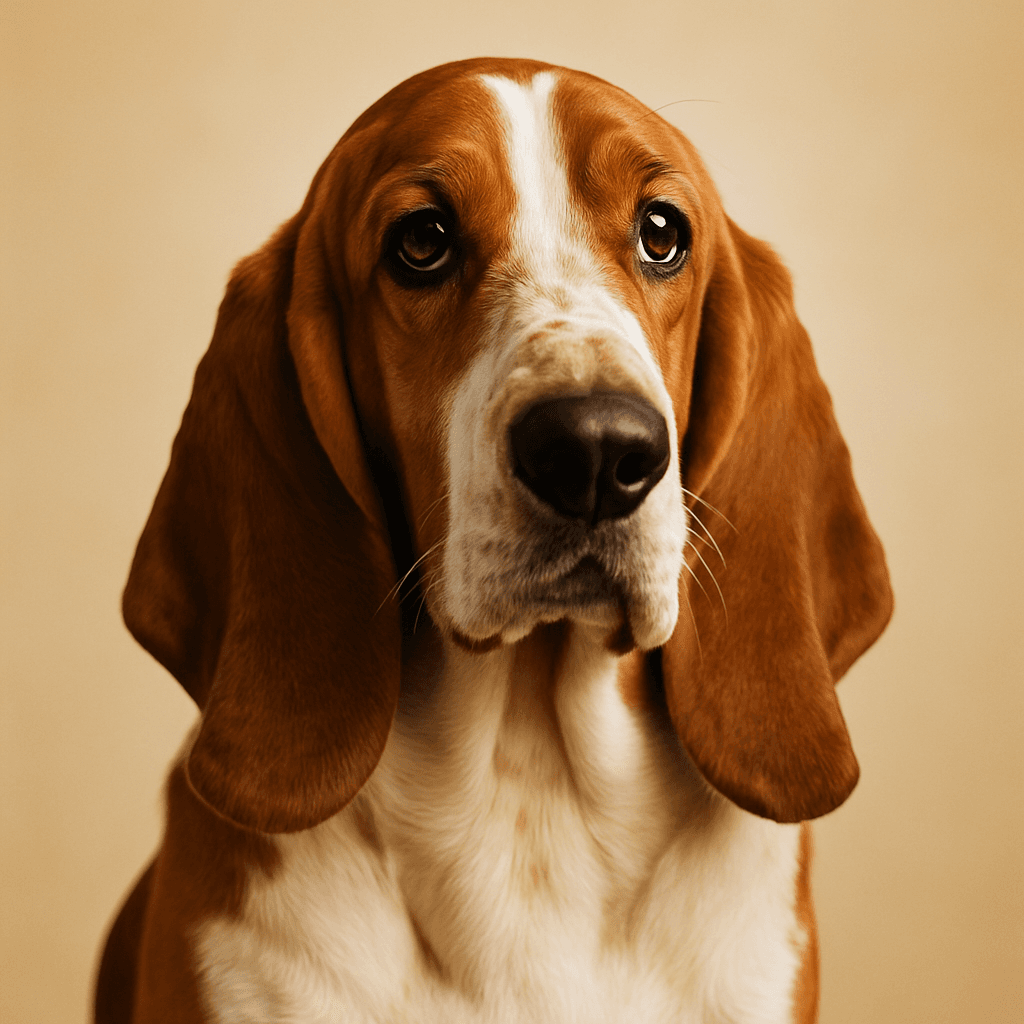
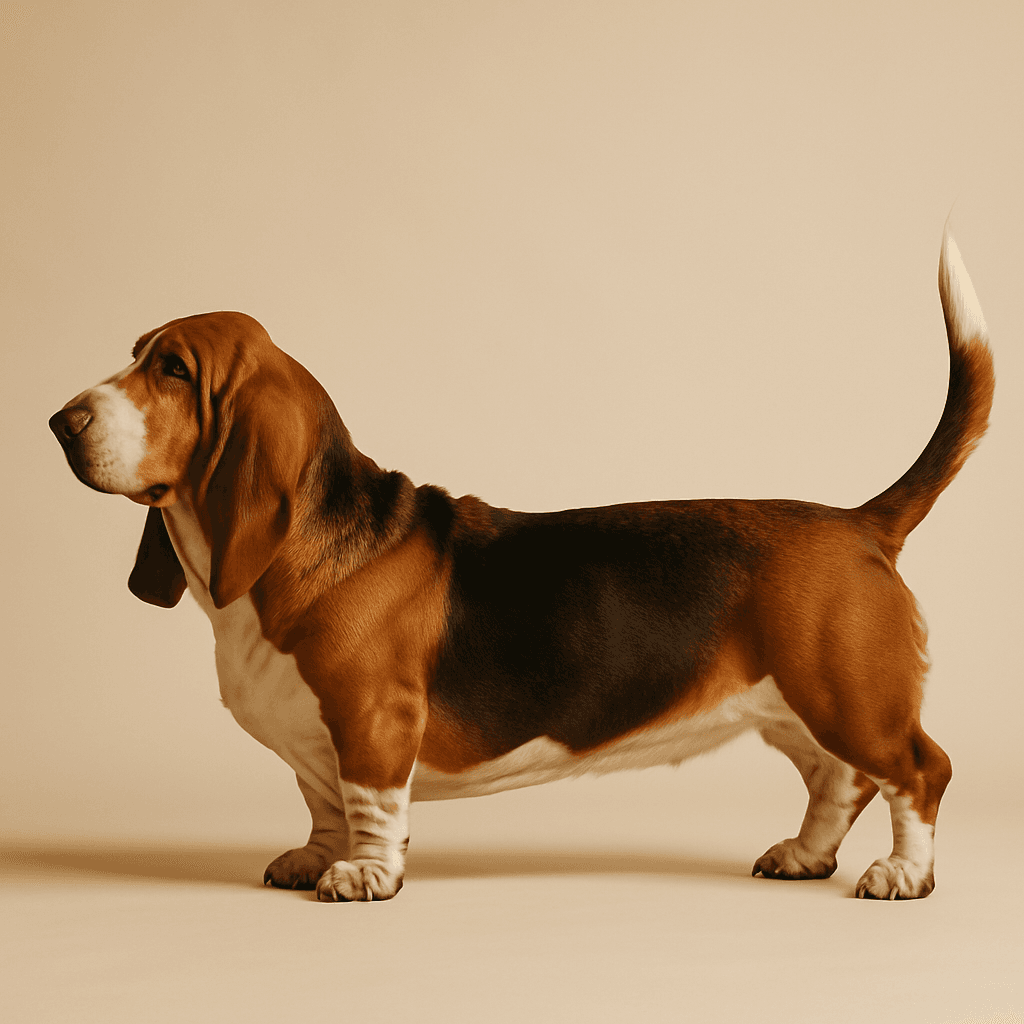
The Basset Hound is one of the most recognisable breeds in the world: low-slung, long-eared, loose-skinned and possessed of an expression of such profound mournfulness that it has made the breed a reliable choice for advertising campaigns and popular culture for over a century. Behind that famous face is a genuinely affectionate, gentle and sociable dog - but also a breed with a specific health profile and care requirements that must be fully understood before purchase. Registered by the Kennel Club in the Hound Group, the Basset Hound was developed in France and Belgium as a slow-moving tracking hound whose low carriage and exceptional nose made it ideal for hunters following on foot. The name derives from the French word "bas" meaning low, and the breed's characteristic ground-hugging build was a deliberate design for hunting through dense cover where a faster, taller hound could not operate effectively. In the home, the Basset Hound is a thoroughly pleasant companion. It is calm, gentle and deeply affectionate with its family. It is one of the more reliably child-friendly breeds available - patient, unhurried and rarely reactive - and its sociable, pack-oriented nature means it generally gets on well with other dogs. It is not an anxious or aggressive breed. The character has a well-known other side. The Basset Hound is stubborn in a specific, gentle way. When its nose catches an interesting scent, instructions become irrelevant. Recall in open country is not reliable. The breed also has a voice - a full, resonant hound's bay that it uses freely when excited, when isolated, or when a scent demands vocal commentary. In a terrace with close neighbours, this characteristic requires early management. Weight management is the most critical ongoing welfare commitment. The Basset Hound has a voracious appetite and a strong tendency to gain weight when given the opportunity. Obesity in a breed with a long spine, short legs and heavy build dramatically accelerates joint problems and intervertebral disc disease. Every meal should be measured and treats minimised. A healthy Basset Hound at correct weight looks leaner than most owners expect. Ear care is the second non-negotiable commitment. The long, pendulous ears fold over the ear canal, creating an environment with poor airflow, warmth and moisture - ideal conditions for bacterial and yeast infections. Ears must be cleaned at minimum once per week and dried thoroughly after any water exposure. Neglected ears lead to repeated infections, chronic pain and eventually permanent damage. Intervertebral Disc Disease is the most serious health risk. The long spine and low build create predisposition to disc herniation, which can range from pain and mobility loss to paralysis. Symptoms include reluctance to move, crying out when touched along the spine, hind leg weakness or dragging, and loss of bladder or bowel control. These are veterinary emergencies requiring immediate attention. Keeping weight at correct levels and avoiding high-impact activities for young puppies are the primary preventive measures. Additional health considerations include entropion and ectropion affecting the eyes, hip and elbow dysplasia, and Basset Hound Thrombopathia - a hereditary platelet function disorder. Insurance of £50 to £100 per month reflects the breed's elevated risk profile. Purchase prices from KC-registered breeders range from £800 to £1,500. Lifespan is typically 10 to 12 years. The Basset Hound is a rewarding companion for owners who go in with clear eyes on the health picture and commit to ear care, weight management and appropriate exercise. It is emphatically not a low-maintenance choice despite its relaxed disposition. Basset Hound rescue is available through the Basset Hound Club and Basset Hound Rescue UK. Adult rescue dogs, complete with veterinary histories, are regularly available and are a particularly sensible option for a breed where prior health records are genuinely informative.
Quick facts
Meet Our Basset Hounds
Register your dog on My Dog and it will appear here automatically.
Basset Hound Photos
No photos yet. Be the first to share yours.
Add a photoActivity Feed
How much exercise does your Basset Hound really need each day?
Thirty to 60 minutes of moderate daily exercise, split across two outings, is the honest answer. And moderate genuinely means moderate. This is not a breed you push into long walks or fast-paced activity, particularly in puppyhood when the heavy build and short legs make joint damage from over-exercising a real risk. My vet was clear about this early on and I followed the guidance carefully. Adult Bassets enjoy regular walks at a gentle to moderate pace and mine absolutely loves swimming when we can get to suitable water. It is excellent low-impact exercise that the breed naturally takes to. What you accept with a Basset is that recall in open areas is genuinely unreliable the moment a scent appears. Lead exercise in unfenced areas is the practical reality for most outings. The exercise keeps them physically healthy, but this is not a breed to take off-lead in unsecured spaces.
30 June 2026
Any health issues to watch for with Basset Hounds?
The health risk profile is significant and I think prospective owners deserve a straight answer about it. IVDD is the most serious concern given the long spine and low-slung build. Disc herniation can cause pain, mobility loss and in serious cases paralysis, and it is not rare in this breed. Keeping mine lean is one of the things I can actually control to reduce that risk. The loose eye structure creates a real predisposition to entropion and ectropion, both of which may need surgical correction. Ear infections are almost universal if you let ear care slip. I clean ears weekly without exception. Basset Hound Thrombopathia is a hereditary platelet disorder worth knowing about. Hip and elbow dysplasia also occur. Monthly insurance for mine runs above £70, which reflects the elevated risk profile honestly. Lifespan is typically 10 to 12 years. Obesity is a primary welfare concern and I weigh mine monthly.
30 June 2026
What's the one thing you wish you'd known before getting a Basset Hound?
That the stubbornness is gentle and the voice is considerable. On the stubbornness: the Basset is good-natured about ignoring you outdoors when a scent is active. There is no defiance or bad temper involved. The nose simply dominates and your instructions become background. I stopped taking it personally once I understood the breed properly. On the voice: Bassets howl and bay, freely and with feeling, particularly when left alone or excited by a scent. Before getting one, I would think seriously about your living situation and neighbours. The other thing I underestimated was the genuine commitment required to keep a Basset lean. The combination of a heavy breed with a predisposition to IVDD and joint problems means obesity is a real welfare issue, not just an aesthetic one. Measured portions, no free-feeding, monthly weight checks. That discipline is permanent and worth taking seriously from day one.
30 June 2026
What do you feed your Basset Hound, and why?
Diet management is genuinely the most important ongoing commitment I have with my Basset. I feed measured portions of a complete adult food twice daily and there is no flexibility on free-feeding. The Basset's strong tendency to gain weight, combined with the spinal and joint problems the breed is already predisposed to, means that obesity is a welfare issue rather than just a cosmetic one. Every extra kilogram puts additional stress on a back and joints that are already working hard. I weigh the portions and I weigh the dog monthly. High-calorie treats are out entirely. When I use treats for training, I use small pieces of something low-calorie and count them within the daily allowance. Kitchen bins and food storage are secured. Bassets are determined when they identify a food source by scent. The feeding discipline is not complicated but it is non-negotiable.
30 June 2026
Basset Hound of the Month
🏆 September 2026 -- Be the first nominee
Could be your dog.
The first dog registered in this community earns the first Dog of the Month nomination automatically.
Register your dogUpcoming Basset Hound Meetups
No meetups planned yet. Be the first to organise one.
Sign in to organise a meetupCommunity Members
Be the first to join and become the Basset Hound Founding Member.
Join Club