Be the first to join. Keep the badge forever.
The first members of this community earn permanent Founding Member status. It shows on your profile and your dog's profile for as long as you're here.
- ✓Founding Member badge on your profile
- ✓Your dog featured first
- ✓First Dog of the Month nomination
- ✓Always free
⭐ Founding Member spots open
First to join gets the badge
🐕 Be the first dog registered
Add your Lab to the community
📷 Add the first photo
Start the photo wall
8
Discussions
0 members
8 discussions
About the Belgian Shepherd Dog (Groenendael)
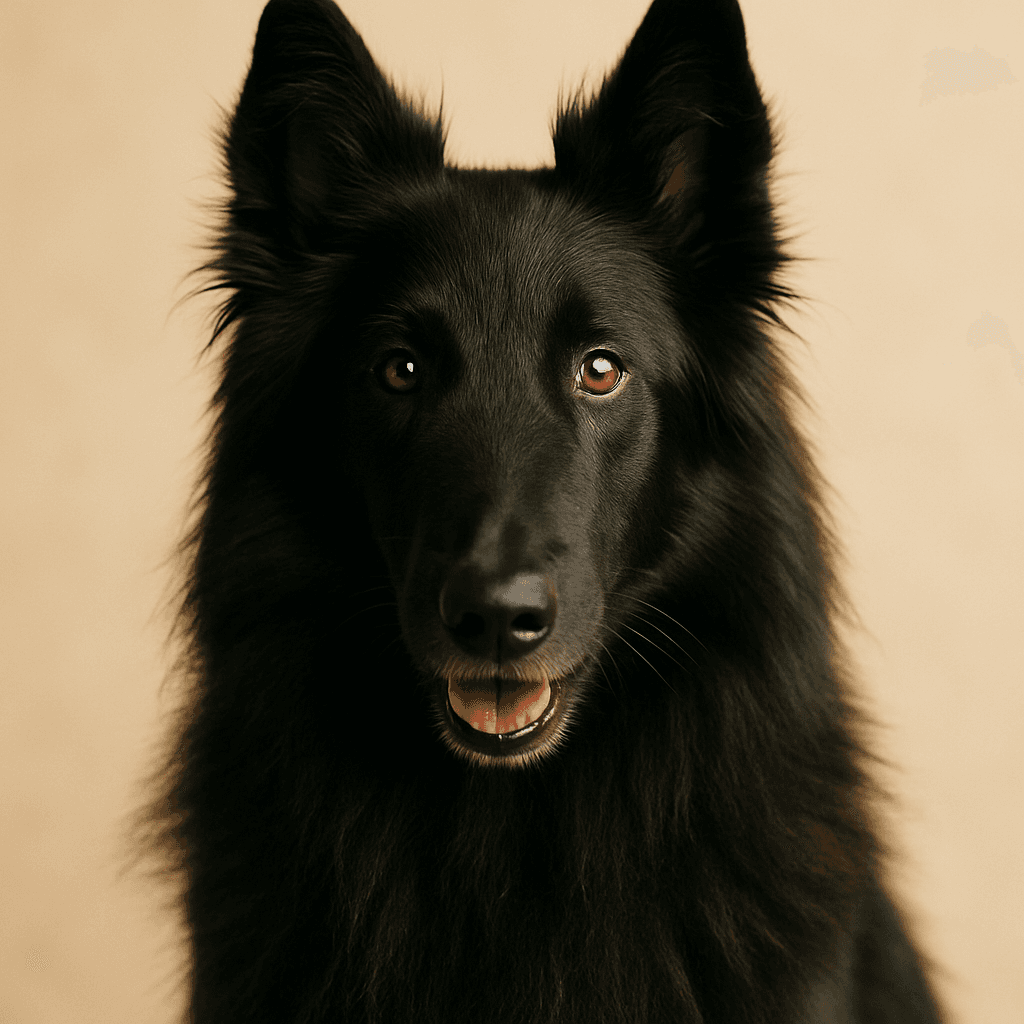
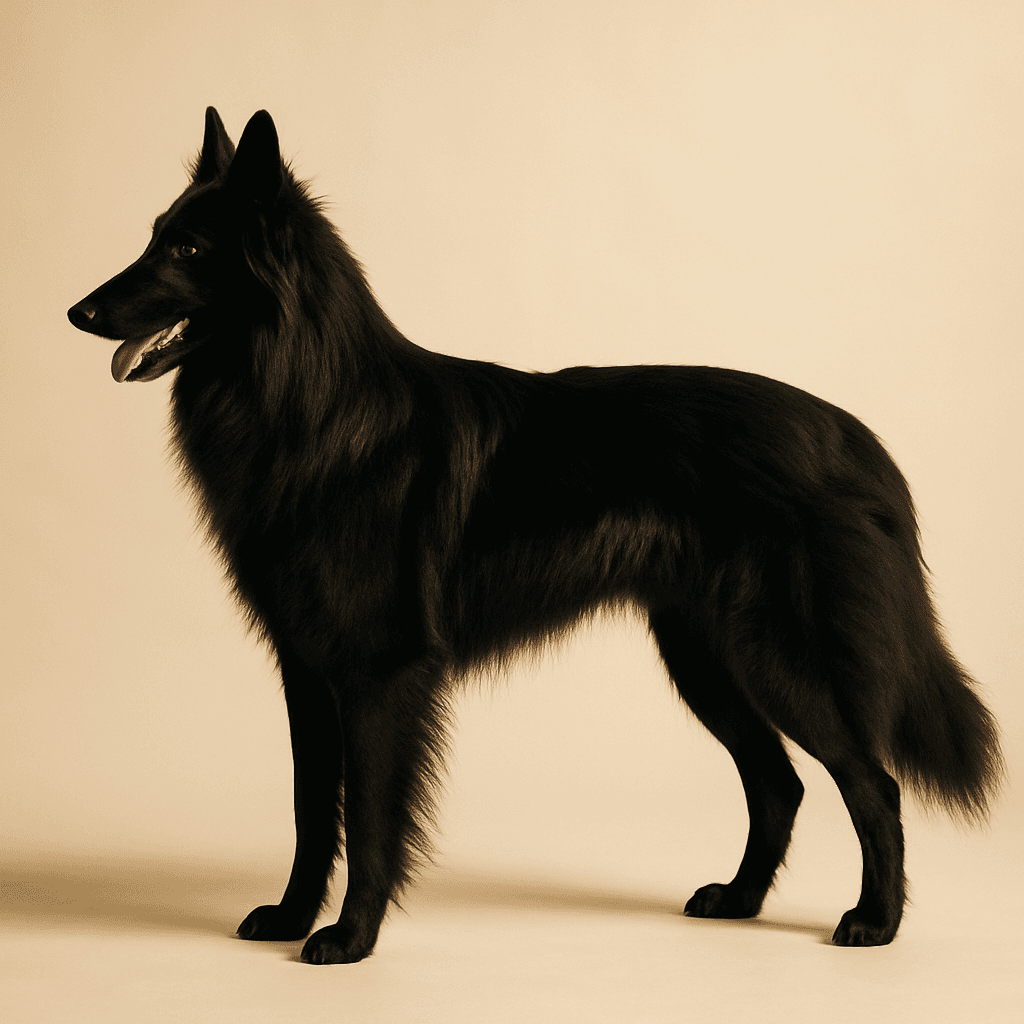
The Belgian Shepherd Dog Groenendael is the long-coated black variety of the four Belgian Shepherd types, registered by the Kennel Club in the Working Group. It takes its name from the Groenendael estate near Brussels where the variety was developed in the late nineteenth century by breeder Nicolas Rose. In appearance it is one of the most striking herding breeds: a medium-large, athletic dog with a dense, long black double coat, alert triangular ears and an expression of focused, intelligent intensity. The Belgian Shepherd types - Groenendael, Malinois, Tervuren and Laekenois - share a common working heritage and many core characteristics, but the Groenendael is generally considered among the most widely kept of the four in the UK. Its appearance is commanding and its personality is one of the most demanding in the herding group. In character, the Groenendael is intense, loyal and highly driven. It forms a very close bond with its primary handler or family and is capable of a depth of partnership that is genuinely impressive. It is not a breed that distributes its affections widely or tolerates indifference. When its needs are fully met, it is an outstanding companion and working partner. When they are not, the consequences are significant. The exercise requirement is among the highest in the Working Group. An adult Groenendael needs a minimum of two hours of vigorous daily exercise, split across sessions. Physical exercise alone is insufficient. The breed has a working herding dog's intelligence and drive, and needs mental engagement alongside physical output. Agility, obedience, herding trials, tracking, scent work and protection sports all provide the structured challenge that this breed thrives on. A Groenendael without adequate physical and mental stimulation becomes restless, anxious and potentially destructive. The intensity of the breed's instincts is the central ownership consideration. Herding behaviour - circling, chasing moving objects, nipping at heels - can be strong and may express towards running children, cyclists and other animals if not managed through training. The alert watchdog instinct is highly developed. Reactivity towards strangers and unfamiliar dogs requires thorough early socialisation to keep within appropriate limits. These are not flaws; they are working characteristics that require an experienced owner who understands how to manage and channel them. Training is where the Groenendael genuinely shines in the right hands. This is one of the most capable and trainable breeds available. It has the intelligence to learn complex tasks quickly, the memory to retain them, and the drive to perform them with focus and enthusiasm. Positive, reward-based methods are the most effective approach. Correction-based training creates anxiety and resistance in a breed of this sensitivity. The most accomplished Groenendaels are worked by handlers who have invested years in building the relationship that unlocks the breed's full potential. Socialisation from puppyhood is essential. The Groenendael's natural wariness of strangers and strong territorial instincts require broad, consistent exposure to different people, animals, environments and situations from the earliest age. Gaps in socialisation become harder to address as the dog matures. Grooming the long dense black coat requires three to four brushing sessions per week. Seasonal moults produce significant shedding and daily brushing becomes necessary during those periods. Professional grooming every eight to twelve weeks maintains coat condition. Hip dysplasia is the primary orthopaedic health concern and both parents should be hip-scored before breeding. Elbow scoring is additionally recommended. Progressive Retinal Atrophy occurs in Belgian Shepherd lines and DNA testing is available. Epilepsy has been reported in some lines. Lifespan is typically 12 to 14 years. Purchase prices from KC-registered breeders range from £800 to £1,500. Insurance of £35 to £70 per month reflects a moderate to elevated risk profile. Monthly running costs average £150 to £250. The Groenendael is one of the most capable working dogs available, but it is categorically not a breed for inexperienced owners, passive households or anyone who cannot commit to two or more hours of vigorous daily exercise and ongoing training. For experienced handlers who can match its needs, it is a breed of exceptional intelligence, loyalty and working ability. The Belgian Shepherd Dog Club of Great Britain is the primary resource for breed information, responsible breeders and rescue contact.
Quick facts
Meet Our Belgian Shepherd Dog (Groenendael)s
Register your dog on My Dog and it will appear here automatically.
Belgian Shepherd Dog (Groenendael) Photos
No photos yet. Be the first to share yours.
Add a photoActivity Feed
How much exercise does your Groenendael Belgian Shepherd really need each day?
A minimum of two hours every day, split across sessions, and that is genuinely a minimum. On a day when we only manage two hours my Groenendael is visibly unsettled by the evening. The physical side is one part of it; what really makes the difference is the mental engagement alongside it. We do agility once a week, tracking occasionally, and I do structured obedience work at home daily even on full exercise days. Off-lead running in a securely fenced space is essential rather than optional. The herding and working instincts in this breed are not background noise, they are front and centre, and if you do not give them a productive outlet they find their own use. This is not a breed for passive ownership or for people whose idea of exercise is a forty-minute walk on a lead. If you cannot genuinely commit to two-plus hours of varied physical and mental activity every day, a different breed will suit you better.
30 June 2026
Any health issues to watch for with Groenendael Belgian Shepherds?
The primary concerns with the Groenendael are hip dysplasia and elbow dysplasia, and both parents should be hip and elbow scored before breeding. Always ask the breeder for scores on both parents, not just one. Progressive Retinal Atrophy occurs in Belgian lines and a DNA test is available, so that should be on the health testing checklist too. Epilepsy has been reported in some lines, which is worth asking breeders about in terms of family history. Lifespan is typically 12 to 14 years, which is decent for a dog this size. Insurance runs roughly £35 to £70 per month, which reflects a moderate health risk profile. On the whole this is not the most health-burdened breed provided the breeder has done their homework, but that makes thorough health testing from the breeder side non-negotiable rather than optional.
30 June 2026
What do you wish you'd known before getting a Groenendael Belgian Shepherd?
How much of an experienced handler's dog this really is. I had owned dogs before and thought I understood working breeds, but the Groenendael's intensity and the depth of its bond with its primary handler caught me off guard. The training does not stop after puppy classes. It is a daily, lifelong commitment, and the dog actively needs that structure. Without consistent training and clear leadership, the intelligence and drive turn into problems rather than assets. The wariness around strangers is also real and needs to be worked on from the very beginning through thorough, positive socialisation. A poorly socialised Groenendael is a genuinely difficult dog to manage. The flip side is that the bond you build with this breed is like nothing else. The loyalty is extraordinary. But it requires someone who understands working dogs and is ready to meet that level of commitment.
30 June 2026
What do you feed your Groenendael Belgian Shepherd, and why?
A high-quality complete dry food appropriate for size and activity level, fed twice a day. Adults typically need somewhere between 300 and 450 grams daily depending on body weight and how much work they are doing. On high-output training weeks I sit at the upper end; during lower-activity periods I bring it down and monitor body condition closely. Two meals a day rather than one helps reduce bloat risk, which is sensible for a dog this size and build. Fresh water is always available. I keep the feeding approach straightforward because this breed's main nutritional challenge is avoiding overfeeding, not managing complex dietary requirements. A lean body condition throughout life protects the joints, which is especially relevant given the hip and elbow dysplasia risk in the breed. Body condition scoring weekly keeps me honest about portion sizes.
30 June 2026
Belgian Shepherd Dog (Groenendael) of the Month
🏆 September 2026 -- Be the first nominee
Could be your dog.
The first dog registered in this community earns the first Dog of the Month nomination automatically.
Register your dogUpcoming Belgian Shepherd Dog (Groenendael) Meetups
No meetups planned yet. Be the first to organise one.
Sign in to organise a meetupCommunity Members
Be the first to join and become the Belgian Shepherd Dog (Groenendael) Founding Member.
Join Club