Be the first to join. Keep the badge forever.
The first members of this community earn permanent Founding Member status. It shows on your profile and your dog's profile for as long as you're here.
- ✓Founding Member badge on your profile
- ✓Your dog featured first
- ✓First Dog of the Month nomination
- ✓Always free
⭐ Founding Member spots open
First to join gets the badge
🐕 Be the first dog registered
Add your Lab to the community
📷 Add the first photo
Start the photo wall
8
Discussions
0 members
8 discussions
About the Belgian Shepherd Dog (Malinois)
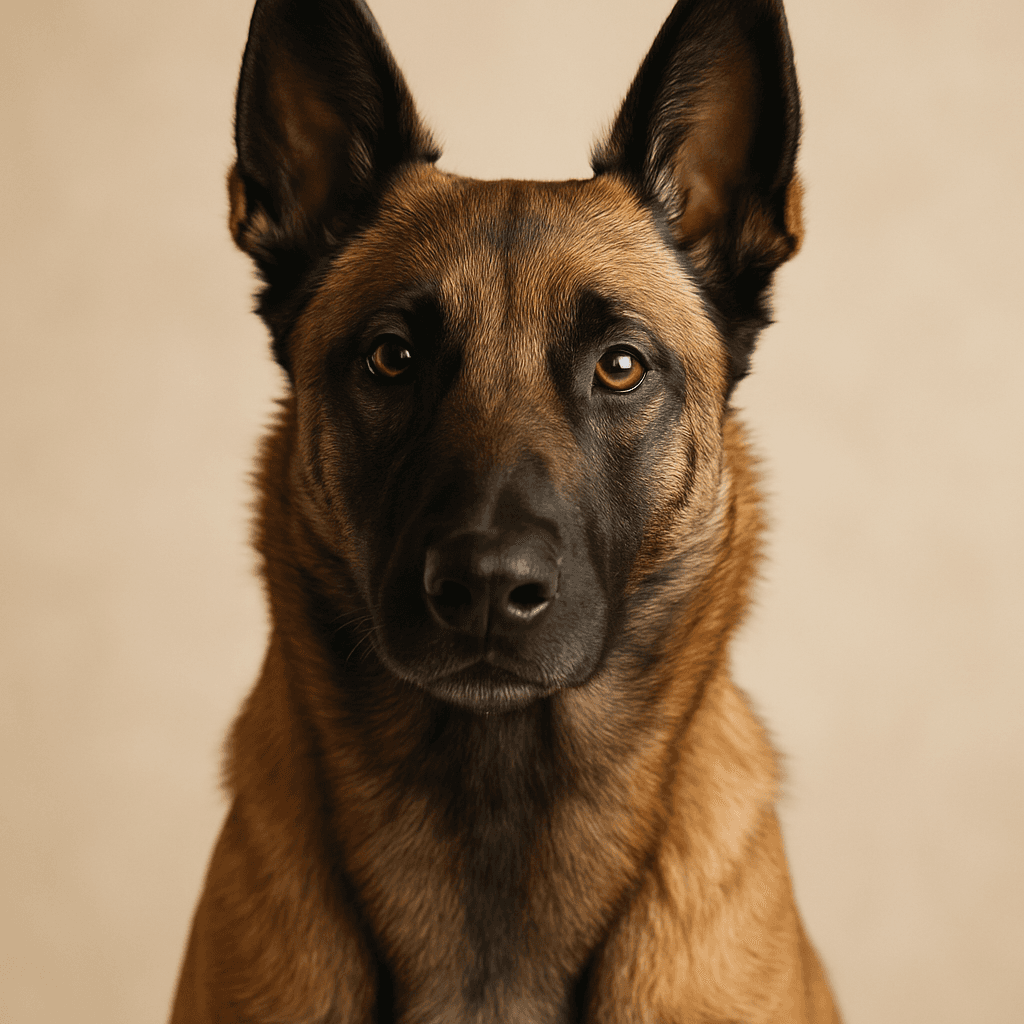
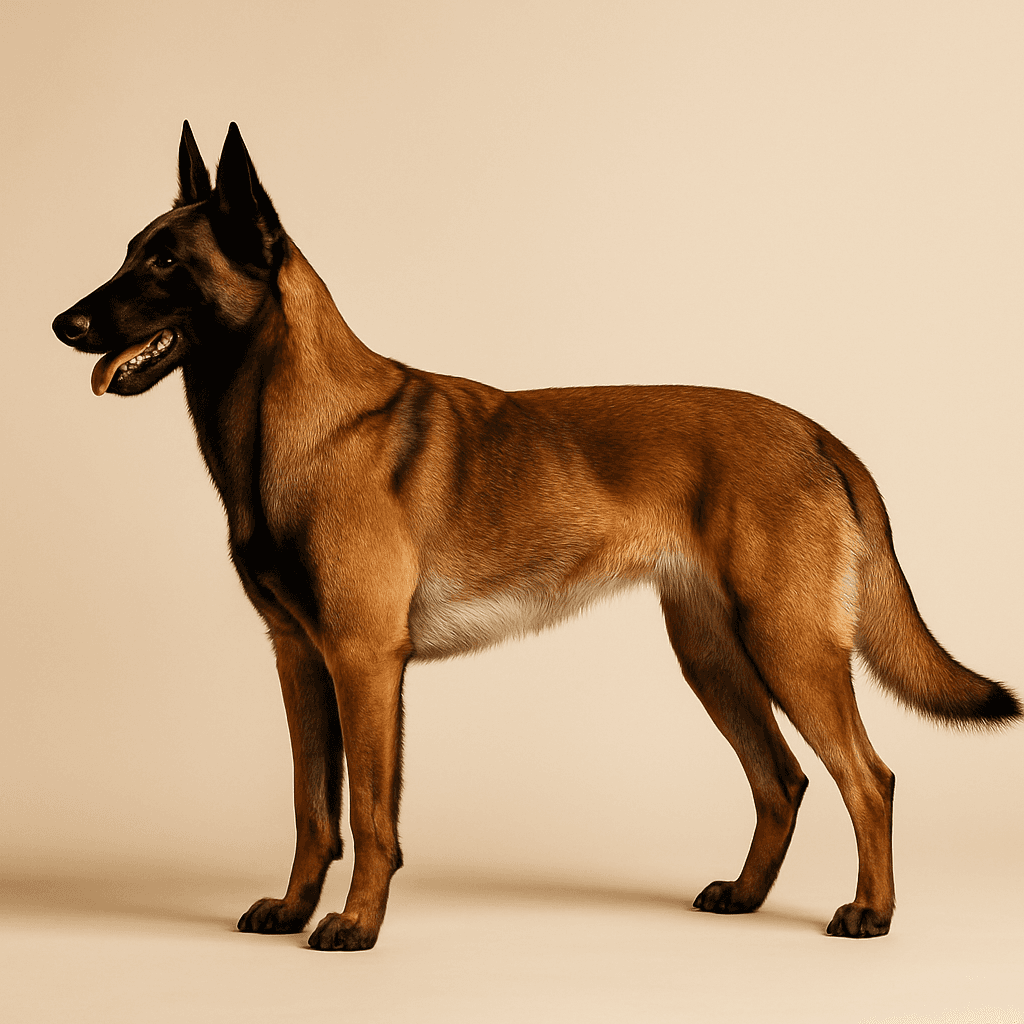
The Belgian Shepherd Dog Malinois is a short-coated, fawn to mahogany working dog with a black mask and black-tipped coat. Registered by the Kennel Club in the Working Group, it takes its name from the Belgian city of Malines. It is one of the four Belgian Shepherd varieties but has developed a separate and distinctive identity from the others over the past several decades - driven by its exceptional working performance and its adoption as the preferred breed of military and police forces around the world. The Malinois is the working dog of choice for many of the world's most demanding canine units. Special operations forces, explosive detection units, patrol police, search and rescue teams and protection services across Europe, North America and beyond work predominantly with this breed. Its combination of intelligence, physical capability, drive, adaptability and handler focus makes it arguably the most capable all-round working dog available. These are not qualities that disappear when the same dog is placed in a domestic setting. This is the most important thing for any prospective owner to understand before considering a Malinois: this is not a companion breed that happens to look impressive. It is a high-drive working animal whose instincts, energy and intensity are calibrated for serious purpose. In the wrong hands - with inadequate exercise, insufficient structure, inexperienced handling - the Malinois becomes a difficult and potentially dangerous management problem. The number of Malinois in rescue is a direct reflection of the gap between the breed's social media appeal and the reality of living with one. Exercise needs are the highest of any breed in this context. An adult Malinois requires a minimum of two hours of vigorous daily exercise, and working dogs in protection sports or police service may receive four to six hours of structured activity daily. Physical exercise alone is insufficient - the Malinois has an intellectual need for structured work, problem-solving and training challenges. Without both physical and mental stimulation at an appropriately high level, the breed's drive and energy turn inward. The breed's herding and protection instincts are powerful and persistent. Nipping, circling, intense staring, alert reactivity to movement and a strong territorial response are all natural expressions of working heritage that require experienced management from day one. Socialisation must begin from the first week in the home and continue throughout the dog's life. Training is where the Malinois is genuinely exceptional. In the right hands with positive, structured methods, the breed learns complex tasks at a speed and with a precision that is remarkable. It dominates competitive protection sports, obedience trials and working competitions globally. Grooming is the one area where the Malinois makes minimal demands. The short dense double coat requires brushing once or twice weekly. Hip and elbow scoring of both parents is the primary health recommendation. Progressive Retinal Atrophy occurs in Belgian Shepherd lines. Epilepsy has been reported. Lifespan is typically 12 to 14 years. Insurance of £40 to £80 per month. Purchase prices range from £800 to £2,000 or more for working-line dogs. Monthly running costs average £160 to £280. The Belgian Malinois is one of the most capable animals on the planet in experienced hands. It is also one of the most inappropriately kept dogs in the UK in inexperienced ones. If you are an experienced handler who understands working dogs, has the facilities, time and commitment, the Malinois is in a class of its own. The Belgian Shepherd Dog Club of Great Britain and specialist Malinois rescue networks are the appropriate first contacts for both breeder referrals and rescue enquiries.
Quick facts
Meet Our Belgian Shepherd Dog (Malinois)s
Register your dog on My Dog and it will appear here automatically.
Belgian Shepherd Dog (Malinois) Photos
No photos yet. Be the first to share yours.
Add a photoActivity Feed
How much exercise does your Belgian Malinois really need each day?
Two hours minimum, and ideally more for a dog in any kind of working or sport context. I want to be honest about this because I think the Malinois has gained a profile through films and social media that makes people underestimate how demanding the reality is. Insufficient exercise with a Malinois is not a minor problem; it genuinely makes the dog unsafe to manage. The drive and intensity in this breed is exceptional. We do protection sports and structured daily obedience work, and even with that, I am very deliberate about mental engagement alongside physical output. Schutzhund, agility, herding, tracking, all of these suit the Malinois perfectly because they use the whole dog. A Malinois that gets two hours of off-lead running but no mental engagement is still an unsatisfied dog. If you cannot meet that level of commitment every single day, this is not the right breed.
30 June 2026
Any health issues to watch for with Belgian Malinois?
Relative to some breeds the Malinois is generally healthy, but that does not mean skipping health checks. Hip and elbow scoring of both parents is recommended and you should ask to see those scores. PRA testing is available for Belgian Shepherd lines. Epilepsy has been reported and is worth asking breeders about in terms of family history. Lifespan is typically 12 to 14 years. Insurance runs around £40 to £80 per month, which is on the higher side and reflects the breed's intensity and potential for injury in working contexts. In my experience the bigger risk with a Malinois is not inherited disease but musculoskeletal injury from the high-demand work they are often put through, particularly in sport contexts. Appropriate warm-up, conditioning and not overworking a young dog whose joints are still developing are practical priorities alongside the standard hereditary health testing.
30 June 2026
What's the one thing you wish you'd known before getting a Belgian Malinois?
That this is not a companion breed in the conventional sense and there is no version of the Malinois that becomes one through enough love and cuddles. The drive, the reactivity, the intensity around strangers, the requirement for expert handling, these are not flaws to be trained out, they are the breed. I had owned working dogs before and still found the Malinois a significant step up. The bond with the dog is extraordinary and the working relationship you can build together is genuinely unlike anything else, but it demands that you understand what you are taking on. Socialisation from day one is not optional with a Malinois, it is the difference between a dog that is manageable in public and one that is not. Training must be a daily commitment for the entire life of the dog. If you are drawn to this breed, I would strongly recommend getting involved in working dog sport before you acquire one.
30 June 2026
What do you feed your Belgian Malinois, and why?
A high-quality complete food designed for active or working breeds, fed in two meals a day. Adults in regular work typically need 350 to 500 grams of dry food daily, and dogs doing intensive protection sport or bite work may sit at the upper end of that range or need a higher-protein food. I watch body condition closely because a lean, muscled dog is what you are aiming for with this breed. Not skinny, but genuinely athletic rather than padded. Two meals a day keeps energy levels more consistent and reduces bloat risk for a dog this active. Avoid feeding immediately before or after intense training sessions. Beyond choosing a quality complete food and monitoring portions carefully, the Malinois does not have complex dietary requirements. The discipline is in the consistency.
30 June 2026
Belgian Shepherd Dog (Malinois) of the Month
🏆 September 2026 -- Be the first nominee
Could be your dog.
The first dog registered in this community earns the first Dog of the Month nomination automatically.
Register your dogUpcoming Belgian Shepherd Dog (Malinois) Meetups
No meetups planned yet. Be the first to organise one.
Sign in to organise a meetupCommunity Members
Be the first to join and become the Belgian Shepherd Dog (Malinois) Founding Member.
Join Club