Be the first to join. Keep the badge forever.
The first members of this community earn permanent Founding Member status. It shows on your profile and your dog's profile for as long as you're here.
- ✓Founding Member badge on your profile
- ✓Your dog featured first
- ✓First Dog of the Month nomination
- ✓Always free
⭐ Founding Member spots open
First to join gets the badge
🐕 Be the first dog registered
Add your Lab to the community
📷 Add the first photo
Start the photo wall
8
Discussions
0 members
8 discussions
About the Bolognese
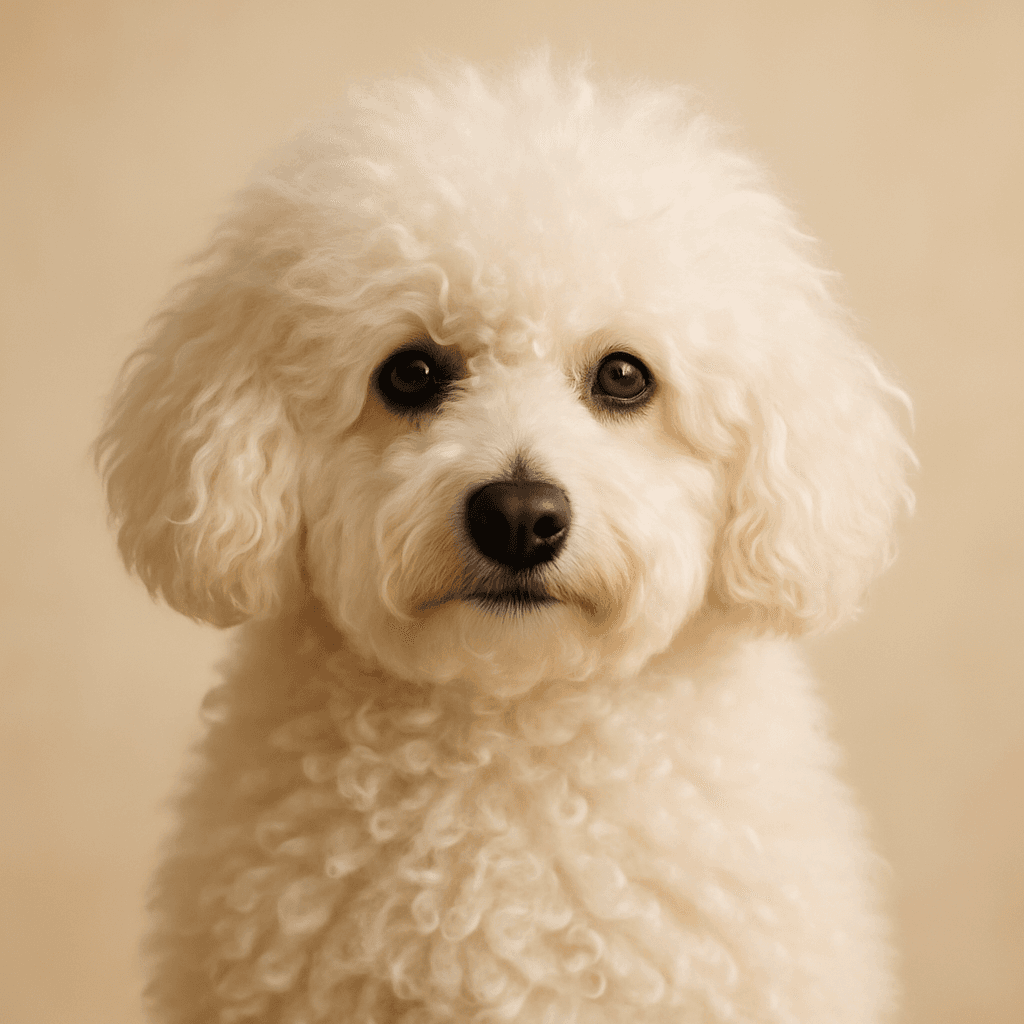
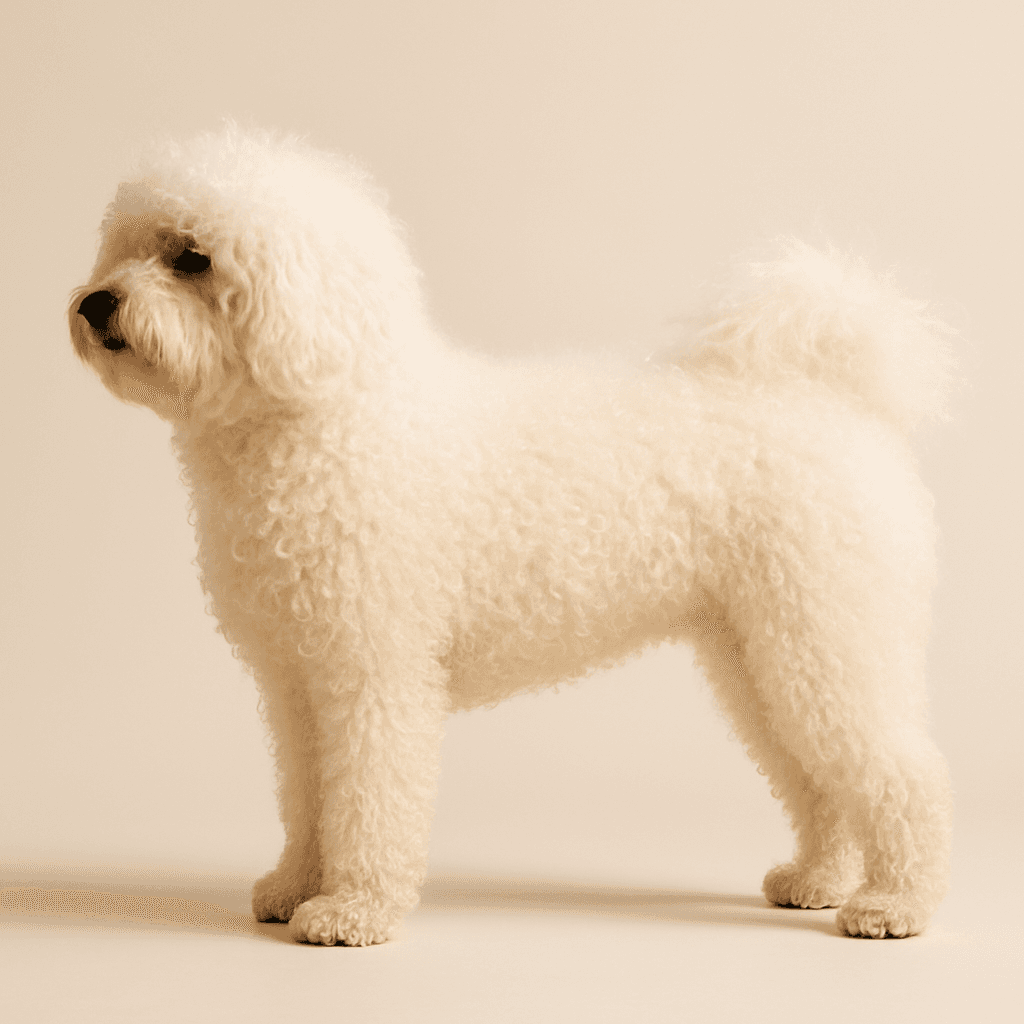
The Bolognese is a small Italian companion breed with a history stretching back to the Renaissance courts of Italy. Related to the Bichon Frise, Maltese and Havanese within the Bichon family, it was prized as a companion for Italian and Spanish nobility for centuries. Registered by the Kennel Club in the Toy Group, it remains one of the less commonly seen small companion breeds in the UK, which contributes to its appeal for owners who want something distinctive without eccentricity. The appearance is charming: a small, compact dog covered in a fluffy white coat that forms soft, loose flocks rather than curls, giving it a distinctive cloud-like texture that sets it apart from other white Bichon-type breeds. The coat does not shed in the way most breeds do, making it a practical choice for households where dog hair on furnishings is a genuine concern. The character is the Bolognese's most defining quality. This is a companion breed in the truest sense - a dog whose entire purpose and deepest satisfaction comes from being with its person. It is gentle, calm and devoted, forming an attachment to its owner that is genuine and deep. With its own family it is warm, playful and affectionate. With strangers it may be initially reserved, though it warms with time and positive experience. The attachment to its owner is also the breed's primary vulnerability. The Bolognese does not thrive when left alone for extended periods. It develops separation anxiety readily when its companionship needs are not met. Building tolerance to being alone must begin from the first weeks in the home - starting with minutes and extending gradually. Exercise needs are modest and well-suited to flat and urban living. An adult Bolognese is content with 30 to 45 minutes of gentle daily exercise. Mental stimulation through training and puzzle enrichment is valued. Grooming requires consistent attention. The fluffy white coat tangles without regular brushing and professional grooming every six to eight weeks is necessary. The area around the eyes tends to accumulate tear staining and should be cleaned daily. Health is generally good. Patellar luxation can occur. Progressive Retinal Atrophy has been reported. Dental health requires regular attention. Lifespan is typically 12 to 14 years. The breed's rarity in the UK means that finding a KC-registered breeder requires patience and research. Purchase prices typically range from £1,000 to £2,500. Insurance of £20 to £40 per month. Monthly running costs average £80 to £150. The Bolognese Club of Great Britain is the primary resource for breed information, responsible breeders and any rescue enquiries. For owners who can provide the company this breed genuinely requires and are committed to the grooming routine, the Bolognese is an outstanding and unusually devoted companion.
Quick facts
Meet Our Bologneses
Register your dog on My Dog and it will appear here automatically.
Bolognese Photos
No photos yet. Be the first to share yours.
Add a photoActivity Feed
How much exercise does your Bolognese really need each day?
About 30 minutes a day, sometimes a touch more, is genuinely sufficient for this breed. Two short walks and some garden pottering covers the physical requirement comfortably. The Bolognese is not a dog that will pace the hallway waiting for a two-hour hike, they are a true companion breed and moderate exercise suits their nature. What I prioritise alongside the physical activity is mental stimulation: short training sessions, a puzzle feeder, some nose work around the garden. That keeps mine settled and content in a way that just walking does not on its own. I was also careful not to overdo it while mine was a puppy, small breeds can sustain joint damage from excessive exercise in the first year, so I kept things gentle and built up slowly. Calm, varied and consistent is the formula that works.
30 June 2026
Any health issues to watch for with Bologneses?
The Bolognese is generally one of the healthier small breeds, which I genuinely appreciate. Patellar luxation is the main thing to be aware of, the kneecap can slip out of position, causing intermittent skipping or lameness. It is worth checking a puppy's parents have been assessed, and I mention it to my vet at routine appointments. Eye conditions including PRA have been reported in the breed, so I asked the breeder about eye testing when I bought my dog and I watch for any changes in vision or eye appearance. Dental health is the other ongoing consideration. Small breeds often have overcrowded teeth and the Bolognese is no exception, I clean mine's teeth three times a week and have them checked professionally at every annual exam. At £20 to £40 a month for insurance, they are not expensive to cover, which is one of the advantages of this breed.
30 June 2026
What's the one thing you wish you'd known before getting a Bolognese?
I underestimated how much work is needed early on to prevent separation anxiety. The Bolognese is a companion breed in the most literal sense, deeply devoted, strongly bonded, genuinely distressed by absence if they have not been taught that time alone is safe. I wish I had been more structured from day one about building independence gradually: very short absences at first, always returning calmly, never making departures a big emotional event. Instead, I let mine follow me everywhere for the first few weeks because it felt natural and kind, and I created a dog that found being alone genuinely distressing. It took real effort to unpick that. The sensitivity is real and lovely in a companion, but it requires you to think ahead about the habits you are establishing right from the start. Do the independence training even when it feels unnecessary. It absolutely is necessary.
30 June 2026
What do you feed your Bolognese, and why?
I feed a high-quality small-breed complete dry food, around 130g a day split across two small meals. The small-breed formulation matters because kibble size and calorie density are both calibrated for smaller dogs. The Bolognese is genuinely food-motivated, which is wonderful for training but means you have to stay disciplined about portions and treats. I found mine put weight on quietly, the coat hides a lot, so I now weigh food rather than measure by eye and I count treat calories within the daily total. Two meals rather than one sitting also suits the breed temperament; they are not gulpers, but the routine of two meals keeps energy levels steadier. Fresh water is always down. I avoid anything with excess fillers or artificial additives, though honestly the dental benefits of a good dry kibble are part of the reason I have not moved to wet food.
30 June 2026
Bolognese of the Month
🏆 September 2026 -- Be the first nominee
Could be your dog.
The first dog registered in this community earns the first Dog of the Month nomination automatically.
Register your dogUpcoming Bolognese Meetups
No meetups planned yet. Be the first to organise one.
Sign in to organise a meetupCommunity Members
Be the first to join and become the Bolognese Founding Member.
Join Club