
Be the first to join. Keep the badge forever.
The first members of this community earn permanent Founding Member status. It shows on your profile and your dog's profile for as long as you're here.
- ✓Founding Member badge on your profile
- ✓Your dog featured first
- ✓First Dog of the Month nomination
- ✓Always free
⭐ Founding Member spots open
First to join gets the badge
🐕 Be the first dog registered
Add your Lab to the community
📷 Add the first photo
Start the photo wall
8
Discussions
0 members
8 discussions
About the Bullmastiff
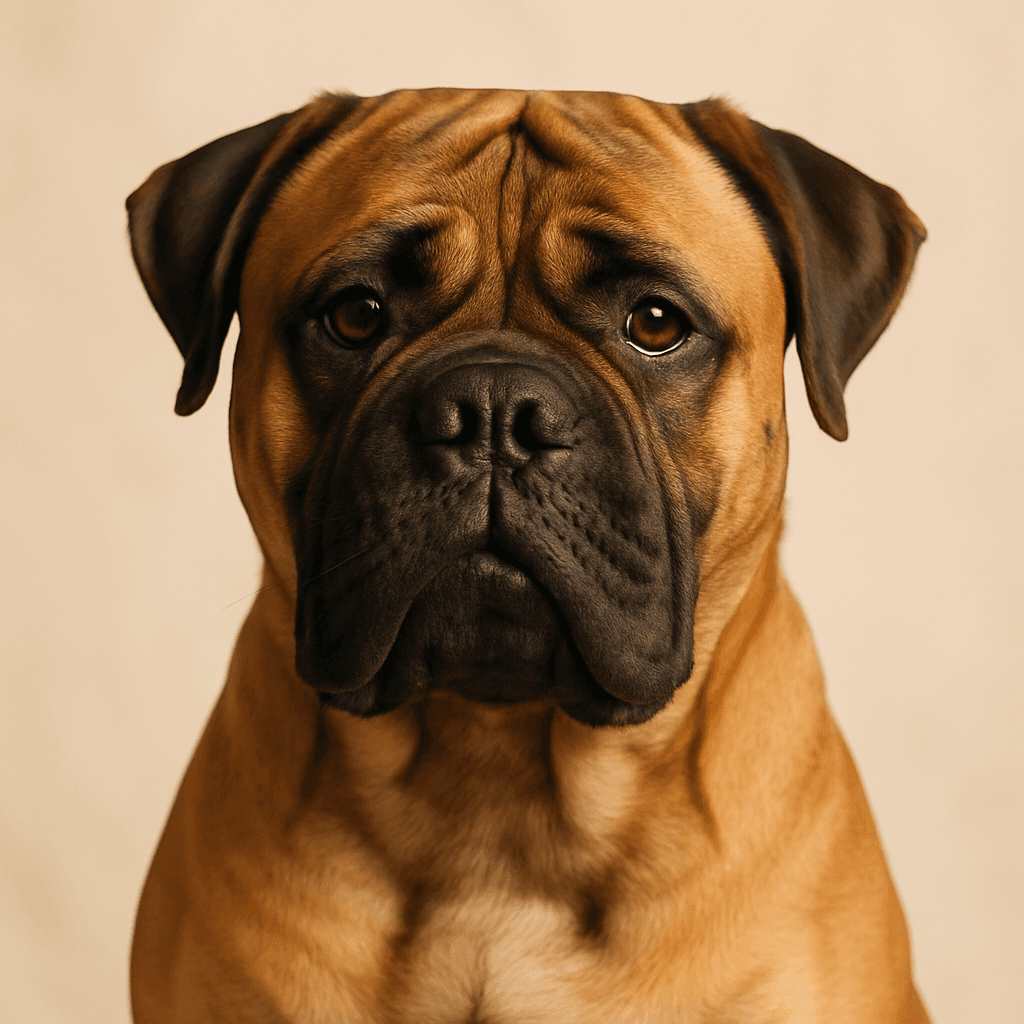
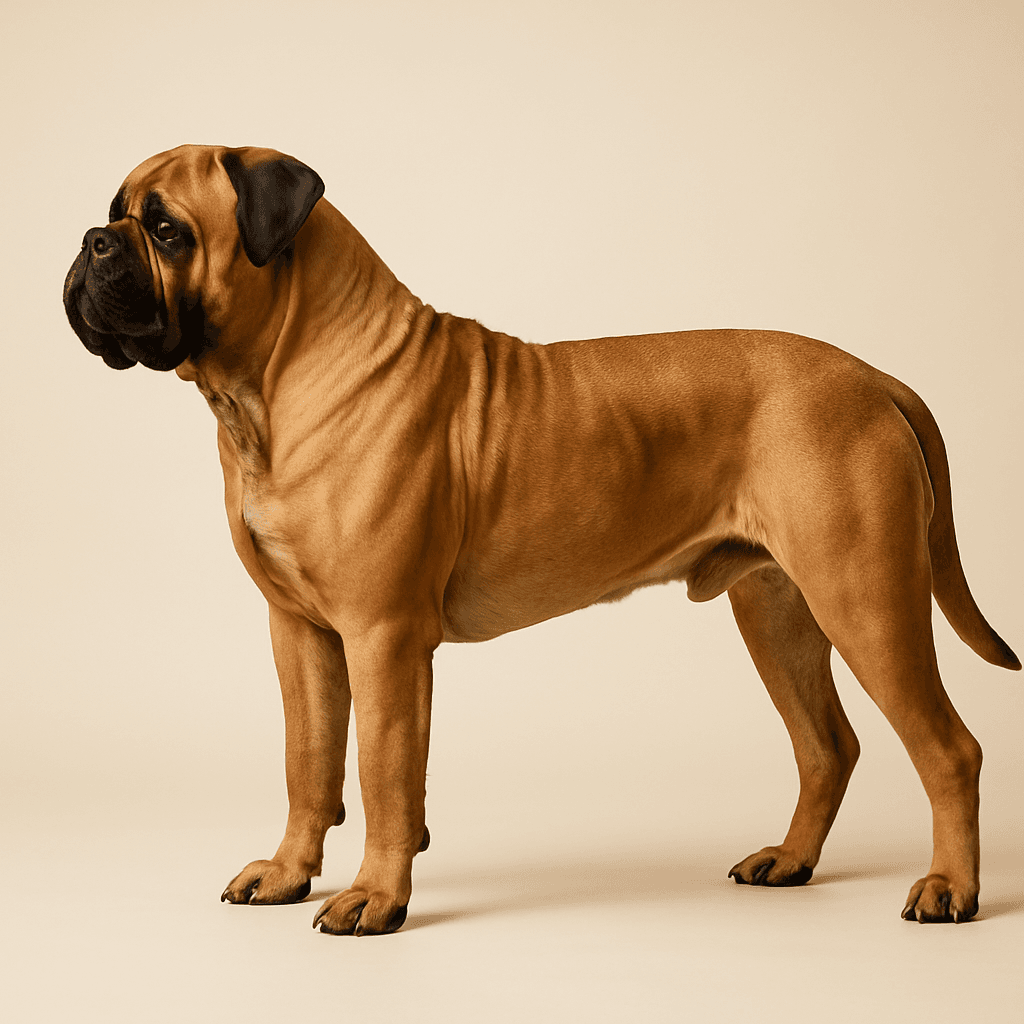
The Bullmastiff is a large, powerful British working breed developed in the nineteenth century by English gamekeepers crossing the Mastiff with the Bulldog. The purpose was specific: to produce a dog with the size and power of the Mastiff and the tenacity and speed of the Bulldog, capable of silently tracking and pinning poachers without mauling them, until the gamekeeper arrived. The result was a breed of considerable physical capability, natural protective instinct and, in the right hands, outstanding temperament. Registered by the Kennel Club in the Working Group, it remains one of the most purposefully designed guardian breeds in existence. In appearance the Bullmastiff is immediately imposing: a large, square-built dog with a broad, wrinkled head, a short muzzle, a short dense coat in fawn, red or brindle, and a muscular, substantial body that conveys both power and restraint. Adult males typically weigh 50 to 59 kilograms. The combination of size and guardian heritage makes this a breed that requires the full commitment of an experienced, confident owner from day one. With its family, the Bullmastiff is typically excellent: calm, loyal, affectionate and patient. It bonds deeply with the people it lives with, is generally good with children in the household and has the steady, unhurried temperament that makes it a genuinely pleasant domestic companion. The natural guardian instinct means it is watchful without being hyperactive, and the breed's characteristic "silent watchdog" quality - alert without excessive barking - is valued by many owners. With strangers the Bullmastiff is reserved. With perceived threats to its household it is prepared to act, and its physical capability means that action is significant. This is precisely what the breed was developed to do, and it cannot be managed away with simple commands. The management response is thorough early socialisation that builds a Bullmastiff capable of distinguishing between genuine threats and ordinary social situations, combined with confident, consistent leadership throughout the dog's life. Socialisation from puppyhood is the most critical investment in a Bullmastiff's safety and manageability. Broad, positive exposure to different people, animals, environments and situations must begin in the first weeks at home and continue consistently. Gaps in socialisation in a dog of this size and physical capability have consequences that are difficult to reverse. Exercise requirements are moderate compared to many large breeds. An adult Bullmastiff needs one to 1.5 hours of daily exercise. It is not a high-endurance breed and does not need sustained vigorous activity. What it does need is the mental engagement of consistent training, which also reinforces the owner's leadership position. High-impact exercise - jumping, intense off-lead running - should be restricted during the growth phase to protect developing joints. Grooming is minimal given the short coat. The skin folds around the face and muzzle, however, require regular cleaning and drying to prevent bacterial and yeast infection. Drool is a daily management reality. Hip and elbow dysplasia are the primary orthopaedic concerns and both parents must be hip and elbow scored before breeding. Bloat is a serious risk in this deep-chested breed. Cancer rates in the Bullmastiff are elevated above the average for large breeds. Subaortic stenosis and other cardiac conditions have been reported. Cystinuria - a hereditary condition causing urinary stones - has a DNA test available and breeding stock should be tested. Lifespan is typically 7 to 10 years, which is short even by large breed standards and reflects the breed's genuine health challenges. Purchase prices range from £1,000 to £2,500. Insurance of £60 to £120 per month reflects an elevated health risk profile. Monthly running costs average £230 to £400. The Bullmastiff Association is the primary UK resource for breed information, health testing requirements, responsible breeders and rescue contact.
Quick facts
Meet Our Bullmastiffs
Register your dog on My Dog and it will appear here automatically.
Bullmastiff Photos
No photos yet. Be the first to share yours.
Add a photoActivity Feed
How much exercise does your Bullmastiff really need each day?
Around one to one and a half hours of moderate exercise daily, and moderate is the right word. This is not a high-endurance breed despite the size and physical presence. My Bullmastiff is happy with a solid walk or two rather than sustained running, and I deliberately avoid intense exercise in warm weather because the heat tolerance is limited. The puppy period required real self-discipline on my part. Large breed puppies need protected growth phases and I resisted the temptation to over-exercise him when he was young, which means his joints have remained sound. Mental stimulation through training and obedience work is as important as the physical component for this breed, a Bullmastiff that has been physically exercised but not mentally engaged can become restless at home. He is calm and settled when his needs are properly met, which is one of the great qualities of the breed.
30 June 2026
Any health issues to watch for with Bullmastiffs?
Hip and elbow dysplasia are the conditions to verify first, both parents must have KC/BVA hip and elbow scoring done, and I would not consider a puppy without those scores being shared upfront. Bloat is a serious risk in a deep-chested breed of this size. I feed twice daily and never exercise him within an hour either side of meals, these habits reduce risk and they need to be maintained consistently. Cancer rates are elevated in the breed and owners should be vigilant about any unusual lumps or changes. Cardiac conditions including subaortic stenosis have been reported, and Cystinuria DNA testing is available and worth confirming on the parents. The lifespan of seven to ten years is shorter than many breeds and that is a reality worth accepting before committing. Budget £60 to £120 monthly for comprehensive lifetime insurance, with a dog this size, vet bills are correspondingly scaled.
30 June 2026
What's the one thing you wish you'd known before getting a Bullmastiff?
How much the early puppy training determines everything that follows. I knew this was a large, strong dog with a genuine protective instinct and that training mattered. What I did not fully appreciate is how little margin for error exists with a dog that will reach 50 to 60kg and has the Bullmastiff's natural authority. The breed responds to an owner it genuinely respects, calm, consistent and clear, and it reads inconsistency or nervousness immediately. Puppy training classes were non-negotiable for us and they were the best investment I made. The reserved-with-strangers temperament also needed careful management through socialisation in those early weeks. Not aggressive, but watchful and protective in a way that needs to be shaped through proper exposure rather than left to develop on its own terms. An experienced owner who invests in training from day one gets an extraordinary dog. Skip that foundation and you have a serious management challenge.
30 June 2026
What do you feed your Bullmastiff, and why?
I use a large breed complete dry food split across two meals morning and evening. His daily intake is around 500 to 700g measured carefully. The two-meal split is non-negotiable for a deep-chested giant breed, bloat is a real and potentially fatal condition and one large daily meal is a risk I see no reason to take when splitting it is straightforward. Obesity in a dog of this size puts extreme load on joints that are already managing significant body weight, so I keep him lean and check his condition regularly. During the puppy phase I used a large breed puppy formula specifically to manage growth rate, rushing skeletal development in a large breed creates joint problems that emerge later. Rapid eating increases bloat risk, so I use a slow feeder bowl. Fresh water is always available and he gets nothing within an hour either side of meals to reduce GDV risk.
30 June 2026
Bullmastiff of the Month
🏆 September 2026 -- Be the first nominee
Could be your dog.
The first dog registered in this community earns the first Dog of the Month nomination automatically.
Register your dogUpcoming Bullmastiff Meetups
No meetups planned yet. Be the first to organise one.
Sign in to organise a meetupCommunity Members
Be the first to join and become the Bullmastiff Founding Member.
Join Club