

Be the first to join. Keep the badge forever.
The first members of this community earn permanent Founding Member status. It shows on your profile and your dog's profile for as long as you're here.
- ✓Founding Member badge on your profile
- ✓Your dog featured first
- ✓First Dog of the Month nomination
- ✓Always free
⭐ Founding Member spots open
First to join gets the badge
🐕 Be the first dog registered
Add your Lab to the community
📷 Add the first photo
Start the photo wall
8
Discussions
0 members
8 discussions
About the Cairn Terrier
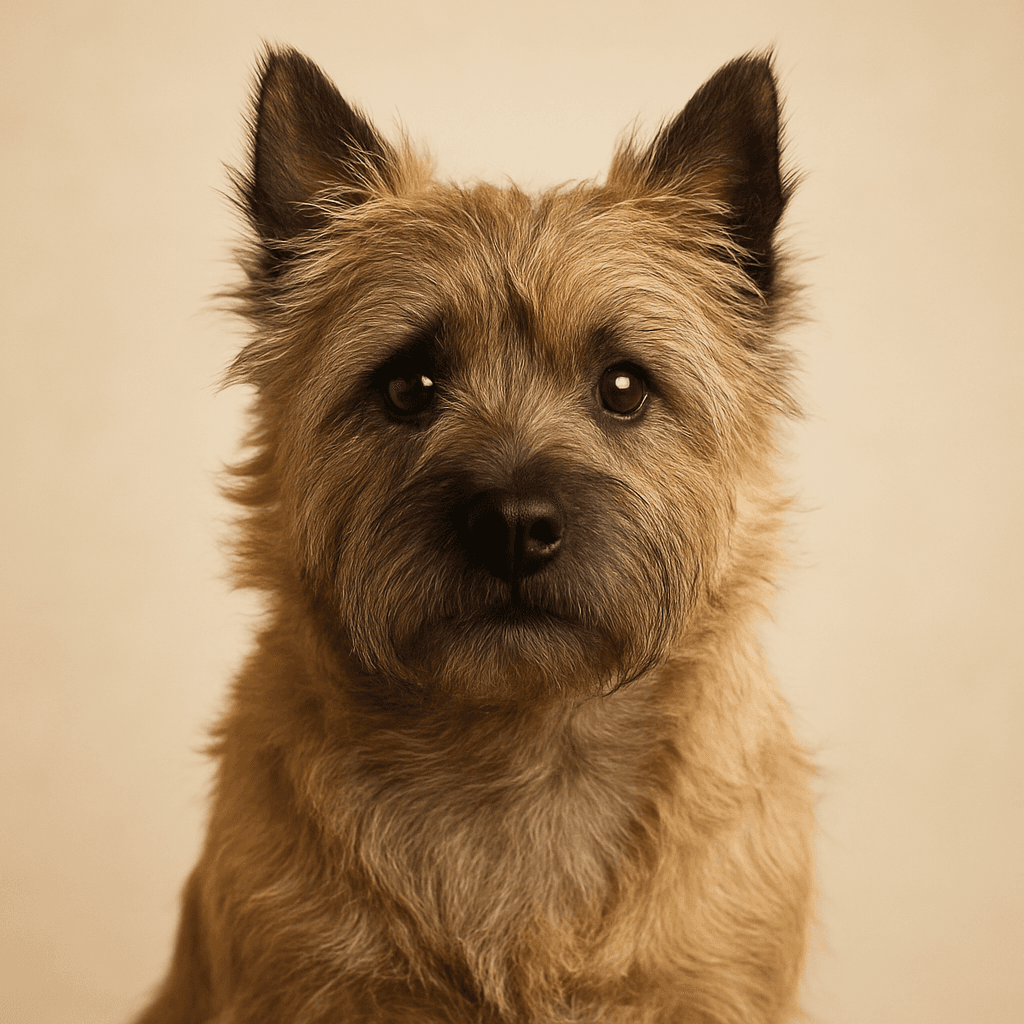
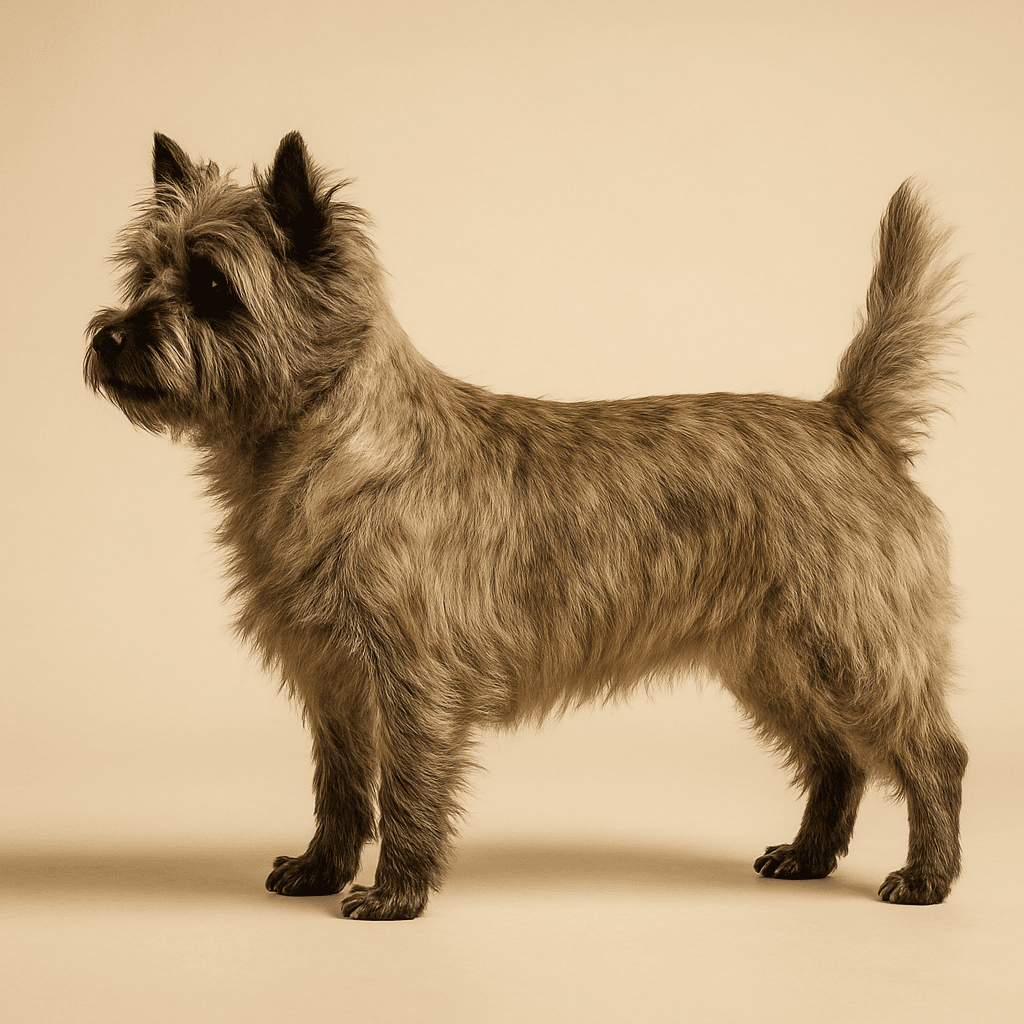
The Cairn Terrier is one of Scotland's oldest working terrier breeds, developed in the Scottish Highlands and the Isle of Skye to hunt prey between the rocky cairns - piles of stones - that dot the Highland landscape. Small, hardy and determined, it was bred to go to ground after fox, otter and other quarry in terrain that would defeat larger dogs. Registered by the Kennel Club in the Terrier Group, the Cairn has maintained the physical and mental characteristics of its working origins while becoming one of the most popular family terriers in the UK. The breed is perhaps best known internationally as the model for Toto in the 1939 film The Wizard of Oz, a piece of cultural history that has done nothing to diminish its appeal and everything to fix its image as a game, characterful small dog. The Cairn Terrier's appearance is working-breed practical: a small, compact body, a short broad head, erect ears and a harsh weather-resistant double coat that comes in cream, wheaten, red, sandy, grey or brindle. The coat naturally sheds dirt and the wiry texture provides protection in wet Scottish conditions. It is not a glamorous breed in the showring sense, but it is honest and purposeful in its presentation. The character is quintessentially terrier: alert, bold, curious and confident. The Cairn does not suffer from the timidity that affects some small breeds, nor from the aggression that affects others. It is typically friendly with people and sociable with other dogs when properly socialised. Within the house it is a pleasant, adaptable companion that fits family life well and is good with children who respect it. The working heritage creates specific management considerations. The prey drive is real and active. A Cairn that encounters a cat, rabbit or squirrel is going to give chase, and the determination that made it effective in the field makes it persistent in pursuit. A secure garden is non-negotiable, and recall in open areas with potential prey must be thoroughly trained. Small household pets including cats are at risk without careful introduction and ongoing management. Exercise needs are moderate by terrier standards. An adult Cairn needs 45 to 60 minutes of vigorous daily activity. It genuinely enjoys off-lead exploration and investigation - sniffing and investigating the environment is as important to the Cairn as the physical movement. Scent work, earthdog activities and terrier-specific sports tap into the breed's working instincts in controlled settings. Training requires patience with the independent terrier mentality. The Cairn is intelligent and learns quickly, but it will assess the value of commands and act on its own judgement when the calculation comes out in favour of something more interesting. Consistent, positive training from puppyhood establishes the cooperation that makes adult ownership straightforward. Grooming the wiry double coat is the primary maintenance commitment. Hand-stripping two to three times yearly maintains the correct harsh texture and natural colour. Clipping softens the coat over successive trims and is acceptable for companion dogs not shown. Regular brushing between stripping sessions prevents tangles. Globoid Cell Leukodystrophy, also called Krabbe disease, is a breed-specific neurological condition with a DNA test available. Both parents should be tested. Ocular Melanosis - a progressive eye condition - can occur in the breed. Lifespan is typically 13 to 15 years, which is among the better longevity profiles of any terrier breed. Purchase prices from KC-registered breeders range from £800 to £1,200. Monthly running costs average £80 to £150, making the Cairn one of the more economical terriers to maintain. Insurance of £20 to £40 per month reflects a generally healthy profile. The Cairn Terrier Club is the primary resource for breed information, responsible breeders and rescue contact.
Quick facts
Meet Our Cairn Terriers
Register your dog on My Dog and it will appear here automatically.
Cairn Terrier Photos
No photos yet. Be the first to share yours.
Add a photoActivity Feed
What do you feed your Cairn Terrier, and why?
A high-quality small breed complete dry food measured across two meals daily. His intake is around 170 to 200g per day, which sounds very little but Cairns can gain weight more easily than you would expect given the energy they project. I weigh portions rather than estimating because a few extra grams per meal accumulates quickly on a small dog. Body condition checks every couple of weeks tell me whether the amount is right, he should have a visible waist and ribs that are easily felt but not seen. Table scraps are something I avoid entirely, partly because they add unaccounted calories and partly because it produces exactly the kind of persistent begging behaviour that terriers excel at once they know it works. Fresh water is always available. Treats go toward the daily total rather than on top of it, which keeps the portion maths honest.
30 June 2026
How much exercise does your Cairn Terrier really need each day?
Around 45 to 60 minutes daily, and two shorter walks work better than one long one in my experience. Mine loves to explore, sniff and investigate everything at ground level, he treats every walk as a field research expedition rather than exercise in any conventional sense. The sniffing and problem-solving that happens on a walk is mentally as well as physically tiring for him, which is part of why shorter but richer outings suit the breed well. Recall around small animals is not something I entirely trust, so I use secure enclosed areas for proper off-lead running and keep him on a long line in open spaces where rabbits or squirrels might appear. Mental stimulation through games, training and scent work fills the gaps between walks and a Cairn that is mentally engaged is noticeably calmer indoors than one that has only had physical exercise.
30 June 2026
Any health issues to watch for with Cairn Terriers?
The Cairn is generally one of the healthier breeds, which is part of its appeal. The condition to know about before buying is Globoid Cell Leukodystrophy, also called Krabbe disease, a serious neurological condition with a DNA test available. I confirmed that both parents had been tested clear before I put a deposit down, and that is the single most important question to ask any Cairn breeder. Craniomandibular Osteopathy can affect some puppies and is worth asking about in the line's history. Skin allergies are seen in the breed in practice, mine has mild seasonal sensitivities that we manage without medication most of the year. Dental disease is worth keeping on top of through regular brushing, because terriers can be prone to it. Luxating patella can occur and is worth a vet check in the early months. Lifespan of 13 to 15 years is genuinely excellent.
30 June 2026
What's the one thing you wish you'd known before getting a Cairn Terrier?
That independent does not mean untrainable, it means the training needs to be done on the dog's terms as much as yours. My Cairn is sharp and learns quickly, but if he has decided a training session is dull or the rewards are not worth the effort, he will just wander off. Short sessions with genuinely high-value rewards, real chicken or cheese rather than a dry biscuit, keep him engaged in a way that longer sessions with ordinary treats simply do not. The boundary-testing is also persistent rather than occasional. Inconsistency is immediately noticed and filed away. I found that clear, predictable rules applied without exception produced a much more settled dog than a flexible approach ever did. The prey drive caught me off guard in the early months, the switch flips very fast when he sees something small move, and recall in that moment is simply not available. Secure areas for off-lead exercise are essential.
30 June 2026
Cairn Terrier of the Month
🏆 September 2026 -- Be the first nominee
Could be your dog.
The first dog registered in this community earns the first Dog of the Month nomination automatically.
Register your dogUpcoming Cairn Terrier Meetups
No meetups planned yet. Be the first to organise one.
Sign in to organise a meetupCommunity Members
Be the first to join and become the Cairn Terrier Founding Member.
Join Club