Be the first to join. Keep the badge forever.
The first members of this community earn permanent Founding Member status. It shows on your profile and your dog's profile for as long as you're here.
- ✓Founding Member badge on your profile
- ✓Your dog featured first
- ✓First Dog of the Month nomination
- ✓Always free
⭐ Founding Member spots open
First to join gets the badge
🐕 Be the first dog registered
Add your Lab to the community
📷 Add the first photo
Start the photo wall
8
Discussions
0 members
8 discussions
About the Central Asian Shepherd Dog
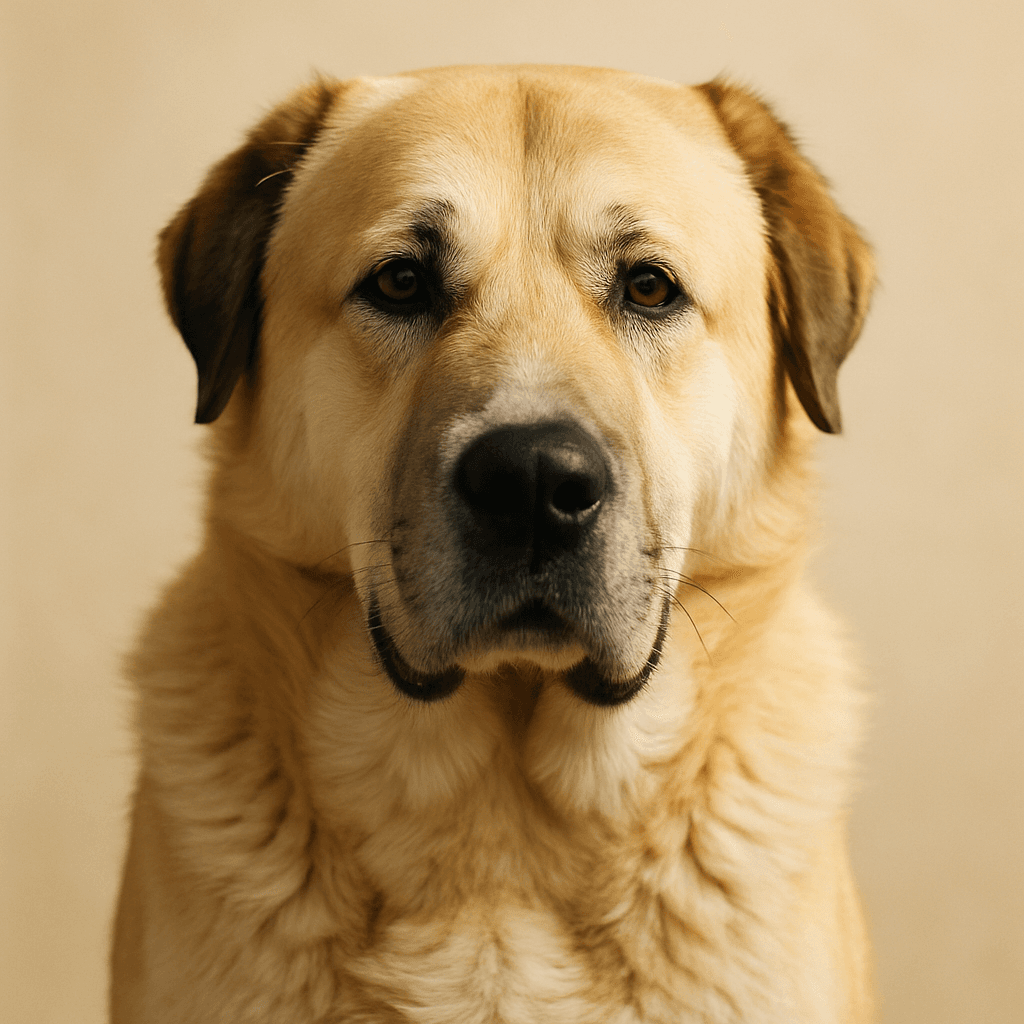
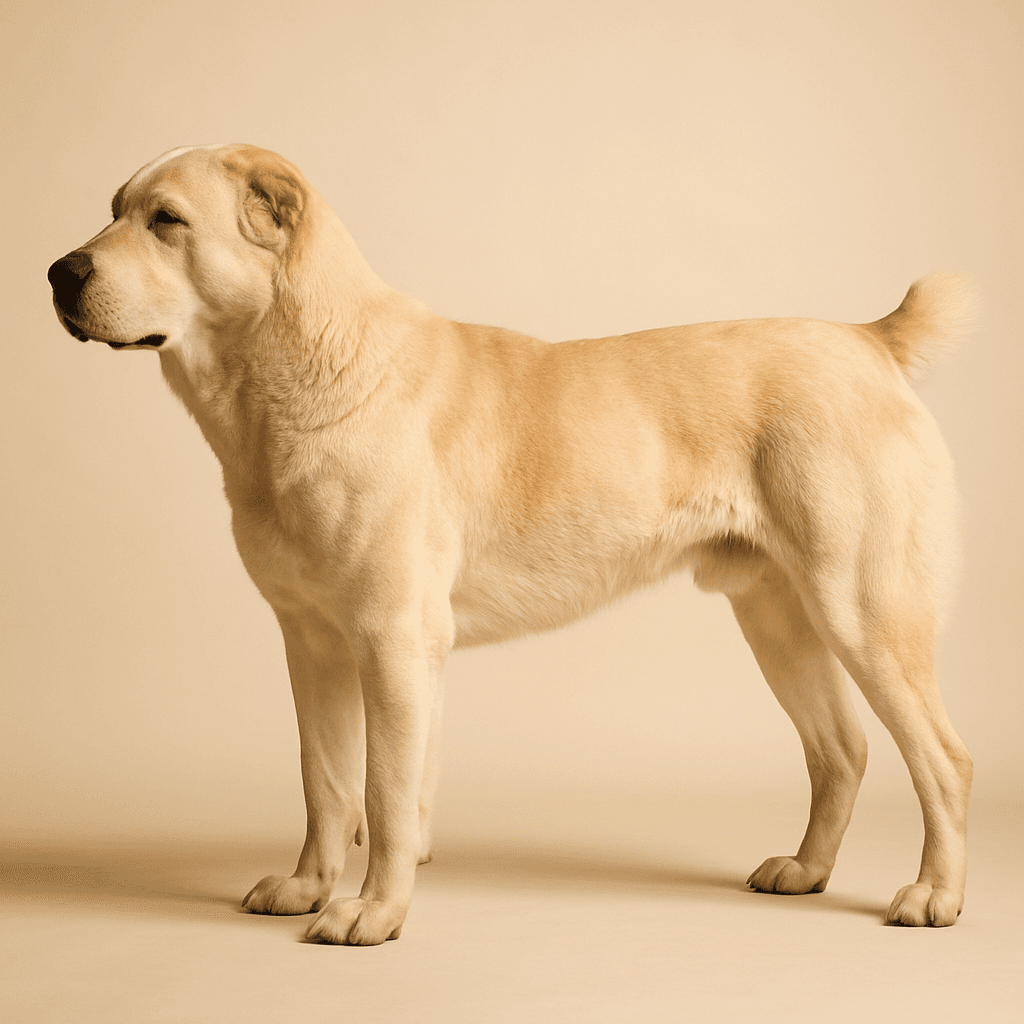
The Central Asian Shepherd Dog, known in its native regions as the Alabai, Tobet, Volkodav or by numerous other local names, is one of the oldest dog breeds in existence. Developed across the vast Eurasian steppe and surrounding mountain regions over thousands of years as a guardian of livestock and settlements against wolves, bears and other predators, it is a massive, ancient landrace breed that has been shaped by natural selection and traditional pastoral culture rather than modern kennel club breeding programmes. Registered by the Kennel Club in the Working Group, it is rare in the UK and requires ownership conditions that most households cannot realistically provide. The Central Asian Shepherd Dog's territory of origin spans an enormous area encompassing modern Russia, Kazakhstan, Uzbekistan, Turkmenistan, Afghanistan, Iran and adjacent regions. This geographic spread has produced considerable variation in size, coat and build between regional types, but the essential character is consistent: a large, powerful, independent dog that was bred to make life-and-death decisions about threats to its flock without human oversight. In appearance it is a giant breed, with males typically weighing 50 to 80 kilograms or more, a broad, massive head, and a dense double coat that comes in a range of colours including white, black, grey, fawn and brindle. The overall impression is of physical substance combined with watchful intelligence. The character is the defining challenge of Central Asian Shepherd Dog ownership. This is a breed that has not been selected for biddability, compliance or social ease with strangers. It has been selected for independent protective judgement, extreme courage in confrontation with large predators, and total commitment to the safety of what it has decided is its family and territory. These qualities are not training outcomes; they are genetic constants. Managing a dog with these qualities in a domestic or semi-domestic setting requires an owner who genuinely understands the breed's psychology and has the experience, confidence and commitment to provide the intensive, lifelong socialisation and management that makes the difference between a stable, functional guardian and a genuinely dangerous animal. The Central Asian Shepherd Dog's relationships with strangers are categorically different from breeds developed for social ease. Even in a well-socialised individual, strangers represent a category of entity to be assessed and monitored rather than welcomed. Any breach of what the dog has defined as its territory perimeter will be met with a response that reflects its size and capability. Exercise requirements are moderate. The breed was developed for sustained vigilance rather than high-speed athletic work. An adult needs one to 1.5 hours of daily activity. The thick coat makes heat management important. Hip and elbow dysplasia can occur and health screening of parents is recommended. Bloat is a serious risk in this deep-chested giant breed. Despite the extreme size, the breed's ancient landrace genetic diversity provides a somewhat more robust health profile than many modern purpose-bred giant breeds. Lifespan is typically 12 to 15 years. Purchase prices range from £1,500 to £3,000. Insurance of £70 to £150 or more per month, and some insurers restrict or exclude coverage. Monthly running costs average £280 to £500. Verification of insurance availability before purchase is essential.
Quick facts
Meet Our Central Asian Shepherd Dogs
Register your dog on My Dog and it will appear here automatically.
Central Asian Shepherd Dog Photos
No photos yet. Be the first to share yours.
Add a photoActivity Feed
How much exercise does your Central Asian Shepherd Dog really need each day?
Around 60 to 75 minutes daily, but the nature of that exercise matters enormously. The Central Asian Shepherd was not bred to run distances, it was bred to guard and patrol territory. What my dog needs is purposeful activity in space he can genuinely survey and move through, not a treadmill-style march around the block. I do two structured on-lead walks daily in public and give him access to a large securely fenced area at home where he patrols with evident purpose. That patrolling counts as meaningful activity for this breed in a way that it simply would not for a retriever. What I cannot do is give him off-lead freedom in mixed public spaces. A dog of this size, temperament and instinct must be on lead in public until you are completely confident in his reliability around strangers. Space at home is non-negotiable for this breed.
30 June 2026
Any health issues to watch for with Central Asian Shepherd Dogs?
Hip and elbow dysplasia are the primary structural concerns, and in a dog of this size, joint problems when they occur are genuinely debilitating. I would not buy from any breeder unable to provide hip and elbow evaluation results on both parents. Bloat (GDV) is a serious risk in any deep-chested giant breed. I feed two meals a day rather than one, use a slow feeder bowl, and avoid exercising him for at least an hour after eating. The signs to know are unproductive retching, a distended abdomen and sudden acute restlessness. If you see those, it is an emergency vet call without waiting. The breed is generally considered hardy given its ancient working origins, but the sheer structural load of the giant body creates inevitable challenges. Obesity is particularly damaging in this breed. Keep the dog lean and get good lifetime insurance in place from day one.
30 June 2026
What do you wish you'd known before getting a Central Asian Shepherd Dog?
The depth of the independence and what it actually demands of you as an owner. This is an ancient breed shaped over millennia to make autonomous guardian decisions without human direction. That is not stubbornness in the sense that a teenager is stubborn. It is genuine autonomous capability, and it does not yield easily to conventional training approaches. Professional help from puppyhood is not a nice-to-have, it is essential. I engaged a professional trainer with specific experience in livestock guardian and primitive breeds, and it made an enormous difference to how I understood what I was working with. Socialisation is also an absolute priority from the very first day. The window is narrow and the stakes are high. A poorly socialised adult Central Asian Shepherd Dog is a very serious situation. Everything depends on the foundation laid in those first months.
30 June 2026
What do you feed your Central Asian Shepherd Dog, and why?
I feed a large to giant breed complete dry food, split into two meals every day without exception. My dog gets around 800g daily, adjusted for body condition and season. Two meals reduces the bloat risk in a breed this size and chest depth, and I use a slow feeder bowl to stop him eating too fast. I avoid exercise for at least an hour after feeding and never feed immediately before a walk. Monitoring body condition in a heavily coated giant breed requires running your hands through the coat rather than assessing visually. You should feel the ribs clearly. Obesity in a dog of this size and weight puts catastrophic strain on the joints. I would rather keep him slightly on the lean side than err toward generous feeding. Fresh water is always available in a large, stable bowl that he cannot easily knock over. Quality of food is worth investing in for a breed expected to live 12 to 15 years.
30 June 2026
Central Asian Shepherd Dog of the Month
🏆 September 2026 -- Be the first nominee
Could be your dog.
The first dog registered in this community earns the first Dog of the Month nomination automatically.
Register your dogUpcoming Central Asian Shepherd Dog Meetups
No meetups planned yet. Be the first to organise one.
Sign in to organise a meetupCommunity Members
Be the first to join and become the Central Asian Shepherd Dog Founding Member.
Join Club