
Be the first to join. Keep the badge forever.
The first members of this community earn permanent Founding Member status. It shows on your profile and your dog's profile for as long as you're here.
- ✓Founding Member badge on your profile
- ✓Your dog featured first
- ✓First Dog of the Month nomination
- ✓Always free
⭐ Founding Member spots open
First to join gets the badge
🐕 Be the first dog registered
Add your Lab to the community
📷 Add the first photo
Start the photo wall
8
Discussions
0 members
8 discussions
About the Chipoo
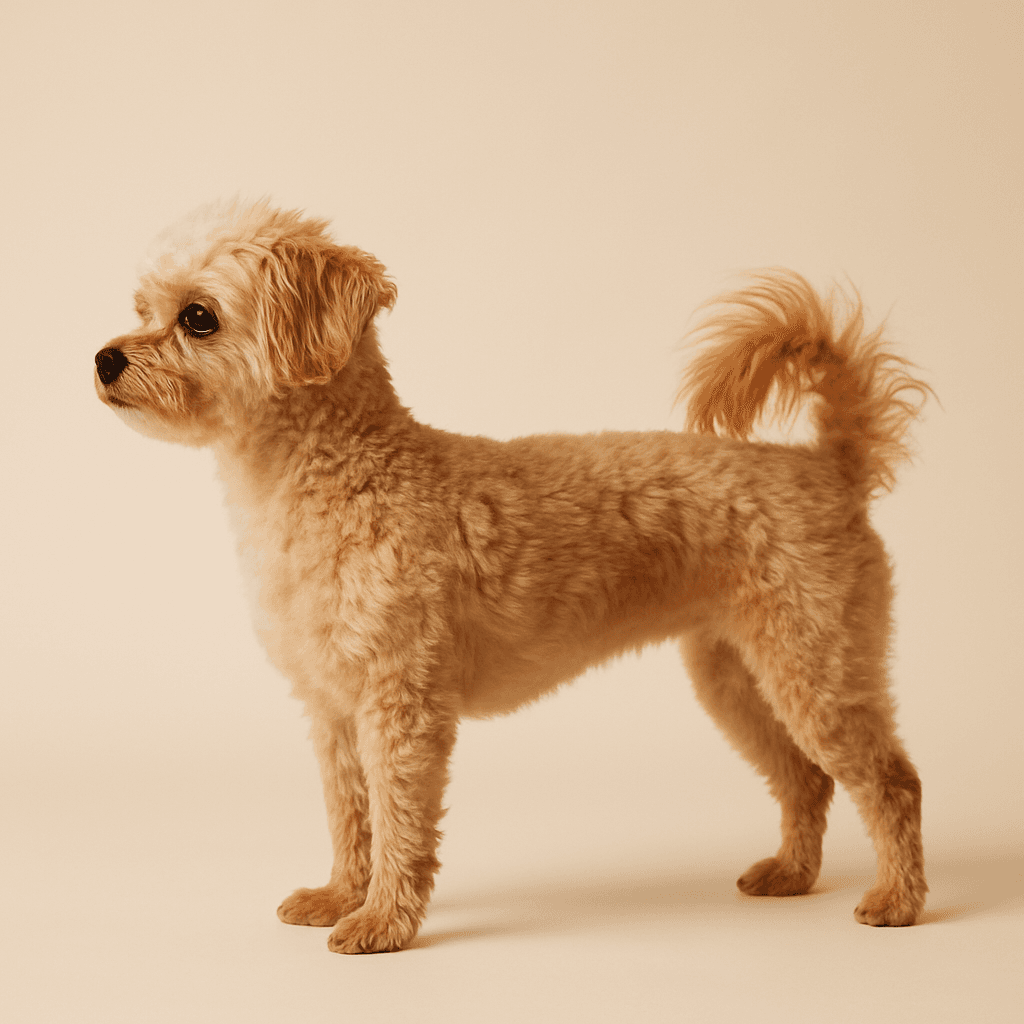
The Chipoo - also known as the Chi-Poo, Poochi or Choodle - is a small crossbreed combining the Chihuahua and the Poodle. It is not a recognised breed and is not registered with the Kennel Club. Like all crossbreeds, it is variable in appearance, temperament and health depending on the characteristics inherited from each parent, and puppies within the same litter may differ significantly from one another. The cross has become popular for the same reasons that draw buyers to Poodle crosses generally: the Poodle's low-shedding coat and high intelligence combined with the distinctive personality of the other parent breed. In the Chipoo's case, the combination produces a very small dog that is typically alert, intelligent and lower-shedding, with a coat that varies from short and smooth (Chihuahua-dominant) to longer and curlier (Poodle-dominant). The temperament is the most variable aspect of the Chipoo and the one that prospective owners should think about most carefully. The Chihuahua is a bold, alert, confident and sometimes reactive breed with strong opinions about strangers and a tendency to use its voice. The Poodle is sociable, trainable and people-oriented. The relative balance of these traits in any individual Chipoo is unpredictable. Some individuals are highly sociable and manageable. Others inherit primarily Chihuahua temperament and require experienced, consistent handling and thorough early socialisation to prevent the reactive, demanding behaviours that give small breeds a poor reputation. Training from day one is not optional for a Chipoo. Small dog syndrome - the pattern of demanding, snappy or reactive behaviour that develops in small dogs whose owners make excuses for behaviour they would not tolerate in a larger animal - is a real risk in Chihuahua crosses. Rules must be clear, consistent and enforced from puppyhood regardless of the dog's size and apparent harmlessness. Exercise needs are modest. The Chipoo is well suited to apartment and urban living and does not require extensive daily exercise. Two short walks and indoor play sessions provide sufficient physical activity. Mental stimulation through training games, puzzle feeders and interaction is at least as important as physical exercise for this intelligent little dog. Grooming requirements depend on coat type. A Poodle-dominant coat that sheds minimally will need regular professional grooming to prevent matting. A Chihuahua-dominant coat is much simpler to maintain. Dental care is a consistent need across both parent breeds and should begin early. Health testing of the Poodle parent for Progressive Retinal Atrophy is the minimum standard before purchasing a Chipoo puppy. The Chihuahua parent should have cardiac and patellar assessments. Hybrid vigour is sometimes cited as a health benefit of crossbreeding, but it is not a reliable or guaranteed outcome - a puppy can inherit the worst health traits of both parents as easily as the best. Lifespan is typically 12 to 15 years. Monthly running costs average £75 to £120, making the Chipoo one of the more economical crossbreeds to keep given its small size.
Quick facts
Meet Our Chipoos
Register your dog on My Dog and it will appear here automatically.
Chipoo Photos
No photos yet. Be the first to share yours.
Add a photoActivity Feed
How much exercise does your Chipoo really need each day?
Twenty to forty minutes a day is plenty, split across two short walks with some indoor play in between. He's compact and not built for endurance, but he's definitely not a lap-all-day dog. What I've noticed is that his mental appetite is bigger than his physical one. The Poodle genetics are strong in that respect: he gets more satisfaction from a ten-minute training session or a puzzle feeder than from an extra ten minutes of walking. On days when I'm pushed for time, a shorter walk plus a proper mental workout keeps him genuinely settled. I don't free-feed or overdo treats, and that means his energy level is predictable and manageable. He's a genuinely adaptable size of dog for a busy life, but he does need that daily commitment. Skipping the walk entirely and leaving him to entertain himself is not an option.
30 June 2026
Any health issues to watch for with Chipoos?
Chipoos can inherit problems from both sides of the family, so it's worth being clear-eyed about what you're taking on. From the Chihuahua line: patellar luxation, cardiac conditions and dental disease. From the Poodle line: Progressive Retinal Atrophy (there's a DNA test available), hip dysplasia and skin conditions. The important message here is that hybrid vigour is not automatic or guaranteed in crossbreeds. Both parents should be properly health tested. I was careful to ask my breeder for documentation and I'd encourage anyone else to do the same rather than assuming a cross is inherently healthier. Dental disease is particularly worth watching: both parent breeds are prone to it, and a daily brushing routine should start from day one. With good screening and routine dental care, lifespan is typically 12 to 15 years.
30 June 2026
What's the one thing you wish you'd known before getting a Chipoo?
That the Chihuahua side is very much present and should not be underestimated. I went in expecting a gentle, biddable Poodle-cross because that's how a lot of Doodle-type dogs are marketed. My Chipoo is clever and learns quickly, which is genuinely the Poodle influence. But he also has real opinions, a strong will and a tendency towards reactivity with unfamiliar dogs if I let his socialisation slip. That's the Chihuahua. Puppy classes were brilliant for him because the structured positive environment suited his intelligence while giving me tools to manage the bolshier side of his temperament. Consistent rules and clear boundaries matter a lot. Small dog syndrome, where boundaries are ignored because the dog is small, is a real and entirely avoidable problem with this cross. He's been a fantastic dog. But he needed proper training from the start, not just affection.
30 June 2026
What do you feed your Chipoo, and why?
A good quality small breed dry complete food, split across two small meals a day. He gets around 100 to 130g daily, measured rather than estimated. Small dogs can gain weight remarkably fast and you often don't notice until it's already a problem, so I've made the kitchen scales a habit. I don't give table scraps and I count treats against his daily allowance rather than adding them on top. His dental health is something I take seriously: regular kibble provides some mechanical cleaning and I brush his teeth every other day. I chose a food with good protein content and avoided anything heavily padded with fillers. He's been on the same food for two years now with consistent energy, healthy coat and stable weight. I'm not a serial switcher: when something works I stick with it.
30 June 2026
Chipoo of the Month
🏆 September 2026 -- Be the first nominee
Could be your dog.
The first dog registered in this community earns the first Dog of the Month nomination automatically.
Register your dogUpcoming Chipoo Meetups
No meetups planned yet. Be the first to organise one.
Sign in to organise a meetupCommunity Members
Be the first to join and become the Chipoo Founding Member.
Join Club