
Be the first to join. Keep the badge forever.
The first members of this community earn permanent Founding Member status. It shows on your profile and your dog's profile for as long as you're here.
- ✓Founding Member badge on your profile
- ✓Your dog featured first
- ✓First Dog of the Month nomination
- ✓Always free
⭐ Founding Member spots open
First to join gets the badge
🐕 Be the first dog registered
Add your Lab to the community
📷 Add the first photo
Start the photo wall
8
Discussions
0 members
8 discussions
About the Chug
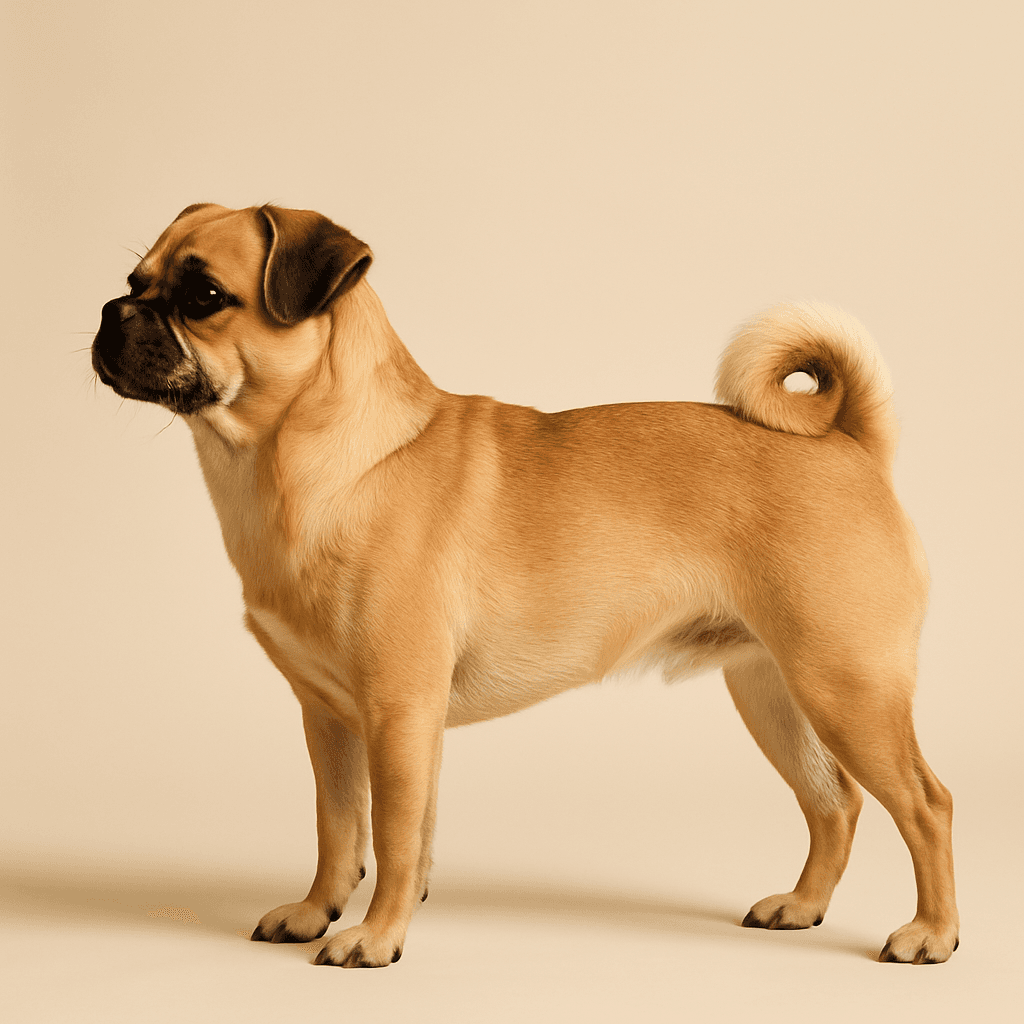
The Chug is a small crossbreed combining the Chihuahua and the Pug. It is not a recognised breed and is not registered with the Kennel Club. The cross has become popular as part of the general growth in Pug-derived crossbreeds, driven by the Pug's affectionate, sociable character and compact size. However, the Chug carries a health consideration that no prospective buyer should overlook: the potential inheritance of the Pug's brachycephalic features and the breathing problems that accompany them. Brachycephalic Obstructive Airway Syndrome (BOAS) is a collective term for the breathing difficulties caused by the structural features of flat-faced breeds: narrowed nostrils, an elongated soft palate, a narrowed trachea and excessive soft tissue in the throat. In affected dogs, breathing requires sustained physical effort, sleep is disturbed, exercise capacity is significantly reduced and the risk of life-threatening respiratory emergency is real, particularly in warm weather. BOAS surgery - which involves widening the nostrils and shortening the soft palate - can improve quality of life substantially but it is expensive and does not resolve the underlying structural problems entirely. The degree to which a Chug inherits the Pug's flat-faced anatomy varies significantly between individuals and litters. A puppy that takes more heavily after the Chihuahua parent may have a near-normal muzzle length and acceptable breathing. A puppy that strongly resembles a Pug may have significant respiratory compromise. The assessment of an individual puppy's breathing quality - at rest, during play and after brief exertion - is the most important health evaluation a prospective buyer can make. There are reputable breeders producing Chugs who select specifically for better muzzle length and breathing quality in both parents. There are also breeders producing visibly flat-faced puppies who do not discuss or acknowledge the health implications. Prospective buyers should avoid any litter where breathing sounds laboured, snorting is constant, or the puppies have visible nostril stenosis. When the Chug inherits good muzzle length and adequate breathing, it can be a genuinely pleasant companion. The temperament is typically affectionate, playful and sociable, combining the Pug's clownish friendliness with the Chihuahua's alert personality. It suits apartment and urban living, has modest exercise needs and is generally good with people of all ages and other dogs when properly socialised. Obesity is a serious secondary concern, as it significantly worsens breathing in any dog with flat-faced features. Weight management is not optional in a Chug - it is a direct health intervention. Lifespan is typically 10 to 14 years for healthy individuals. Monthly running costs average £80 to £140, but potential surgical costs for BOAS should be factored into planning. Pet insurance should be secured before purchase, and the policy checked for breed-related exclusions.
Quick facts
Meet Our Chugs
Register your dog on My Dog and it will appear here automatically.
Chug Photos
No photos yet. Be the first to share yours.
Add a photoActivity Feed
How much exercise does your Chug really need each day?
Around 20 to 40 minutes a day, and I'd strongly emphasise gentle rather than energetic. The brachycephalic risk from the Pug side is the defining factor in how I approach every single walk. I keep walks calm and I avoid any exertion in warm weather completely: we go out early morning and after sunset in summer. I watch him constantly for the signs that he's struggling: laboured breathing, excessive snorting beyond his normal level, slowing right down, or any blueish tinge around his gums or tongue, which would be an emergency requiring immediate vet attention. He doesn't always self-regulate well, which means I have to make that call for him. On cool days he's bright and enjoys a proper walk. On hot days he stays inside with the fan on. His breathing is the limiting factor, not his enthusiasm.
30 June 2026
Any health issues to watch for with Chugs?
Brachycephalic obstructive airway syndrome is the most important thing to understand before getting a Chug. How severely affected your dog will be depends heavily on which parent they take after: a Chihuahua-influenced individual with a near-normal muzzle may breathe well; a Pug-dominant individual with a heavily compressed face may have significant respiratory compromise that affects their whole quality of life. I would strongly advise anyone considering this cross to avoid breeders producing very flat-faced puppies. Eye conditions are also a concern, as prominent eyes are vulnerable to injury and dryness. Dental disease is inherited from both sides and requires daily brushing from puppyhood. Patellar luxation can occur. The critical message is: the flatter the face, the harder the life. Choose a dog with the most functional muzzle you can find.
30 June 2026
What's the one thing you wish you'd known before getting a Chug?
How much the brachycephalic risk varies within the cross, and how important it is to see both parents in person before committing. I had done some research, but I didn't fully appreciate until I was living with him how much his flat-faced features affect daily life: careful exercise management, strict heat avoidance, constant monitoring of his breathing quality. He's on the more moderate end of the spectrum and he manages well. But I've spoken to other Chug owners whose dogs have needed corrective surgery for their airways and who live with significant restrictions permanently. The Chihuahua influence genuinely does reduce the brachycephalic severity in some individuals. Seeing the parents, assessing their breathing, and being honest with yourself about what you're prepared to manage is essential. He's a warm, sociable, genuinely lovely dog. But the respiratory responsibility is real and it's lifelong.
30 June 2026
What do you feed your Chug, and why?
A small breed dry complete food, two measured meals a day, and I am extremely strict about portion control. The Pug tendency towards obesity is real and it is one of the most dangerous things for a dog with compromised airways. Every additional kilogram of bodyweight makes breathing harder. I weigh his food and I do not budge on the amount regardless of what he tells me he thinks about it. He is, predictably, very persuasive about telling me. Treats are minimal, counted against his daily total and earned through training rather than distributed as affection. I check his body condition every week: he should have a visible waist and easily palpable ribs. An overweight Chug is a dog whose breathing problems will be significantly worse. Weight management is not optional with this cross, it is a direct health intervention.
30 June 2026
Chug of the Month
🏆 September 2026 -- Be the first nominee
Could be your dog.
The first dog registered in this community earns the first Dog of the Month nomination automatically.
Register your dogUpcoming Chug Meetups
No meetups planned yet. Be the first to organise one.
Sign in to organise a meetupCommunity Members
Be the first to join and become the Chug Founding Member.
Join Club