


Be the first to join. Keep the badge forever.
The first members of this community earn permanent Founding Member status. It shows on your profile and your dog's profile for as long as you're here.
- ✓Founding Member badge on your profile
- ✓Your dog featured first
- ✓First Dog of the Month nomination
- ✓Always free
⭐ Founding Member spots open
First to join gets the badge
🐕 Be the first dog registered
Add your Lab to the community
📷 Add the first photo
Start the photo wall
8
Discussions
0 members
8 discussions
About the Coton de Tulear
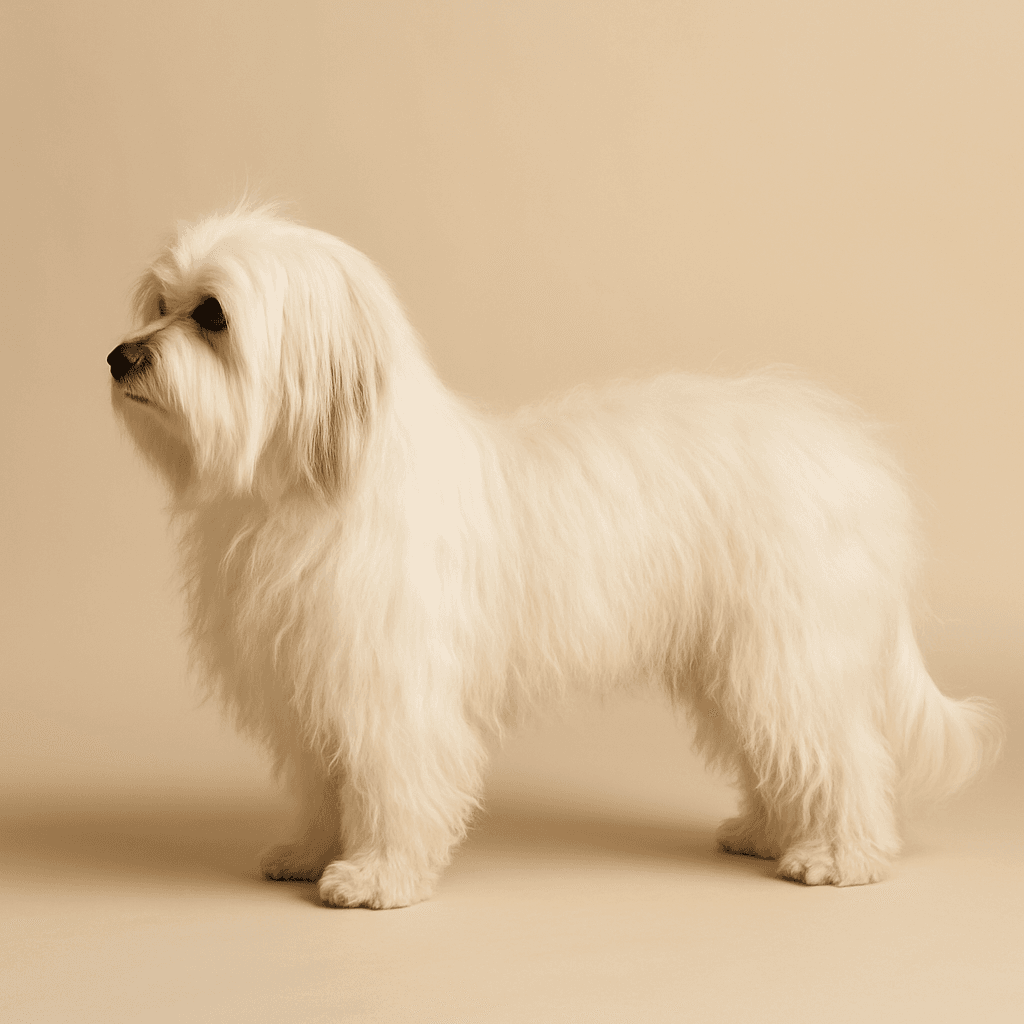
The Coton de Tulear is a small companion breed originating from the island of Madagascar, where it was developed as a companion and pet of the Malagasy nobility from the seventeenth century onwards. Its name reflects both its physical characteristic - "coton" being French for cotton, describing the distinctive soft, cottony texture of its white coat - and its origin in the port city of Tulear on Madagascar's southwest coast. Registered by the Kennel Club in the Toy Group, it is an established breed in the UK with a devoted following among owners who appreciate its combination of good nature and low-shedding coat. The breed's ancestry likely includes small bichon-type dogs brought to Madagascar by sailors and traders, possibly combined with local pariah dogs over generations of island development. It was relatively unknown outside Madagascar until the 1970s, when it began to be exported to Europe and North America, and formal breed standard development and international KC recognition followed over subsequent decades. In appearance the Coton is a small, lightly built dog with a rounded head, dark expressive eyes and the distinctive coat that defines the breed. The coat is long, soft and slightly wavy with a cotton-like texture quite different from the silky coats of most small companion breeds. It is naturally white, sometimes with very light lemon or grey markings particularly around the ears. The coat sheds minimally - a quality that is frequently cited as one of the primary reasons people choose the breed. The temperament is among the most consistently pleasant of any small companion breed. The Coton is gentle, cheerful, sociable and affectionate in a genuine, uncomplicated way. It is not typically shy, reactive or territorial in the manner of some small breeds. It loves people - its own family and strangers alike - and is generally reliable with children and other dogs when properly introduced. It is playful and lively without being hyperactive, calm enough to adapt to apartment living and active enough to engage enthusiastically with play and training. The low-shedding coat is an asset that comes with a direct grooming trade-off. The soft, cottony texture is beautiful but it tangles and mats extremely easily. Daily brushing is not optional for a Coton in full coat - it is the maintenance minimum to prevent the coat from forming painful, insoluble mats that require the dog to be completely clipped. Professional grooming every six to eight weeks manages the coat at a sustainable length. Many owners choose to keep the coat clipped shorter than the breed standard length for practical manageability - this is entirely reasonable and does not affect the dog's health or character. Exercise needs are modest. The Coton is well suited to apartment and urban living and does not require extensive outdoor exercise. Thirty minutes of daily activity, combining a walk and some indoor play, is sufficient for most individuals. The breed is intelligent and benefits from training sessions and mental enrichment alongside physical exercise. Training is generally straightforward. The Coton is eager to please and responds well to positive, gentle methods. It can be prone to separation anxiety given its people-oriented nature, and independence training from puppyhood - brief, graduated periods of being alone - should be established before the dog develops any dependency. Health is generally good. Progressive Retinal Atrophy can occur and parents should be DNA tested. Lifespan is excellent at 14 to 16 years, among the better longevity profiles for any breed. Purchase prices from KC-registered breeders range from £1,000 to £2,000. Monthly running costs average £90 to £160, with grooming a significant ongoing cost. The Coton de Tulear Club of Great Britain is the primary resource for breed information, responsible breeders and rescue contact.
Quick facts
Meet Our Coton de Tulears
Register your dog on My Dog and it will appear here automatically.
Coton de Tulear Photos
No photos yet. Be the first to share yours.
Add a photoActivity Feed
How much exercise does your Coton de Tulear really need each day?
Around 30 minutes of gentle daily exercise is what mine actually needs, though she would happily do more on a good day. Two short walks a day keeps her content, and I supplement those with indoor play and training games on wet days. What strikes me about the Coton is that she is genuinely lively and curious despite those modest exercise requirements. She investigates everything, wants to be involved in whatever is happening, and has real energy in short bursts. She is not, however, built for prolonged outdoor activity, and in cold or very wet weather she makes her preference for indoors quite clear. Mental stimulation matters as much as physical exercise: a puzzle feeder or a short training session satisfies something that an additional walk does not always reach. She is honestly one of the more manageable breeds for exercise if you have a less active lifestyle.
30 June 2026
Any health issues to watch for with Cotons de Tulear?
The Coton is generally a robust little dog and one of the healthier small breeds I have owned, but there are a few things worth knowing. Progressive Retinal Atrophy can occur and a DNA test is available, so I would ask any breeder for PRA test results on both parents. Hip evaluation is also advisable, though hip problems are less common than in larger breeds. The thing that surprised me when I was researching was that some lines have documented spinal problems, so back health is worth asking breeders about specifically. Dental health needs attention from puppyhood: small breeds accumulate tartar faster than large ones, and dental disease can become a significant issue. Regular brushing and occasional professional cleans keep it manageable. Lifespan is typically 14 to 16 years, which is one of the longer-lived breeds, so the investment in health care is a long one.
30 June 2026
What's the one thing you wish you'd known before getting a Coton de Tulear?
That independence training from puppyhood is not optional. The Coton is a companion breed through and through: it genuinely loves people and being with them is its default state. That is largely a wonderful quality, but if you do not build in deliberate periods of separation from the start, you can end up with a dog that genuinely cannot cope when you leave. Mine was so good-natured and affectionate that it felt unkind to practise leaving her alone as a puppy. I am glad I pushed through that instinct, because the friends who did not have Cotons that bark continuously when left and have real anxiety. Building short, calm separations from week one is kindness, not neglect. The other thing: the coat needs real commitment. Regular brushing and professional grooming is not optional if you want to avoid the cotton-wool texture becoming one large mat.
30 June 2026
What do you feed your Coton de Tulear, and why?
A high-quality small breed complete dry food, split across two small meals a day. The portion sizes for a Coton feel almost comically small at first: adults typically need somewhere between 100 and 180 grams of kibble daily, and it is easy to overfeed without realising it. I weigh meals rather than estimating. Weight gain sneaks up on small dogs and can be hard to spot under a full coat, so I check her body condition by feel every couple of weeks. Table scraps and off-menu snacks are not something I do: small dogs hit their calorie ceiling very quickly and the food rewards I use for training already push against it. Fresh water available at all times. I have found that the small breed formula matters: nutrient density and kibble size are both calibrated differently and it makes a noticeable difference.
30 June 2026
Coton de Tulear of the Month
🏆 September 2026 -- Be the first nominee
Could be your dog.
The first dog registered in this community earns the first Dog of the Month nomination automatically.
Register your dogUpcoming Coton de Tulear Meetups
No meetups planned yet. Be the first to organise one.
Sign in to organise a meetupCommunity Members
Be the first to join and become the Coton de Tulear Founding Member.
Join Club