
Be the first to join. Keep the badge forever.
The first members of this community earn permanent Founding Member status. It shows on your profile and your dog's profile for as long as you're here.
- ✓Founding Member badge on your profile
- ✓Your dog featured first
- ✓First Dog of the Month nomination
- ✓Always free
⭐ Founding Member spots open
First to join gets the badge
🐕 Be the first dog registered
Add your Lab to the community
📷 Add the first photo
Start the photo wall
8
Discussions
0 members
8 discussions
About the Deerhound
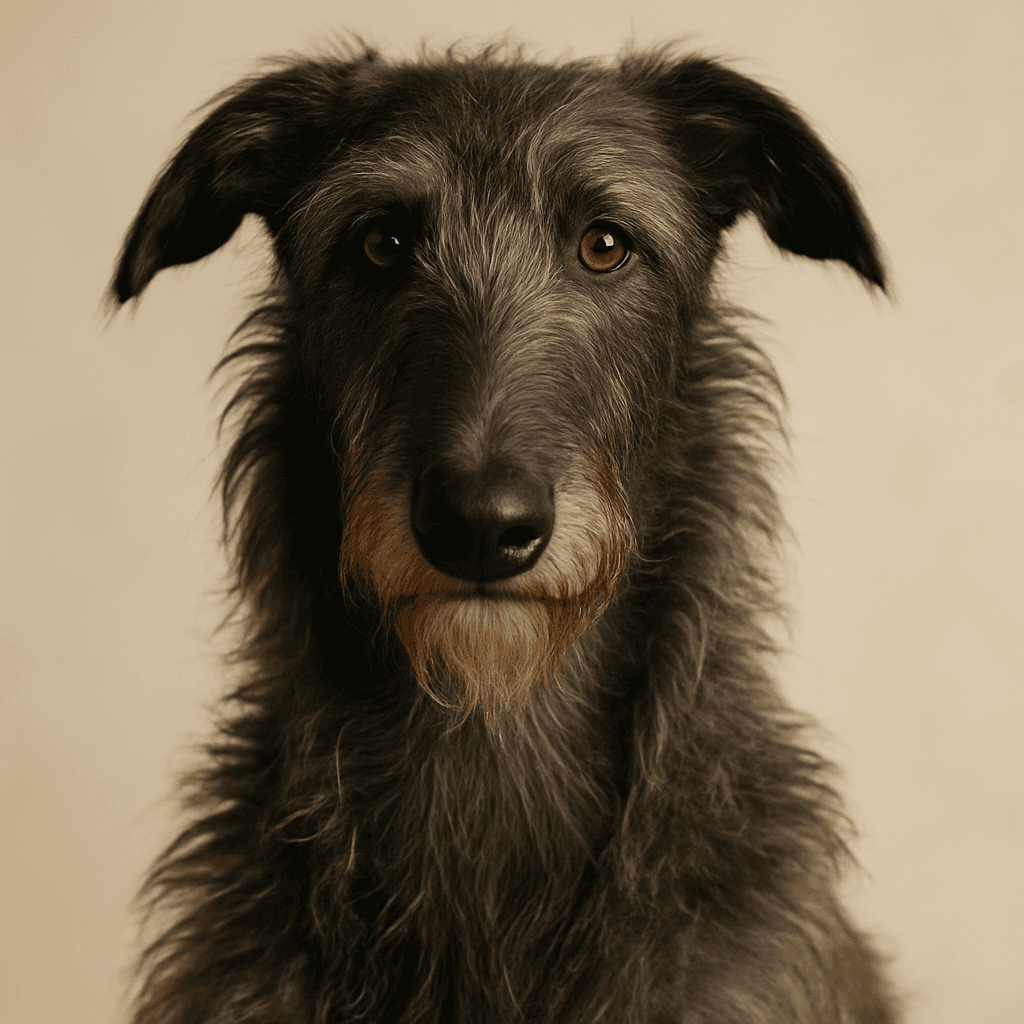
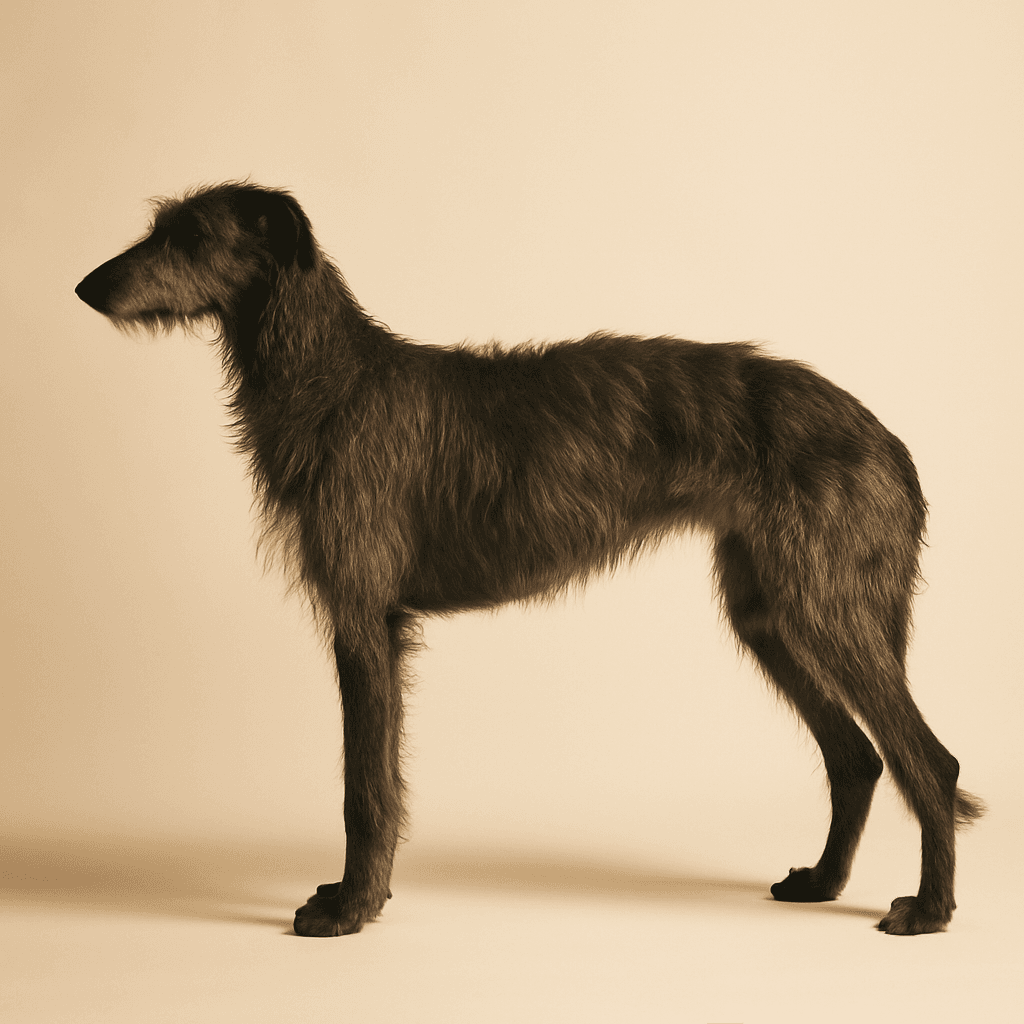
The Scottish Deerhound is one of the most ancient and historically significant dog breeds associated with the British Isles, a large sighthound developed in the Scottish Highlands over many centuries for the specific purpose of coursing red deer across open moorland terrain. Closely related to the Irish Wolfhound and sharing deep ancestry with the sighthound group that spread across Europe from ancient origins in the Middle East, the Deerhound was for centuries the exclusive companion of Scottish nobility - no one below the rank of Earl was permitted to own one, and the breed's association with Highland clan culture made it a symbol of status and heritage. Registered by the Kennel Club in the Hound Group, it is a rare and magnificent breed with a devoted but relatively small following. The Deerhound is one of the tallest dog breeds. Adult males typically stand 76 centimetres or more at the shoulder and weigh 40 to 50 kilograms, with a build that is lean, muscular and built for sustained speed over rough terrain. The coat is rough, harsh and shaggy in blue-grey, brindle, yellow, red or fawn shades - a coat that provides weather protection in Scottish conditions while adding to the breed's distinctively rugged, ancient appearance. The character is one of the Deerhound's most extraordinary qualities. Despite the size and ancient hunting purpose, the Deerhound is among the gentlest large breeds in existence. It is soft-natured, calm, affectionate and devoted to its family in a quiet, undemonstrative way that suits owners who appreciate dignity over exuberance. It is not a guard dog - its natural response to strangers is curiosity and friendship rather than suspicion. It is not a demanding breed in terms of attention or stimulation requirements. It is, in the truest sense of the term, a gentle giant. Outside, the sighthound nature activates. The Deerhound was bred to pursue and bring down a full-grown red deer at high speed, and the prey drive directed at small and medium-sized running animals is powerful. Recall in open areas around prey animals cannot be relied upon. Secure fencing for any off-lead exercise area is non-negotiable - the breed is athletic and capable of clearing significant obstacles when motivated. The prey drive makes the Deerhound incompatible with cats and small pets in the household without extraordinarily careful management, and many individuals will never be reliably safe with small animals regardless of early socialisation. The Deerhound's cardiac health is the most serious and immediate health concern for the breed. Dilated cardiomyopathy and associated arrhythmias are disproportionately common in Scottish Deerhounds compared to most breeds, and cardiac testing of both parents before breeding is the minimum acceptable health standard. Bloat - gastric dilatation-volvulus - is a potentially fatal emergency condition that is more common in deep-chested large breeds and requires immediate veterinary attention. Lifespan of 8 to 11 years is relatively short and is a characteristic of the giant and near-giant sighthound type that prospective owners must accept. Purchase prices from KC-registered, cardiac-tested breeders range from £1,200 to £2,500. Monthly running costs average £160 to £280, reflecting the significant food, insurance and potential health costs of a large breed. The Scottish Deerhound Club is the primary resource for breed information, responsible breeders, health testing requirements and rescue contact.
Quick facts
Meet Our Deerhounds
Register your dog on My Dog and it will appear here automatically.
Deerhound Photos
No photos yet. Be the first to share yours.
Add a photoActivity Feed
How much exercise does your Deerhound really need each day?
An hour to an hour and a half each day, with real off-lead running built in. Mine needs space to actually stretch out, a sighthound that only ever trots on lead is not getting what it needs. I have a securely fenced field I access regularly and that is genuinely essential. What surprises most people is how calm they are indoors. After a proper run my Deerhound is the most settled dog imaginable, she is a sofa dog when the exercise is done. Puppies are different: I was strict about limited exercise until 18 months because the growth plates need protecting in a dog this size. No stairs, no jumping, no rough play with larger dogs during that period. It felt conservative at the time but it was the right call.
30 June 2026
Any health issues to watch for with Deerhounds?
Cardiac disease is the most serious concern, dilated cardiomyopathy and associated arrhythmias in particular. Cardiac screening of breeding stock is critical and I asked specifically about this before purchasing. Bloat (GDV) is a real risk in any deep-chested breed this size: I feed twice daily rather than once, and I do not exercise immediately before or after meals. Osteosarcoma, bone cancer, is more common in large and giant breeds generally and the Deerhound is not exempt. Liver shunt has also been documented in the breed. The honest truth about the lifespan is hard: 8 to 11 years is relatively short given how devoted and companionable they are. You know going in that the time is shorter than you would like. That does not stop people from loving the breed, but it should be understood clearly.
30 June 2026
What's the one thing you wish you'd known before getting a Deerhound?
The prey drive in open spaces is not something training reliably overrides. My Deerhound has genuinely good manners in most contexts, but put her in a field with a hare and she is gone. I knew sighthounds had prey drive. I did not fully appreciate how quickly it can override everything else, or how fast a Deerhound actually is when she decides to go. Managing through secure environments rather than relying on recall alone in open areas is the honest approach. The other thing I wish I had been more prepared for is the shortened lifespan. She is the best dog I have owned and the awareness that I have fewer years with her than I would with a smaller breed is something I think about. Know it before you start, not after.
30 June 2026
What do you feed your Deerhound, and why?
A high-quality large to giant breed complete dry food, split across two meals. She gets somewhere between 500 and 800 grams depending on the week's activity. Two meals are non-negotiable for a deep-chested breed, one large meal increases bloat risk and GDV can be fatal if not caught quickly. Sighthounds can drop condition faster than you expect; I do a weekly body condition check and adjust portions accordingly rather than sticking rigidly to a fixed amount. Fresh water always available. I avoid exercising within an hour of meals. Given the cardiac concerns in the breed I discussed nutritional supplementation with my vet, but we have stayed with a quality complete food rather than adding extras without a specific indication.
30 June 2026
Deerhound of the Month
🏆 September 2026 -- Be the first nominee
Could be your dog.
The first dog registered in this community earns the first Dog of the Month nomination automatically.
Register your dogUpcoming Deerhound Meetups
No meetups planned yet. Be the first to organise one.
Sign in to organise a meetupCommunity Members
Be the first to join and become the Deerhound Founding Member.
Join Club