

Be the first to join. Keep the badge forever.
The first members of this community earn permanent Founding Member status. It shows on your profile and your dog's profile for as long as you're here.
- ✓Founding Member badge on your profile
- ✓Your dog featured first
- ✓First Dog of the Month nomination
- ✓Always free
⭐ Founding Member spots open
First to join gets the badge
🐕 Be the first dog registered
Add your Lab to the community
📷 Add the first photo
Start the photo wall
8
Discussions
0 members
8 discussions
About the German Spitz (Giant)
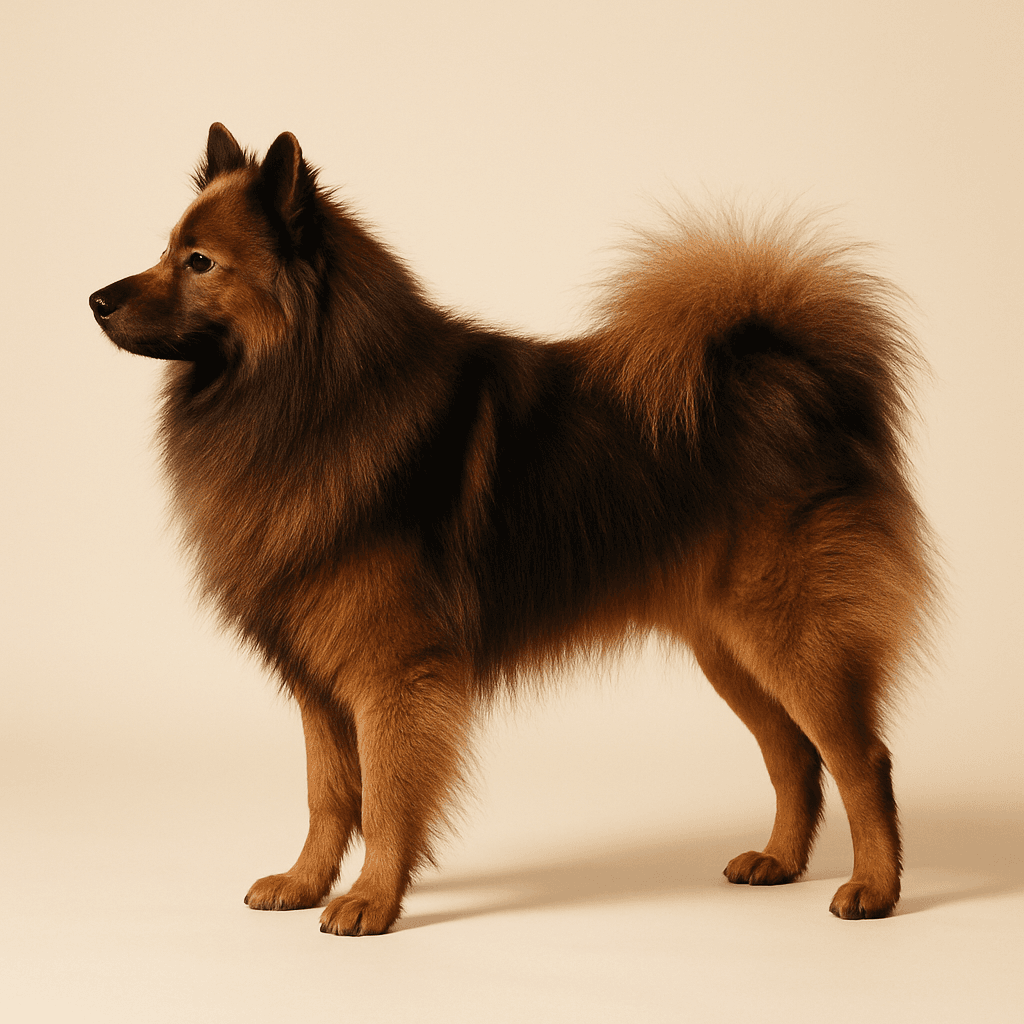
The German Spitz Giant, known in Germany as the Gross Spitz, is the largest of the five recognised German Spitz varieties and one of the oldest of the European spitz-type breeds, with a history that is often cited as reaching back several thousand years to the Nordic breeds that accompanied early northern European peoples. Together with the German Spitz Mittel and German Spitz Klein, it forms part of a group of closely related but size-distinct breeds recognised by the Kennel Club in the Utility Group under the collective German Spitz designation. The Giant variety is rarely seen in the United Kingdom and prospective owners should prepare for a significant search for a reputable breeder. The German Spitz Giant is a handsome, substantial dog with the characteristic spitz appearance: a profuse double coat that stands off the body, a foxy, pointed muzzle, small erect triangular ears and the spitz expression of bright, alert intelligence. The coat comes in black, brown, white, orange or wolf-sable. The tail curls over the back in typical spitz fashion. Adults typically stand 42 to 50 centimetres at the shoulder and weigh 17 to 19 kilograms. The character is typical of the German Spitz group: lively, alert, loyal and devoted to its own family, with a natural tendency toward initial caution or reservation with strangers that is a recognised breed characteristic rather than shyness or aggression. The German Spitz breeds are not naturally aggressive, but they are vocal and alert - they are watch dogs by instinct and will use their voice to signal the arrival of strangers or any change in their environment. Managing the vocal tendency from an early age through consistent training is advisable. Within its own family the German Spitz Giant is an affectionate, adaptable and entertaining companion. It is good with children and can do well with other pets when properly socialised. Exercise needs are moderate - 1 to 1.5 hours daily is adequate - making it more manageable than some working breeds while still requiring regular activity. The thick double coat requires regular grooming commitment. It sheds heavily twice yearly and during these periods daily brushing is necessary. The coat should never be shaved, as this permanently damages its structure. Monthly running costs average £80 to £140. The German Spitz Club UK is the primary resource for breed information, responsible breeders and rescue contact.
Quick facts
Meet Our German Spitz (Giant)s
Register your dog on My Dog and it will appear here automatically.
German Spitz (Giant) Photos
No photos yet. Be the first to share yours.
Add a photoActivity Feed
How much exercise does your Giant German Spitz really need each day?
Between one and one and a half hours daily, and they are genuinely lively dogs that enjoy the variety. My German Spitz Giant is not at all an armchair dog. We do a proper walk morning and evening, and he has real stamina on longer weekend outings. He is not the two-hours-of-hard-running type, but he absolutely benefits from being taken somewhere interesting rather than the same short loop every day. He loves exploration and gets noticeably more content after a walk with varied terrain and good sniffing opportunities. Training sessions work really well alongside physical exercise with this breed because they are intelligent and enjoy having something to think about. Puppies need restricted, controlled exercise during growth, as with all breeds. I was careful about limiting sustained hard exercise until he was fully grown. As an adult though, he has good stamina and enjoys making use of it. This is not a dog that is happy being under-walked.
30 June 2026
Any health issues to watch for with Giant German Spitzes?
The German Spitz Giant is generally a healthy breed, which is one of the things that appeals to me about them. Hip dysplasia can occur, so I would look for parents that have been tested. Progressive Retinal Atrophy has been documented in Spitz breeds, so asking whether parents have been eye-tested is worthwhile. Beyond that, the honest answer is that this is an extremely rare breed in the UK and the health dataset is limited simply because there are not many of them. The working origins of the Spitz breeds generally gave them good robustness, and that does carry through. The most important thing I would say is to find a reputable breeder who knows their lines well, because with a rare breed, lineage knowledge matters even more than it does with common breeds. Lifespan is typically 13 to 15 years, which is another of the breed's genuine appeals.
30 June 2026
What's the one thing you wish you'd known before getting a Giant German Spitz?
That the initial caution with strangers is a genuine breed characteristic, not something you can socialise away entirely. My German Spitz Giant is devoted to me and wonderful with the family, but he takes his time with people he does not know. Early and thorough socialisation during puppyhood absolutely helps, and I would not skip a moment of it, but even a well-socialised Giant Spitz is not going to bound up to strangers like a Golden Retriever. That reserved quality is part of what they are, and once I stopped trying to change it and started managing it instead, we both got on a lot better. The other thing I would mention is the vocalisation. They use their voice readily, as watch dogs often do. Bark training from an early age is genuinely worth doing, not because it is impossible to manage later, but because starting early is so much easier than addressing established habits.
30 June 2026
What do you feed your Giant German Spitz, and why?
I use a high-quality complete dry food for medium breeds, split across two meals a day. My adult Giant Spitz gets somewhere in the region of 250 to 300g daily, though I adjust based on how active he has been and what his body condition tells me rather than following the bag guidance rigidly. Body condition monitoring is something I do with my hands regularly; I want to feel the ribs without having to press, and I want to see a clear waist from above. The breed can carry weight if you are not paying attention, and excess weight is not good for any dog's joints. I keep the diet simple and consistent: a quality complete food covers everything he needs. Fresh water is always available, especially after exercise. I have not found any particular digestive sensitivities in him, which is one of the practical benefits of a generally robust working-origin breed.
30 June 2026
German Spitz (Giant) of the Month
🏆 September 2026 -- Be the first nominee
Could be your dog.
The first dog registered in this community earns the first Dog of the Month nomination automatically.
Register your dogUpcoming German Spitz (Giant) Meetups
No meetups planned yet. Be the first to organise one.
Sign in to organise a meetupCommunity Members
Be the first to join and become the German Spitz (Giant) Founding Member.
Join Club