

Be the first to join. Keep the badge forever.
The first members of this community earn permanent Founding Member status. It shows on your profile and your dog's profile for as long as you're here.
- ✓Founding Member badge on your profile
- ✓Your dog featured first
- ✓First Dog of the Month nomination
- ✓Always free
⭐ Founding Member spots open
First to join gets the badge
🐕 Be the first dog registered
Add your Lab to the community
📷 Add the first photo
Start the photo wall
8
Discussions
0 members
8 discussions
About the Great Dane
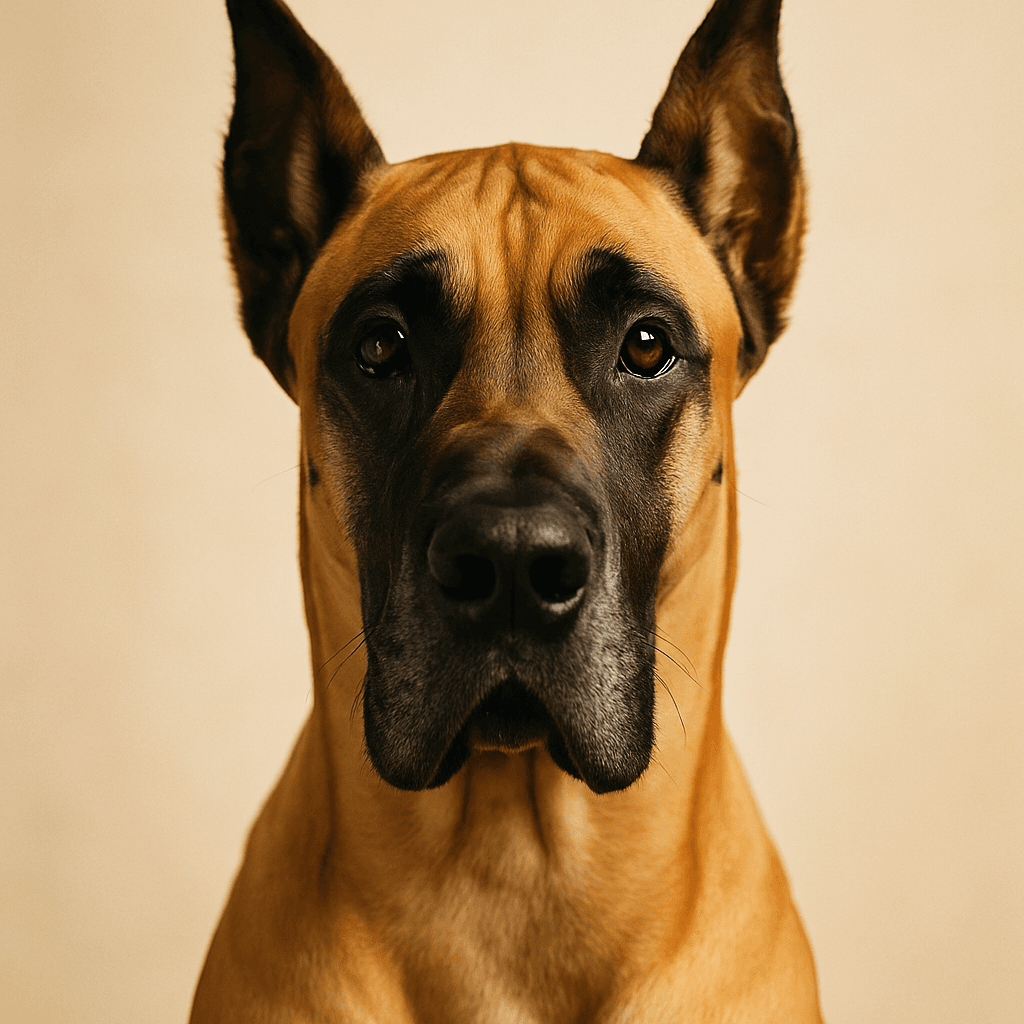
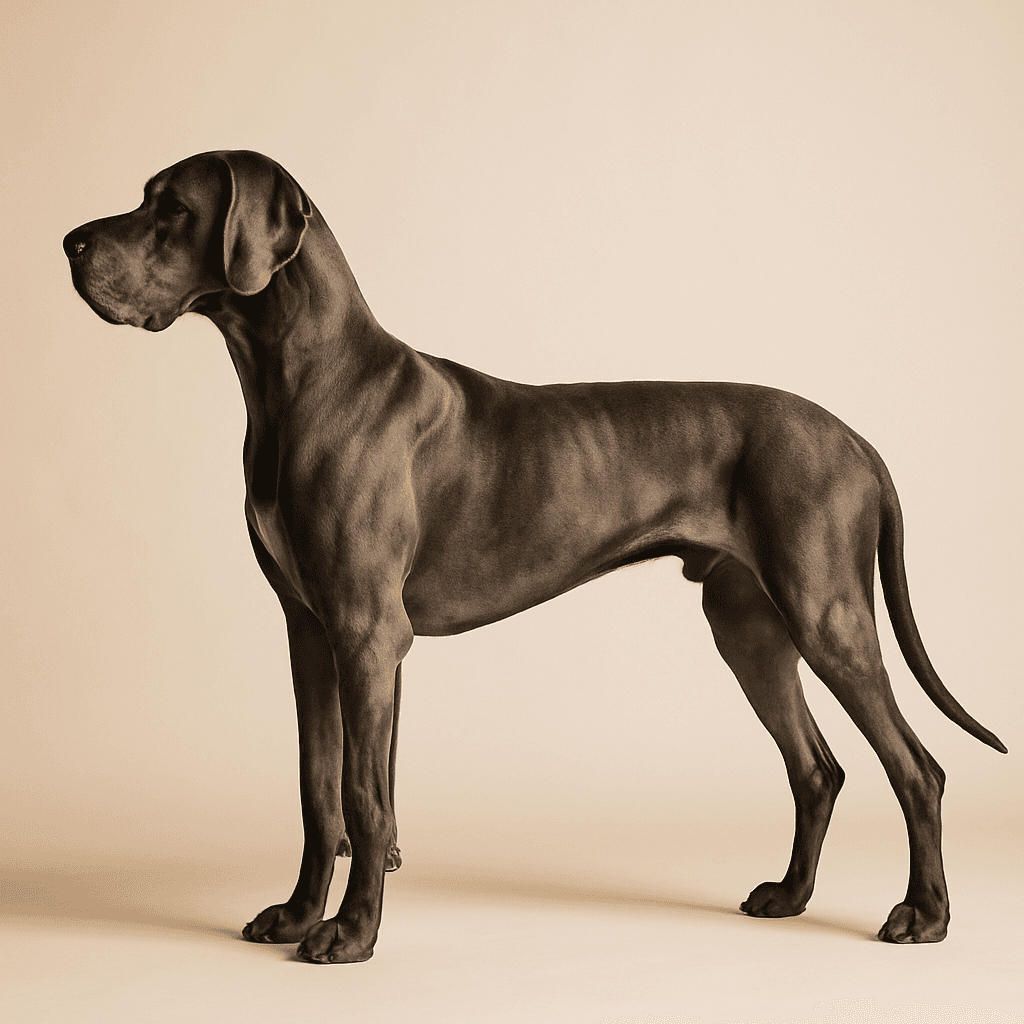
The Great Dane is one of the world's largest and most striking dog breeds, registered by the Kennel Club in the Working Group. Despite their commanding size, Great Danes are gentle, affectionate and people-oriented companions whose temperament consistently surprises those who encounter them expecting a formidable dog and find instead a devoted, gentle giant. The practical realities of Great Dane ownership must be confronted clearly before buying. Size translates directly to cost: food bills of £70 to £120 per month, insurance premiums of £80 to £180 per month, oversized beds, large cars, and homes with genuinely sufficient space are not optional considerations. They are baseline requirements for responsible ownership. The health picture reinforces this financial message. Great Danes have one of the highest rates of gastric dilatation-volvulus (bloat) of any breed. GDV is a life-threatening emergency requiring immediate surgery costing £3,000 to £6,000. Prophylactic gastropexy at neutering to prevent the rotation component is seriously considered by many Great Dane owners and vets. Osteosarcoma occurs at very high rates in giant breeds. The typical lifespan is 8 to 10 years. Puppy rearing requires specific nutritional management. Giant-breed puppy food supporting slow, controlled growth is not optional: rapid growth from inappropriate nutrition causes developmental bone and joint disease. No calcium supplementation. No adult food in the puppy phase. For owners who go into Great Dane ownership fully prepared, the reward is exceptional. The breed's gentle, devoted temperament and unique physical presence create a depth of relationship that owners describe as unlike any other breed. The lifespan is shorter than many would wish, but those years are full. Purchase prices from KC-registered breeders typically range from £1,000 to £2,500. Total monthly running costs of £300 to £500 are among the highest of any breed. Great Dane Rescue UK rehomes dogs nationally. Know the costs. Understand the health risks. Prepare your home. Then commit fully, because this breed repays that commitment generously. Great Dane Rescue UK rehomes dogs nationally. For owners who approach Great Dane ownership with full financial preparation, clear understanding of the health risks, and a home that is genuinely suitable for the breed, this is a dog of extraordinary presence and character. The commitment is real and the costs are high. For those who go in prepared, the reward is equally substantial. The breed asks a great deal. It gives back in equal measure. The years are fewer than you would wish. Make them count by preparing properly from the start.
Quick facts
Meet Our Great Danes
Register your dog on My Dog and it will appear here automatically.
Great Dane Photos
No photos yet. Be the first to share yours.
Add a photoActivity Feed
How much exercise does your Great Dane really need each day?
Probably less than you'd expect from a dog this size. Two shorter walks of 20 to 30 minutes each suits most adult Danes well. Mine is not an endurance athlete and doesn't want to be. What he enjoys is a steady amble, some sniffing, and the occasional brief burst of enthusiasm in the garden. He is not a dog you need to run for miles. The far more important exercise consideration with this breed is the puppy phase. Great Danes grow extraordinarily fast and their bones and joints are vulnerable until growth plates close, typically at 18 to 24 months. No forced running on hard surfaces, no repetitive jumping, no stairs for young puppies. I was genuinely strict about this and I believe it's why my dog has no joint issues. Also, never exercise intensively close to mealtimes. Bloat risk is real with this breed.
30 June 2026
Any health issues to watch for with Great Danes?
Two things every Great Dane owner must know before they get the breed. First: bloat. Great Danes have one of the highest rates of gastric dilatation-volvulus of almost any breed. The stomach fills with gas and rotates, cutting off blood supply. It's a life-threatening emergency that kills within hours without surgery. Surgery costs £3,000 to £6,000. Know the signs: unproductive retching, distended abdomen, rapid deterioration. My vet discussed prophylactic gastropexy at neutering and I'd encourage anyone to have that conversation seriously. Second: bone cancer. Osteosarcoma rates are very high in giant breeds and Great Danes are among the most affected. Average lifespan is 8 to 10 years, partly for this reason. Dilated cardiomyopathy also occurs and annual cardiac screening is advisable. Budget £80 to £180 a month for insurance and start it from puppyhood.
30 June 2026
What's the one thing you wish you'd known before getting a Great Dane?
That loose lead training with a 70kg dog is not optional. When a Great Dane pulls, most people cannot hold them safely. I was diligent about this from day one with a front-clip harness and consistent training, and it is one of the best decisions I made. The second thing I would want every prospective Great Dane owner to think seriously about before committing is the lifespan. Eight to ten years is the average. You go into this breed knowing you are almost certainly going to lose a dog you love deeply at a relatively young age, and that it may well be to cancer or to bloat. That is not a reason not to get one. People who love this breed are unanimous that it's worth it. But it should be an honest, considered decision rather than one made without thinking about it.
30 June 2026
What do you feed your Great Dane, and why?
A high-quality large breed dry complete food, twice a day, and I am strict about the twice-daily rule because of the bloat risk. A single large daily meal increases the risk compared to splitting it. Mine gets around 600g a day but he's a large male and it varies with activity. The feeding cost for a Great Dane is significant and worth budgeting honestly before you get one. When he was a puppy I used a large breed puppy formula specifically designed for giant breeds. This is non-negotiable with Danes. Regular puppy food or calcium supplementation causes developmental bone and joint problems. The food controls growth rate, which needs to be steady rather than rapid. No supplements beyond the food, no table scraps, no calcium top-ups. I also never let him exercise hard for at least an hour either side of meals.
30 June 2026
Great Dane of the Month
🏆 September 2026 -- Be the first nominee
Could be your dog.
The first dog registered in this community earns the first Dog of the Month nomination automatically.
Register your dogUpcoming Great Dane Meetups
No meetups planned yet. Be the first to organise one.
Sign in to organise a meetupCommunity Members
Be the first to join and become the Great Dane Founding Member.
Join Club