
Be the first to join. Keep the badge forever.
The first members of this community earn permanent Founding Member status. It shows on your profile and your dog's profile for as long as you're here.
- ✓Founding Member badge on your profile
- ✓Your dog featured first
- ✓First Dog of the Month nomination
- ✓Always free
⭐ Founding Member spots open
First to join gets the badge
🐕 Be the first dog registered
Add your Lab to the community
📷 Add the first photo
Start the photo wall
8
Discussions

0 members
8 discussions
About the Hamiltonstovare
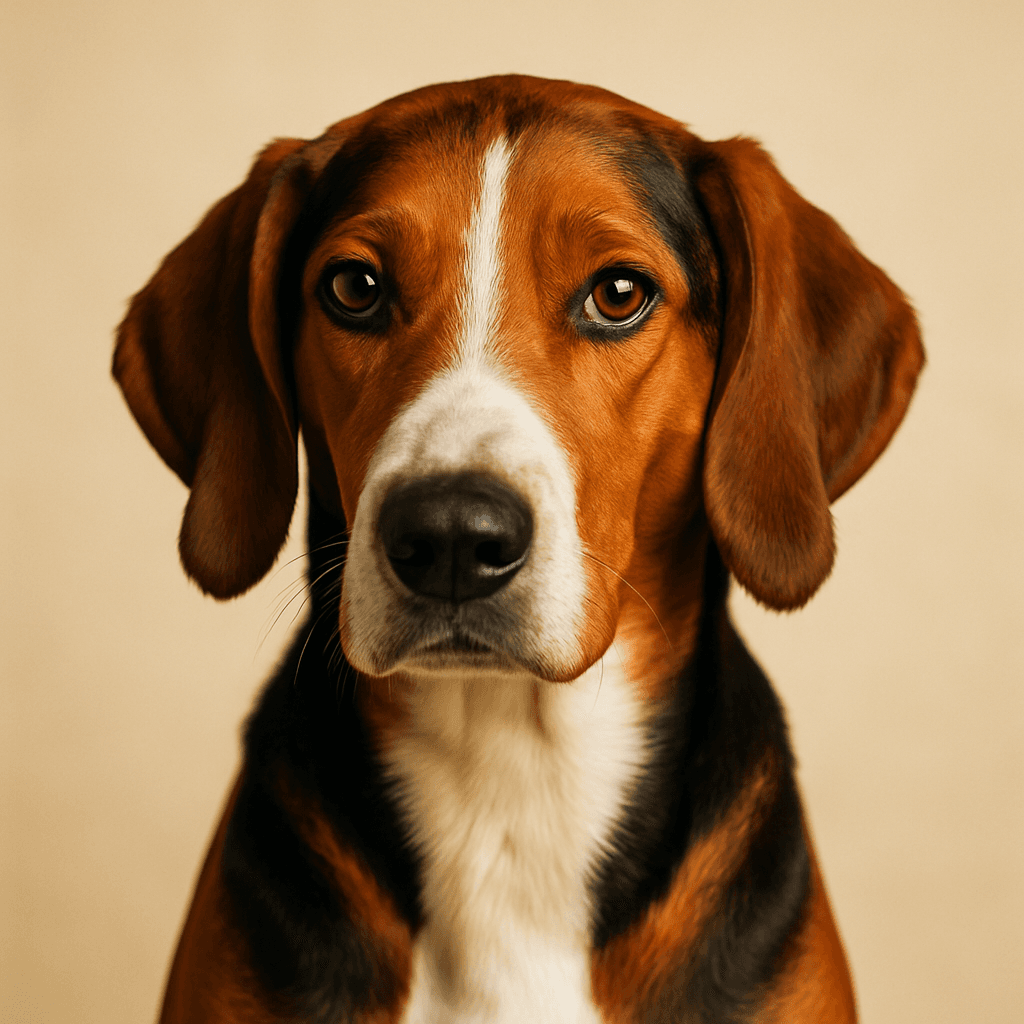
The Hamiltonstovare is a Swedish scenthound developed in the late nineteenth century by Count Adolf Patrick Hamilton, the founder of the Swedish Kennel Club, who created the breed by crossing German hounds including the Hanoverian Hound and Holsteiner Hound with indigenous Swedish hound breeds to produce a purpose-built deer hunting dog capable of working alone in the deep forests and open countryside of Sweden. Unlike many continental European pack hounds, the Hamiltonstovare was specifically developed to work singly rather than in a pack, hunting in front of a walking hunter and tracking wounded deer through scent and voice in the traditional Swedish hunting style. Registered by the Kennel Club in the Hound Group, it is a rare breed in the United Kingdom with a following primarily among working hound enthusiasts. The Hamiltonstovare is a well-proportioned, athletic medium to large scenthound with a distinctive tricolour coat - black on the back and upper sides, tan on the head, neck, legs and sides of the body, and white markings on the muzzle, chest and paws. The overall impression is of a handsome, capable and well-balanced hound. Adults typically stand 53 to 61 centimetres at the shoulder and weigh 23 to 27 kilograms. The head is long and rectangular with pendant ears and a calm, intelligent expression. The character is that of a typical working scenthound: independent, focused, friendly and driven by scent above all other considerations. The Hamiltonstovare is good-natured and sociable with people and generally excellent with other dogs - it was bred to work in proximity to other hounds and people without conflict. With its own family it is affectionate and devoted. It is not aggressive or difficult, but it is fundamentally a working hound that needs to understand its place and purpose. The most important practical consideration is the breed's relationship with scent. Once the Hamiltonstovare has identified an interesting trail, its attention is extremely difficult to redirect. Recall training is challenging and cannot be relied upon in open environments. Exercise must be conducted either in securely fenced areas or on a long line. This is not a breed that can be trusted off-lead in unfenced countryside. Exercise needs are substantial - 1.5 to 2 hours of vigorous activity is appropriate for an adult Hamiltonstovare, and it thrives best with access to open countryside where its scenting abilities can be engaged. Purchase prices where available in the UK range from £800 to £1,800. Monthly running costs average £120 to £170. The Swedish Kennel Club and Scandinavian hound communities are the primary resources for breed information, health testing and responsible breeders.
Quick facts
Meet Our Hamiltonstovares
Register your dog on My Dog and it will appear here automatically.
Hamiltonstovare Photos
No photos yet. Be the first to share yours.
Add a photoActivity Feed
How much exercise does your Hamiltonstovare really need each day?
A minimum of 75 to 90 minutes of vigorous exercise every day, and mine is happiest when that includes a proper run across open countryside rather than lead walking. Hamiltonstovare were bred for sustained hunting across Swedish forest terrain and they have real endurance. A walk around a suburban park is not what this breed is designed for. Off-lead exercise requires secure, fully fenced areas because recall when a scent is involved is simply not reliable. I use a long line in unfenced areas and I've accepted this as a permanent feature of our life rather than something I'm still working on. Scent work has become one of the most useful tools I have for giving mine a genuinely satisfying mental workout. It tires him in a way that physical exercise alone doesn't fully achieve.
30 June 2026
Any health issues to watch for with Hamiltonstovare?
The Hamiltonstovare is generally a robust working breed but as a rare breed in the UK, formal health data is more limited than for common pedigrees. Hip dysplasia can occur and health testing of both parents is advisable, even if no formal scheme is mandated in the UK. Epilepsy has been reported in the breed and is worth asking about in the lineage before purchasing. Ear infections are a genuine ongoing management consideration in any pendulous-eared breed. The ears create a warm, enclosed environment that is ideal for bacterial and yeast overgrowth. Regular ear checks and cleaning are part of the routine rather than an occasional task. Lifespan is typically 10 to 13 years. Because this is an uncommon breed in the UK, I'd strongly recommend connecting with other UK owners and the breed club for the most current health information.
30 June 2026
What's the one thing you wish you'd known before getting a Hamiltonstovare?
That the hound mind is fundamentally different from the companion dog mind, and training requires a completely different framework. I came to the Hamiltonstovare with experience of biddable breeds and had to recalibrate entirely. This is a dog bred for independent decision-making in the field. When a nose goes down and a scent is interesting, the connection to me diminishes rapidly and no amount of recall practice changes that in the moment. Accepting this early and building my management around it, secure exercise areas, long lines in open spaces, rather than fighting it with more obedience training, made everything much more enjoyable. The breed is also rarer than I anticipated in terms of finding a vet with specific knowledge. Having a good relationship with a vet who is willing to research breed-specific considerations is more important than it would be with a more common breed.
30 June 2026
What do you feed your Hamiltonstovare, and why?
A high-quality medium to large breed complete dry food, split across two meals. Mine is an active working-type dog and gets around 400g a day on a normal exercise day, with portions adjusted upward on harder days. I aim to maintain a lean, athletic build because a hound carrying extra weight loses the effortless movement that's characteristic of the breed. I monitor body condition regularly and adjust rather than following the bag guidelines rigidly, which tend to be on the generous side. Fresh water is always available, particularly important with an active dog in warmer months. Regular ear cleaning is part of the feeding routine for me, just something I do at the same time so it becomes habitual rather than something I remember to do occasionally. Ear health in pendulous-eared breeds requires consistency.
30 June 2026
Hamiltonstovare of the Month
🏆 September 2026 -- Be the first nominee
Could be your dog.
The first dog registered in this community earns the first Dog of the Month nomination automatically.
Register your dogUpcoming Hamiltonstovare Meetups
No meetups planned yet. Be the first to organise one.
Sign in to organise a meetupCommunity Members
Be the first to join and become the Hamiltonstovare Founding Member.
Join Club