

Be the first to join. Keep the badge forever.
The first members of this community earn permanent Founding Member status. It shows on your profile and your dog's profile for as long as you're here.
- ✓Founding Member badge on your profile
- ✓Your dog featured first
- ✓First Dog of the Month nomination
- ✓Always free
⭐ Founding Member spots open
First to join gets the badge
🐕 Be the first dog registered
Add your Lab to the community
📷 Add the first photo
Start the photo wall
8
Discussions
0 members
8 discussions
About the Hovawart
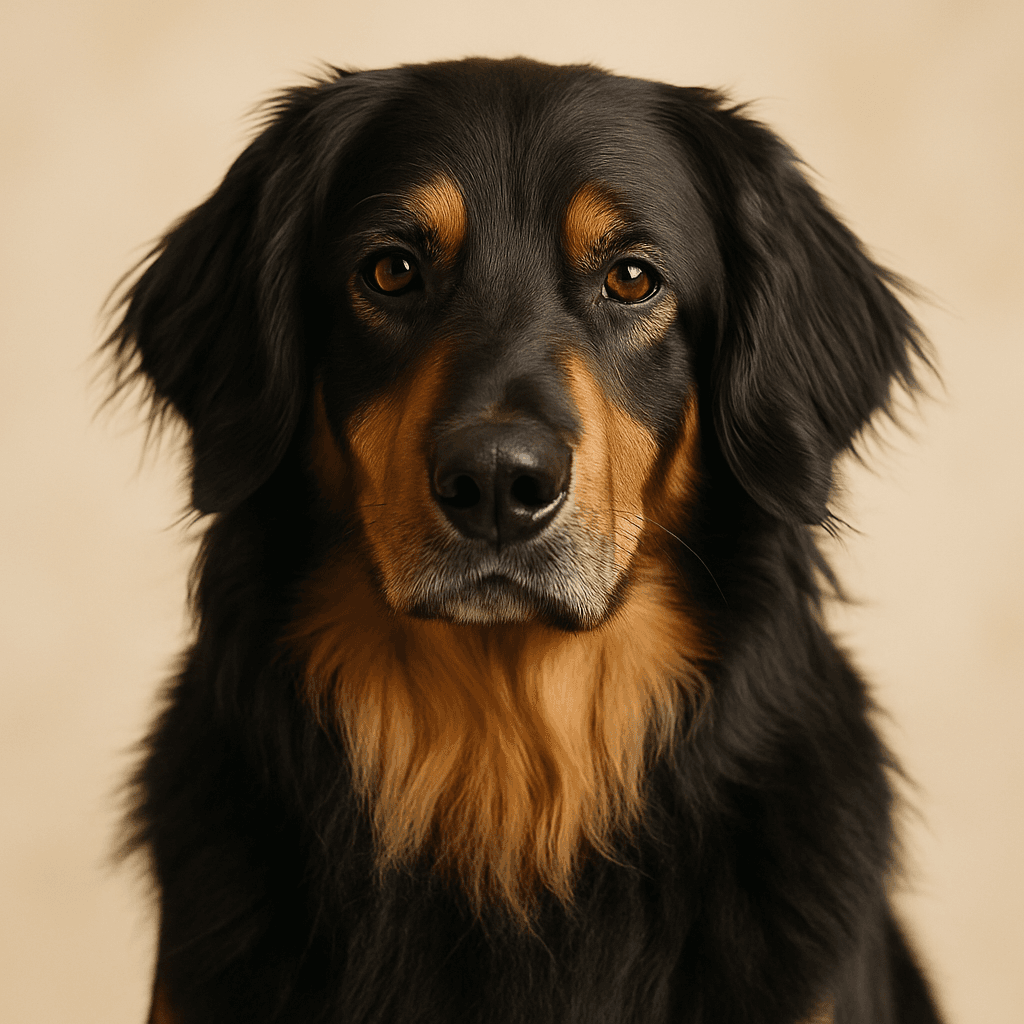
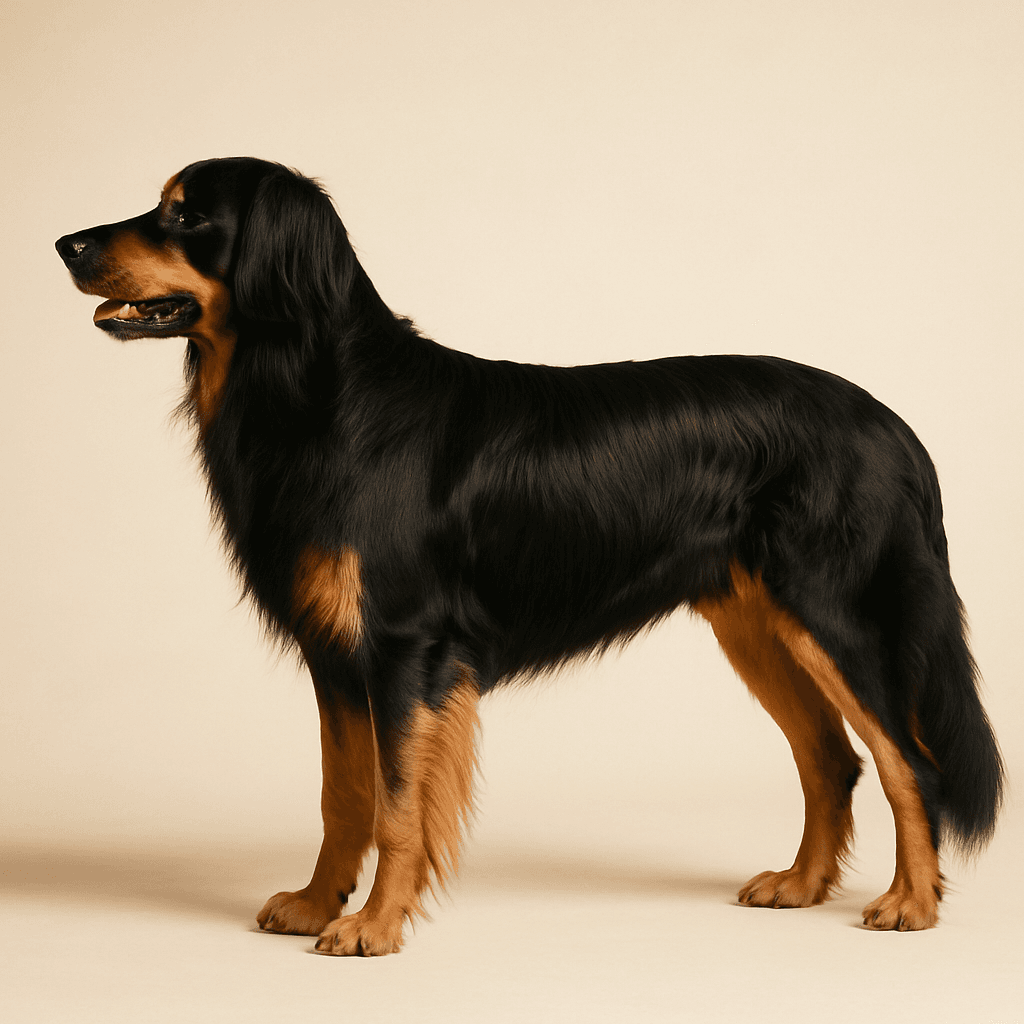
The Hovawart is a German working and guardian breed with one of the longest documented histories of any dog breed, its name derived from the Middle High German words meaning estate guardian or yard warden, with written references to a dog fulfilling this role in German estates appearing as far back as the thirteenth century. The modern Hovawart was recreated in the early twentieth century, primarily through the work of German breeder Kurt Friedrich Konig, who began in the 1920s to selectively breed dogs from the Black Forest region that retained the appearance and working character described in historical accounts, introducing blood from German Shepherd Dogs, Leonbergers, Newfoundlands and other breeds to establish the modern type. Registered by the Kennel Club in the Working Group, the Hovawart is an uncommon but respected working breed in the United Kingdom. The Hovawart is a well-proportioned, medium to large dog with a dense, slightly wavy medium-length double coat that comes in three recognised colours: black and gold (the most common), blonde and pure black. Adults typically stand 58 to 70 centimetres at the shoulder and weigh 25 to 40 kilograms. The overall impression is of a capable, balanced and handsome working dog without exaggeration. The character is that of a confident, loyal and naturally protective working breed. The Hovawart is deeply devoted to its own family and has a genuine guarding instinct that expresses itself as alertness, reserve with strangers and a calm readiness to defend its household. It is not aggressive by nature but it is confident, capable and takes its protective role seriously - a combination that rewards experienced, confident ownership and can be problematic in inexperienced hands. The breed is highly capable across a wide range of working disciplines. Hovawarts excel in tracking, search and rescue, obedience, agility and protection sport - their intelligence and working drive make them among the most versatile of the working breeds when properly directed. Early and thorough socialisation is essential to produce a stable, reliable adult temperament. Exercise needs are significant. The Hovawart needs 1.5 to 2 hours of vigorous daily exercise with purposeful mental activity. A Hovawart that lacks physical and mental stimulation will apply its intelligence and energy in less welcome ways. Hip dysplasia is the primary health concern and both parents should be tested. Hypothyroidism is documented in the breed and thyroid screening is advisable. Purchase prices from KC-registered, health-tested breeders range from £1,000 to £2,000. Monthly running costs average £130 to £200. The Hovawart Club UK is the primary resource for breed information, health testing, responsible breeders and rescue contact.
Quick facts
Meet Our Hovawarts
Register your dog on My Dog and it will appear here automatically.
Hovawart Photos
No photos yet. Be the first to share yours.
Add a photoActivity Feed
What do you feed your Hovawart, and why?
A high-quality large breed dry complete food, 400 to 550g split across two meals. I stay at the lower end of that range and adjust up on heavy working days. The key with a Hovawart is keeping them lean, and I mean genuinely lean, not the chubby 'healthy' that a lot of owners mistake for good condition. Extra weight on a large breed puts real pressure on hips, and given the dysplasia risk in this breed I'm not taking chances. I can feel ribs without pressing, there's a clear waist, good muscle tone. That's what I'm aiming for. I look for named meat as the first ingredient and avoid foods with a lot of filler. Fresh water always down, especially after exercise.
30 June 2026
What's the one thing you wish you'd known before getting a Hovawart?
That 'reserved with strangers' is a breed characteristic, not a training failure, and not aggression. My Hovawart will never be the dog bounding up to greet everyone in the park, and I wasted a lot of energy in the first year worrying about that and trying to change it. It's simply how they're built. They are deeply loyal and genuinely affectionate within their own family, but they take their protective instincts seriously and they don't switch that off for every person who wants to stroke them. Once I understood that and stopped apologising for it, everything became easier. What you do need to manage is ensuring that reserve is controlled and appropriate, which comes from confidence in your leadership. This is not a breed that respects an uncertain owner.
30 June 2026
How much exercise does your Hovawart really need each day?
A minimum of an hour and a half of vigorous exercise daily, and I mean vigorous. A plod around the block doesn't count for a Hovawart. Mine needs sustained effort: off-lead running, tracking sessions, purposeful activity with a point to it. We do a lot of search and rescue training which is perfect for this breed because it combines physical work with the mental challenge they genuinely crave. The warning I give anyone considering this breed is what happens when you under-exercise them. They find their own entertainment, and you won't enjoy what they choose. An under-stimulated Hovawart is a destructive, frustrated dog. They're built to work and they know it. Budget two hours and treat it as non-negotiable.
30 June 2026
Any health issues to watch for with Hovawarts?
Hip dysplasia is the main one, and it's the first question I ask any Hovawart breeder. Both parents need to be hip-scored, full stop. If a breeder is vague about scoring, walk away. Hypothyroidism is the other condition that comes up with reasonable frequency in the breed, and it's worth knowing the signs: weight gain, lethargy, coat changes, skin problems. It's manageable with daily medication but needs to be caught and diagnosed correctly. The Hovawart Club UK is worth contacting before you buy, they maintain the health testing recommendations and can point you to health-tested lines. Lifespan is good for a larger breed, 10 to 14 years with the right care and management.
30 June 2026
Hovawart of the Month
🏆 September 2026 -- Be the first nominee
Could be your dog.
The first dog registered in this community earns the first Dog of the Month nomination automatically.
Register your dogUpcoming Hovawart Meetups
No meetups planned yet. Be the first to organise one.
Sign in to organise a meetupCommunity Members
Be the first to join and become the Hovawart Founding Member.
Join Club