

Be the first to join. Keep the badge forever.
The first members of this community earn permanent Founding Member status. It shows on your profile and your dog's profile for as long as you're here.
- ✓Founding Member badge on your profile
- ✓Your dog featured first
- ✓First Dog of the Month nomination
- ✓Always free
⭐ Founding Member spots open
First to join gets the badge
🐕 Be the first dog registered
Add your Lab to the community
📷 Add the first photo
Start the photo wall
8
Discussions
0 members
8 discussions
About the Hungarian Pumi
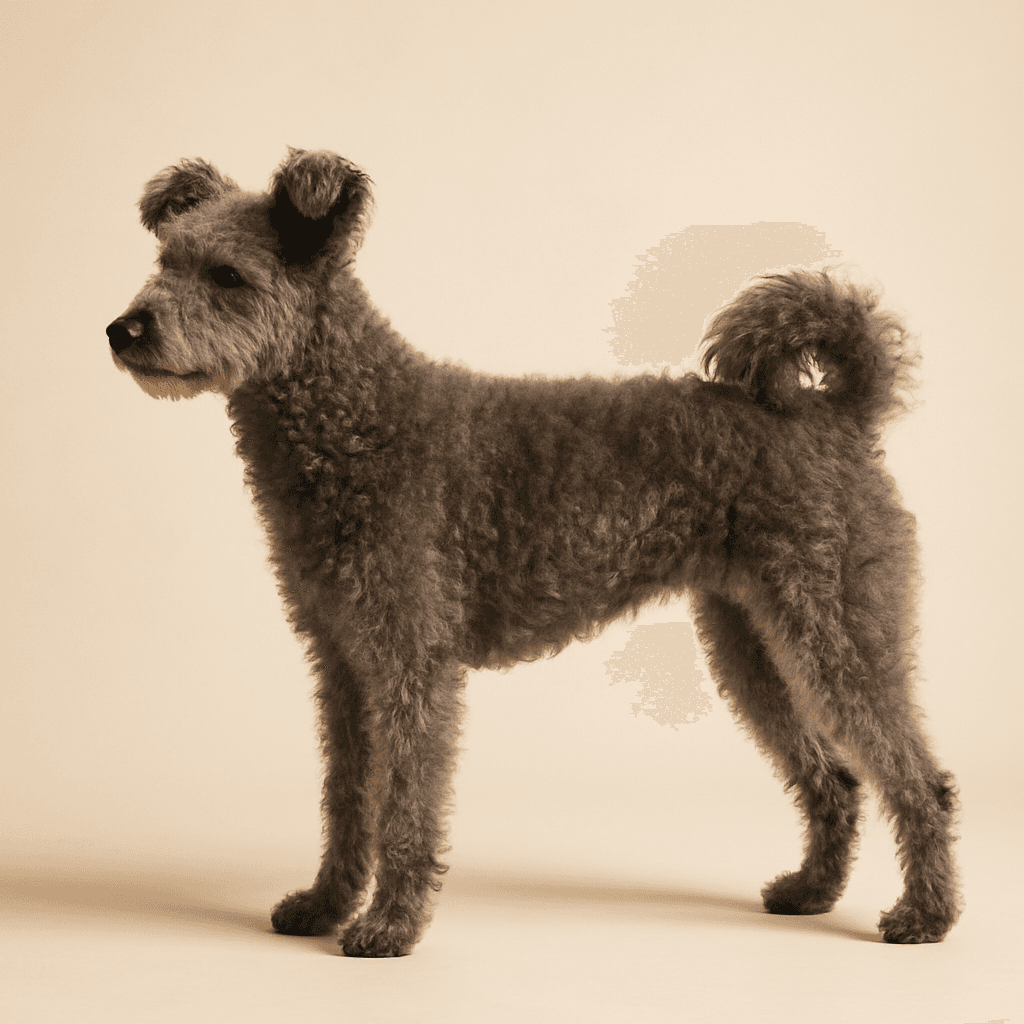
The Hungarian Pumi is a lively, versatile and highly intelligent Hungarian herding breed that occupies a distinct character niche between the quieter, more ponderous Puli and the sharp, terrier-like energy of a working small dog. Developed in Hungary from the seventeenth century onwards through crosses of the existing Hungarian herding breeds with German and French terrier-type herding dogs brought by merchants and drovers, the Pumi emerged as a distinct type suited to the more diverse herding tasks of Hungarian hillside farms, driving cattle and sheep through narrow lanes and between small fields with the alert, quick-reacting character of a dog that needs to think fast and act independently. Registered by the Kennel Club in the Pastoral Group, the Pumi is a rare breed in the United Kingdom with a small but growing following. The Pumi is a medium-sized, square-bodied dog with a distinctive curly or wavy medium-length coat and characteristic semi-erect ears with the tips folding forward - an immediately recognisable feature that distinguishes it from the Puli. The coat comes in grey, black, white or fako colouring. Adults typically stand 33 to 44 centimetres at the shoulder and weigh 8 to 13 kilograms. The overall impression is of an athletic, alert and energetic working dog. The character is lively, intelligent, loyal and vocal. The Pumi uses its voice readily and instinctively - a characteristic that served it well when driving livestock through noise and confusion but requires management in domestic settings. Bark training from puppyhood is important for owners in noise-sensitive environments. The breed is devoted to its own family and affectionate within its household, but it maintains the alert, independent character of a working herder and can be initially reserved with strangers. Intelligence and working drive are high. The Pumi is among the most capable small herding breeds for dog sports including agility, obedience, herding trials and tracking. An under-stimulated Pumi will apply its considerable energy and intelligence in ways that may not suit the household. Hip dysplasia is the primary health concern and both parents should be tested. Eye conditions including Progressive Retinal Atrophy have been documented and should be tested in breeding stock. Purchase prices where available in the UK range from £1,000 to £2,500. Monthly running costs average £80 to £140. The Hungarian Pumi Club and Hungarian breed organisations are the primary resources for breed information, health testing and responsible breeders. The Pumi's combination of moderate size, exceptional intelligence and working drive makes it one of the most rewarding herding breeds for active owners willing to meet its mental and physical needs.
Quick facts
Meet Our Hungarian Pumis
Register your dog on My Dog and it will appear here automatically.
Hungarian Pumi Photos
No photos yet. Be the first to share yours.
Add a photoActivity Feed
How much exercise does your Hungarian Pumi really need each day?
An hour to an hour and a half of genuinely vigorous exercise, every day. The Pumi is a herding breed with terrier-like sharpness and the energy to match. A gentle walk doesn't cut it. Mine thrives on agility, which suits them brilliantly because it combines speed, problem-solving and physical demand all at once. Mental stimulation is non-negotiable alongside the physical side. If you provide the body work but not the brain work, you'll end up with a vocal, restless, frustrated dog. The warning signs of an understimulated Pumi are barking and destructive behaviour, and they'll arrive faster than you'd expect. This is a busy, active breed for busy, active people. If your lifestyle doesn't genuinely accommodate that, it's the wrong breed.
30 June 2026
Any health issues to watch for with Hungarian Pumis?
Hip dysplasia is the primary concern, and both parents must be scored before you buy. Primary Lens Luxation is reported in the breed and is worth asking breeders about specifically, as it can cause sudden, painful blindness if not caught. Progressive Retinal Atrophy and other eye conditions have also been documented. The Hungarian Pumi Club is the best source for current health testing recommendations and can direct you to breeders working to the required standards. As a breed that's still relatively uncommon in the UK, the pool of health data is smaller than for mainstream breeds, which makes the importance of choosing a health-testing breeder even greater. Lifespan is good, typically 12 to 15 years in healthy stock.
30 June 2026
What's the one thing you wish you'd known before getting a Hungarian Pumi?
The voice. I knew Pumis were vocal, I'd read it, but reading it and living with it are genuinely different things. They use their bark readily, alerting to sounds, communicating, expressing frustration, commentary on life in general. It is a characteristic of the breed, part of the herding heritage, and it is not something you train out entirely. What you can do is manage it, redirect it, build good habits around when barking is appropriate. I started bark management work early and it has helped significantly, but I still have a dog that will tell me things. If you have close neighbours or thin walls, be honest with yourself about whether that suits your situation. For the right owner in the right home, it's just part of the character. For the wrong one, it becomes a genuine problem.
30 June 2026
What do you feed your Hungarian Pumi, and why?
A quality medium breed dry complete food, around 200 to 300g split across two meals. The Pumi is an active breed but not a huge eater, and I've found portion discipline matters because the curly coat can mask condition changes. I run my hands over the ribs regularly rather than just looking. Agility training days get a slightly larger portion; quieter days get slightly less. Named meat as the first ingredient is my baseline requirement. I've tried a couple of brands over the years and settled on one that keeps coat and energy levels consistent. The wavy, dense coat does seem to respond to food quality, so it's worth not cutting corners on the protein source. Fresh water down at all times.
30 June 2026
Hungarian Pumi of the Month
🏆 September 2026 -- Be the first nominee
Could be your dog.
The first dog registered in this community earns the first Dog of the Month nomination automatically.
Register your dogUpcoming Hungarian Pumi Meetups
No meetups planned yet. Be the first to organise one.
Sign in to organise a meetupCommunity Members
Be the first to join and become the Hungarian Pumi Founding Member.
Join Club