

Be the first to join. Keep the badge forever.
The first members of this community earn permanent Founding Member status. It shows on your profile and your dog's profile for as long as you're here.
- ✓Founding Member badge on your profile
- ✓Your dog featured first
- ✓First Dog of the Month nomination
- ✓Always free
⭐ Founding Member spots open
First to join gets the badge
🐕 Be the first dog registered
Add your Lab to the community
📷 Add the first photo
Start the photo wall
8
Discussions
0 members
8 discussions
About the Japanese Shiba Inu
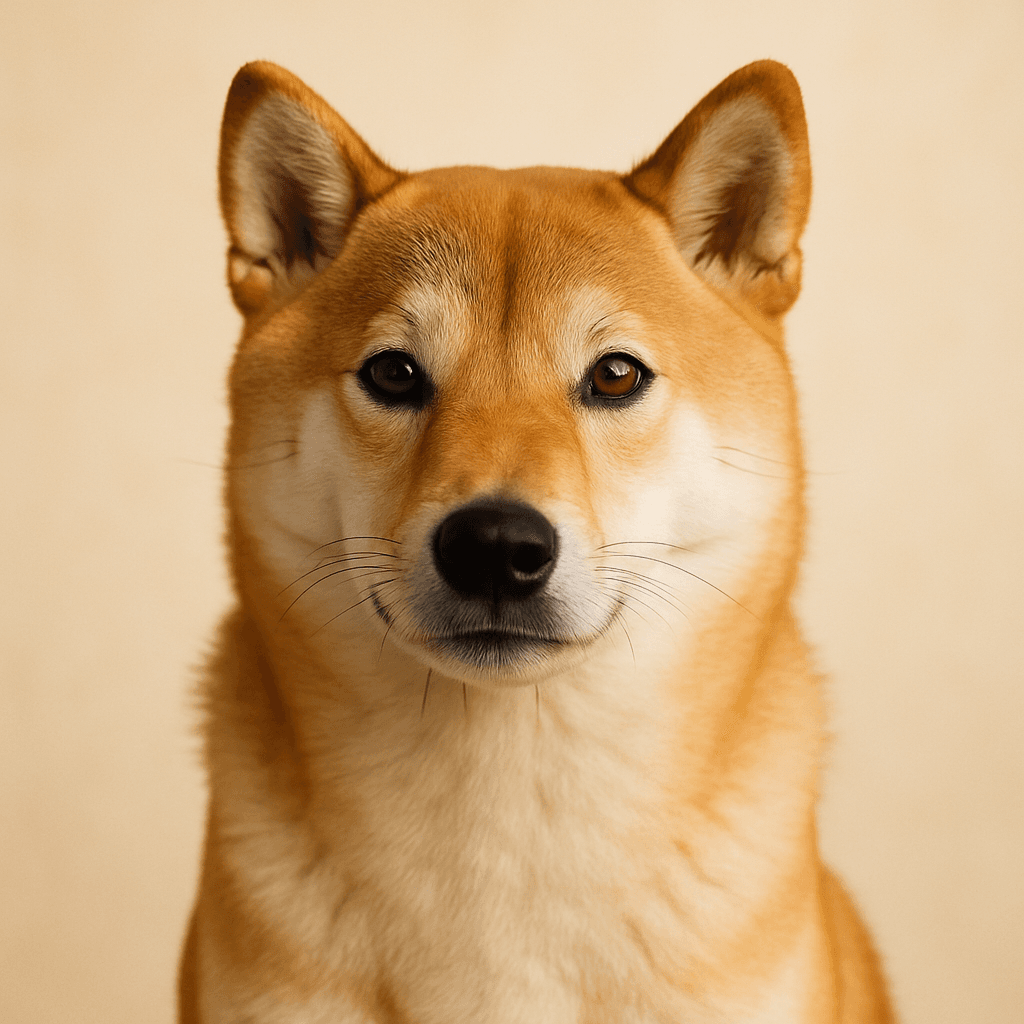
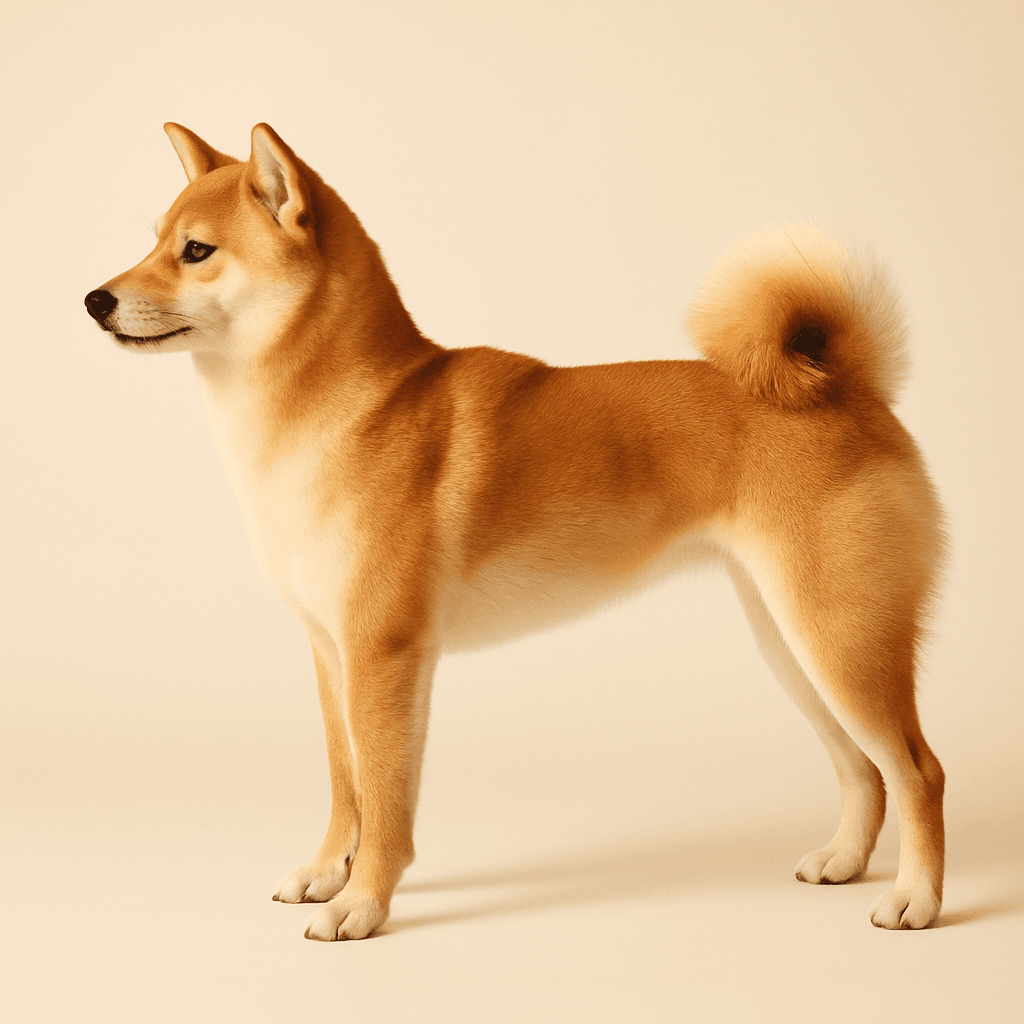
The Shiba Inu is Japan's most popular and most ancient native dog breed, a compact, bold and fox-like spitz that has been bred in Japan for thousands of years and was originally used for hunting small game and birds in the dense mountain terrain of central and southern Japan. The breed nearly became extinct during the Second World War and the canine distemper epidemic that followed, but was revived through a dedicated breeding programme using three surviving regional strains. Registered by the Kennel Club in the Utility Group, the Shiba Inu has grown significantly in popularity in the United Kingdom over recent years, partly driven by its striking appearance and considerable online cultural presence. The Shiba Inu is a well-proportioned, compact spitz with a distinctive thick double coat in red, black and tan, sesame, or cream, with characteristic urajiro pale markings on the cheeks, chest and legs. The face is fox-like with dark, triangular and confident eyes. The tail curls tightly over the back. Adults typically stand 33 to 41 centimetres at the shoulder and weigh 8 to 11 kilograms. The character is bold, independent and spirited - a genuinely primitive breed that retains strong instincts and makes its own decisions. The Shiba Inu is devoted to its own family but on its own terms: it is not a slavishly obedient or biddable dog, and those expecting the warmth and compliance of a gundog or herding breed will be surprised. It can be aloof or cautious with strangers and in unfamiliar situations. The prey drive is strong and the breed's agility and determination make escape-proofing essential. Shiba Inus are capable of scaling or undermining inadequate fencing and exercise must be on-lead in unsecured areas. The breed is known for a distinctive high-pitched vocalisation under stress or restraint, commonly known online as the Shiba scream - prospective owners should be aware that this is a real behavioural characteristic of a displeased or frightened individual and not merely an internet meme. Training requires patience, consistency and confidence. The breed responds to positive reinforcement with high-value rewards but has no natural inclination toward obedience for its own sake. Early socialisation is critical given the tendency toward aloofness with strangers. Purchase prices from KC-registered, health-tested breeders range from £1,000 to £2,500. Monthly running costs average £90 to £150. The Shiba Inu Club of Great Britain is the primary resource for breed information, health testing, responsible breeders and rescue contact.
Quick facts
Meet Our Japanese Shiba Inus
Register your dog on My Dog and it will appear here automatically.
Japanese Shiba Inu Photos
No photos yet. Be the first to share yours.
Add a photoActivity Feed
How much exercise does your Japanese Shiba Inu really need each day?
Mine needs a solid 60 to 75 minutes every day, and I mean proper exercise, not a potter round the block. Shiba Inus are genuinely athletic with real stamina, so a short walk leaves mine frustrated and the furniture pays for it. The non-negotiable rule with this breed is on-lead or securely fenced areas only. The prey drive is serious and the escape artistry is legendary. I learned that the hard way when mine spotted a squirrel in a supposedly enclosed park. Mental stimulation counts just as much as the physical miles. A 20-minute training session tires mine out more than an extra half hour of walking, so I build that into the routine. If you're hoping a Shiba Inu will tire itself out in the garden, you'll be disappointed.
30 June 2026
Any health issues to watch for with Japanese Shiba Inus?
Hip dysplasia is the one I'd check first. Both parents need hip scores, no exceptions. Beyond that, I'd look closely at eye health. Glaucoma and PRA have both been documented in the breed, so ask breeders for current eye test results. Patellar luxation is another one worth asking about specifically. Shibas can also be prone to allergies and skin flare-ups. Mine had a spell of itchy paws in her second year that turned out to be an environmental allergy. The Shiba Inu Club keeps health testing guidance up to date, and I'd go directly to them for breeder recommendations. On the positive side, Shibas are generally robust. The lifespan is 12 to 15 years, and mine is coming up to 11 with very little to report healthwise.
30 June 2026
What's the one thing you wish you'd known before getting a Japanese Shiba Inu?
That training a Shiba Inu is a negotiation, not a command exercise. I came from Border Collies. I expected intelligence to mean biddability. It does not. Shibas are extremely bright and they absolutely understand what you're asking. They just reserve the right to decide whether it's worth their while. High-value treats help, consistent and confident handling helps more, but you will never have the compliant, eager-to-please dog some breeds deliver. The temperament is bold, independent and spirited. Mine is devoted to me, genuinely and warmly, but entirely on her own terms. The Shiba scream is also real and I wish someone had demonstrated it before I brought her home. She is vocal when displeased in a way that stops strangers in the street. Brilliant, infuriating, completely addictive breed.
30 June 2026
What do you feed your Japanese Shiba Inu, and why?
A high-quality dry complete food designed for medium breeds, split across two meals a day. Mine gets around 230g daily, though I adjust that based on how she looks and feels rather than sticking rigidly to packet guidelines. Shibas can be notoriously picky eaters. Mine went through a phase of turning her nose up at food she'd eaten happily for two years, for no apparent reason. I've learned to keep mealtimes calm and uneventful. No standing over her, no coaxing. If she doesn't eat, the bowl goes away and comes back at the next meal. That sorted the fussiness within about a fortnight. Fresh water is always down. I've avoided raw feeding with her given the allergy history, though I know other Shiba owners who've had good results with it.
30 June 2026
Japanese Shiba Inu of the Month
🏆 September 2026 -- Be the first nominee
Could be your dog.
The first dog registered in this community earns the first Dog of the Month nomination automatically.
Register your dogUpcoming Japanese Shiba Inu Meetups
No meetups planned yet. Be the first to organise one.
Sign in to organise a meetupCommunity Members
Be the first to join and become the Japanese Shiba Inu Founding Member.
Join Club