


Be the first to join. Keep the badge forever.
The first members of this community earn permanent Founding Member status. It shows on your profile and your dog's profile for as long as you're here.
- ✓Founding Member badge on your profile
- ✓Your dog featured first
- ✓First Dog of the Month nomination
- ✓Always free
⭐ Founding Member spots open
First to join gets the badge
🐕 Be the first dog registered
Add your Lab to the community
📷 Add the first photo
Start the photo wall
8
Discussions
0 members
8 discussions
About the Japanese Spitz
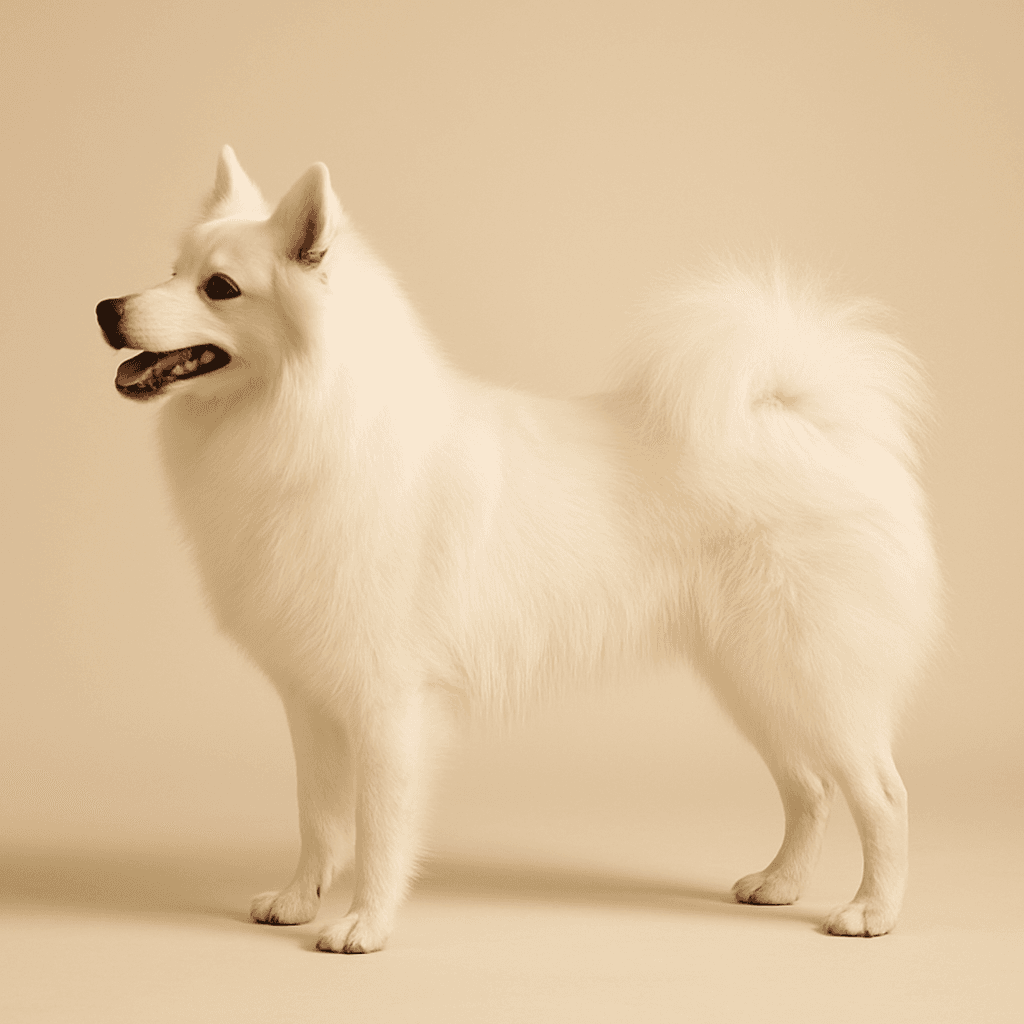
The Japanese Spitz is a beautiful and elegant white companion spitz developed in Japan during the early to mid-twentieth century, believed to have been produced through selective breeding of white German Spitz and other spitz-type dogs introduced to Japan during the 1920s and 1930s. The breed was established as a distinct type by Japanese breeders, first shown in Japan in 1948, and subsequently gained recognition in many countries worldwide. In the United Kingdom it is recognised by the United Kennel Club but not currently by the Kennel Club of Great Britain, which distinguishes it from German Spitz breeds already registered there. The Japanese Spitz is a compact and well-proportioned spitz with a profuse, pure white double coat, dark almond-shaped eyes, a fox-like pointed muzzle and a bushy tail carried over the back. Despite the abundant coat, the breed is remarkably clean - the outer coat has a natural tendency to shed dirt and does not mat easily. Adults typically stand 30 to 38 centimetres at the shoulder and weigh 5 to 10 kilograms. The character is cheerful, affectionate and genuinely engaging. The Japanese Spitz is people-oriented and devoted to its family, good with children and generally sociable with other dogs. It is alert and will announce visitors, but is not a nuisance barker. It is playful and active without being demanding, and adapts well to a range of living situations including smaller homes and flats, provided it receives adequate daily exercise and mental stimulation. By spitz standards the Japanese Spitz is among the more biddable and trainable breeds, responding well to positive reward-based methods and enjoying the engagement of learning new behaviours. Early socialisation is important to ensure the natural alertness with strangers does not develop into excessive caution or anxiety. Patellar luxation is the primary health concern and both parents should be assessed. Eye conditions including hereditary cataract have been documented in the breed. Given the absence of KC recognition in the UK, formal health testing schemes are less developed than for KC-registered breeds and prospective owners should research breeders carefully. Purchase prices range from £800 to £2,000. Monthly running costs average £75 to £130. Spitz enthusiast groups and the Japanese Spitz Club are the most useful contacts. Despite the white coat and spitz appearance, the breed is not related to the Samoyed and is considerably smaller - a point frequently misunderstood by prospective owners. The breed makes a rewarding first spitz experience.
Quick facts
Meet Our Japanese Spitzs
Register your dog on My Dog and it will appear here automatically.
Japanese Spitz Photos
No photos yet. Be the first to share yours.
Add a photoActivity Feed
How much exercise does your Japanese Spitz really need each day?
Mine is quite manageable compared to many spitz breeds. Around 40 to 45 minutes of walking daily keeps her happy, split into two outings. She's not as demanding as, say, a Samoyed or an Akita. She genuinely enjoys walks and play sessions, but she's equally happy with an indoor game or a training session if the weather is grim. What I've found is that she adapts well to the household's energy level. Busier days with more activity, she rises to it. Quieter days, she's perfectly content. Mental stimulation through training keeps her engaged. She picks up new things quickly and enjoys having a job to do. For anyone in a flat or smaller space, the Japanese Spitz is genuinely one of the more accommodating spitz types to live with.
30 June 2026
Any health issues to watch for with Japanese Spitz?
Patellar luxation is the main thing to ask breeders about. Both parents should be assessed before any puppy purchase. Mine has been clear at every vet check, but I know owners whose dogs have needed surgery. Eye health is worth monitoring too. Hereditary cataract has been documented in the breed. It's worth asking breeders whether any eye testing has been done, even informally. One complication with the Japanese Spitz in the UK is that the breed isn't KC-recognised, so formal health testing schemes are limited compared to registered breeds. That means you're relying more heavily on the individual breeder's diligence. Do your research on the breeder thoroughly. The lifespan is genuinely good at 12 to 16 years. My girl is eight and fit as a fiddle.
30 June 2026
What's the one thing you wish you'd known before getting a Japanese Spitz?
How much they bark. Not aggressively, never aggressively. Mine is the friendliest dog I've owned. But she is alert and she will announce visitors, passersby, foxes in the garden and occasionally nothing at all that I can identify. The temperament is genuinely lovely: cheerful, affectionate, great with children, sociable with other dogs. She slots into family life brilliantly. But that spitz alertness means barking comes with the package. Managing it early with calm, consistent responses makes a real difference. I wish I'd been more proactive in the first few months rather than letting the habit establish itself. The other thing worth knowing is that white coat upkeep sounds more daunting than it actually is. Weekly brushing and she stays remarkably clean. The coat sheds twice a year properly, and that's when you'll need commitment.
30 June 2026
What do you feed your Japanese Spitz, and why?
A high-quality small to medium breed complete dry food, around 180g per day across two meals. Japanese Spitz aren't particularly big eaters relative to their size and energy, so I keep a close eye on body condition rather than following packet amounts too literally. Mine has stayed in great shape on her current food for years. I did try raw feeding for about six months and she did well on it, but I found the practicalities didn't fit my schedule. Whole chicken wings were her favourite. I switched back to a premium kibble and she's been just as well on that. Fresh water is always available, particularly important as she does tend to drink more after exercise. I avoid anything with artificial colourings or low-quality fillers, which seems to suit her digestion well.
30 June 2026
Japanese Spitz of the Month
🏆 September 2026 -- Be the first nominee
Could be your dog.
The first dog registered in this community earns the first Dog of the Month nomination automatically.
Register your dogUpcoming Japanese Spitz Meetups
No meetups planned yet. Be the first to organise one.
Sign in to organise a meetupCommunity Members
Be the first to join and become the Japanese Spitz Founding Member.
Join Club