
Be the first to join. Keep the badge forever.
The first members of this community earn permanent Founding Member status. It shows on your profile and your dog's profile for as long as you're here.
- ✓Founding Member badge on your profile
- ✓Your dog featured first
- ✓First Dog of the Month nomination
- ✓Always free
⭐ Founding Member spots open
First to join gets the badge
🐕 Be the first dog registered
Add your Lab to the community
📷 Add the first photo
Start the photo wall
8
Discussions
0 members
8 discussions
About the Jug
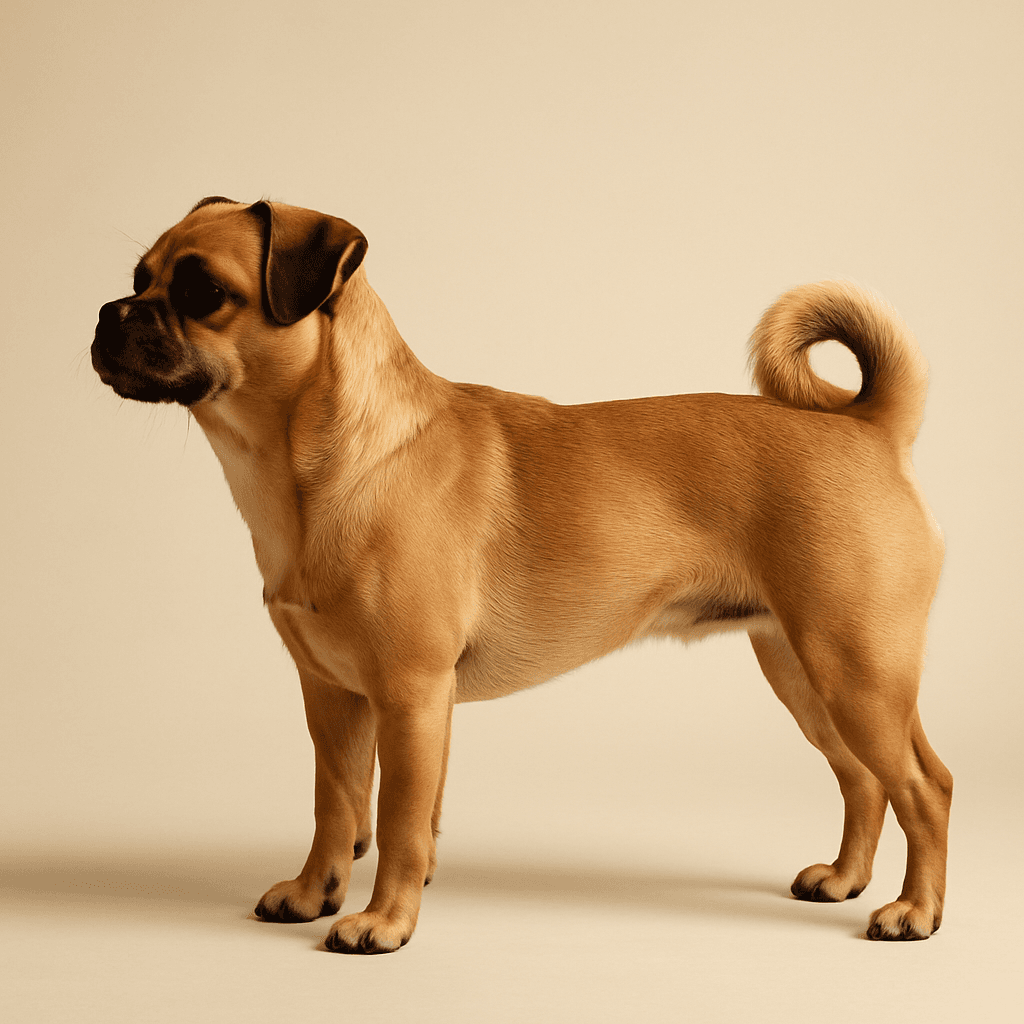
The Jug is a crossbreed produced from a Jack Russell Terrier and a Pug, combining two small breeds of very different background and physical type into a compact, spirited companion. The cross emerged during the early twenty-first century as part of the broad wave of intentional crossbreeding that produced many named hybrid dogs, with the stated goal of combining the Pug's sociable character with the Jack Russell's energy and reduced likelihood of severe brachycephalic issues. The crossbreed is not recognised by the Kennel Club and has no formal breed standard, breed club or mandatory health testing programme. Appearance varies significantly between individuals. Most Jugs are compact, sturdy small dogs weighing 6 to 9 kilograms. The degree of flat-facedness inherited from the Pug parent varies considerably - some individuals have a substantially extended muzzle compared to a purebred Pug, others retain a notably flat face with associated breathing implications. Coat is short, dense and smooth. Colouring varies widely. The character combines two very different personalities. The Pug contributes sociability, warmth, charm and the generally good-natured comedic quality that has made it enduringly popular. The Jack Russell contributes energy, prey drive, determination and the alert, active character of a working terrier. The result is typically a lively, affectionate and engaging small dog with more energy and drive than a purebred Pug would suggest. The most important health consideration is the brachycephalic risk from the Pug parent. Brachycephalic Obstructive Airway Syndrome is a serious welfare concern in Pugs and can be inherited in crosses to a variable degree. Insisting on BOAS grading of the Pug parent is important, as is observing any puppy carefully for signs of breathing difficulty before committing to purchase. Pug-specific conditions including Pug Dog Encephalitis - a fatal neurological condition - and eye conditions can also potentially be inherited. The Jack Russell parent introduces the risk of lens luxation, a painful and potentially blinding condition documented in the breed. No responsible breeder should produce Jug crosses without eye testing and relevant DNA screening of both parents. Purchase prices range from £500 to £1,200. Monthly running costs average £65 to £110. Pug rescue organisations, Dogs Trust and general rescue are the most useful contacts. The breed has grown rapidly in popularity and appearance varies significantly - photographs of puppies can be misleading regarding the degree of flat-facedness that will be expressed at maturity. Health screening of both parents before breeding is the minimum standard any responsible breeder should meet.
Quick facts
Meet Our Jugs
Register your dog on My Dog and it will appear here automatically.
Jug Photos
No photos yet. Be the first to share yours.
Add a photoActivity Feed
What's the one thing you wish you'd known before getting a Jug?
How stubborn the Pug temperament could come through. Mine is bright and picks things up quickly, which is the Jack Russell gift. But he has a very clear sense of when he wants to comply and when he does not, and that is entirely the Pug. Positive reinforcement works well. High-value treats, short sessions, lots of enthusiasm. What doesn't work is repetition when he's bored, or any approach that feels like pressure. He simply switches off. The temperament overall is genuinely lovely: affectionate, lively, great with children, sociable. He's the friendliest dog at any park. The stubbornness is the thing that needs managing early and consistently. I'd also say that character varies significantly between individual Jugs depending on which parent they take after most, so meeting the puppy's parents is really worthwhile before committing.
30 June 2026
What do you feed your Jug, and why?
A small breed complete dry food in controlled portions, and I'm quite strict about it. The Pug influence means Jugs can be enthusiastic overeaters, and mine would eat until he was ill if given the chance. He gets around 180g a day split across two meals, and I measure it rather than estimating. Every treat comes out of his daily allowance. I've found the calorie discipline makes a real difference to his weight, which matters for joint health and, importantly, for his airway. Carrying extra weight worsens breathing in brachycephalic dogs noticeably. He gets a good quality kibble with decent protein content, no artificial additives. I've experimented with wet food toppers and he enjoys them but they make portion control harder, so I use them sparingly. Fresh water is always available and he drinks well.
30 June 2026
How much exercise does your Jug really need each day?
Around 45 minutes a day is the sweet spot for mine, though the Jack Russell side of him would happily do more. He's lively and playful. The key thing with Jugs is watching the Pug side of the equation, particularly in warm weather. If your Jug has a flatter face, heat is genuinely dangerous and you need to exercise early morning or evening in summer, never midday. Mine has a reasonably open airway but I still keep a close eye on his breathing during walks. Secure areas are important too. The terrier prey drive is real. Mine clocked a squirrel through a gap in a hedge and was gone before I blinked. Off-lead freedom needs to be earned gradually and only in properly enclosed spaces. Play sessions at home count towards the daily total and he loves them.
30 June 2026
Any health issues to watch for with Jugs?
The Pug parent's brachycephalic risks are the biggest concern and the first thing to investigate. Ask specifically whether the Pug parent has been BOAS assessed. This matters more than almost anything else because breathing difficulties are lifelong and can require expensive surgery. Beyond airway issues, Pug hereditary conditions can come through in Jugs. Pug Dog Encephalitis is a devastating neurological condition, and while it's breed-specific to Pugs, the cross means it's worth asking breeders about. Eye conditions and skin-fold issues from the Pug side are also possible. From the Jack Russell side, lens luxation is the one to watch for. It's a painful and vision-threatening condition with a DNA test available. Ask whether the Jack Russell parent was tested. Lifespan is 12 to 15 years when the breeding has been done responsibly.
30 June 2026
Jug of the Month
🏆 September 2026 -- Be the first nominee
Could be your dog.
The first dog registered in this community earns the first Dog of the Month nomination automatically.
Register your dogUpcoming Jug Meetups
No meetups planned yet. Be the first to organise one.
Sign in to organise a meetupCommunity Members
Be the first to join and become the Jug Founding Member.
Join Club