Be the first to join. Keep the badge forever.
The first members of this community earn permanent Founding Member status. It shows on your profile and your dog's profile for as long as you're here.
- ✓Founding Member badge on your profile
- ✓Your dog featured first
- ✓First Dog of the Month nomination
- ✓Always free
⭐ Founding Member spots open
First to join gets the badge
🐕 Be the first dog registered
Add your Lab to the community
📷 Add the first photo
Start the photo wall
8
Discussions
0 members
8 discussions
About the Keeshond
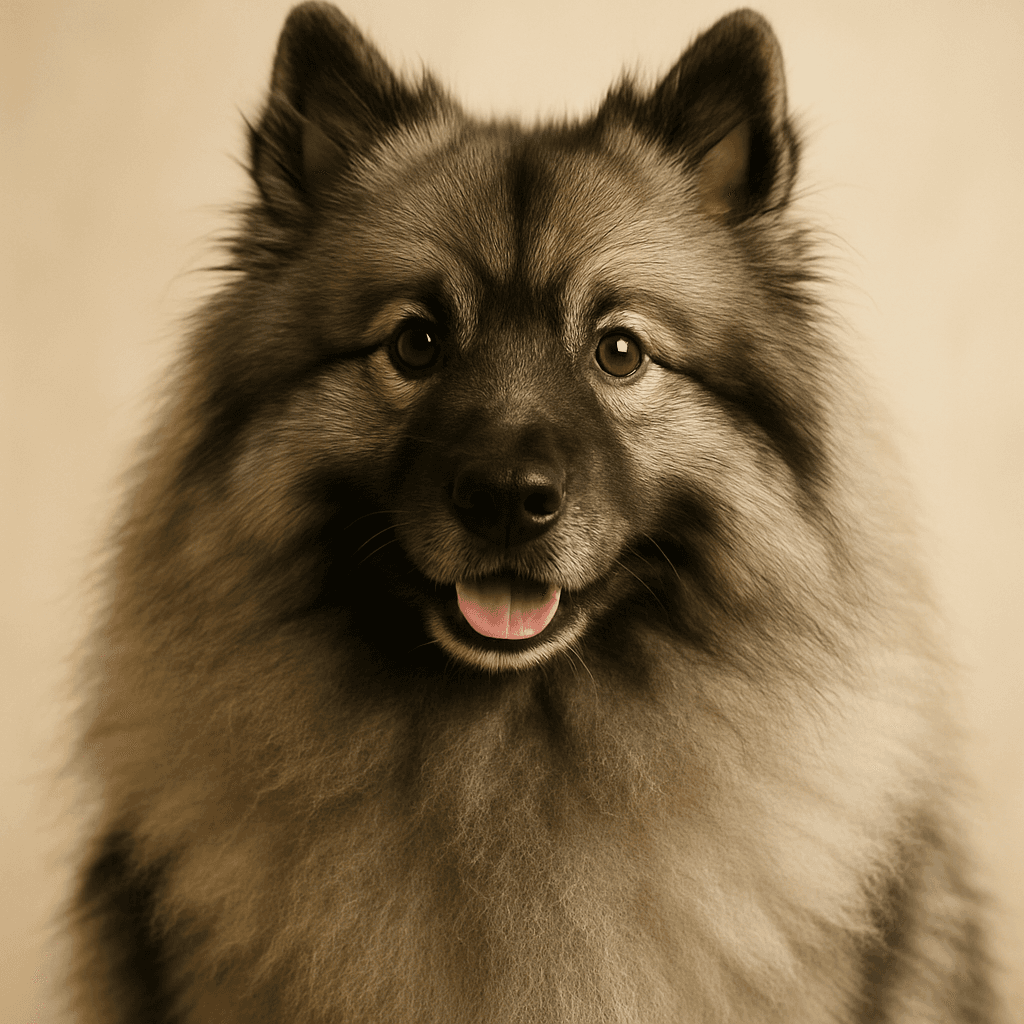
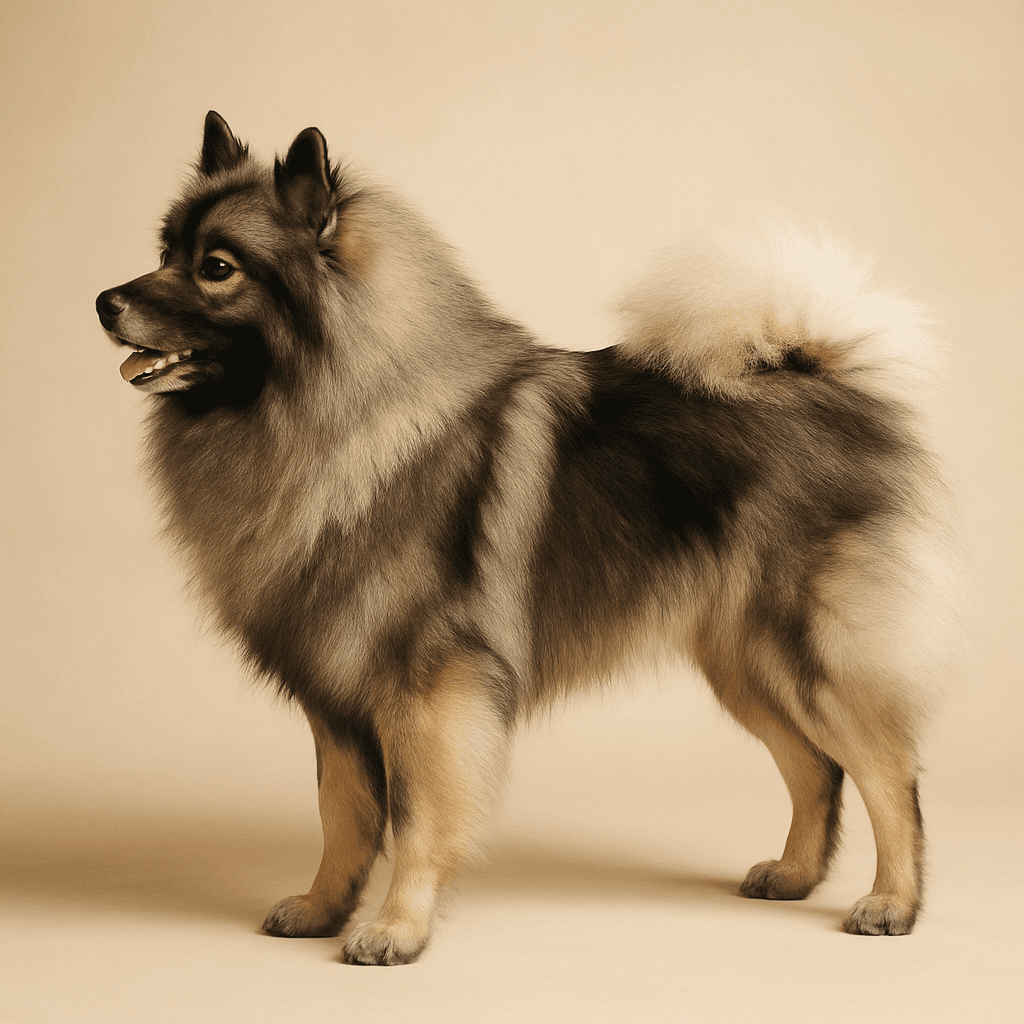
The Keeshond is a handsome and characterful Dutch spitz breed with a long history as a barge dog and companion on the canals and waterways of the Netherlands. The breed takes its name from the eighteenth-century Dutch patriot Cornelis de Gyselaer, whose nickname was Kees and whose dog, also named Kees, became a symbol of the Dutch Patriot political movement in the 1780s. After a period of decline in the Netherlands, the breed was revived in the early twentieth century and was recognised by the Kennel Club of Great Britain in the Utility Group, where it remains a well-regarded if moderately uncommon presence. The Keeshond is an immediately recognisable dog. The profuse double coat forms a characteristic lion-like mane around the neck and shoulders, with the thick tail carried in a tight curl over the back. The face shows the distinctive spectacles markings - a pattern of shading and lines around the eyes that gives the breed a characteristic alert and almost quizzical expression. The coat is grey, black and cream in a specific wolf-grey pattern, with a pale underbody. Adults typically stand 43 to 46 centimetres at the shoulder and weigh 16 to 20 kilograms. The character is outgoing, affectionate and genuinely people-focused. The Keeshond is a companion breed through and through - it bonds closely with its family, is good with children, generally sociable with other dogs and has an adaptable, willing quality that makes it more trainable than many spitz breeds. It does not do well in isolation and is happiest when involved in family life. It is an alert watchdog and will announce visitors, though it is not a guard dog. Training is enjoyable with a Keeshond. The breed responds well to positive reinforcement and has been successful in obedience, agility and other dog sports. It is an enthusiastic and engaging training partner. Health considerations include Hip Dysplasia, for which hip scoring is recommended. Hereditary heart conditions and Hyperadrenocorticism (Cushing's disease) have been documented in the breed, and eye testing is recommended. The breed can also be affected by Primary Hyperparathyroidism, for which a DNA test is available - responsible breeders should test before breeding. Purchase prices from KC-registered, health-tested breeders range from £1,000 to £2,000. Monthly running costs average £80 to £140. The Keeshond Club is the primary resource for breed information, health testing guidance, responsible breeders and rescue contact.
Quick facts
Meet Our Keeshonds
Register your dog on My Dog and it will appear here automatically.
Keeshond Photos
No photos yet. Be the first to share yours.
Add a photoActivity Feed
How much exercise does your Keeshond really need each day?
My Keeshond needs between 60 and 90 minutes a day, which sounds like a lot until you realise how adaptable they are about how that time is spent. He loves a proper walk but he's equally engaged by a training session, a game in the garden or a trip somewhere interesting. He's active without being relentless about it. The mental stimulation side is genuinely important with Keeshonds. A walk that includes some training work or puzzle-solving content tires him out far more effectively than the same distance done at a plod. He excels at agility and we do a session weekly, which I'd recommend to any Keeshond owner. It suits their energy, their intelligence and their love of engaging with their person. They're not a breed that does well being left in a garden to self-exercise.
30 June 2026
Any health issues to watch for with Keeshonds?
Hip dysplasia is the first thing to check. Both parents need hip scores, and I wouldn't buy a puppy without seeing them. Eye conditions including PRA and hereditary cataract are documented in the breed, so eye testing of parents is worth asking about. Epilepsy is the one that concerns me most. It's a known issue in Keeshonds and the advice is to ask breeders directly about family history and be transparent if you have concerns later on. Autoimmune conditions have also been reported. The Keeshond Club does monitor breed health and is a useful resource. On the positive side, Keeshonds are generally a robust and healthy breed with a decent lifespan of 12 to 15 years. Mine is 9 and has had nothing significant. Regular vet checks and good breeding selection are your best protection.
30 June 2026
What's the one thing you wish you'd known before getting a Keeshond?
The barking. Keeshonds are expressive, vocal dogs and mine announces every arrival, every noise at the door and occasionally things I cannot hear at all. It's not aggressive, it's alerting, and the breed was historically used as a barge watchdog in the Netherlands, so it's deeply baked in. Managing it requires consistent, calm responses from the very start. What I wish I'd done earlier is teach a specific quiet cue and reinforce it reliably rather than just telling him off. The temperament is otherwise a complete joy. He's sociable, warm, excellent with children, brilliant with other dogs. He loves people and being involved in whatever the household is doing. He's known for his expressive face and those spectacular spectacle markings. Genuinely one of the most characterful and engaging dogs I've lived with.
30 June 2026
What do you feed your Keeshond, and why?
A high-quality medium breed complete dry food, around 250g a day across two meals. Mine has been on the same food for several years and does well on it. Keeshonds have a thick double coat that benefits from good nutrition, and I notice his coat condition noticeably when I've trialled lower-quality foods. Omega fatty acids in the food or as a supplement make a visible difference. I keep an eye on body condition regularly because the coat makes it easy to miss weight gain until it's significant. I run my hands along his ribs at least weekly. He's not a particularly greedy dog, which makes portion control straightforward. Fresh water is always down and he drinks well. I give occasional raw meat pieces as enrichment but his base diet is a quality complete food that I trust.
30 June 2026
Keeshond of the Month
🏆 September 2026 -- Be the first nominee
Could be your dog.
The first dog registered in this community earns the first Dog of the Month nomination automatically.
Register your dogUpcoming Keeshond Meetups
No meetups planned yet. Be the first to organise one.
Sign in to organise a meetupCommunity Members
Be the first to join and become the Keeshond Founding Member.
Join Club