

Be the first to join. Keep the badge forever.
The first members of this community earn permanent Founding Member status. It shows on your profile and your dog's profile for as long as you're here.
- ✓Founding Member badge on your profile
- ✓Your dog featured first
- ✓First Dog of the Month nomination
- ✓Always free
⭐ Founding Member spots open
First to join gets the badge
🐕 Be the first dog registered
Add your Lab to the community
📷 Add the first photo
Start the photo wall
8
Discussions
0 members
8 discussions
About the Kerry Blue Terrier
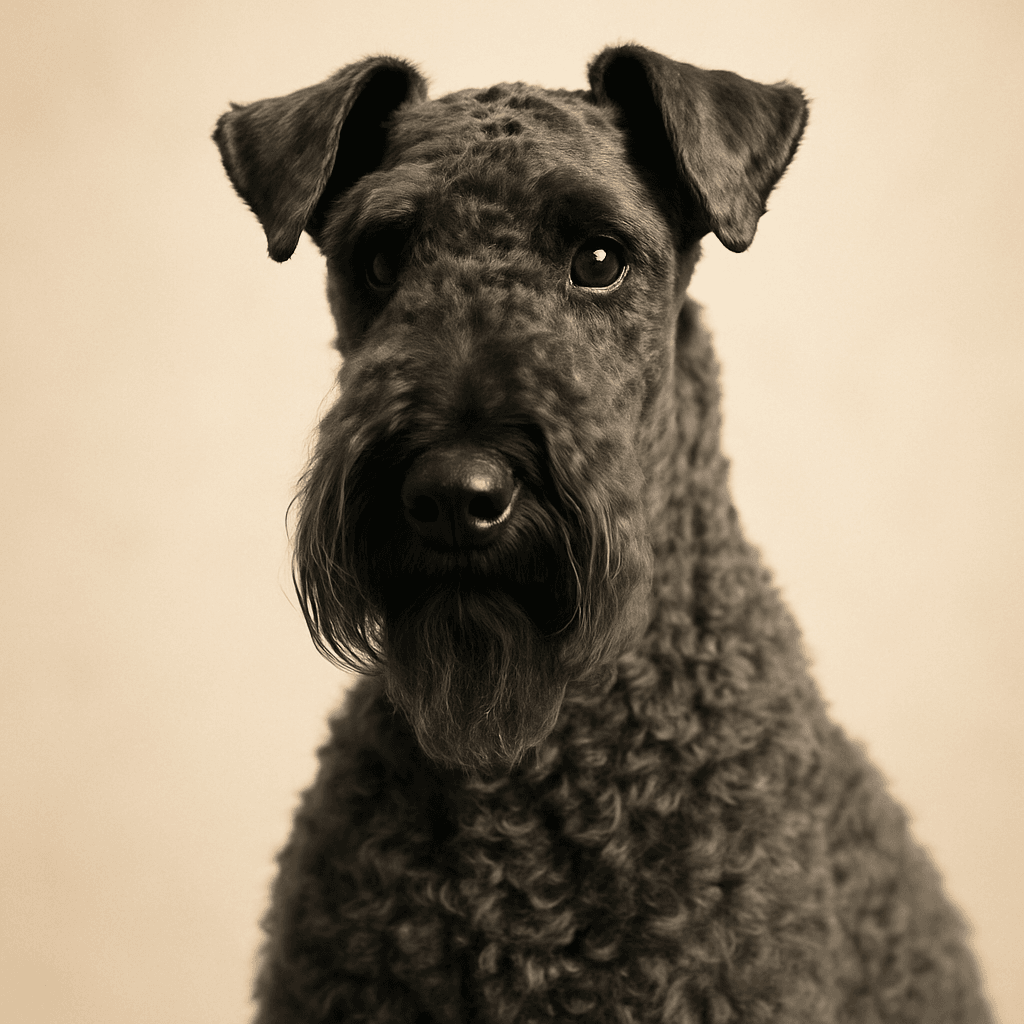
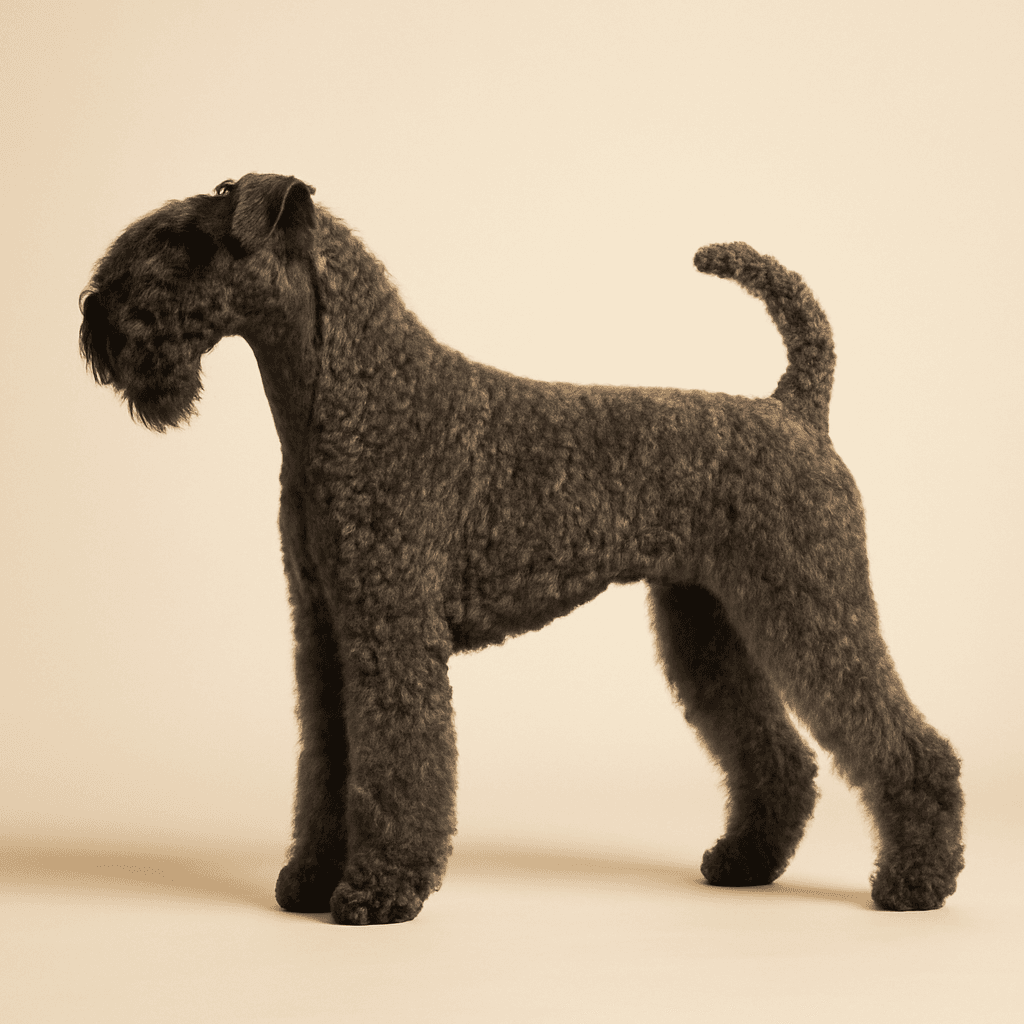
The Kerry Blue Terrier is Ireland's national dog breed, a spirited and versatile working terrier that originated in County Kerry in the south-west of Ireland and was used there for centuries for hunting, herding, retrieving and general farm work. The breed was first shown in Dublin in 1913 and recognised by the Kennel Club in the Terrier Group, becoming established in the United Kingdom as a show dog and companion while retaining the working character that defines the best of the terrier group. The breed is immediately distinctive - the wavy, soft and dense blue-grey coat is found in no other breed and is the defining physical characteristic. Puppies are born black; the coat clears to the characteristic blue between 18 months and two years of age, going through phases of dark and light during the transition. The coat requires regular grooming and trimming to maintain shape and condition. Adults typically stand 44 to 51 centimetres at the shoulder and weigh 15 to 18 kilograms. The character is bold, spirited and confident - a true terrier in every sense. The Kerry Blue is an alert, active and engaged dog that is devoted to its own family, lively in play and possessed of the independence and self-reliance characteristic of the working terrier. It can be strong-willed and is not ideally suited to inexperienced owners who lack confidence in handling a determined dog. Same-sex dog aggression is a documented tendency and introductions to other dogs should be managed carefully. Training requires consistency, patience and the kind of confident handling that a working terrier respects. The Kerry Blue is intelligent and capable of considerable achievement in training but will not respond to harsh or uncertain handling. Positive reinforcement combined with clear boundaries works well. Health considerations include Progressive Neuronal Abiotrophy - a serious neurological condition for which a DNA test is available - and all responsible breeders should test before breeding. Hip Dysplasia and eye conditions including Multifocal Retinal Dysplasia are also documented concerns. Purchase prices from KC-registered, health-tested breeders range from £1,000 to £2,000. Monthly running costs average £90 to £150. The Kerry Blue Terrier Club of Great Britain is the primary resource for breed information, health testing, responsible breeders and rescue contact.
Quick facts
Meet Our Kerry Blue Terriers
Register your dog on My Dog and it will appear here automatically.
Kerry Blue Terrier Photos
No photos yet. Be the first to share yours.
Add a photoActivity Feed
How much exercise does your Kerry Blue Terrier really need each day?
At least 60 to 75 minutes of proper vigorous exercise every day, and mine would take more if I offered it. Kerry Blues are working terriers with genuine athletic ability and real stamina. A slow amble around the neighbourhood does not cut it. He needs something that actually challenges him physically. Off-lead running in a securely fenced area, agility work, retrieving sessions in a field. The prey drive is significant and recall in open spaces has to be earned carefully and never fully trusted around livestock or wildlife. Mental stimulation through training is also important. A Kerry that isn't mentally and physically exercised is a Kerry that finds its own entertainment, and that entertainment is usually destructive. If you live somewhere with access to proper outdoor space and varied terrain, this breed will thrive. Urban living with minimal exercise is not well matched to the Kerry Blue.
30 June 2026
Any health issues to watch for with Kerry Blue Terriers?
Progressive Neuronal Abiotrophy is the serious one. It's a degenerative neurological condition specific to the breed and DNA testing is strongly recommended. Ask breeders for test results from both parents. This is non-negotiable for me when advising anyone on buying a Kerry Blue puppy. Hip dysplasia can also occur, so hip scores are worth requesting. Eye conditions have been documented. The Kerry Blue Terrier Club monitors breed health and I'd go directly to them for guidance on current testing recommendations and reputable breeders. The lifespan is a healthy 12 to 15 years for a well-bred dog. Mine is 7 and robust in every respect, but I was careful about breeder selection and asked a lot of questions before buying. The PNA testing specifically is what separates responsible breeders from careless ones in this breed.
30 June 2026
What's the one thing you wish you'd known before getting a Kerry Blue Terrier?
How critical early and extensive socialisation is for dog-dog relations. Kerry Blues can be combative with other dogs, particularly same sex, and it's not a quirk you can train away later. It's a deeply characteristic terrier trait that has to be managed from day one through proper socialisation and careful handling. Mine is manageable around known dogs but I wouldn't trust him loose in a mixed dog park with unfamiliar animals. What I genuinely wasn't prepared for was how entertaining they are within the home. The Kerry Blue is playful, loyal and genuinely affectionate with its own family. Bold and brave, with a sense of humour. Not a laid-back breed, not an easy first dog, but with experienced, confident handling and proper socialisation, one of the most rewarding and characterful terriers you'll ever own.
30 June 2026
What do you feed your Kerry Blue Terrier, and why?
A medium breed complete dry food with a decent protein content, around 300g a day split into two meals. Kerry Blues are athletic dogs and the food needs to support that. Mine works hard physically and I adjust portions upward slightly in periods of more intensive exercise. I've tried raw feeding and it suited him well, but I've settled on a premium complete kibble for the convenience and consistency. The Kerry's wavy coat benefits from good nutrition. Coat condition is one of the things I notice first if I trial a lower-quality food. I use a fish oil supplement which makes a visible difference to coat quality and skin health. Body condition monitoring is part of my routine. Kerry Blues are generally good keepers and don't tend toward obesity, but tracking body condition is good practice with any breed. Fresh water always available.
30 June 2026
Kerry Blue Terrier of the Month
🏆 September 2026 -- Be the first nominee
Could be your dog.
The first dog registered in this community earns the first Dog of the Month nomination automatically.
Register your dogUpcoming Kerry Blue Terrier Meetups
No meetups planned yet. Be the first to organise one.
Sign in to organise a meetupCommunity Members
Be the first to join and become the Kerry Blue Terrier Founding Member.
Join Club