

Be the first to join. Keep the badge forever.
The first members of this community earn permanent Founding Member status. It shows on your profile and your dog's profile for as long as you're here.
- ✓Founding Member badge on your profile
- ✓Your dog featured first
- ✓First Dog of the Month nomination
- ✓Always free
⭐ Founding Member spots open
First to join gets the badge
🐕 Be the first dog registered
Add your Lab to the community
📷 Add the first photo
Start the photo wall
8
Discussions
0 members
8 discussions
About the Kishu Ken
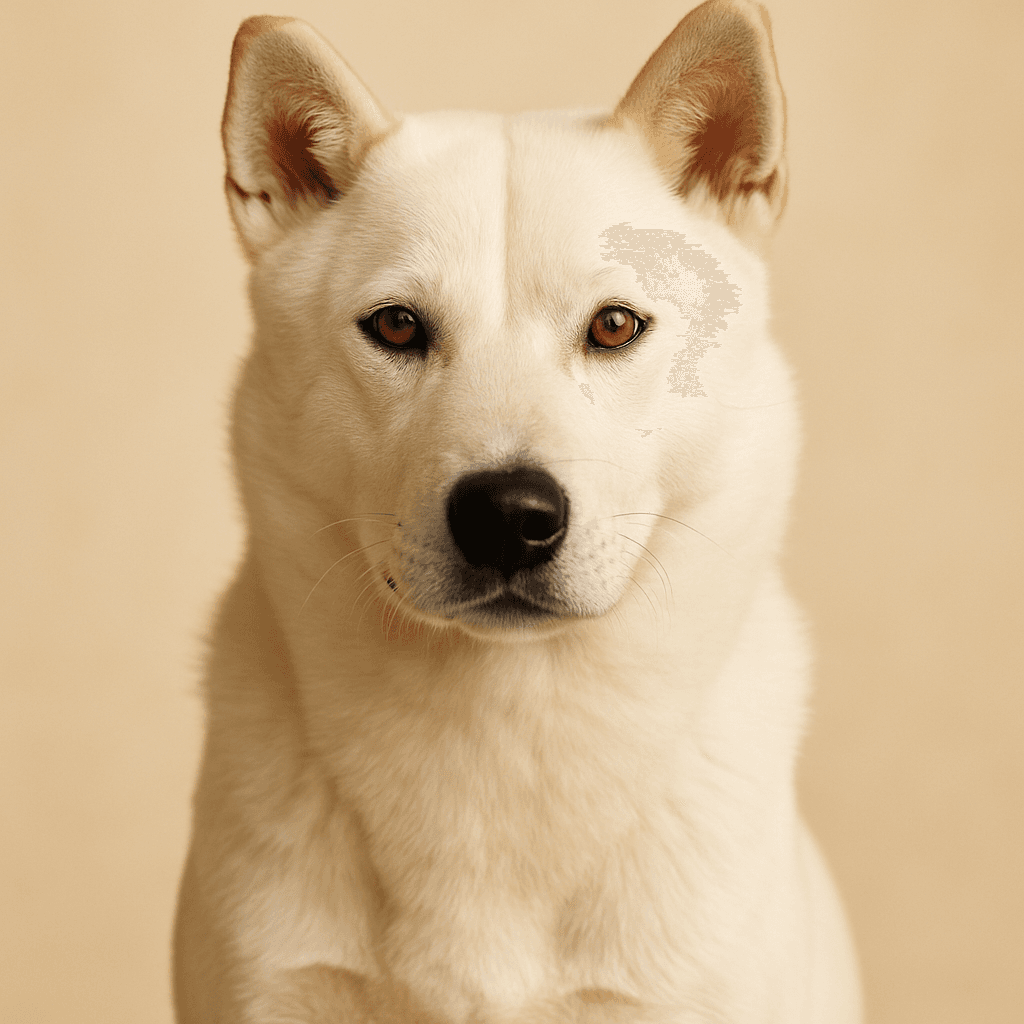
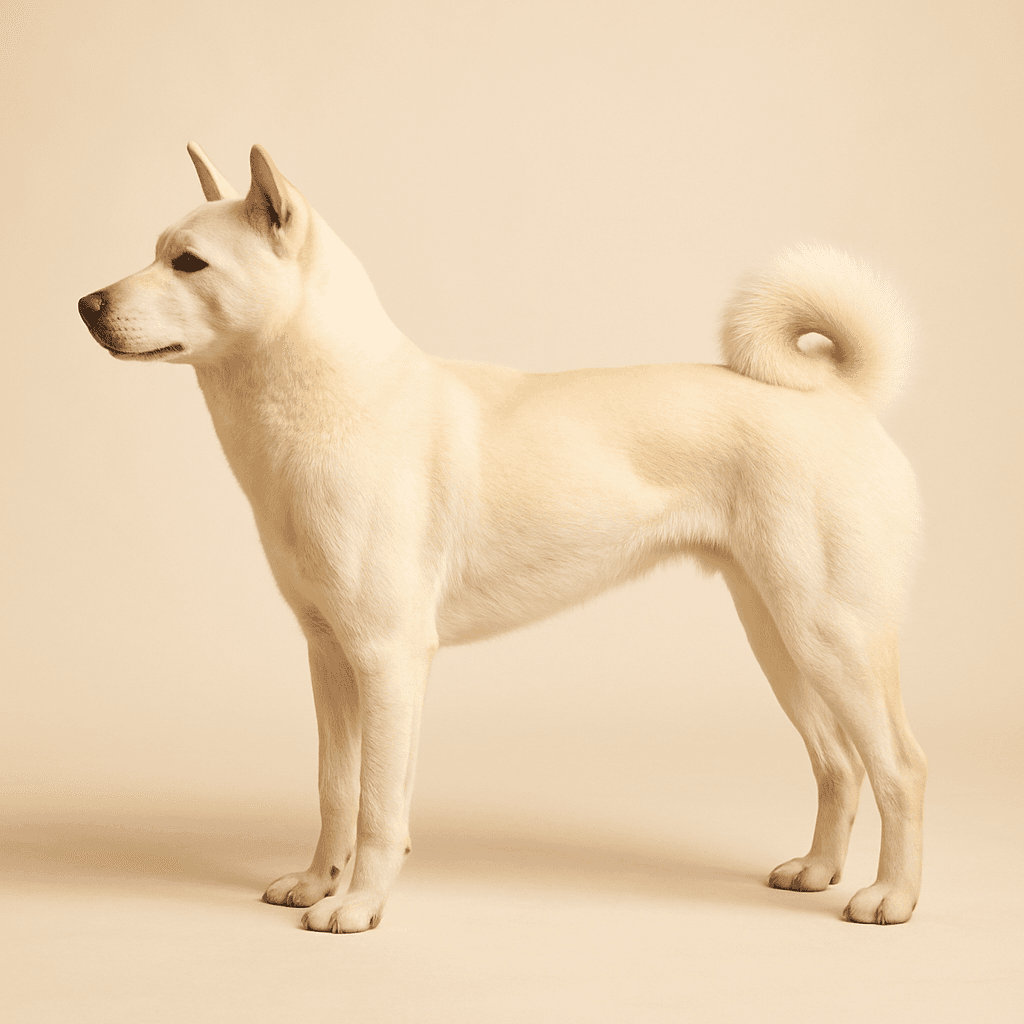
The Kishu Ken is one of Japan's ancient native spitz breeds, a medium-sized hunting dog developed for centuries in the Kishu region of central Japan (modern Wakayama and Mie prefectures) and used traditionally for hunting wild boar and deer in mountainous terrain. The breed shares its origins with other Japanese native spitz including the Shiba Inu, Shikoku and Hokkaido, all produced by the same ancient hunting dog stock, but developed its own distinct type through geographical isolation and regional selective breeding. The Kishu Ken was designated a Natural Monument of Japan in 1934. It is recognised by the FCI but remains rare outside Japan and is virtually unknown as a companion breed in the United Kingdom. The Kishu Ken is a clean-cut, well-muscled medium spitz of considerable natural elegance. The majority of modern Kishu are white - the solid white coat became dominant through selective breeding during the twentieth century, though sesame and red individuals exist. The coat is short, thick and double. Adults typically stand 43 to 55 centimetres at the shoulder and weigh 14 to 27 kilograms. The character is loyal, calm, and independent - considerably less demonstrative than the Shiba Inu but sharing many of the same primitive instincts. The Kishu is deeply devoted to its own family but not typically outgoing with strangers, and early socialisation is important. The hunting background instils a strong prey drive and significant independence - this is not a breed that will defer naturally to its owner's wishes. As a rare breed in the UK, finding a responsible breeder requires considerable research. Formal health testing programmes are less developed than for KC-registered breeds given the rarity of the breed here. Hip Dysplasia and eye conditions have been documented. The hunting heritage means a secure and substantial garden is essential, and recall cannot be assumed reliable. Purchase prices are difficult to characterise given the rarity of availability in the UK. Prospective owners should expect to wait for a puppy and may need to source from European or international breeders. Monthly running costs average £90 to £150. The rarity of this breed in the UK makes it genuinely unsuitable as a first dog and demands owner research beyond what is typical for a companion breed.
Quick facts
Meet Our Kishu Kens
Register your dog on My Dog and it will appear here automatically.
Kishu Ken Photos
No photos yet. Be the first to share yours.
Add a photoActivity Feed
How much exercise does your Kishu Ken really need each day?
Mine needs 60 to 75 minutes of vigorous activity every day without exception. The Kishu Ken is a Japanese hunting dog with genuine endurance, and a short walk on a lead around the block leaves mine frustrated and restless. What works is proper off-lead running in a fully secure environment, ideally with terrain and varied smells to engage the hunting instinct. The prey drive is extremely strong. I have never let mine off-lead in an unsecured area and I never will. The recall simply cannot compete with a hunting target. As rare as the breed is in the UK, finding other Kishu owners or even a knowledgeable trainer can be difficult, so I'd recommend doing serious research before committing. Mental stimulation is as important as the physical exercise. Training sessions help, though the independence means you need patience and high-value rewards to get reliable engagement.
30 June 2026
Any health issues to watch for with Kishu Kens?
The honest answer is that health data on the Kishu Ken in the UK is very limited simply because the breed is so rare here. What we do know is that hip dysplasia can occur, so hip testing of both parents is advisable, and eye conditions have been noted. As a primitive hunting breed, the Kishu is generally considered robust and has fewer hereditary conditions than many modern breeds. But with such small UK numbers, there's no established health testing scheme to point to, and breed-specific data is sparse. My approach has been to ask for hip and eye testing results from the breeder, ask detailed questions about the wider family health history, and maintain an open dialogue with my vet about anything that might present. Lifespan is typically 11 to 13 years. Mine is 4 and in excellent condition, but I know I'm working with limited precedent.
30 June 2026
What's the one thing you wish you'd known before getting a Kishu Ken?
How genuinely reserved they are with strangers and how long that takes to work with. The temperament is one of deep loyalty to their own family combined with real caution or aloofness toward anyone outside that circle. Mine is warm and devoted to me and to the people in our household. With anyone new, she watches carefully, on her own timeline, and she does not take shortcuts. Early and thorough socialisation helped enormously, but it didn't change her fundamental nature. She is a primitive hunting dog, independent and courageous, clean and quiet in the home. She is not a people-pleasing, socially enthusiastic dog. The prey drive is relentless and the independence in training requires patient, consistent work with experienced handling. Brilliant and fascinating breed, but not for someone expecting a biddable companion. Research thoroughly and go in with realistic expectations.
30 June 2026
What do you feed your Kishu Ken, and why?
A high-quality medium breed complete dry food, around 240g a day split into two meals. As a primitive breed, the Kishu doesn't need anything elaborate. Good protein content, quality ingredients, no artificial additives. Mine has done well on a straightforward premium kibble for the three years I've had her. I monitor body condition closely because the Kishu's lean, athletic build can make it hard to spot gradual weight changes. She is not particularly food-motivated, which makes training with treats interesting but means portion control takes care of itself. I've tried raw feeding with her and she enjoyed it, particularly whole prey-type pieces, but I returned to complete food for simplicity. Fresh water is always available. I'd note that with such a rare breed in the UK, there's little breed-specific nutritional guidance to draw on, so I lean on my vet's input for condition monitoring.
30 June 2026
Kishu Ken of the Month
🏆 September 2026 -- Be the first nominee
Could be your dog.
The first dog registered in this community earns the first Dog of the Month nomination automatically.
Register your dogUpcoming Kishu Ken Meetups
No meetups planned yet. Be the first to organise one.
Sign in to organise a meetupCommunity Members
Be the first to join and become the Kishu Ken Founding Member.
Join Club