

Be the first to join. Keep the badge forever.
The first members of this community earn permanent Founding Member status. It shows on your profile and your dog's profile for as long as you're here.
- ✓Founding Member badge on your profile
- ✓Your dog featured first
- ✓First Dog of the Month nomination
- ✓Always free
⭐ Founding Member spots open
First to join gets the badge
🐕 Be the first dog registered
Add your Lab to the community
📷 Add the first photo
Start the photo wall
8
Discussions
0 members
8 discussions
About the Lakeland Terrier
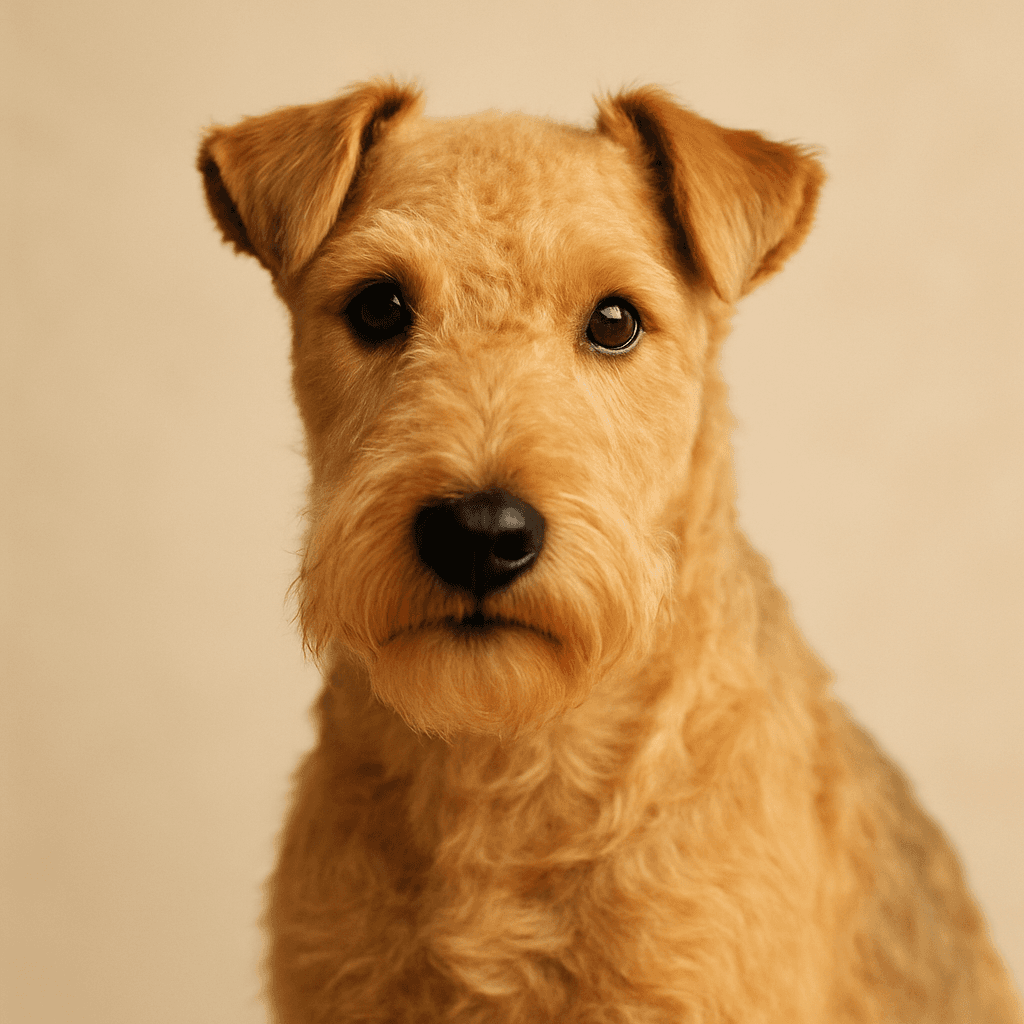
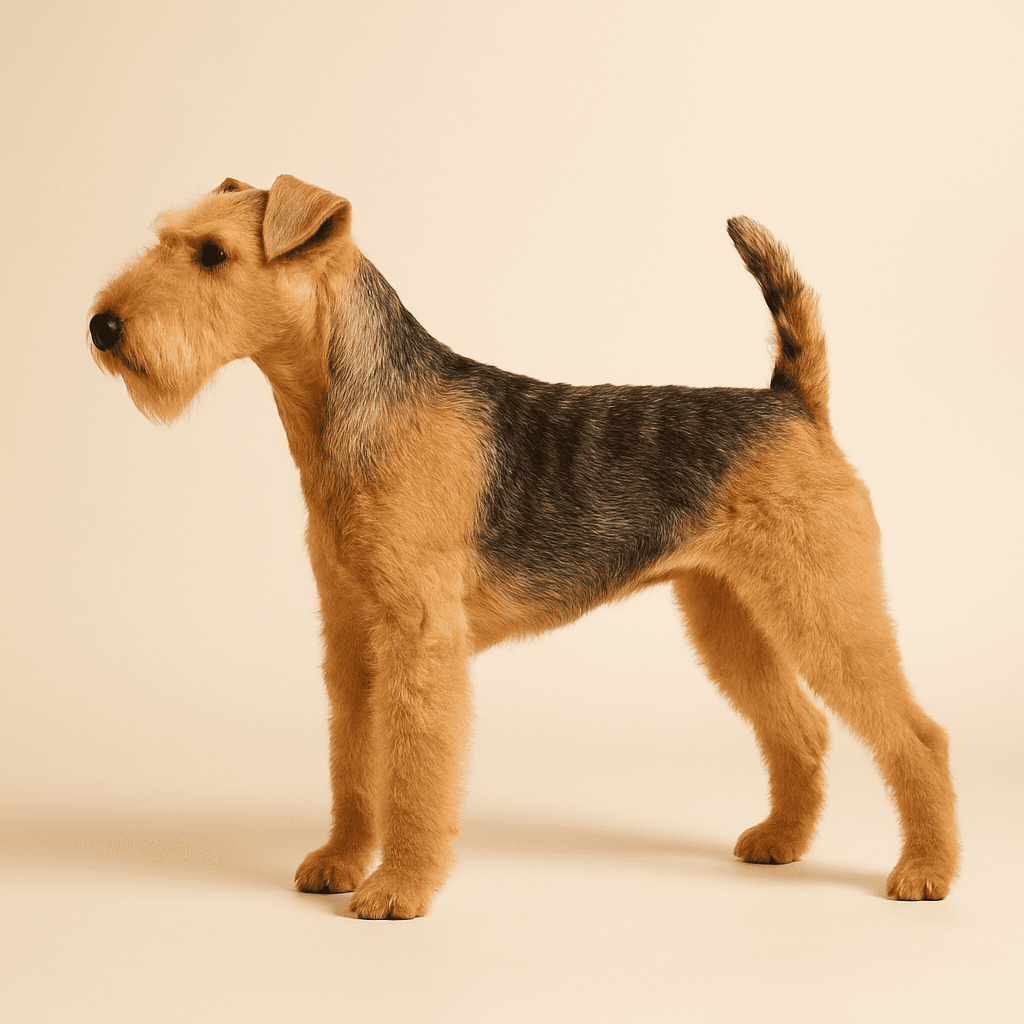
The Lakeland Terrier is one of England's oldest and most distinctive working terriers, developed in the rugged fell and mountain country of Cumbria to hunt foxes that preyed on the sheep flocks in the fells. Unlike terriers developed for earth work in lowland areas, the Lakeland was required to be a genuinely athletic and self-reliant working dog capable of pursuing quarry across steep mountain terrain and into rocky crevices where conventional earth dogs could not follow. The breed was first shown under its present name in 1921 and was recognised by the Kennel Club in the Terrier Group, where it has been a consistent if modest presence since. The Lakeland Terrier is a compact, well-balanced and sturdy small terrier. The coat is dense and wiry, providing weather resistance in the challenging Cumbrian climate, and comes in a range of colours including black and tan, blue and tan, red, red grizzle, grizzle and tan, and wheaten. The correct wiry double coat requires hand-stripping to maintain texture and correct colour - clipping produces a softer, paler coat and is generally avoided by those who show or work the breed. Adults typically stand around 37 centimetres at the shoulder and weigh 7 to 8 kilograms. The character is unmistakably terrier. The Lakeland is bold, energetic and confident, with a lively intelligence and a strong sense of its own judgment. It is devoted to its own people and genuinely affectionate with family members, good with children who understand how to handle dogs, and playful and engaging in everyday life. It is also, as all honest terrier owners will acknowledge, self-reliant, sometimes stubborn, and possessed of a strong prey drive that requires management. The breed was developed to make independent decisions in challenging terrain and this quality does not disappear in the companion setting. Same-sex dog aggression can occur and introductions to other dogs should be managed carefully, particularly with other terriers. Recall is less reliable than in gundog breeds and off-lead exercise should be conducted in securely fenced areas until a reliable recall is thoroughly established. Training requires an owner who understands the terrier mind. The Lakeland is intelligent and perfectly capable of learning a wide range of behaviours, but it is not naturally biddable in the way a gundog or herding breed is. Short, positive, engaging training sessions with high-value rewards produce the best results. Harsh or repetitive training produces resistance and resentment. Health considerations are manageable. Lens Luxation, documented in the terrier group, warrants DNA testing of parents. Eye testing is recommended generally. Legg-Calve-Perthes Disease, a condition affecting the hip joint documented in some small terrier breeds, has been noted in Lakelands. Purchase prices from KC-registered, health-tested breeders range from £800 to £1,500. Monthly running costs average £60 to £100. The Lakeland Terrier Association and the Lakeland Terrier Club are the primary resources for breed information, health guidance, responsible breeders and rescue contact.
Quick facts
Meet Our Lakeland Terriers
Register your dog on My Dog and it will appear here automatically.
Lakeland Terrier Photos
No photos yet. Be the first to share yours.
Add a photoActivity Feed
How much exercise does your Lakeland Terrier really need each day?
A solid 60 minutes of proper vigorous exercise, and I mean vigorous. A gentle stroll is not exercise to a Lakeland. She needs to move and move fast. Off-lead running in a secure area is the gold standard because these terriers have strong prey drive and recall takes real work before you trust them in open countryside. I use secure dog fields regularly. Alongside the physical exercise I do training sessions and puzzle games because the mental side is just as important. An under-stimulated Lakeland is very creative about entertaining itself, and you won't enjoy the results. What I love about the breed is that despite being small she has the stamina and boldness of a much larger working dog. She'll go all day if you let her.
30 June 2026
Any health issues to watch for with Lakeland Terriers?
Lens Luxation is the main one to know about. It's documented in the terrier group and can be very serious, so checking that the parents have been DNA tested is important before you buy a puppy. Eye testing more broadly is recommended. Legg-Calve-Perthes Disease has appeared in some terrier lines, which affects the hip joint and can require surgery. The Lakeland Terrier Association is the best source of current health monitoring information for the breed. Generally though, Lakelands are a robust and healthy small breed with a good lifespan. They're working dogs that were bred to go into fell country and flush foxes from rock crevices, so fragility was never selected for. Get insurance as a matter of course, but you're not looking at a breed with a long list of serious inherited conditions.
30 June 2026
What's the one thing you wish you'd known before getting a Lakeland Terrier?
That the independence is real and you need to respect it rather than fight it. I'd trained other breeds before and assumed the same approach would work. It didn't. The Lakeland has genuine terrier character: it thinks for itself, it has its own opinion about most things, and harsh or repetitive training makes it shut down or get stubborn. What actually works is short, engaging sessions with high-value rewards and a genuine sense that the training is interesting rather than compulsory. Socialisation also needs to start early and be comprehensive. She can be assertive with other dogs and that tendency needs managing from the beginning. Recall in open ground with prey around remains a calculated risk rather than a certainty, even now. The trade-off is that she has more personality than any breed I've ever owned. She's utterly compelling.
30 June 2026
What do you feed your Lakeland Terrier, and why?
A high-quality complete food designed for small active breeds, split across two meals. Portion control is genuinely important with Lakelands because they have a robust appetite and they're compact, so extra weight shows quickly on the body condition score. I measure rather than estimate. Treats are counted against her daily allowance rather than given on top. She's energetic and the food needs to reflect that, so I use a food with decent protein content. I weigh her monthly and adjust accordingly. The breed doesn't have any particular nutritional quirks beyond the basics, so I keep it simple: good food, sensible portions, fresh water always available. Two meals a day rather than one keeps her more settled. She's enthusiastic about mealtimes in the way all terriers are enthusiastic about everything.
30 June 2026
Lakeland Terrier of the Month
🏆 September 2026 -- Be the first nominee
Could be your dog.
The first dog registered in this community earns the first Dog of the Month nomination automatically.
Register your dogUpcoming Lakeland Terrier Meetups
No meetups planned yet. Be the first to organise one.
Sign in to organise a meetupCommunity Members
Be the first to join and become the Lakeland Terrier Founding Member.
Join Club