
Be the first to join. Keep the badge forever.
The first members of this community earn permanent Founding Member status. It shows on your profile and your dog's profile for as long as you're here.
- ✓Founding Member badge on your profile
- ✓Your dog featured first
- ✓First Dog of the Month nomination
- ✓Always free
⭐ Founding Member spots open
First to join gets the badge
🐕 Be the first dog registered
Add your Lab to the community
📷 Add the first photo
Start the photo wall
8
Discussions
0 members
8 discussions
About the Large Munsterlander
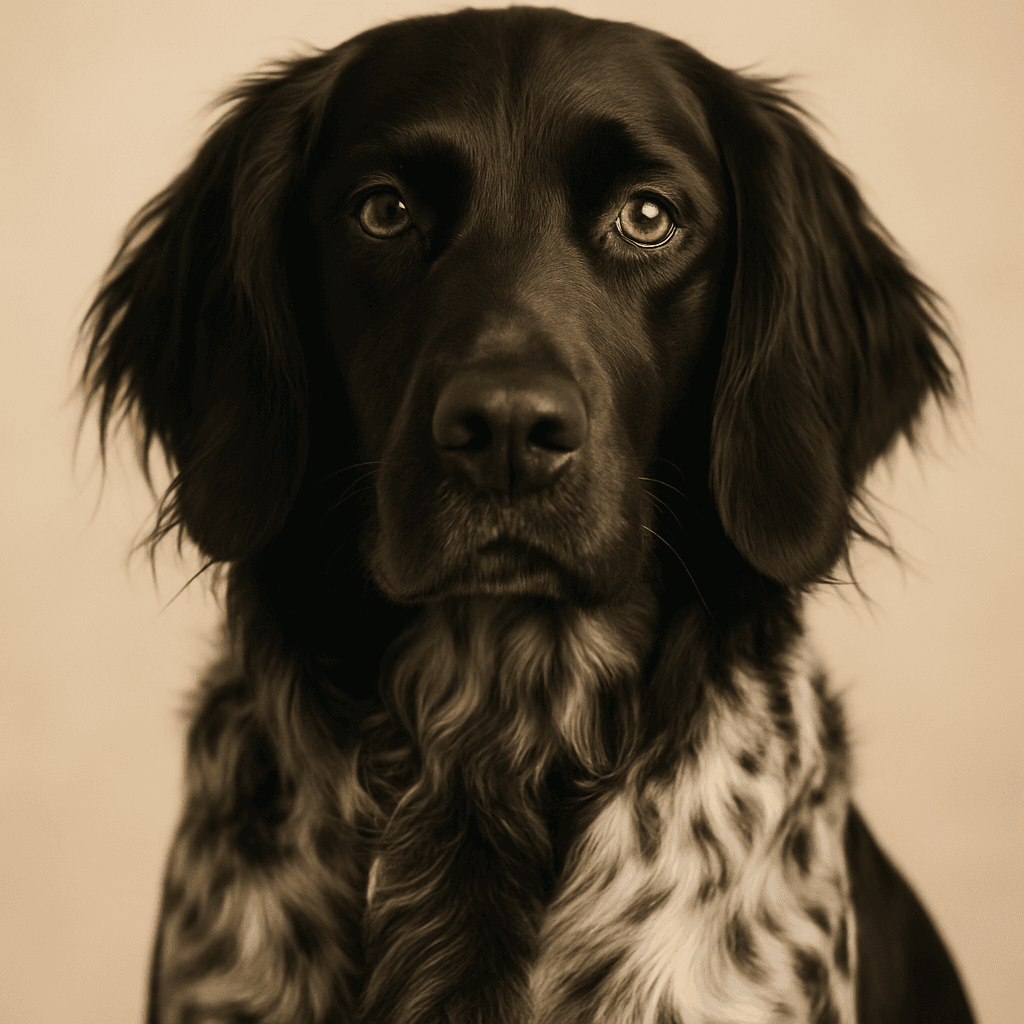
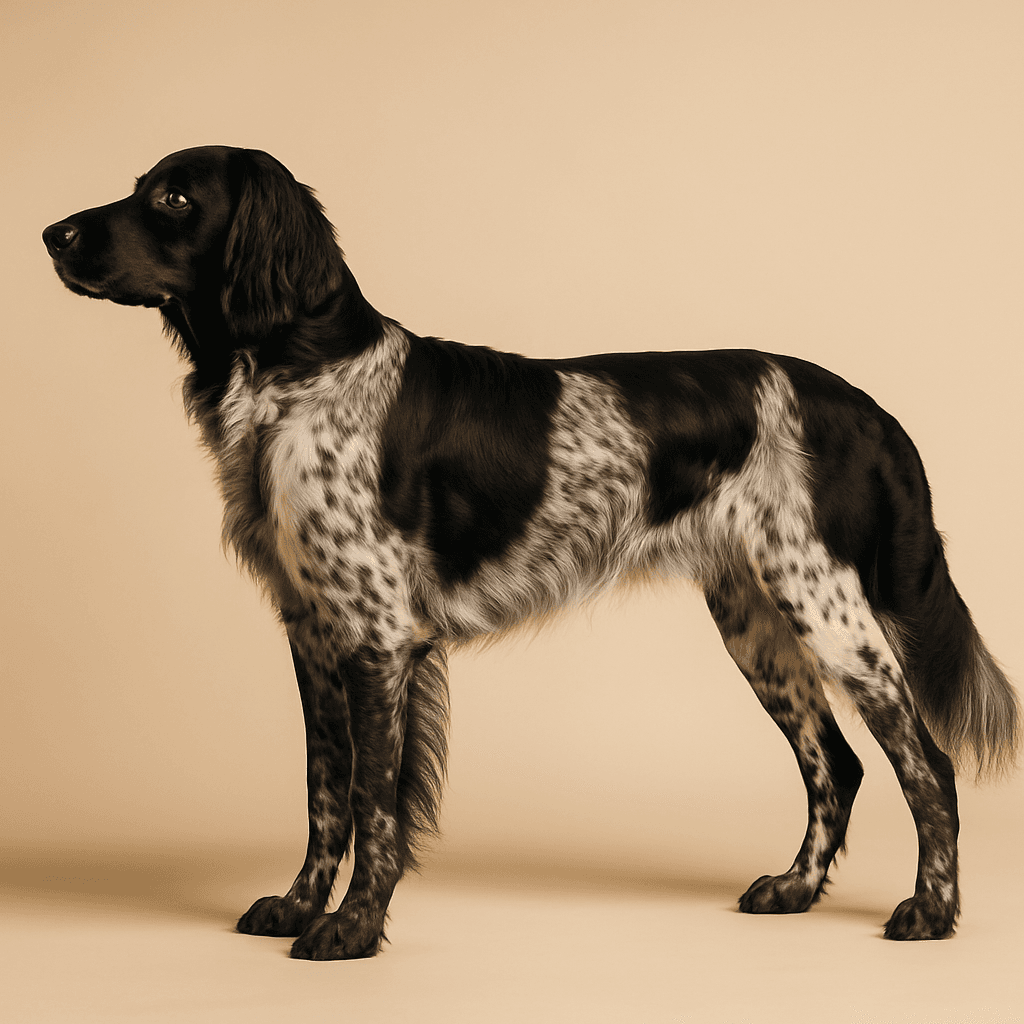
The Large Munsterlander is a German versatile hunting dog of considerable distinction, bred in the Munster region of north-western Germany and used for over a century as a premier hunt, point and retrieve gundog capable of working across any terrain, in water and in heavy cover. The breed shares early origins with the German Longhaired Pointer but developed as a distinct breed when a population of black and white individuals was excluded from the German Longhaired Pointer stud book on colour grounds in the early twentieth century. Breeders of these black and white dogs established a separate breed club in 1919 and the Large Munsterlander has been developed and maintained as a distinct type ever since. In the United Kingdom it is registered by the Kennel Club in the Gundog Group. The breed is large, well-muscled and elegant with a beautiful silky, flat coat in black and white, typically with a black head, white blaze and a variously patched or ticked body. The coat provides good weather resistance without the maintenance demands of some coarser-coated breeds. Adults typically stand 58 to 65 centimetres at the shoulder and weigh 25 to 32 kilograms. The character sets the Large Munsterlander apart from some of the more driven HPR breeds. It is warm, devoted and genuinely family-oriented, bonding closely with its household, excellent with children and consistently sociable with other dogs. In the home it is calm, affectionate and adaptable; in the field it is a determined, methodical and highly capable working dog. This combination makes it one of the most popular HPR breeds with those who want both a serious working dog and a genuinely companionable family member. The breed's working capability is comprehensive. The Large Munsterlander will quarter terrain hunting for game, hold a steady point on scent, flush on command and retrieve cleanly from both land and water. It is an excellent swimmer and works willingly in poor conditions. Those in companion settings must substitute with a robust programme of off-lead exercise, retrieving, swimming and nose work. Training is a pleasure with the Large Munsterlander. The breed is intelligent, responsive and genuinely wants to engage with its handler - more naturally biddable than some of the more independent HPR breeds. Positive reward-based training and consistent handling produce a well-rounded and reliable companion. Hip Dysplasia is the primary health consideration and hip scoring of both parents is strongly recommended. Eye conditions including Hereditary Cataract have been documented in the breed. Purchase prices from KC-registered, health-tested breeders range from £1,200 to £2,500. Monthly running costs average £100 to £160. The Large Munsterlander Club UK is the primary resource for breed information, health testing, responsible breeders and rescue contact.
Quick facts
Meet Our Large Munsterlanders
Register your dog on My Dog and it will appear here automatically.
Large Munsterlander Photos
No photos yet. Be the first to share yours.
Add a photoActivity Feed
How much exercise does your Large Munsterlander really need each day?
A minimum of 90 minutes of genuinely vigorous exercise, and I mean that as a floor not a target. On good days we're out for two hours or more. She needs off-lead running in open ground, retrieving, swimming when we can find it, and nose work. A lead walk round the streets counts for almost nothing with this breed. I think about it as an activity programme rather than a walk schedule. She does gun dog training once a week which combines all the drives she needs to exercise: hunting, retrieving, working alongside me. On days when she's had less physical output I make sure she has extended training sessions and nose work to compensate. Large Munsterlanders in houses that don't meet their exercise needs don't cope well. This is genuinely an active person's dog.
30 June 2026
Any health issues to watch for with Large Munsterlanders?
Hip Dysplasia is the primary concern and the Large Munsterlander Club strongly recommends hip scoring of both parents before breeding. This is a large active breed and faulty hips have real consequences for quality of life and working ability. Don't buy from a breeder who hasn't scored the parents. Eye testing is also advisable and Hereditary Cataract has been documented in the breed alongside other eye conditions. The Large Munsterlander Club UK is the definitive source for current health testing requirements. In my experience the breed is generally healthy and long-lived for its size, but the joint health of the parents matters significantly given the level of exercise these dogs need throughout their lives. Insurance is non-negotiable with a large working breed. Budget accordingly.
30 June 2026
What's the one thing you wish you'd known before getting a Large Munsterlander?
That recall around birds and wildlife is a genuine ongoing challenge that requires constant maintenance, not something you train once and consider solved. The hunting drive in this breed is strong and specific. She's brilliant in so many ways: affectionate, calm in the house, excellent with children, wonderful with other dogs. But take her to a field with pheasants and all that training gets pressure-tested. The solution has been consistent gun dog training and a very well-established recall that I reinforce frequently with genuinely high-value rewards. I don't take it for granted. What surprised me positively was how good she is in the house. I expected a dog this size and this active to be a domestic wrecking ball. She's actually one of the calmest and most settled breeds I've owned indoors, as long as she's had her exercise.
30 June 2026
What do you feed your Large Munsterlander, and why?
A high-quality complete food for large active breeds, adjusted for her workload across the season. During heavier working periods she gets more. In quieter weeks I reduce portions. Two meals a day is important for a deep-chested breed to reduce bloat risk. I don't exercise her within an hour of meals. She's big and her calorie requirement reflects that, so I use a food with a decent protein and fat profile suitable for working dogs rather than something designed for less active large breeds. I weigh her periodically and adjust if she's gaining. Fresh water always available, particularly after exercise and in warm weather. The breed doesn't have particular dietary quirks, but the bloat risk with large deep-chested breeds means meal timing and avoiding one large daily feed are sensible habits to build early.
30 June 2026
Large Munsterlander of the Month
🏆 September 2026 -- Be the first nominee
Could be your dog.
The first dog registered in this community earns the first Dog of the Month nomination automatically.
Register your dogUpcoming Large Munsterlander Meetups
No meetups planned yet. Be the first to organise one.
Sign in to organise a meetupCommunity Members
Be the first to join and become the Large Munsterlander Founding Member.
Join Club