

Be the first to join. Keep the badge forever.
The first members of this community earn permanent Founding Member status. It shows on your profile and your dog's profile for as long as you're here.
- ✓Founding Member badge on your profile
- ✓Your dog featured first
- ✓First Dog of the Month nomination
- ✓Always free
⭐ Founding Member spots open
First to join gets the badge
🐕 Be the first dog registered
Add your Lab to the community
📷 Add the first photo
Start the photo wall
8
Discussions
0 members
8 discussions
About the Lowchen
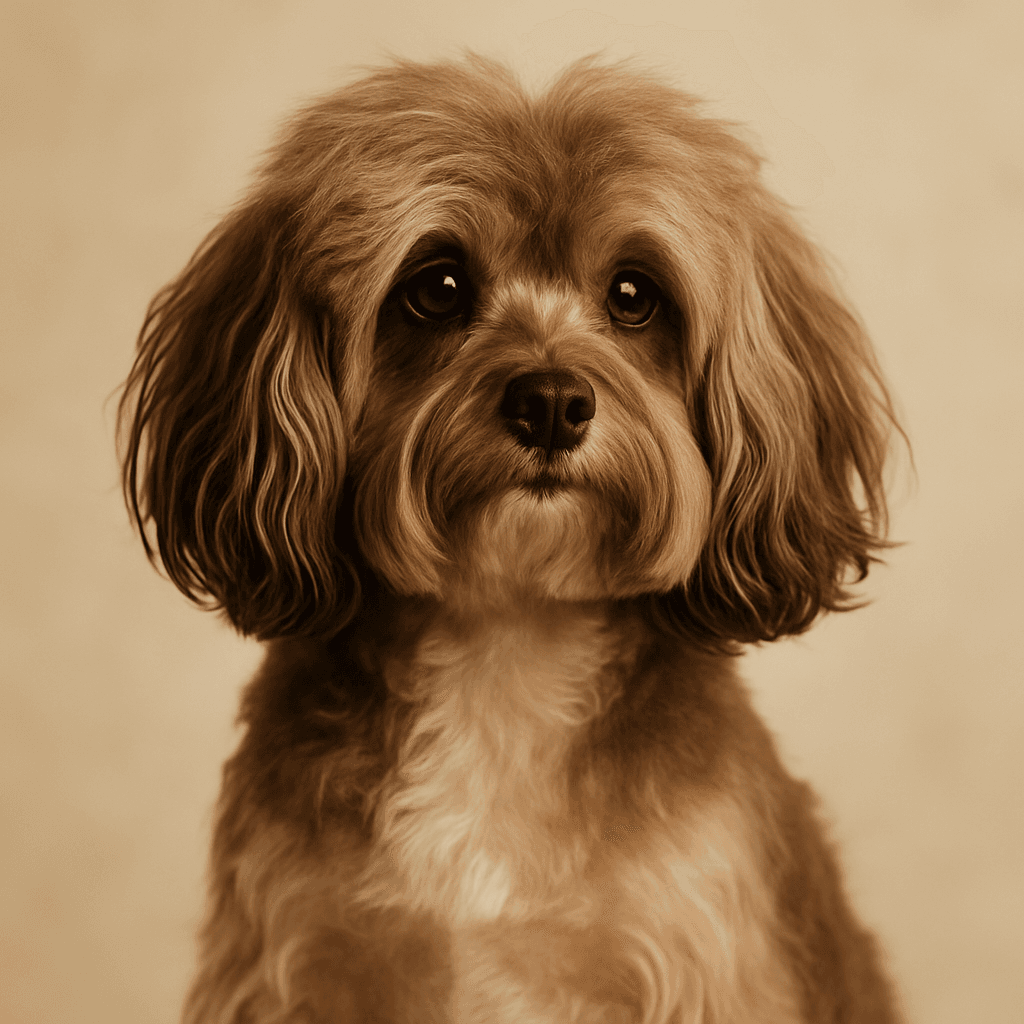
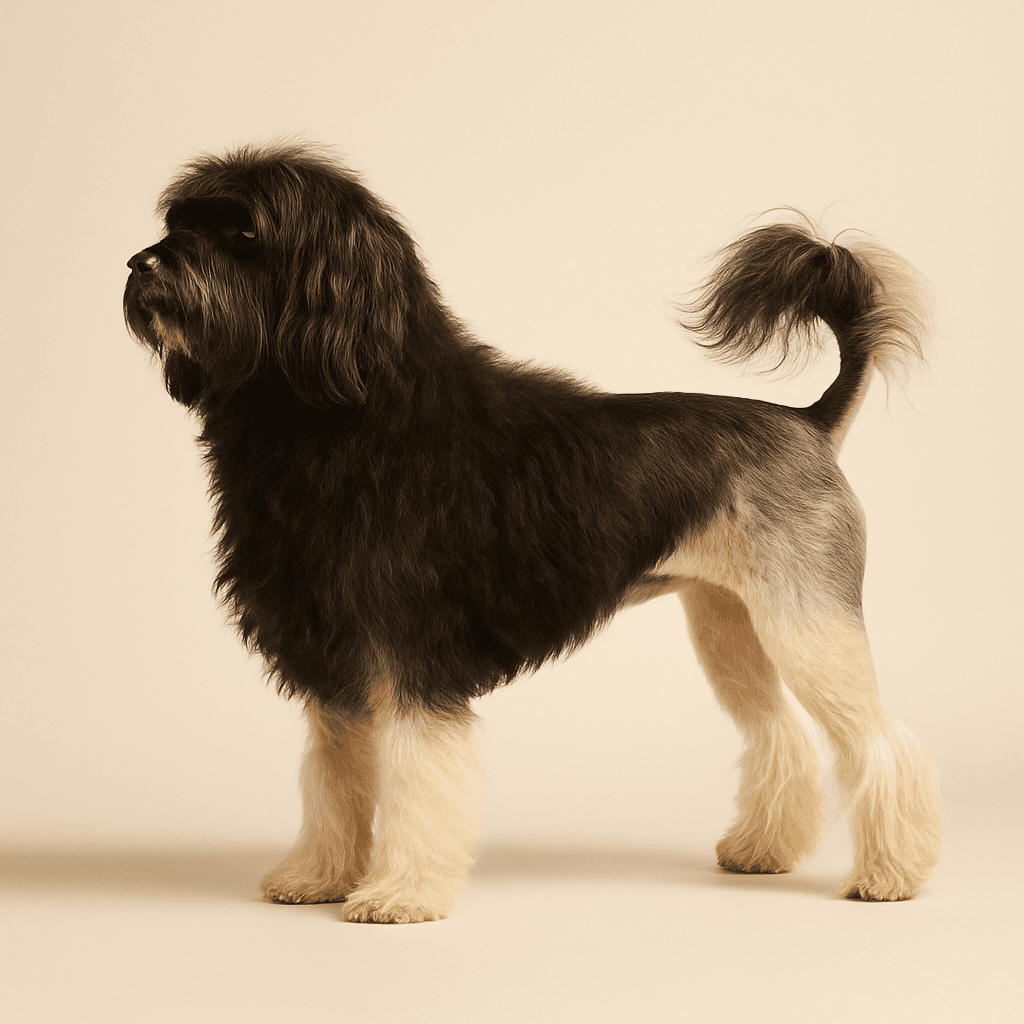
The Lowchen, from the German for Little Lion Dog, is one of the oldest and rarest toy breeds in the world, an ancient companion dog of European origin whose history stretches back at least to the fifteenth century, when dogs of identical appearance were depicted in paintings, tapestries and carvings across the courts of Germany, France, Spain and the Low Countries. The breed's characteristic presentation - clipped short on the hindquarters and lower body with a full natural mane on the chest and shoulders, a plumed tail and bracelet-like tufts left on the legs - gave rise to the lion comparison that has defined its name and identity for centuries. The Lowchen was registered by the Kennel Club in the Toy Group and is noted in the Guinness World Records as one of the rarest dog breeds in the world. The Lowchen is a small, well-proportioned and attractive dog. The coat is long, wavy to moderately curly and silky in texture, coming in any colour and colour combination. When presented in the traditional lion clip, the contrast between the clipped rear and the flowing frontal mane is striking and wholly distinctive. Adults typically stand 25 to 33 centimetres at the shoulder and weigh 4 to 8 kilograms. The character is lively, affectionate and genuinely engaging. The Lowchen is a people-oriented dog that bonds closely with its household and is sociable and good-natured with a wide range of people, including children and elderly owners. It is alert and will announce visitors but is not a persistent or nuisance barker when properly managed. It is playful and energetic without being demanding, adapts readily to a range of living situations including flats and smaller homes, and has a youthful, engaged quality that persists well into old age - a trait consistent with its relatively long lifespan. The breed is more trainable than many toy breeds, reflecting a broader adaptability and willingness to engage. It responds well to positive reinforcement training and has been successful in agility and obedience activities. Socialisation from puppyhood is straightforward given the naturally sociable character, but barking tendencies should be addressed early before they become habitual. The rarity of the Lowchen in the United Kingdom is a genuine practical consideration. Annual KC registrations are very low and waiting lists with reputable breeders are common. Prospective owners should expect to wait and should use the waiting period to research health testing requirements and connect with the breed club. Health considerations are well-managed and the breed is generally long-lived. Progressive Retinal Atrophy has been documented and DNA testing is recommended. Patellar Luxation should be assessed in breeding stock. Hip testing is also recommended despite the breed's small size. Purchase prices from KC-registered breeders typically range from £1,500 to £3,000 or more, reflecting the rarity of available puppies. Monthly running costs average £70 to £120. The long lifespan - often 13 to 15 years - means the lifetime commitment and investment is considerable, but the Lowchen rewards that commitment with a devoted, characterful and long-lived companion. The Lowchen Club of Great Britain is the primary resource for breed information, health testing guidance, responsible breeders and rescue contact.
Quick facts
Meet Our Lowchens
Register your dog on My Dog and it will appear here automatically.
Lowchen Photos
No photos yet. Be the first to share yours.
Add a photoActivity Feed
How much exercise does your Lowchen really need each day?
Around 30 to 45 minutes daily, which is one of the genuinely attractive things about the breed for owners who want an active but not demanding companion. She's adaptable in the best sense: she'll match my energy level within reason and she's happy with a longer walk on good days without needing one every day. Mentally she needs more engagement than her exercise requirements might suggest. Training is something she genuinely enjoys, and she's good at it. We do short agility-style sessions in the garden which she finds deeply satisfying. She's alert and curious and needs to be busy in her mind even when her body is resting. For anyone who wants a small dog that's genuinely engaged with life without being high-maintenance on exercise, the Lowchen is worth serious consideration.
30 June 2026
Any health issues to watch for with Lowchens?
Progressive Retinal Atrophy has been documented in the breed and DNA testing is recommended. Ask any breeder to show you test results for both parents. Patellar Luxation should be checked in breeding stock, which is standard advice for small breeds. Hip testing is also recommended by the Lowchen Club of Great Britain despite the small size, which is slightly unusual but reflects the club's thorough approach to health monitoring. Generally the breed has a good health record and a long lifespan, which is one of its genuine appeals. The Lowchen Club UK is the definitive source for current health testing requirements and guidance. It's a rare breed in this country which means finding a well-tested litter takes patience, but the breeders who are committed to the breed tend to take health testing seriously.
30 June 2026
What's the one thing you wish you'd known before getting a Lowchen?
That barking tendencies need managing early and consistently. She's alert, she's a natural watchdog, and she will announce visitors with genuine enthusiasm. That instinct is part of the breed's character and is not something you can train out, but you can absolutely train a quiet command and establish clear boundaries about when barking is appropriate. I wish I'd started that work earlier and more systematically than I did. The other thing that surprised me was how genuinely good she is at training. I knew small breeds could be trainable but she has real aptitude and clearly finds learning enjoyable. We've done obedience, agility, and trick training and she's enthusiastic about all of it. The breed has youthful energy well into old age, which I hadn't quite expected. She's older now and still as bright and engaged as she was at two.
30 June 2026
What do you feed your Lowchen, and why?
A high-quality complete food for small breeds, two small meals daily. Portion control is important because she has a good appetite and the breed can gain weight without much encouragement. I measure every meal and keep treats as part of her daily allowance rather than extras. Dental health is worth monitoring in small breeds generally and I supplement with regular toothbrushing. The food I use has adequate omega fatty acid content which I believe contributes to coat quality. She's adaptable and hasn't shown any particular sensitivities or fussiness, which keeps things straightforward. Body condition score guides my portion decisions more than the bag guidance, which tends to be generous. Fresh water always available. The Lowchen is not a complicated dog to feed: good food, sensible amounts, consistent routine.
30 June 2026
Lowchen of the Month
🏆 September 2026 -- Be the first nominee
Could be your dog.
The first dog registered in this community earns the first Dog of the Month nomination automatically.
Register your dogUpcoming Lowchen Meetups
No meetups planned yet. Be the first to organise one.
Sign in to organise a meetupCommunity Members
Be the first to join and become the Lowchen Founding Member.
Join Club