


Be the first to join. Keep the badge forever.
The first members of this community earn permanent Founding Member status. It shows on your profile and your dog's profile for as long as you're here.
- ✓Founding Member badge on your profile
- ✓Your dog featured first
- ✓First Dog of the Month nomination
- ✓Always free
⭐ Founding Member spots open
First to join gets the badge
🐕 Be the first dog registered
Add your Lab to the community
📷 Add the first photo
Start the photo wall
8
Discussions
0 members
8 discussions
About the Maltese
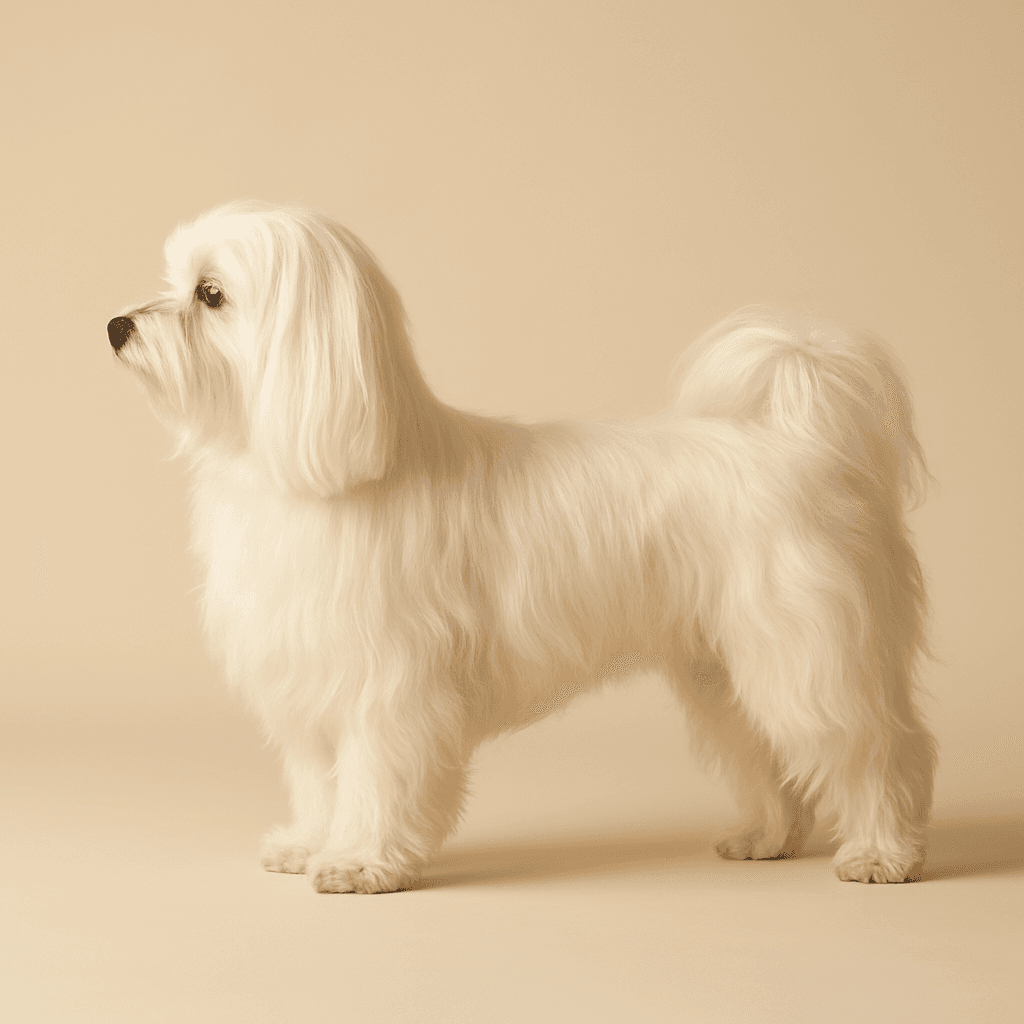
The Maltese is one of the oldest toy breeds in the world, with a history stretching back over 2,000 years. Registered by the Kennel Club in the Toy Group, it is a small, elegant dog defined by its long, pure white silky coat and devoted, lively temperament. The combination of an ancient breed lineage, compact size and affectionate character has made it a consistently popular companion breed. The Maltese's most immediate practical consideration is its coat. The long, silky white coat is beautiful but requires daily attention. Without daily brushing, it mats rapidly and painfully. Most owners choose to keep the coat in a shorter pet clip maintained by a groomer every six to eight weeks. This is a non-negotiable cost: grooming is not optional for the Maltese, it is a welfare requirement. Dental disease is the most reliably common health issue in the breed. The Maltese's small jaw and crowded dentition, combined with a breed-specific predisposition, make dental disease almost inevitable without daily toothbrushing. Professional dental cleaning under anaesthetic will be required by many Maltese during their lifetime. Start the daily brushing routine from puppyhood: it is the single most valuable health investment for this breed. On the positive side, the Maltese is a long-lived breed. Lifespans of 12 to 15 years are typical for well-cared-for dogs. They adapt to virtually any living situation including flats, have modest exercise requirements, and are warm, engaging and typically responsive to training. Separation anxiety should be managed proactively from puppyhood. Maltese are companion dogs: they want to be with their people and will be distressed if they have not been trained to tolerate periods alone. Purchase prices from KC-registered breeders typically range from £800 to £2,000. Monthly running costs of £90 to £160 make the Maltese affordable relative to larger breeds, though dental treatment can add cost. The Maltese is one of the most rewarding toy breed companions for owners prepared for the grooming commitment. Maltese Rescue UK rehomes dogs nationally. For owners prepared to commit to the grooming requirement, start toothbrushing from day one, and build independence from puppyhood, the Maltese is one of the most rewarding toy breed companions available. Its long lifespan of 12 to 15 years means this is a genuine long-term commitment and one that will be returned in warmth, affection and characterful company throughout. Begin with the grooming, commit to the dental care, and everything else follows naturally.
Quick facts
Meet Our Malteses
Register your dog on My Dog and it will appear here automatically.
Maltese Photos
No photos yet. Be the first to share yours.
Add a photoActivity Feed
How much exercise does your Maltese really need each day?
Twenty to thirty minutes is genuinely sufficient for an adult Maltese, which makes the breed very manageable for flat dwellers and those with more limited mobility. She has two short walks a day and indoor play, and that covers her physical needs comfortably. She's more active indoors than you'd expect for a dog this size: she'll tear around the flat in bursts and she loves interactive games and trick training sessions. In cold or wet weather I use a dog coat because she feels the cold acutely and a drenched Maltese is both miserable and a grooming challenge. I avoid the hottest part of the day in summer. As a puppy I kept everything very short and gentle because young Maltese are small and fragile. The activity level can increase gradually as they develop. She's spirited but not demanding.
30 June 2026
Any health issues to watch for with Maltese?
Dental disease is the most prevalent health issue in the breed and the most preventable. The small jaw and crowded teeth mean most Maltese will develop significant dental problems without daily brushing from puppyhood. I brush her teeth every single day with dog-safe toothpaste. She still needs professional dental cleaning under anaesthetic periodically, but far less frequently than she would without the daily routine. Portosystemic Shunts occur at elevated rates in the breed and are worth knowing about. Symptoms include poor growth, neurological signs, and poor general condition, and diagnosis requires specialist investigation. Luxating Patella is common and severity varies. Progressive Retinal Atrophy occurs in some lines and DNA testing is available. Monthly insurance runs around £20 to £45. Lifespan is 12 to 15 years. A long-lived breed but dental care genuinely determines quality of those years.
30 June 2026
What's the one thing you wish you'd known before getting a Maltese?
That carrying her everywhere in the early weeks was the biggest mistake I nearly made. Maltese are small and look fragile and it feels instinctive to pick them up and protect them. But a dog that's carried everywhere and never allowed to walk and interact normally develops anxiety and reactive behaviour toward larger dogs and unfamiliar situations. I caught myself doing it and stopped. The other thing I prioritise now that I didn't initially was building genuine alone time from the start. Maltese form very close bonds and without proactive independence training they can develop real separation anxiety. I built in short periods alone from the first week, gradually extending. She's fine with a few hours now but I had to work at it systematically. Start separation training earlier than you think you need to. Don't wait until there's a problem.
30 June 2026
What do you feed your Maltese, and why?
A high-quality complete dry food for small breeds, two small measured meals daily. She's tiny, around 2.5 kilograms, so even a small amount of overfeeding shows quickly. I weigh her monthly and check body condition because half a kilogram of excess weight is significant on a dog this size and puts real pressure on small joints. Grapes and raisins are completely off the menu because they're toxic to dogs. Same for onions, garlic, chocolate, and anything containing xylitol. No table scraps. The dry kibble provides more dental mechanical action than wet food, which matters given how prone Maltese are to dental disease. Very small toy breeds can also be prone to hypoglycaemia as puppies, so I fed three or four small meals a day until she was older rather than one or two large ones. Daily toothbrushing is as important as what I put in the bowl.
30 June 2026
Maltese of the Month
🏆 September 2026 -- Be the first nominee
Could be your dog.
The first dog registered in this community earns the first Dog of the Month nomination automatically.
Register your dogUpcoming Maltese Meetups
No meetups planned yet. Be the first to organise one.
Sign in to organise a meetupCommunity Members
Be the first to join and become the Maltese Founding Member.
Join Club