
Be the first to join. Keep the badge forever.
The first members of this community earn permanent Founding Member status. It shows on your profile and your dog's profile for as long as you're here.
- ✓Founding Member badge on your profile
- ✓Your dog featured first
- ✓First Dog of the Month nomination
- ✓Always free
⭐ Founding Member spots open
First to join gets the badge
🐕 Be the first dog registered
Add your Lab to the community
📷 Add the first photo
Start the photo wall
8
Discussions
0 members
8 discussions
About the Maremma Sheepdog
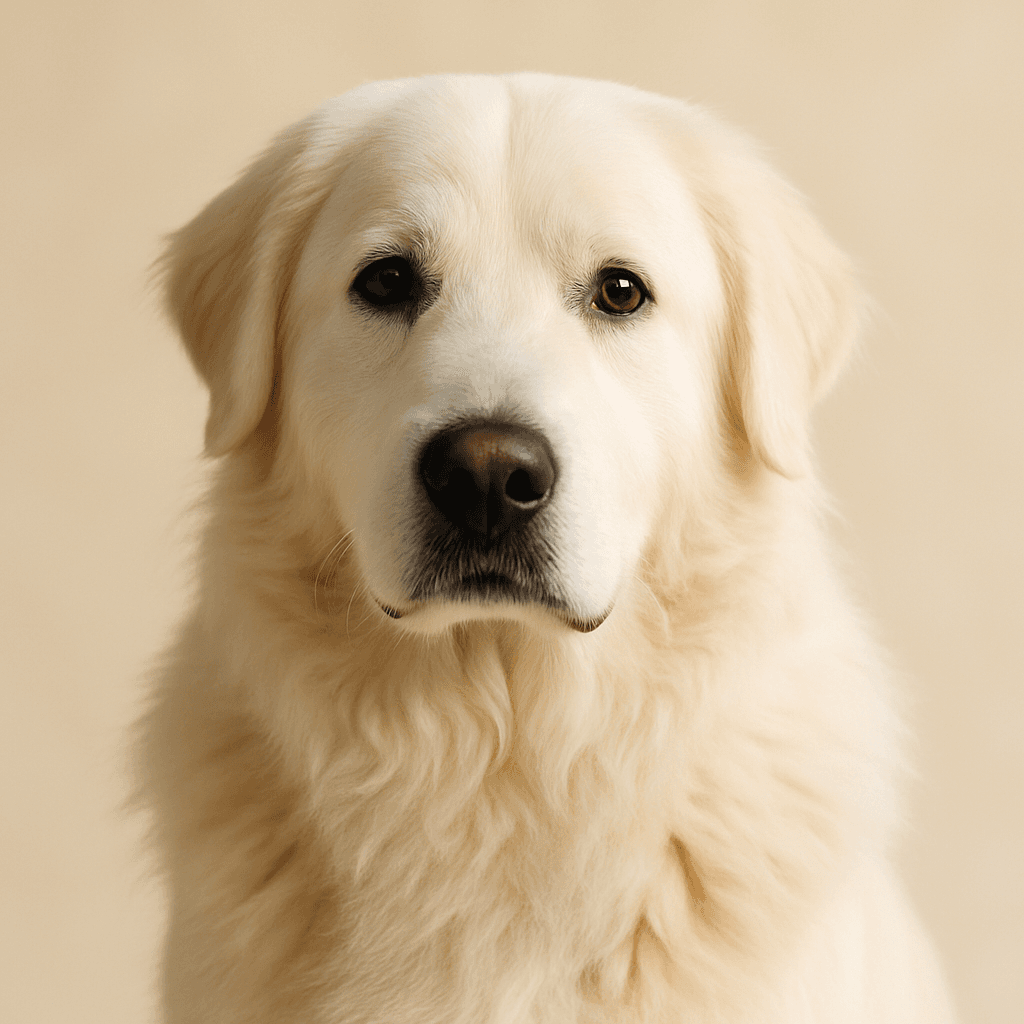
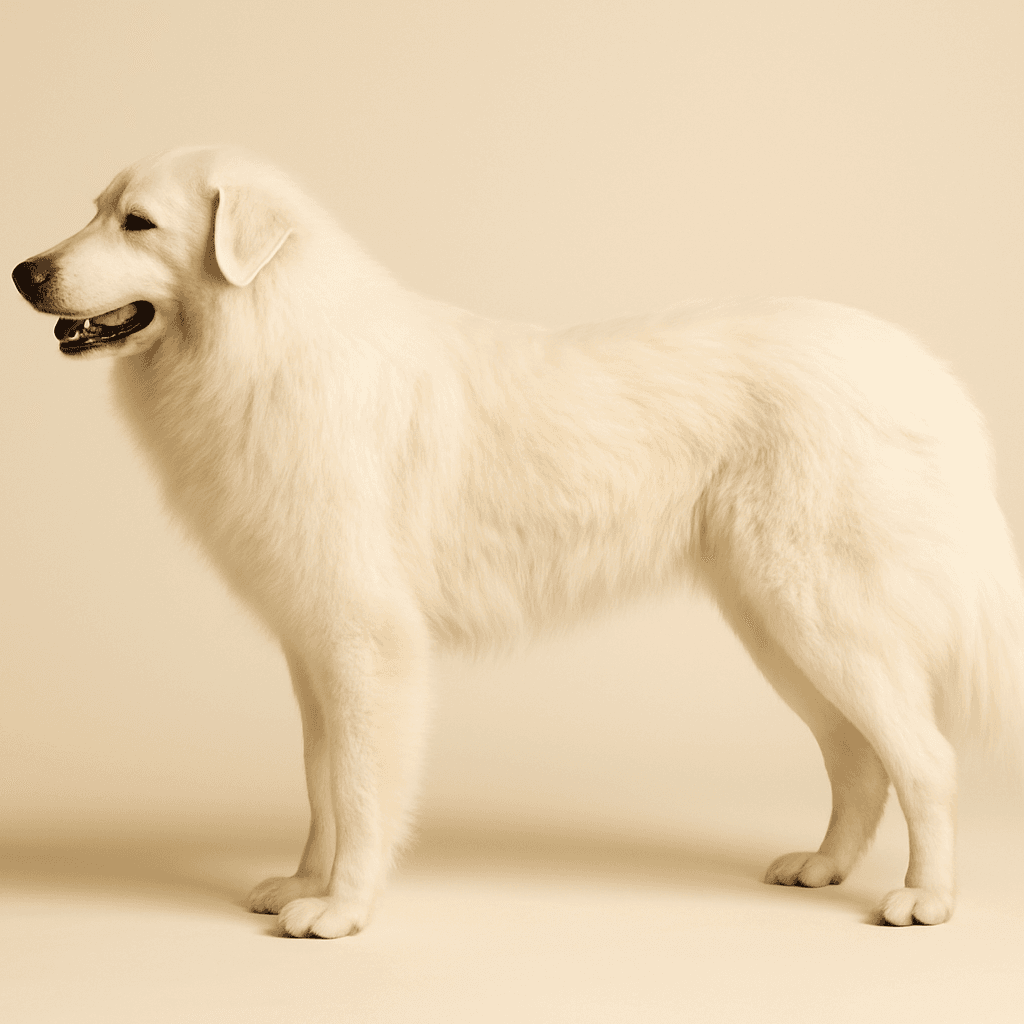
The Maremma Sheepdog, known in Italy as the Maremmano-Abruzzese, is one of Europe's oldest and most formidable livestock guardian breeds, developed over millennia in the mountainous regions of Tuscany and the Abruzzo in central Italy to protect flocks of sheep from wolves, bears and human predators. Written references to large white guardian dogs in the region date back to ancient Rome, and the breed's essential type has changed little since: a large, white, heavily coated dog of considerable strength and independence, bonded to its flock and territory with a depth of loyalty that the conventional companion dog cannot match. The breed was registered by the Kennel Club in the Pastoral Group and is found in the United Kingdom primarily with working enthusiasts, smallholders and those with livestock to protect. The Maremma Sheepdog is large, powerfully built and unmistakably white - the white coat providing camouflage within the sheep flock and a clear visual distinction from the darker wolves and bears it was bred to deter. The outer coat is long, rough and slightly wavy, providing weather resistance in the demanding Apennine climate. Adults typically stand 60 to 73 centimetres at the shoulder and weigh 30 to 45 kilograms, with males significantly larger than females. The character reflects the livestock guardian role with complete consistency. The Maremma is calm, self-reliant and watchful in its own territory, devoted to the animals and people it regards as its charge, and instinctively suspicious of strangers and anything unfamiliar. This is not a breed that warms quickly to new people or that shows the sociable openness of companion breeds - the wariness toward strangers is a direct expression of the guarding instinct that makes it valuable in its working context. The breed will act on its own judgment and does not require or respond to human direction in the conventional sense. This fundamental character makes the Maremma genuinely unsuitable as a conventional companion breed for most owners. It requires substantial space, clear territory, consistent experienced handling and ideally a genuine working context - whether with livestock to guard or a large property to patrol. An under-stimulated or poorly managed Maremma in an inappropriate context is a welfare concern and a practical management challenge. Training in the conventional obedience sense is largely inapplicable to livestock guardian breeds. The Maremma operates on autonomous decision-making honed over thousands of years, and attempting to replace this with the biddable compliance sought in working or companion breeds produces frustration on both sides. The most effective approach involves consistent establishment of boundaries, patient management and the building of trust over time. Health considerations include Hip Dysplasia, for which hip scoring is recommended, and bloat - a significant risk in deep-chested large breeds for which twice-daily feeding is advisable. Eye conditions have been documented and should be assessed in breeding stock. Purchase prices from KC-registered breeders range from £1,000 to £2,000. Monthly running costs average £110 to £180. The Maremma Sheepdog Club of Great Britain is the primary resource for breed information, health testing, responsible breeders and the specialist rescue network that can place dogs in appropriate homes.
Quick facts
Meet Our Maremma Sheepdogs
Register your dog on My Dog and it will appear here automatically.
Maremma Sheepdog Photos
No photos yet. Be the first to share yours.
Add a photoActivity Feed
How much exercise does your Maremma Sheepdog really need each day?
At least 60 to 90 minutes a day, but the more important thing is space rather than just walk time. A Maremma in its working context patrols its territory constantly, covering large distances at its own pace. In a companion setting what mine really needs is a large, secure area to roam and patrol. Pacing along a fence line or weaving back and forth across a small garden is a welfare concern with this breed: it is a sign of an unmet need, not just restlessness. The walks provide physical exercise but the secured space is what allows the mental expression this dog needs. Fencing has to be genuinely secure because a Maremma that decides something needs investigating will test boundaries. Do not underestimate the space requirement. This is not a dog for a small urban property.
30 June 2026
Any health issues to watch for with Maremma Sheepdogs?
Hip Dysplasia is the primary concern and scoring of both parents is the baseline you should expect from any responsible breeder. Ask for the actual scores, not just a verbal assurance. Given the large, deep-chested build, bloat is a genuine risk and I feed twice daily specifically to reduce that risk. I also feed from floor level rather than a raised bowl, which some evidence suggests may help. Eye conditions have been documented in the breed, so routine eye checks at annual vet visits are worthwhile. The Maremma Sheepdog Club of Great Britain is the right place to check current health testing recommendations because guidance does get updated. With a breed this size, good insurance is essential from the start: orthopaedic treatment on a large dog is not cheap.
30 June 2026
What's the one thing you wish you'd known before getting a Maremma Sheepdog?
That conventional obedience training is essentially irrelevant to this dog and approaching it expecting the results you would get from a Border Collie or a Labrador will lead to frustration on both sides. The Maremma was bred for centuries to make autonomous decisions without human direction. That independence is not a training failure: it is the entire point of the breed. What works is establishing clear expectations and consistent boundaries through patient management rather than drilling commands. My dog is devoted to me and to our property, but she acts on her own judgement in a way that no amount of obedience work will override. I had to let go of the idea of a compliant, responsive dog and work with what she actually is: calm, loyal, self-reliant, and operating on her own terms. If you want a biddable dog, this is not the breed.
30 June 2026
What do you feed your Maremma Sheepdog, and why?
A high-quality complete food for a large active breed, fed twice daily. The twice-daily split is deliberate because of the bloat risk: one large meal in a deep-chested dog this size is not something I am willing to risk. Fresh water is always available and I keep an eye on intake, particularly in summer. The thick coat on a Maremma can genuinely mask condition changes, so I make a habit of running my hands over the dog regularly to check body condition rather than going by eye alone. If the ribs become hard to feel, the portions go down. Working Maremmas can have variable appetite depending on conditions and season, which is normal. I do not panic if she is off her food for a day or two in hot weather, but anything beyond that gets a vet check.
30 June 2026
Maremma Sheepdog of the Month
🏆 September 2026 -- Be the first nominee
Could be your dog.
The first dog registered in this community earns the first Dog of the Month nomination automatically.
Register your dogUpcoming Maremma Sheepdog Meetups
No meetups planned yet. Be the first to organise one.
Sign in to organise a meetupCommunity Members
Be the first to join and become the Maremma Sheepdog Founding Member.
Join Club