
Be the first to join. Keep the badge forever.
The first members of this community earn permanent Founding Member status. It shows on your profile and your dog's profile for as long as you're here.
- ✓Founding Member badge on your profile
- ✓Your dog featured first
- ✓First Dog of the Month nomination
- ✓Always free
⭐ Founding Member spots open
First to join gets the badge
🐕 Be the first dog registered
Add your Lab to the community
📷 Add the first photo
Start the photo wall
8
Discussions
0 members
8 discussions
About the Morkie
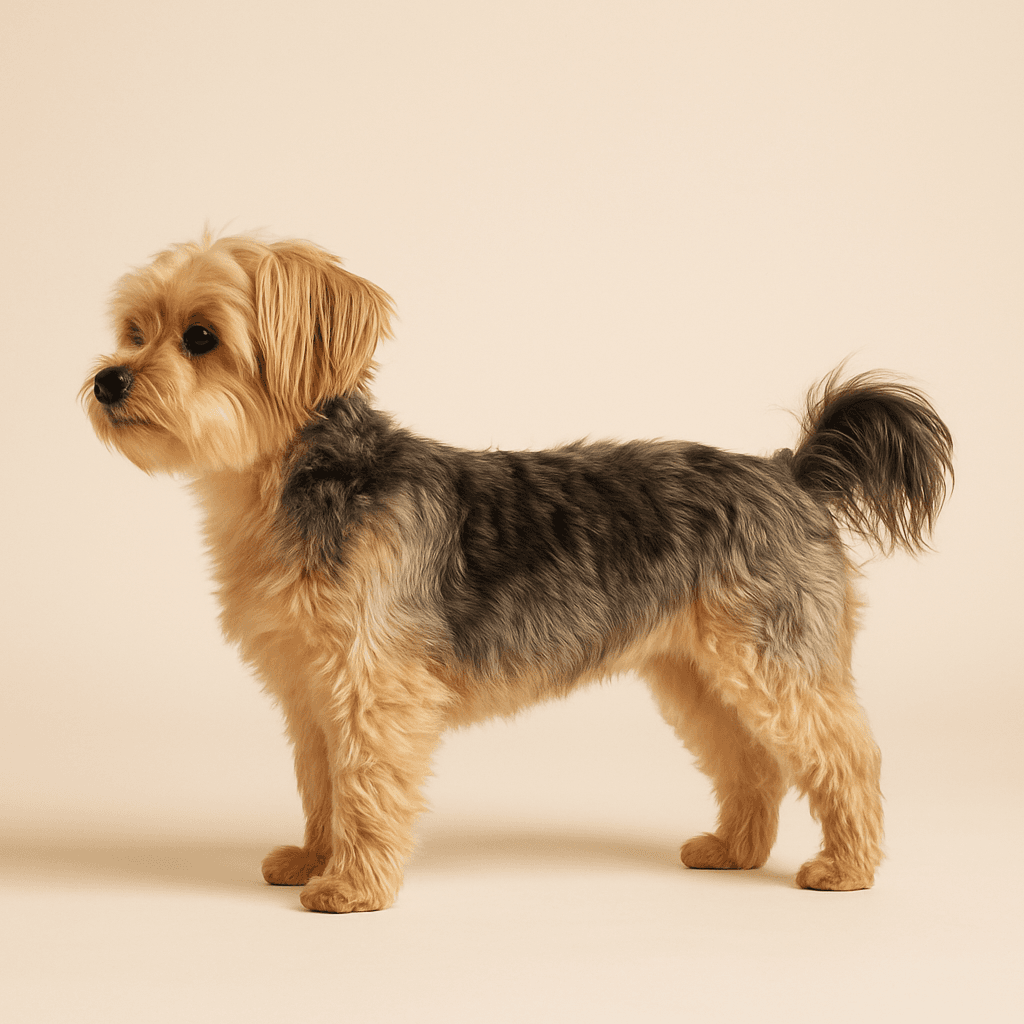
The Morkie is a crossbreed produced from a Maltese and a Yorkshire Terrier, combining two of the most popular toy breeds in the world into a very small, lively and typically low-shedding companion. The cross emerged in North America in the 1990s and became increasingly popular in the United Kingdom from the 2010s onwards, driven by the appeal of the small size, relatively low shedding coat and the combination of the Maltese's gentle sociability with the Yorkshire Terrier's spirited personality. The crossbreed is not recognised by the Kennel Club and has no formal breed standard, breed club or mandatory health testing programme. The Maltese is one of the most ancient of all European toy breeds, a gentle, white, silky-coated lap dog with a long history of companion status across the Mediterranean. The Yorkshire Terrier is a Victorian British working terrier developed in the textile mills of Yorkshire from ratting terriers and subsequently miniaturised into a fashionable companion. The combination of these two backgrounds produces a very small dog that can vary considerably in character - from the gentle and sociable Maltese end of the spectrum to the spirited, determined and assertive Yorkshire Terrier end. Appearance varies between individuals. Coat type can range from the long, silky and flowing Maltese coat to the finer, silkier Yorkshire Terrier type. Coat colour varies and may include the Yorkshire Terrier's characteristic black and gold or tan markings, the Maltese's pure white, or various combinations. Adults typically weigh 3 to 7 kilograms. The character is typically lively, affectionate and devoted to its own household. The breed tends to bond closely with one or two people, is alert and vocal, and has the natural watchdog instinct that both parent breeds share. The Yorkshire Terrier influence may surface as a determined, sometimes stubborn streak that requires consistent handling. The overall result is generally an engaging and affectionate small companion. The very small size creates practical considerations. Morkies are fragile and can be injured in rough play or by accidental drops - households with very young children require careful management. Hypoglycaemia is a risk in tiny puppies of very small breeds. Dental disease is near-universal in small breeds without dedicated preventive care from puppyhood. Health testing is important with this cross. Patellar Luxation is a concern in both parent breeds and assessment of breeding stock is essential. Progressive Retinal Atrophy is documented in Yorkshire Terriers and eye testing of the Yorkshire Terrier parent is recommended. No formal crossbreed health testing scheme exists and prospective buyers must verify individual breeder testing. Purchase prices range from £500 to £1,500. Monthly running costs average £50 to £90. Yorkshire Terrier rescue, Maltese rescue and general small breed and rescue organisations are the most useful contacts for those considering rehoming.
Quick facts
Meet Our Morkies
Register your dog on My Dog and it will appear here automatically.
Morkie Photos
No photos yet. Be the first to share yours.
Add a photoActivity Feed
Any health issues to watch for with Morkies?
Dental disease is close to inevitable in very small dogs without active prevention, and both parent breeds are prone to it. I brush my Morkie's teeth every day without exception. She has still needed a professional clean under anaesthetic, but regular brushing absolutely reduces how often that is needed and how severe the disease gets. In very small and very young puppies, hypoglycaemia is a risk: tiny bodies have limited blood sugar reserves and a pup that is not eating regularly enough can crash. Watch for weakness, wobbly movement or disorientation in young puppies and get to a vet quickly if you see it. Patellar luxation is common in both Yorkies and Maltese, so watch for a skipping gait or intermittent lameness. PRA has been documented in Yorkshire Terriers so eye health is worth monitoring. There is no formal crossbreed health scheme, which puts more responsibility on the buyer to ask questions.
30 June 2026
What's the one thing you wish you'd known before getting a Morkie?
That small dog syndrome is entirely real and entirely the owner's creation, not an inevitable breed trait. My Morkie came with a Yorkshire Terrier streak of stubbornness and a loud, confident personality for her size, and because she was tiny and cute I let certain behaviours go that I would never have tolerated in a larger dog. By the time she was a year old she was ruling the household. Boundaries applied inconsistently to a small dog do not stick, and the Yorkshire Terrier influence means she is quite determined about getting what she wants. What turned it around was being consistent and clear regardless of how small and appealing she looked when she was pushing her luck. She is actually very trainable with positive reinforcement and responds well to short focused sessions. The Maltese in her brings a genuine willingness to engage. You just have to hold the line.
30 June 2026
What do you feed your Morkie, and why?
A high-quality complete food designed for very small or toy breeds, in two small meals a day. The toy breed formulation matters because the kibble size is appropriate for a tiny mouth and the calorie density is calibrated for a dog with a very small stomach. Dental health is a major consideration so I use dry food rather than wet as the main component of her diet, as the mechanical action of chewing kibble at least does something for the teeth. Portions are weighed because overfeeding a dog this small is easy and the consequences for joints and general health are significant even at what looks like a small extra amount. She would eat far more than she needs if I let her. I am also careful about treats: I use very small pieces and count them as part of her daily allowance rather than on top of it.
30 June 2026
How much exercise does your Morkie really need each day?
Twenty to thirty minutes a day is typically enough, which makes them genuinely well-suited to less active owners or smaller homes. My Morkie does a short morning walk and a short evening walk and is perfectly content with that. What I have found is that indoor play and training games count meaningfully for a dog this small: a fifteen minute session of learning something new or playing with a puzzle feeder genuinely takes the edge off. On cold or wet days I can mostly manage indoors and she copes perfectly well. The one thing I do not do is treat the small exercise requirement as a reason to skip it entirely: she still needs the fresh air, the sniffing and the mental input that a proper walk provides, even a short one. Dogs need to be out in the world regardless of size.
30 June 2026
Morkie of the Month
🏆 September 2026 -- Be the first nominee
Could be your dog.
The first dog registered in this community earns the first Dog of the Month nomination automatically.
Register your dogUpcoming Morkie Meetups
No meetups planned yet. Be the first to organise one.
Sign in to organise a meetupCommunity Members
Be the first to join and become the Morkie Founding Member.
Join Club