

Be the first to join. Keep the badge forever.
The first members of this community earn permanent Founding Member status. It shows on your profile and your dog's profile for as long as you're here.
- ✓Founding Member badge on your profile
- ✓Your dog featured first
- ✓First Dog of the Month nomination
- ✓Always free
⭐ Founding Member spots open
First to join gets the badge
🐕 Be the first dog registered
Add your Lab to the community
📷 Add the first photo
Start the photo wall
8
Discussions
0 members
8 discussions
About the Mudi
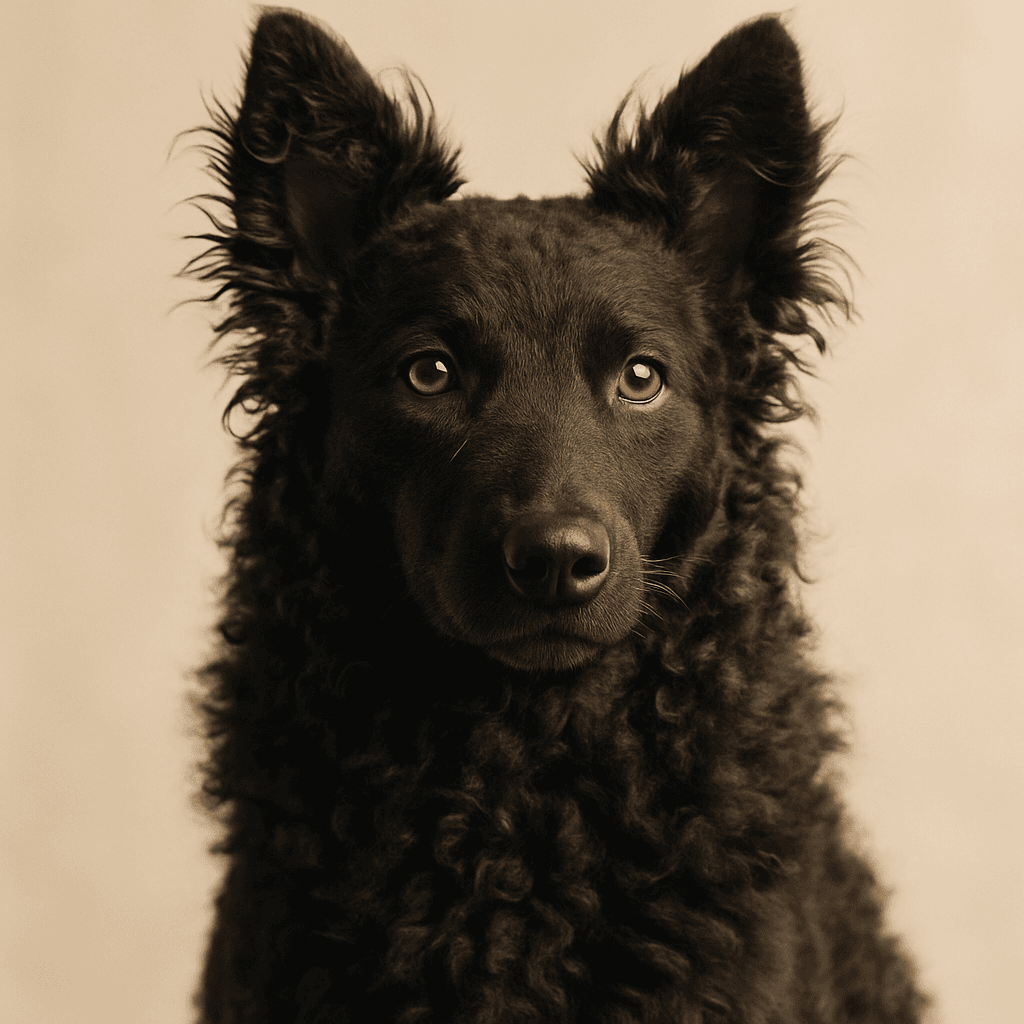
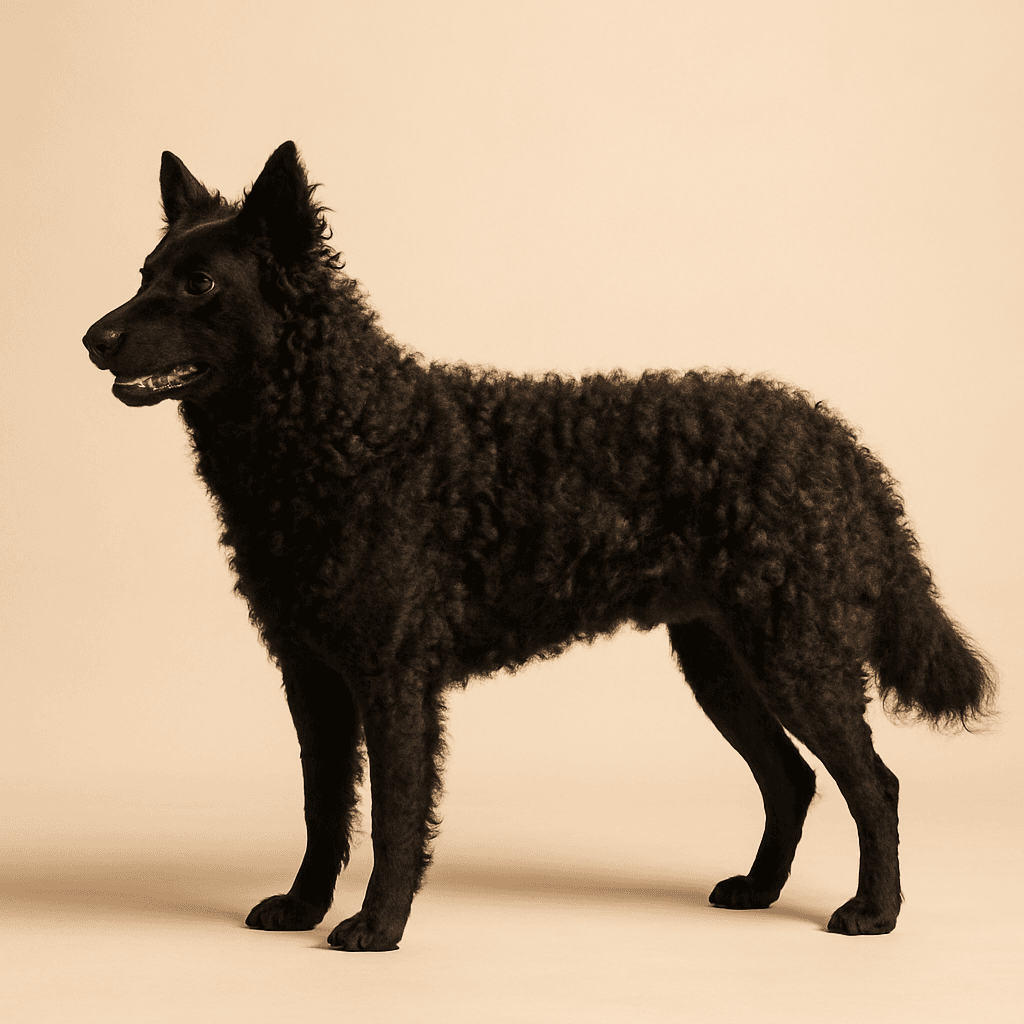
The Mudi is one of Hungary's three native herding and livestock-working breeds, alongside the Puli and Komondor, and is the rarest and most versatile of the three, a medium-sized herding dog of considerable intelligence and capability developed in nineteenth-century Hungary through the natural working selection of farm and herding dogs in the region. The breed was first documented and described scientifically in the 1930s by Dr Dezso Fenyes, who gave it its name, but the type had been working in Hungarian farming communities for considerably longer. The Mudi is recognised by the FCI and by kennel clubs in several countries but has not been formally registered by the Kennel Club in the United Kingdom, where it remains extremely rare and is found almost exclusively with enthusiasts who have imported breeding stock. The Mudi is a medium-sized, well-proportioned and athletic herding dog with a distinctive curly or wavy coat that sets it apart from the more heavily corded Hungarian breeds. The coat comes in a wide range of colours including black, white, brown, yellow, grey, merle and a striking colour called cifra unique to the breed. The ears are erect and pointed. Adults typically stand 38 to 47 centimetres at the shoulder and weigh 8 to 13 kilograms. The character is perhaps the breed's most remarkable quality. The Mudi is exceptionally intelligent, alert, energetic and deeply engaged with its handler - forming an unusually close and responsive bond that makes it one of the most rewarding of all breeds to train. It is considered by those with experience of multiple herding breeds to be among the most naturally trainable dogs in existence. It learns with extraordinary speed, retains behaviours reliably and is capable of performing complex tasks with minimal repetition. This exceptional intelligence is not without its demands. The Mudi requires constant mental challenge and physical engagement - it becomes destructive, anxious or inventively problematic when bored or under-stimulated. The breed is not appropriate for owners who cannot commit to substantial daily exercise and regular training or dog sports participation. The breed excels across a wide range of activities including herding, agility, flyball, obedience, scent work and search and rescue. Its versatility in working contexts is matched by its enthusiasm for structured sport. Owners who engage with this working capability report a profoundly rewarding partnership. Health information is less comprehensive than for more numerous breeds. Hip Dysplasia has been documented and testing is recommended. Epilepsy has been noted in some lines. Prospective buyers should insist on health screening documentation and should research individual breeders carefully given the rarity of the breed in the UK. Purchase prices range from £1,000 to £2,000 or more and sourcing a well-bred puppy may require considerable patience and research, potentially including sourcing from continental European breeders with established working lines. Monthly running costs average £80 to £140.
Quick facts
Meet Our Mudis
Register your dog on My Dog and it will appear here automatically.
Mudi Photos
No photos yet. Be the first to share yours.
Add a photoActivity Feed
How much exercise does your Mudi really need each day?
At least 90 minutes of genuinely vigorous activity, and the word vigorous is doing a lot of work there. A Mudi on a lead walk for 90 minutes is not the same thing as a Mudi that has done agility training, herding work or a high-intensity off-lead session for 90 minutes. Mine needs both physical exercise and mental challenge, and without the mental component the physical exercise alone does not settle her. She excels at agility and we train twice a week, which makes a significant difference to how she is at home the rest of the time. An under-exercised Mudi does not just become a bit restless: she becomes destructive and difficult to live with, and that happens quickly. This is a working dog in every genuine sense. If your life cannot accommodate that kind of commitment reliably, this is not the right breed.
30 June 2026
Any health issues to watch for with Mudis?
The honest answer is that health data on the Mudi is less comprehensive than for more widely established breeds, simply because the breed numbers are small and the gene pool is limited. Hip Dysplasia has been documented and testing is recommended, so ask breeders for results. Epilepsy has been noted in some lines, which is worth raising directly with any breeder and asking about the health history of related dogs. Responsible breeders in a rare breed like this take health screening seriously precisely because the gene pool is limited and maintaining it matters. Ask to see documentation and be sceptical of any breeder who cannot provide it. Because the breed is genuinely rare in the UK, finding a good breeder takes time and patience. That is time well spent.
30 June 2026
What's the one thing you wish you'd known before getting a Mudi?
That the intelligence is extraordinary but it cuts both ways. My Mudi learns at a speed that is frankly astonishing: new behaviours in a handful of repetitions, chains of commands picked up over a single session. It is genuinely thrilling to train. The other side of that is that she gets bored faster than any dog I have ever owned, and a bored Mudi invents her own entertainment, which is rarely anything you want her doing. I have to constantly be one step ahead with new challenges, new environments, new skills to learn. The close bond she forms is also intense: she is deeply engaged with me at all times and highly attuned to my mood and attention. That is wonderful and it is also a responsibility. If you are not prepared to be genuinely present and engaged with a dog on that level every day, a Mudi will struggle.
30 June 2026
What do you feed your Mudi, and why?
A high-quality complete food for an active medium breed, adjusted to workload. On days with a heavy training or agility session she gets a slightly more generous portion; on a quieter day I pull back. The Mudi is naturally lean and athletic and I want to keep her that way: an overweight herding dog is a compromised herding dog, and even in a companion setting the lean athletic build is what keeps her comfortable and capable. Two meals a day at set times. Fresh water always available. I weigh her food rather than estimate because the difference between the right amount and slightly too much adds up over weeks. I check her condition regularly by feel: a visible waist, ribs easy to feel without being prominent. She is generally an easy keeper without dramatic dietary needs beyond choosing a quality food and feeding sensibly.
30 June 2026
Mudi of the Month
🏆 September 2026 -- Be the first nominee
Could be your dog.
The first dog registered in this community earns the first Dog of the Month nomination automatically.
Register your dogUpcoming Mudi Meetups
No meetups planned yet. Be the first to organise one.
Sign in to organise a meetupCommunity Members
Be the first to join and become the Mudi Founding Member.
Join Club