


Be the first to join. Keep the badge forever.
The first members of this community earn permanent Founding Member status. It shows on your profile and your dog's profile for as long as you're here.
- ✓Founding Member badge on your profile
- ✓Your dog featured first
- ✓First Dog of the Month nomination
- ✓Always free
⭐ Founding Member spots open
First to join gets the badge
🐕 Be the first dog registered
Add your Lab to the community
📷 Add the first photo
Start the photo wall
8
Discussions
0 members
8 discussions
About the Newfoundland
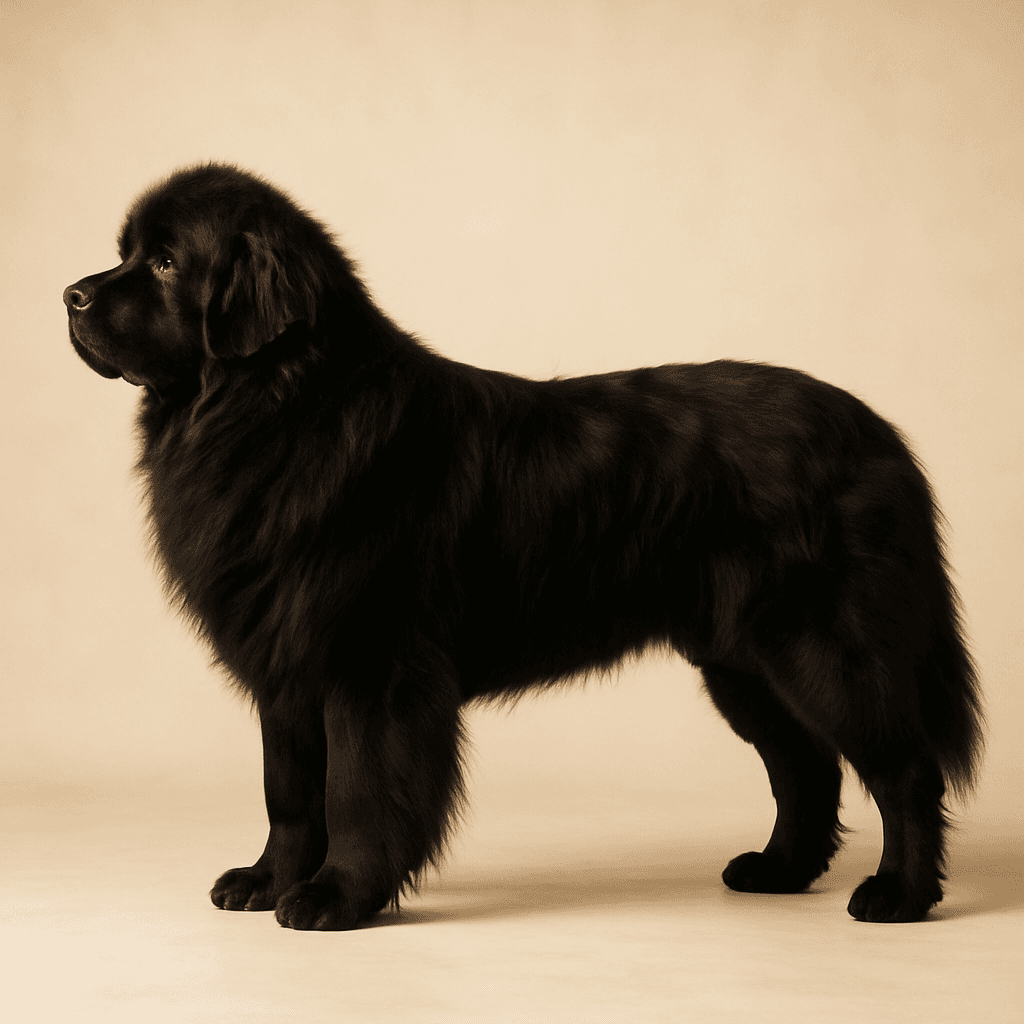
The Newfoundland is one of the most beloved and universally admired of all dog breeds, a Canadian giant of exceptional gentleness and capability originating on the island of Newfoundland in eastern Canada, where it was used for centuries by fishermen and sailors as a water rescue dog, net hauler and general working animal in the demanding conditions of the North Atlantic. The breed's extraordinary swimming ability, facilitated by its webbed feet, powerful build and water-resistant double coat, made it uniquely suited to maritime rescue work, and numerous documented accounts exist of Newfoundlands saving drowning individuals from shipwrecks and coastal accidents. The breed was brought to Britain by returning fishermen and sailors in the eighteenth and nineteenth centuries and rapidly became fashionable - Queen Victoria owned several. It is registered by the Kennel Club in the Working Group. The Newfoundland is a massive, powerfully built and genuinely majestic dog. The double coat is thick, flat and water-resistant, coming in black, brown, grey or the distinctive Landseer pattern of black and white named after the Victorian painter Sir Edwin Landseer, who frequently depicted the breed in heroic maritime scenes. The head is broad and the expression is famously gentle and intelligent. Adults typically stand 66 to 71 centimetres at the shoulder and weigh 45 to 68 kilograms. The character is exceptional by any measure. The Newfoundland is gentle, patient, calm and deeply devoted to its family - but what truly distinguishes the breed is its remarkable tolerance and affection for children. It is consistently cited by experienced canine professionals as one of the most reliably safe and patient of all large breeds with children, combining size and strength with an instinctive gentleness and protectiveness. This quality, combined with the breed's natural loyalty and steady temperament, has made it one of the most enduringly loved of all family companion breeds. Despite the gentle character, the enormous size creates practical demands. A Newfoundland that has not been trained in basic leash manners and impulse control from puppyhood is a significant physical challenge for any owner. The breed is intelligent and responds well to positive, patient training methods - but training must begin early and be maintained consistently. The drool and the coat are genuine lifestyle factors that prospective owners should assess honestly before committing. Water remains a natural element for the Newfoundland and the breed is typically enthusiastic about swimming, which provides excellent low-impact exercise appropriate for the giant build. Water rescue training and carting are activities that channel the breed's heritage and provide genuine enrichment. Health considerations are important. Hip and Elbow Dysplasia testing is mandatory for responsible breeders. Subvalvular Aortic Stenosis (SAS) is a serious inherited heart condition documented in the breed and cardiac screening of breeding stock is strongly recommended. Cystinuria has a DNA test available. Bloat is a risk in deep-chested giant breeds. Purchase prices from KC-registered, health-tested breeders range from £1,500 to £3,000. Monthly running costs are substantial: £150 to £250. The Newfoundland Club and the British Newfoundland Club are the primary resources for breed information, health testing, responsible breeders and rescue contact.
Quick facts
Meet Our Newfoundlands
Register your dog on My Dog and it will appear here automatically.
Newfoundland Photos
No photos yet. Be the first to share yours.
Add a photoActivity Feed
How much exercise does your Newfoundland really need each day?
Sixty to ninety minutes daily for an adult, but with important caveats about age and temperature. Puppy exercise has to be kept gentle and limited until two years old: the skeleton is still developing and over-exercising a giant breed puppy causes real damage that shows up as joint problems later. My Newfoundland absolutely loves swimming and we do as much of that as we can because it provides genuine exercise without the joint loading of walking on hard surfaces. In summer the exercise routine changes completely: heavy coats mean this breed overheats, and I keep summer walks to early morning and evening only. A Newfoundland trying to exercise in midday summer heat is at real risk of heatstroke and I do not take chances. In cooler weather they are in their element and clearly happier outdoors.
30 June 2026
Any health issues to watch for with Newfoundlands?
Subvalvular Aortic Stenosis, the inherited heart condition, is the one that I think every prospective Newfoundland owner needs to know about before they start looking for a puppy. It is serious, it can be fatal, and cardiac testing of breeding stock is strongly recommended. Ask any breeder to confirm cardiac test results on both parents. Hip and elbow dysplasia scoring is mandatory for KC Assured Breeders, so those scores should be available to you. Cystinuria has a DNA test available and is worth asking about. Bloat is a risk in giant breeds: twice daily feeding and calm exercise management around mealtimes is the sensible approach. The Newfoundland Club maintains comprehensive health testing guidance and is the right resource to read before you start your puppy search. Good insurance from the start: the treatment costs on a dog this size are not small.
30 June 2026
What's the one thing you wish you'd known before getting a Newfoundland?
That the giant size makes early training in leash manners and impulse control not optional but genuinely essential, even though the temperament is so reliably gentle that it is easy to be lax about it. My Newfoundland is patient, steady and wonderfully easy-going, and I found myself coasting on that good nature in the early months. A well-natured dog that has not been taught to walk nicely on the lead is still a dog pulling you down the street at considerable force, and a giant breed doing that is a real problem. I got on top of it, but earlier would have been easier. The other thing is the water obsession: it is not a preference, it is a drive. Puddles, streams, ponds, anything. Prepare to have a wet dog regularly and embrace it because fighting it is futile. Water rescue training is genuinely one of the best activities you can do with this breed.
30 June 2026
What do you feed your Newfoundland, and why?
A high-quality large breed or giant breed complete food, with giant breed puppy formula used specifically throughout the growth phase. Controlled growth is critical with giant breeds and I chose a food that supports steady, appropriate skeletal development rather than pushing rapid growth. As an adult he gets two or three meals a day rather than one large feed: the bloat risk in a dog this deep-chested and large is real and twice daily feeding is a sensible precaution. I keep the water bowl full and refreshed regularly, which sounds obvious but matters particularly in warm weather when intake goes up. Weight monitoring is a consistent habit: excess weight on a giant breed is not a cosmetic issue, it is a joint health issue that shortens the dog's comfortable, active years. I check body condition by feel and adjust portions to what I find.
30 June 2026
Newfoundland of the Month
🏆 September 2026 -- Be the first nominee
Could be your dog.
The first dog registered in this community earns the first Dog of the Month nomination automatically.
Register your dogUpcoming Newfoundland Meetups
No meetups planned yet. Be the first to organise one.
Sign in to organise a meetupCommunity Members
Be the first to join and become the Newfoundland Founding Member.
Join Club