

Be the first to join. Keep the badge forever.
The first members of this community earn permanent Founding Member status. It shows on your profile and your dog's profile for as long as you're here.
- ✓Founding Member badge on your profile
- ✓Your dog featured first
- ✓First Dog of the Month nomination
- ✓Always free
⭐ Founding Member spots open
First to join gets the badge
🐕 Be the first dog registered
Add your Lab to the community
📷 Add the first photo
Start the photo wall
8
Discussions

0 members
8 discussions
About the Norwegian Buhund
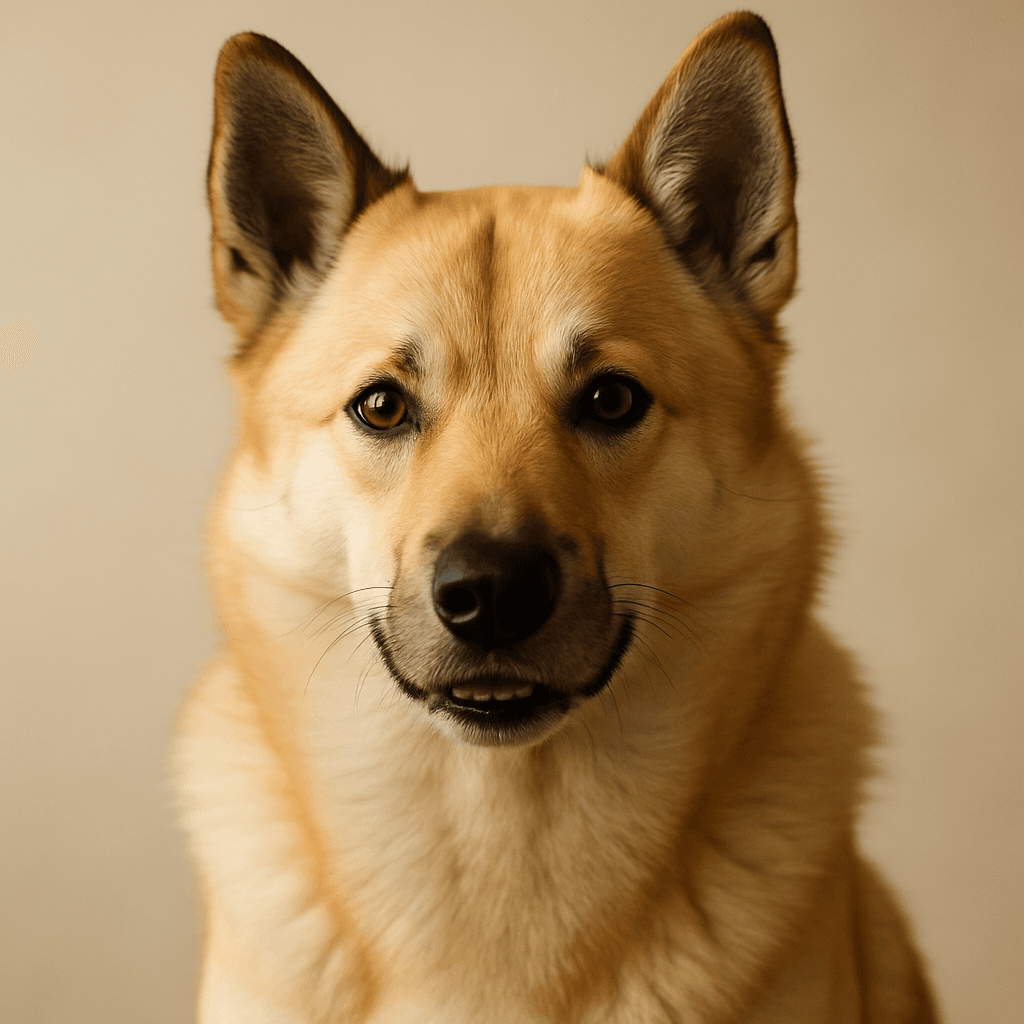
The Norwegian Buhund is one of the oldest and most versatile of the Scandinavian spitz breeds, an ancient Norse farm and herding dog that has been used in Norway for at least a thousand years to herd livestock, guard farms, hunt and serve as an all-purpose working companion in the demanding conditions of the Norwegian countryside. Archaeological evidence suggests spitz dogs of similar type were present in Scandinavia from the time of the Vikings, and the Buhund - the name derives from the Norwegian bu meaning farm, homestead or mountain hut - is regarded as a direct descendant of these ancient working dogs. The breed was first shown in Norway in 1920 and was recognised by the Kennel Club in the Pastoral Group. The Norwegian Buhund is a medium-sized, athletic and well-proportioned spitz with a characteristic thick double coat, erect triangular ears, a curled or curved tail carried over the back and a lively, alert expression. The coat comes in wheaten (pale cream to bright orange), black, and red, with the wheaten varieties being most common. Adults typically stand 41 to 45 centimetres at the shoulder and weigh 12 to 18 kilograms. The character is lively, alert and genuinely people-focused to a degree that distinguishes the Buhund from some of the more aloof spitz breeds. It is affectionate with its own family, good with children and generally sociable with other dogs. It retains the natural alertness and independence of the spitz type but is considerably more biddable and responsive to training than many of its Nordic relatives - a quality that makes it one of the more accessible spitz breeds for owners who have not previously kept a Nordic dog. The breed is vocal, as are many spitz types, and will announce visitors and events with considerable enthusiasm. This barking tendency, while natural to the breed, should be managed from an early age through consistent training to prevent it becoming excessive. Training is one of the Buhund's genuine strengths among spitz breeds. It has been used successfully in obedience, agility and herding activities and responds readily to positive reward-based methods. Health considerations include Hip Dysplasia, for which testing is recommended, and eye conditions including Hereditary Cataract and Progressive Retinal Atrophy. Purchase prices from KC-registered, health-tested breeders range from £1,000 to £2,000. Monthly running costs average £75 to £130. The Norwegian Buhund Club of Great Britain is the primary resource for breed information, health testing, responsible breeders and rescue contact.
Quick facts
Meet Our Norwegian Buhunds
Register your dog on My Dog and it will appear here automatically.
Norwegian Buhund Photos
No photos yet. Be the first to share yours.
Add a photoActivity Feed
How much exercise does your Norwegian Buhund really need each day?
An hour to an hour and a half of genuine exercise every day, and by genuine I mean vigorous and engaging, not a slow amble around the block. My Buhund has a herding background that is very much present in how he approaches everything, including exercise. He wants to move with purpose. He does brilliantly with agility and I have also done nose work with him, which is fantastic because it tires him out mentally in a way that a long run alone does not. If he does not get adequate exercise he becomes restless and vocal, and a vocal spitz in a semi-detached house is a fairly urgent problem to solve. The mental side of things is genuinely as important as the physical. He is a working dog who needs to feel like he has done something.
30 June 2026
Any health issues to watch for with Norwegian Buhunds?
Hip Dysplasia is the main one to check when buying, and both parents should be hip scored. I would not accept any excuse for the breeder not having done this. Eye conditions are also documented in the breed, including Hereditary Cataract and Progressive Retinal Atrophy, and PRA testing is recommended for breeding stock. The Norwegian Buhund Club of Great Britain is the right place to go for the current health testing requirements because they maintain up-to-date guidance on what responsible breeders should be doing. When I was looking for my dog I used the health testing requirements as a straightforward filter, any breeder who could not produce evidence of testing simply did not make the shortlist. The breed is generally robust but these inherited conditions are preventable through proper breeding practices.
30 June 2026
What's the one thing you wish you'd known before getting a Norwegian Buhund?
That this is not a typical spitz in terms of biddability. I had done my research on Nordic breeds and came in expecting that characteristic independence and slight aloofness. What I got instead was a dog who is genuinely people-focused and engaged with training in a way that is unusual for the type. He is described as one of the most trainable of the spitz breeds and that has been my experience, he actively enjoys learning and has done well in obedience. The flip side is that the vocality is real and it is not something you train away entirely, it is wired in. He announces arrivals, he announces departures, he announces opinions. If you live somewhere where that matters, go in with your eyes open. The vocality is a non-trivial characteristic, not a minor quirk.
30 June 2026
What do you feed your Norwegian Buhund, and why?
A high-quality complete food for an active medium breed, fed in two meals a day. My Buhund is lean and athletic and I feed to support that rather than allowing him to put on weight, which would blunt the athletic quality that is central to what he is. I adjust portions based on activity level, so working weeks and quieter weeks get slightly different amounts. He is not a breed prone to obesity naturally but monitoring body condition regularly keeps things honest. The guidance I follow is simple: you should be able to feel the ribs without pressing, and there should be a visible waist from above. Fresh water always available. I have not found any need to do anything specialist with his diet and he has been in excellent condition on this straightforward approach.
30 June 2026
Norwegian Buhund of the Month
🏆 September 2026 -- Be the first nominee
Could be your dog.
The first dog registered in this community earns the first Dog of the Month nomination automatically.
Register your dogUpcoming Norwegian Buhund Meetups
No meetups planned yet. Be the first to organise one.
Sign in to organise a meetupCommunity Members
Be the first to join and become the Norwegian Buhund Founding Member.
Join Club