


Be the first to join. Keep the badge forever.
The first members of this community earn permanent Founding Member status. It shows on your profile and your dog's profile for as long as you're here.
- ✓Founding Member badge on your profile
- ✓Your dog featured first
- ✓First Dog of the Month nomination
- ✓Always free
⭐ Founding Member spots open
First to join gets the badge
🐕 Be the first dog registered
Add your Lab to the community
📷 Add the first photo
Start the photo wall
8
Discussions
0 members
8 discussions
About the Pekingese
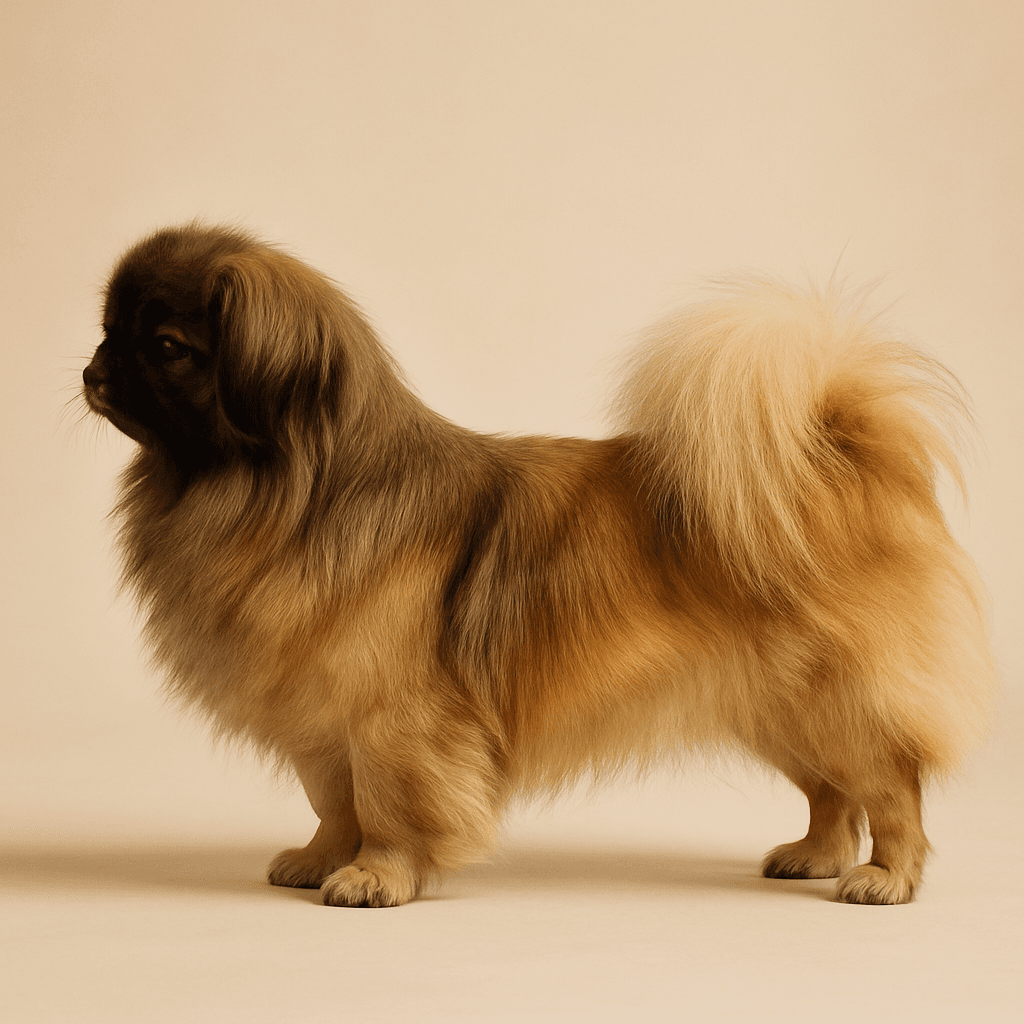
The Pekingese is one of the oldest and most historically remarkable of all dog breeds in the world, an imperial Chinese companion with a documented history spanning at least two thousand years, bred and maintained exclusively within the imperial court of China for many centuries with an exclusivity so extreme that theft or unauthorised ownership of a Pekingese was punishable by death. The breed came to the Western world abruptly and dramatically in 1860, when British forces looted the Summer Palace in Beijing during the Second Opium War and soldiers discovered several small lion dogs in the apartments of the Emperor's aunt, who had killed herself rather than allow them to fall into foreign hands. The dogs were brought to Britain and one was presented to Queen Victoria, who named it Looty. Formal importation and breeding from further specimens followed, and the Pekingese was registered by the Kennel Club in the Toy Group. The Pekingese is a small, low-set and heavily built dog of unmistakable appearance. The face is extremely flat - more so in some individuals than others, and this is a welfare distinction of enormous importance. The coat is profuse, long, double-layered and flowing, creating a lion-like mane around the head and shoulders. The rolling, slightly side-to-side gait is characteristic and deliberate. Adults typically stand 15 to 23 centimetres at the shoulder and weigh up to 5 kilograms. The character is dignified, proud, independent and deeply devoted to its own people on its own terms - a character forged by a history of imperial pampering and the very human tendency to project human dignity onto an object of reverence. The Pekingese is not a dog that seeks approval or performs for validation. It is affectionate and loyal with those it has chosen but reserves judgment with strangers and will not be hurried or compelled. This is emphatically not a breed for owners who equate a dog's value with its compliance. The brachycephalic health concern is the defining welfare issue for the breed. The extremely flat face of some Pekingese produces Brachycephalic Obstructive Airway Syndrome, impeding normal breathing and causing chronic discomfort and exercise intolerance. Responsible breeders work toward more moderate facial structure and BOAS grading of both parents is essential before purchase. Eye proptosis - where the eye is forced out of the socket by minor pressure - is a risk in flat-faced breeds. The profuse coat requires serious grooming commitment and the wrinkles require daily cleaning. Purchase prices from KC-registered, health-assessed breeders range from £1,000 to £2,500. Monthly running costs average £70 to £120. The Pekingese Club is the primary resource for breed information, health testing requirements, responsible breeders and rescue contact.
Quick facts
Meet Our Pekingeses
Register your dog on My Dog and it will appear here automatically.
Pekingese Photos
No photos yet. Be the first to share yours.
Add a photoActivity Feed
How much exercise does your Pekingese really need each day?
Twenty to thirty minutes a day is genuinely enough, but how and when you do it matters enormously. I never walk mine in the middle of the day in summer, full stop. Brachycephalic dogs can get into serious trouble in the heat, and the Pekingese's flat face means there's limited room for error. Early morning in warm weather, and I keep it short. The breed is more mentally alert than it often gets credit for, so I make sure we do things that engage the brain as well as the body. He's not a dog for a five-mile hike, and he'd be quick to let you know that anyway. The key thing is never to push to the point where breathing becomes laboured. If he's struggling to breathe, stop immediately. That's not a breed quirk, it's a welfare line.
30 June 2026
Any health issues to watch for with Pekingeses?
BOAS is the primary concern and I cannot stress this enough: BOAS grading of both parents before you purchase is non-negotiable. Some Pekingese individuals have a degree of flatness that presents serious welfare problems throughout their life. Beyond that, progressive retinal atrophy DNA testing should be on any responsible breeder's list. Eye proptosis is a genuine risk with flat-faced breeds, where the eye can protrude from the socket following even minor impact or over-enthusiastic restraint. It's as alarming as it sounds and requires emergency vet attention. Spinal problems linked to the breed's long back are also documented. None of this means a well-bred Pekingese can't be a healthy dog, but the breed's conformation demands that you buy from someone who takes health testing seriously and can show you the results.
30 June 2026
What's the one thing you wish you'd known before getting a Pekingese?
I wish I'd understood what imperial companion actually means in practice. The Pekingese was bred for centuries in the Chinese imperial palace, and that history is entirely present in the dog you bring home. Mine is not biddable. He is not interested in repetitive drill, he will not perform on demand, and harsh methods produce a dog that simply withdraws into itself and gives you nothing. What works is patience, consistency and genuine respect for his character. Positive reinforcement, short sessions, and treating him as a partner rather than a pupil. When I got that right, the relationship changed completely. He is deeply loyal, quietly affectionate, and excellent company on his own terms. But you have to meet this breed where it is rather than trying to bend it into something it isn't.
30 June 2026
What do you feed your Pekingese, and why?
Small-breed complete dry food, two small meals a day, and daily teeth brushing from the day I brought him home. Dental disease is one of the most reliably common problems in small breeds and the Pekingese is no exception. I learned that lesson the hard way with a previous small dog who needed costly dental work under anaesthetic. Starting preventive dental care from puppyhood is genuinely worth the daily faff. Weight management matters too. Because exercise is limited by the brachycephalic conformation, a Pekingese that's even slightly overweight is at real disadvantage, particularly in warm weather. I weigh his food rather than eyeballing it, and I'm not overly generous with treats. A lean Pekingese is a more comfortable and safer Pekingese.
30 June 2026
Pekingese of the Month
🏆 September 2026 -- Be the first nominee
Could be your dog.
The first dog registered in this community earns the first Dog of the Month nomination automatically.
Register your dogUpcoming Pekingese Meetups
No meetups planned yet. Be the first to organise one.
Sign in to organise a meetupCommunity Members
Be the first to join and become the Pekingese Founding Member.
Join Club