


Be the first to join. Keep the badge forever.
The first members of this community earn permanent Founding Member status. It shows on your profile and your dog's profile for as long as you're here.
- ✓Founding Member badge on your profile
- ✓Your dog featured first
- ✓First Dog of the Month nomination
- ✓Always free
⭐ Founding Member spots open
First to join gets the badge
🐕 Be the first dog registered
Add your Lab to the community
📷 Add the first photo
Start the photo wall
8
Discussions
0 members
8 discussions
About the Pomchi
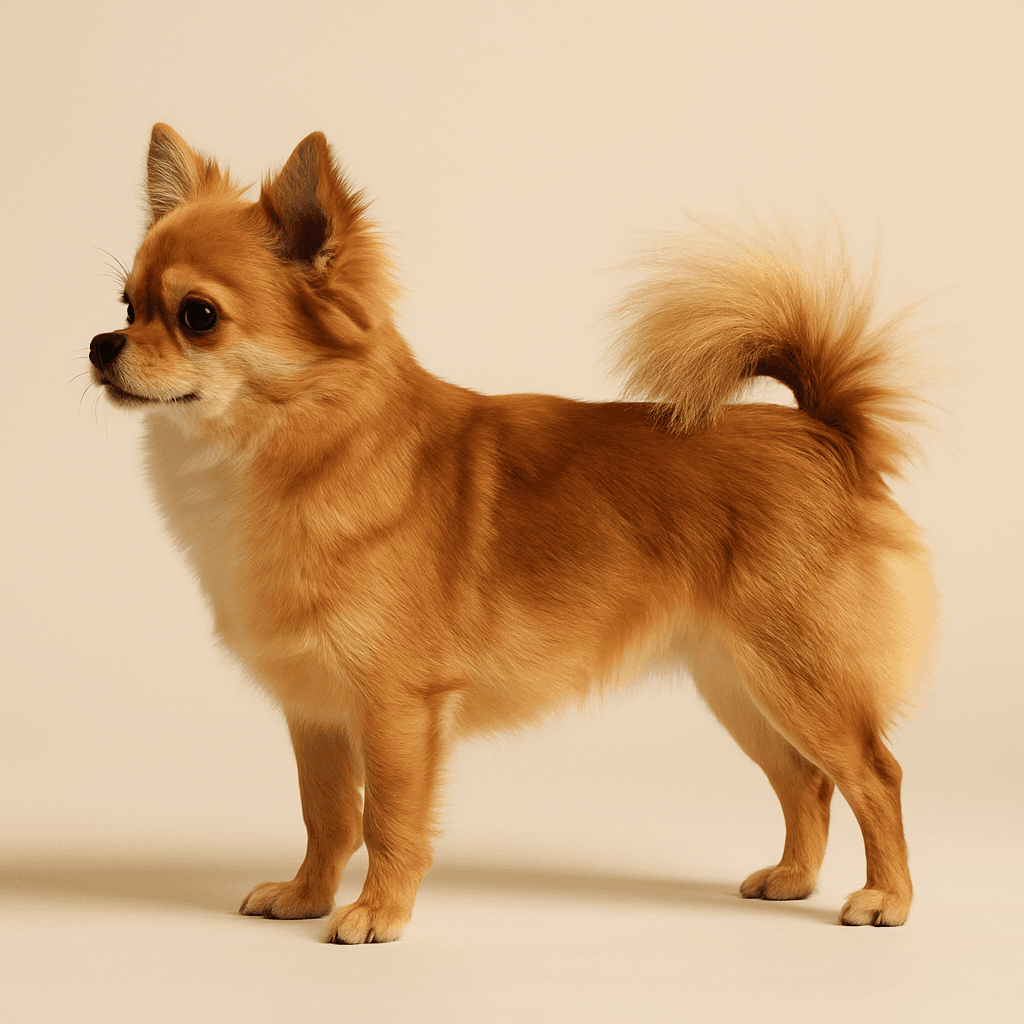
The Pomchi is a crossbreed produced from a Pomeranian and a Chihuahua, two of the most popular small companion breeds in the world, combining the fluffy, outgoing showmanship of the Pomeranian with the bold, fiercely loyal character of the Chihuahua to produce a very small, spirited and engaging companion. The cross is not recognised by the Kennel Club and has no formal breed standard, breed club or mandatory health testing programme. The Pomeranian is a spitz-type breed of German and Polish origin, descended from larger sled and herding spitz dogs and reduced to its current tiny size by selective miniaturisation in the eighteenth and nineteenth centuries, famously popularised in Britain by Queen Victoria. The Chihuahua is the smallest recognised dog breed in the world, of ancient Mexican origin, and is characterised by its fierce devotion to its own person, its alert watchfulness and its remarkable boldness relative to its diminutive size. The combination of these two breeds produces variable results but typically a very small dog of lively, alert and spirited character. Appearance varies between individuals depending on which parent contributes more strongly to the offspring. Coat type ranges from the shorter, flatter Chihuahua coat to the long, fluffy and heavily feathered Pomeranian double coat, with most individuals falling somewhere between. The very small size is consistent - adults typically weigh 2 to 5 kilograms. The character is lively, alert, bold and deeply devoted to its own person or family. The combination of Chihuahua loyalty and Pomeranian outgoing personality produces an engaging and often entertaining companion with a personality considerably larger than its physical stature. The natural boldness of both parent breeds can, without appropriate handling, translate into the small dog syndrome that makes many very small breeds difficult to manage - consistent, gentle boundaries from puppyhood are important. The primary health considerations are Patellar Luxation, present in both parent breeds, dental disease, which is particularly prevalent in very small breeds with crowded dentition, and tracheal collapse, documented in both Chihuahuas and small Pomeranians. Harnesses rather than collar and lead are strongly recommended for all very small dogs given the tracheal risk. Hypoglycaemia is a risk in very small puppies. No formal health testing scheme exists - responsible breeders should provide evidence of Patellar Luxation assessment of both parents. Purchase prices range from £400 to £1,000. Monthly running costs average £50 to £85. No breed club or specialist rescue exists - Pomeranian rescue, Chihuahua rescue and general small breed rescue organisations are the most useful contacts.
Quick facts
Meet Our Pomchis
Register your dog on My Dog and it will appear here automatically.
Pomchi Photos
No photos yet. Be the first to share yours.
Add a photoActivity Feed
How much exercise does your Pomchi really need each day?
Twenty to thirty minutes is genuinely adequate, but I always use a harness rather than a collar. Tracheal collapse is a documented risk in both Chihuahuas and small Pomeranians, and collar pressure on the neck is something I'm not willing to risk. A harness completely sidesteps that concern and makes walks more comfortable for the dog. Beyond the physical walk, I put time into training games and mental stimulation because the Pomchi has a lively, engaged mind that needs something to do. A bored Pomchi in a small space finds its own entertainment, usually vocal. The small size means you don't need a lot of space or distance, which makes this a breed that works well in flats and smaller homes, but don't mistake small for zero needs. Daily exercise and daily mental engagement both matter.
30 June 2026
Any health issues to watch for with Pomchis?
Patellar luxation is the one I keep closest watch on. Both Chihuahuas and Pomeranians have a meaningful incidence of it, and since the Pomchi draws from both gene pools it's a real consideration. A skipping gait where the dog hops on three legs for a moment before the kneecap resets is the classic sign. Ask about assessment of both breeding parents before you buy. Dental disease is almost a given in very small breeds because the jaw is small and teeth are crowded, so daily brushing from puppyhood is genuinely important rather than optional. Tracheal collapse, as I mentioned, is a practical management point. And hypoglycaemia can affect very small puppies, so if you're buying a tiny puppy you need to know the signs of low blood sugar. No formal crossbreed testing scheme exists, which makes the quality of the individual breeder especially important.
30 June 2026
What's the one thing you wish you'd known before getting a Pomchi?
Small dog syndrome is entirely real and entirely preventable, but only if you take it seriously from day one. The Pomchi has a bold, assertive character that is genuinely part of its charm, but without consistent, gentle boundaries from puppyhood that boldness tips into bossiness. I see a lot of small dogs that are difficult to manage around other dogs or with visitors, and in almost every case the owner treated the problematic behaviour as cute because the dog was tiny. It isn't cute when the dog is three years old and reactive on the lead. Mine went to puppy classes, learned sit and stay and recall, and is held to the same behavioural standards I'd hold any dog to. The result is a confident, engaging, manageable companion. That doesn't happen automatically. You have to build it.
30 June 2026
What do you feed your Pomchi, and why?
A high-quality dry complete food specifically formulated for a very small or toy breed. The kibble size matters because a tiny dog can't comfortably eat large pieces. Two small meals a day rather than one, and I'm fairly strict about quantities because a very small dog can gain meaningful weight on surprisingly little overfeeding. Dental health is the other thing I focus on: I brush teeth daily with a dog-specific toothpaste and have had no dental issues so far. The dry food helps a little mechanically, but it's the brushing that does the real work. Hypoglycaemia was something I was aware of in the early puppy weeks and I kept meal frequency higher then to maintain blood sugar. Now he's an adult it's not an active concern, but worth knowing about if you're bringing home a very young or very small puppy.
30 June 2026
Pomchi of the Month
🏆 September 2026 -- Be the first nominee
Could be your dog.
The first dog registered in this community earns the first Dog of the Month nomination automatically.
Register your dogUpcoming Pomchi Meetups
No meetups planned yet. Be the first to organise one.
Sign in to organise a meetupCommunity Members
Be the first to join and become the Pomchi Founding Member.
Join Club