

Be the first to join. Keep the badge forever.
The first members of this community earn permanent Founding Member status. It shows on your profile and your dog's profile for as long as you're here.
- ✓Founding Member badge on your profile
- ✓Your dog featured first
- ✓First Dog of the Month nomination
- ✓Always free
⭐ Founding Member spots open
First to join gets the badge
🐕 Be the first dog registered
Add your Lab to the community
📷 Add the first photo
Start the photo wall
8
Discussions

0 members
8 discussions
About the Portuguese Water Dog
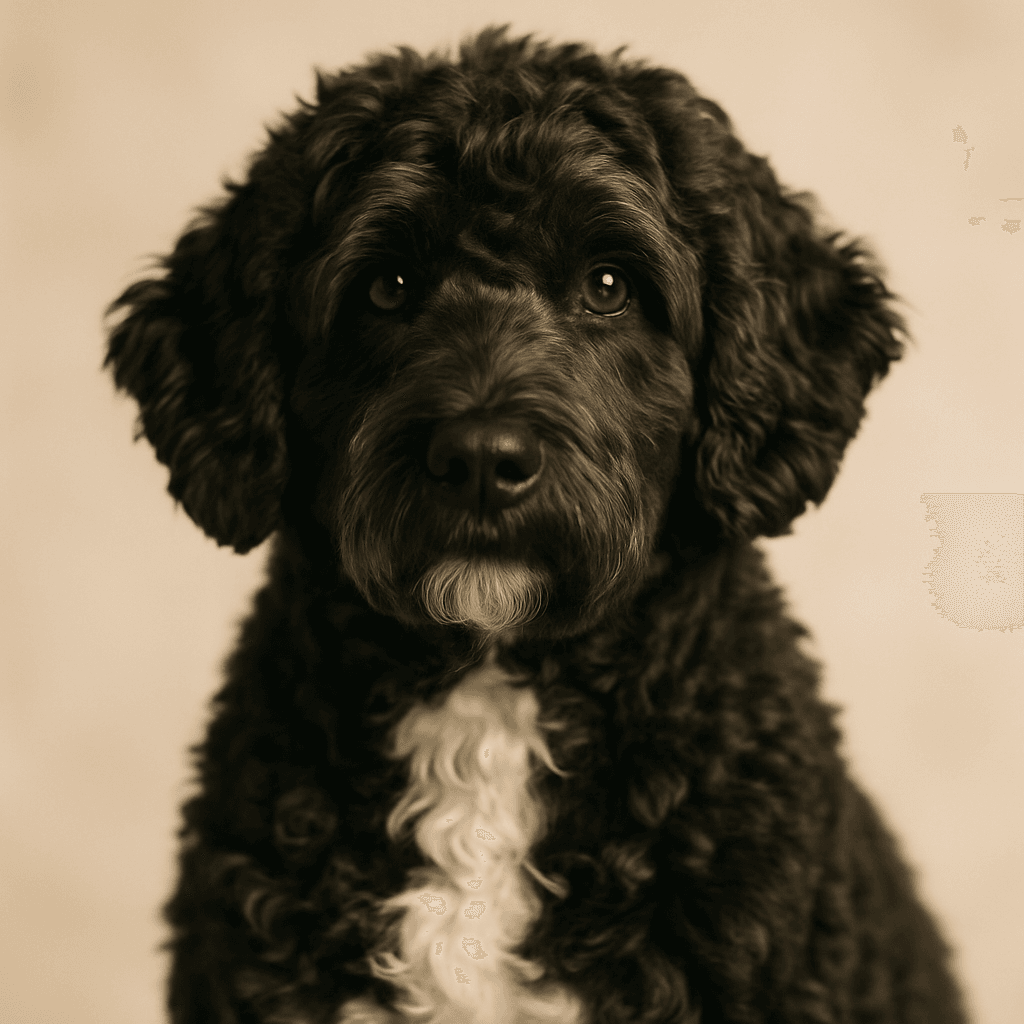
The Portuguese Water Dog, known in Portugal as the Cao de Agua Portugues (literally the Dog of Water of Portugal), is a medium-sized, athletic and curly or wavy-coated working breed developed over several centuries by Portuguese fishing communities along the Atlantic coast to assist the fishing fleets in a remarkable range of water-related tasks, including retrieving tackle and nets from the water, herding fish into nets, carrying messages between boats, and guarding boats and catches in port. The breed's exceptional swimming ability - enabled by its strong, muscular build, webbed feet and water-resistant coat - and its high intelligence and trainability made it an invaluable working partner for the fishing communities of the Algarve and the Portuguese coast. The breed's numbers declined dramatically in the twentieth century as mechanised fishing reduced the need for working dogs on fishing vessels, but dedicated preservation efforts from the mid-twentieth century onwards, particularly by the Portuguese shipping magnate Vasco Bensaude, saved the breed from extinction. The Portuguese Water Dog is registered by the Kennel Club in the Gundog Group. The Portuguese Water Dog is a medium-sized, robustly built and slightly compact dog with either a wavy or tightly curled low-shedding coat in black, white, brown or combinations thereof. The webbed feet are a functional working feature. The coat was traditionally styled in the working lion clip - the hindquarters and muzzle shaved closely, leaving the forward body and head in full coat with a pompom on the tail tip - though most companion dogs today are maintained in a practical shorter clip throughout. Adults typically stand 43 to 57 centimetres at the shoulder and weigh 16 to 25 kilograms. The character is alert, energetic, affectionate and deeply connected to its handler - a working breed that thrives on activity, purpose and engagement with its people. The Portuguese Water Dog is good with children, sociable with other dogs and devoted and loyal to its household. It is not a passive or low-key companion; it is an athletic dog that needs genuine daily exercise and mental stimulation to remain settled and content. Training is exceptionally rewarding. The breed is highly intelligent, willing and responsive to positive reward-based methods, capable of advanced obedience, agility, water work and nose work. The intelligence that makes it a pleasure to train also means it needs consistent mental engagement. Health considerations are important. Progressive Retinal Atrophy DNA testing is essential. Hip Dysplasia testing is strongly recommended. Storage Disease (GM1 Gangliosidosis) DNA testing of both parents is also required by responsible breeders. Purchase prices from KC-registered, health-tested breeders range from £1,500 to £3,000. Monthly running costs average £100 to £160. The Portuguese Water Dog Club of Great Britain is the primary resource for breed information, health testing requirements, responsible breeders and rescue contact.
Quick facts
Meet Our Portuguese Water Dogs
Register your dog on My Dog and it will appear here automatically.
Portuguese Water Dog Photos
No photos yet. Be the first to share yours.
Add a photoActivity Feed
How much exercise does your Portuguese Water Dog really need each day?
Sixty to 90 minutes of vigorous exercise daily is the honest minimum. This is a working breed with real stamina and it does not function well on less. My Portuguese Water Dog is at his best when he has had a proper long walk plus some structured activity, whether that is a training session, a retrieve game or, his personal preference, a swim. The breed was developed for water work and swimming is natural, excellent exercise that he throws himself into completely. I factor in mental stimulation alongside the physical side: training sessions, nose work, and retrieval games all matter because the working intelligence needs an outlet. I found that the days when I had done both physical and mental work were noticeably calmer in terms of his behaviour at home than the days when exercise alone had to carry everything. A bored, under-stimulated Portuguese Water Dog is restless in a way that is hard to ignore. The activity investment is real but the reward is a genuinely exceptional companion.
30 June 2026
Any health issues to watch for with Portuguese Water Dogs?
Three health tests are non-negotiable when buying from a breeder: PRA (progressive retinal atrophy), GM1 Gangliosidosis and hip dysplasia. The prcd-PRA DNA test is available and both parents should have been tested. GM1 Gangliosidosis is rare but serious, it is a neurological storage disease documented in the breed, and again, a DNA test exists so responsible breeders test for it. Hip dysplasia scoring is strongly recommended for both parents. I would not purchase from any breeder who could not provide evidence of all three. The Portuguese Water Dog Club of Great Britain maintains comprehensive testing requirements and is the place to start when researching what good breeding looks like. Beyond the hereditary conditions, this is a generally robust, active breed without the layers of conformation-related health issues that affect some other breeds. Get full, lifetime insurance in place from day one and check the breed health testing status of both parents before committing.
30 June 2026
What's the one thing you wish you'd known before getting a Portuguese Water Dog?
That working intelligence at this level genuinely needs purpose, not just physical exercise. I knew the breed was highly trainable. I was not fully prepared for how much the working drive shapes the dog's everyday experience. A Portuguese Water Dog that has been adequately exercised but not mentally engaged is not a settled dog. Mine needs to feel useful, to be learning, to have something to apply himself to. When I started channelling that properly, through obedience work, agility, water retrieves, the difference in his overall demeanour was remarkable. He is deeply engaged with me, genuinely enthusiastic about training, and one of the most rewarding dogs I have worked with. But that relationship requires investment. He needs an active, involved owner who wants a genuine partnership rather than a dog that mostly runs alongside them and then naps. If you want that level of engagement with a dog, this breed is extraordinary. If you want something more independent and self-sufficient, look elsewhere.
30 June 2026
What do you feed your Portuguese Water Dog, and why?
A high-quality complete food for an active medium breed, fed in two meals daily. I feed to support his activity level, which is substantial, and I monitor body condition regularly. He is lean and muscular and should look it: ribs feelable without pressing, visible waist. The two-meal structure suits active dogs that are working their digestive system hard. I keep fresh water available at all times, particularly after swimming or strenuous exercise. I do not overcomplicate the feeding side for this breed because they tend to be robust eaters without significant dietary sensitivities. What I do pay attention to is matching quantity to actual activity, not just feeding the same amount every day regardless of how much exercise he has had. On lighter days, he gets slightly less. It is a simple adjustment that keeps his condition consistent without requiring anything complicated.
30 June 2026
Portuguese Water Dog of the Month
🏆 September 2026 -- Be the first nominee
Could be your dog.
The first dog registered in this community earns the first Dog of the Month nomination automatically.
Register your dogUpcoming Portuguese Water Dog Meetups
No meetups planned yet. Be the first to organise one.
Sign in to organise a meetupCommunity Members
Be the first to join and become the Portuguese Water Dog Founding Member.
Join Club