Be the first to join. Keep the badge forever.
The first members of this community earn permanent Founding Member status. It shows on your profile and your dog's profile for as long as you're here.
- ✓Founding Member badge on your profile
- ✓Your dog featured first
- ✓First Dog of the Month nomination
- ✓Always free
⭐ Founding Member spots open
First to join gets the badge
🐕 Be the first dog registered
Add your Lab to the community
📷 Add the first photo
Start the photo wall
8
Discussions
0 members
8 discussions
About the Pyrenean Sheepdog
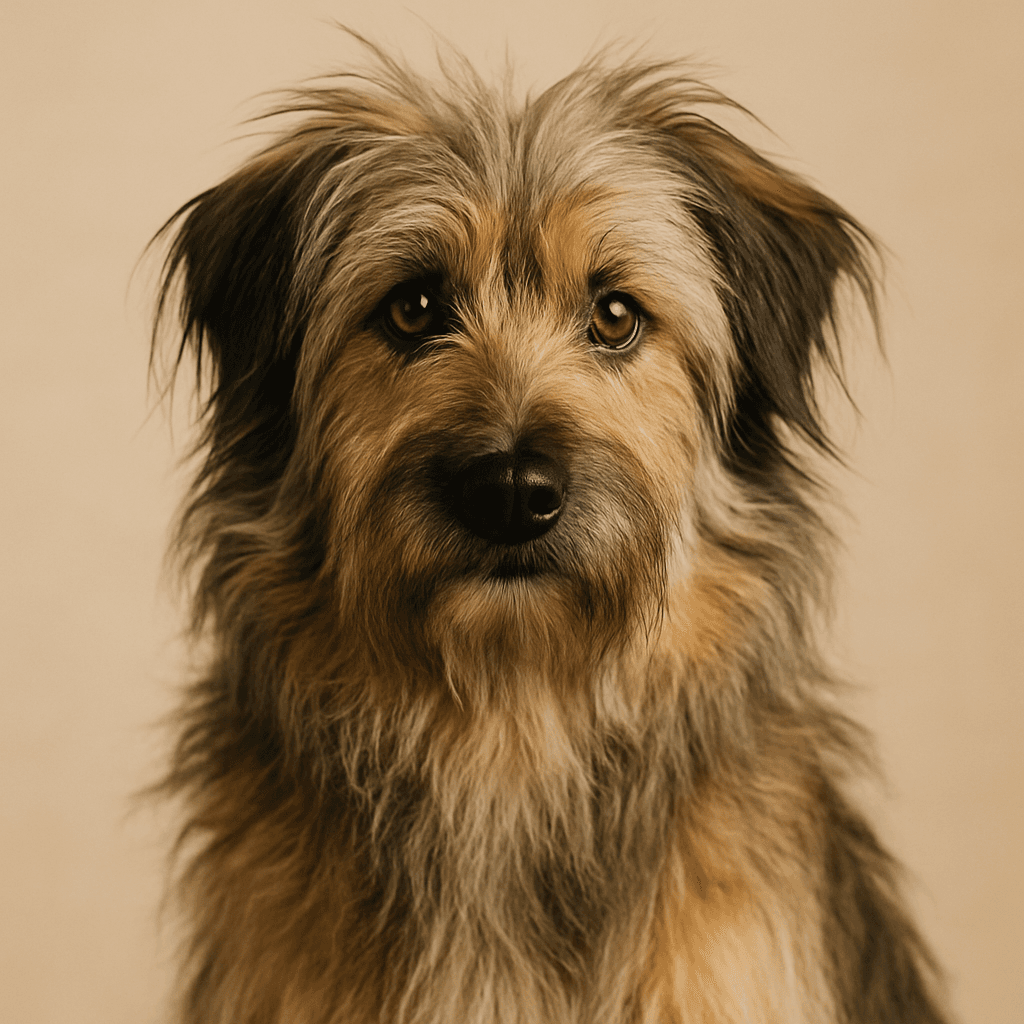
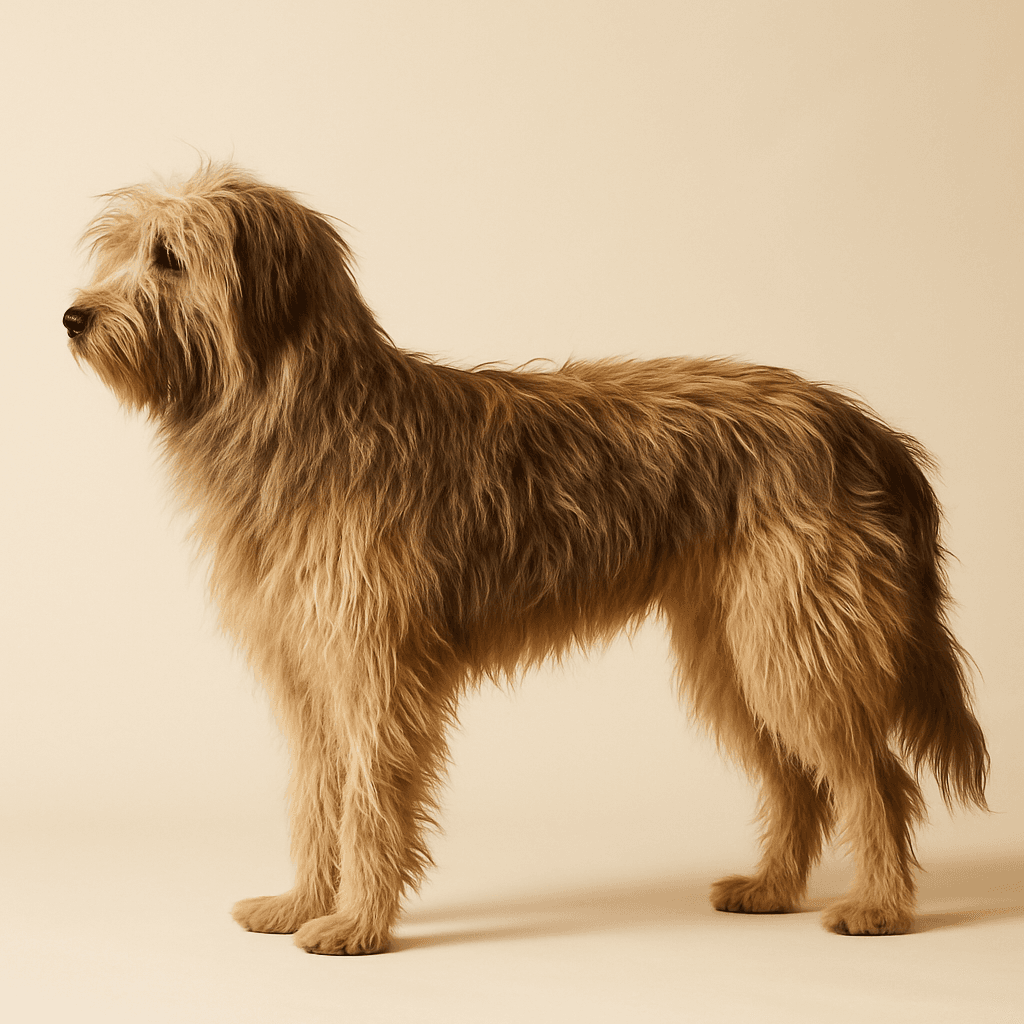
The Pyrenean Sheepdog, known in France as the Berger des Pyrenees, is a small to medium-sized and highly energetic French herding breed developed over many centuries in the Pyrenean mountains, where it worked alongside the Pyrenean Mountain Dog in a complementary role - the Mountain Dog guarding the flock against predators while the Sheepdog, far smaller, faster and more agile, directed the movement of the sheep under the shepherd's command. The two breeds are often spoken of together as the traditional working pair of the Pyrenees, each bred for a completely different function, size and character. The Pyrenean Sheepdog is registered by the Kennel Club in the Pastoral Group and exists in two recognised coat varieties: the rough-faced (poil long) and the smooth-faced (face rase), both of which may occur in the same litter. The Pyrenean Sheepdog is a lean, muscular and athletic small to medium dog of considerable energy and quickness. The rough-faced variety has a longer, rougher coat that forms a characteristic mane around the face and neck; the smooth-faced variety has a flatter, shorter coat. Both varieties are typically fawn, grey or merle in colour. Adults typically stand 38 to 52 centimetres at the shoulder and weigh 7 to 15 kilograms - small for a herding breed in absolute terms but powerful and tireless in action. The character is lively, alert and intensely energetic - a herding breed that was selected for the extraordinary stamina and responsiveness required to manage large flocks across challenging mountain terrain. The Pyrenean Sheepdog is highly intelligent and among the most trainable of all herding breeds, responding brilliantly to positive reinforcement and engaging with learning activities with exceptional enthusiasm. It excels in agility, obedience and herding sports, and owners who engage with the breed's working instincts and intelligence report a deeply rewarding partnership. The high energy and working drive mean the breed is genuinely unsuitable for owners who cannot provide substantial daily exercise and mental engagement. An under-exercised or under-stimulated Pyrenean Sheepdog directs its considerable energy and intelligence into destructive or obsessive behaviour patterns. The herding instinct may also manifest in the chasing or nipping of children, other animals or fast-moving objects. The breed is generally robust and healthy. Hip Dysplasia testing of parents is recommended. Purchase prices from KC-registered breeders range from £800 to £1,500. Monthly running costs average £70 to £120. French breed clubs are the primary resource for breed information and responsible breeders.
Quick facts
Meet Our Pyrenean Sheepdogs
Register your dog on My Dog and it will appear here automatically.
Pyrenean Sheepdog Photos
No photos yet. Be the first to share yours.
Add a photoActivity Feed
How much exercise does your Pyrenean Sheepdog really need each day?
At least 60 to 90 minutes of vigorous exercise daily, and I mean vigorous. This is a herding breed with genuine stamina and a working drive that demands an outlet. A slow amble around the block twice a day is not going to cut it. Mine needs activities that challenge her physically and mentally: agility is her passion, and on agility days she is a different dog at home, settled, content, genuinely tired. On days when exercise has been only adequate rather than genuinely demanding, I notice the difference in her behaviour. She becomes restless, starts looking for things to occupy herself, and her ideas for self-entertainment are not ones I would choose. The mental stimulation side is equally important to the physical. A Pyrenean Sheepdog that has run for an hour but had no mental engagement is still not a satisfied dog. Training, herding work if accessible, and structured activities that require her to think all matter alongside the physical exercise.
30 June 2026
Any health issues to watch for with Pyrenean Sheepdogs?
The Pyrenean Sheepdog is generally considered a robust and healthy breed, which reflects the advantage of breeds that have not been extensively modified by conformation-focused selection. Hip dysplasia testing of parents is recommended and worth asking any breeder about. Eye conditions have been documented in the breed and worth raising with a breeder and your vet. The honest answer is that the breed is not common enough in the UK for a comprehensive domestic health programme to exist in the same way as it does for more numerous breeds, which means the research onus is on you as a buyer to ask breeders the right questions and seek out breed-specific guidance. The Kennel Club and the breed community internationally are the most useful sources. Comprehensive insurance is important not because this is a high-risk health breed, but because any dog can have an accident or illness and a very active, athletic dog has its own exposure to musculoskeletal injury.
30 June 2026
What's the one thing you wish you'd known before getting a Pyrenean Sheepdog?
That the herding instinct shows up in everyday life in ways I had not fully anticipated. It is not just about chasing sheep. It surfaces as an alertness to movement, a tendency to position herself between me and other things, an inclination to chase or circle when excited. The chasing and nipping tendency needs active management from puppyhood, particularly around children or other animals. Early socialisation with different people, environments and animals was genuinely important in shaping how that instinct expresses itself. The wariness with strangers is the other thing I wish I had prepared for more actively. She is devoted to me in a way that is one of the great pleasures of this breed. With people she does not know, she is watchful and takes her time. Socialisation shapes this considerably but does not eliminate it. What I have is a dog that is not for everyone, requires real commitment and engagement, but is one of the most extraordinary dogs I have ever had the privilege of working with.
30 June 2026
What do you feed your Pyrenean Sheepdog, and why?
A high-quality complete food for a small to medium active breed, fed twice daily and calibrated to her activity level. She is lean and athletic and should look it. I feed slightly more on heavy training or agility days and slightly less on quieter days. Body condition is what I actually use to guide quantity: ribs easily feelable, visible waist, no fat deposits. The twice-daily structure suits an active dog with a working schedule and I find it keeps her energy levels more consistent across the day than a single larger meal would. Fresh water always available, particularly after agility sessions or long active outings. I do not overcomplicate the nutrition side for this breed: a genuinely good food appropriate for an active dog, fed consistently and adjusted to actual activity, is the approach that works well. The simplicity of her health profile generally extends to her dietary needs.
30 June 2026
Pyrenean Sheepdog of the Month
🏆 September 2026 -- Be the first nominee
Could be your dog.
The first dog registered in this community earns the first Dog of the Month nomination automatically.
Register your dogUpcoming Pyrenean Sheepdog Meetups
No meetups planned yet. Be the first to organise one.
Sign in to organise a meetupCommunity Members
Be the first to join and become the Pyrenean Sheepdog Founding Member.
Join Club