

Be the first to join. Keep the badge forever.
The first members of this community earn permanent Founding Member status. It shows on your profile and your dog's profile for as long as you're here.
- ✓Founding Member badge on your profile
- ✓Your dog featured first
- ✓First Dog of the Month nomination
- ✓Always free
⭐ Founding Member spots open
First to join gets the badge
🐕 Be the first dog registered
Add your Lab to the community
📷 Add the first photo
Start the photo wall
8
Discussions
0 members
8 discussions
About the Retriever (Curly Coated)
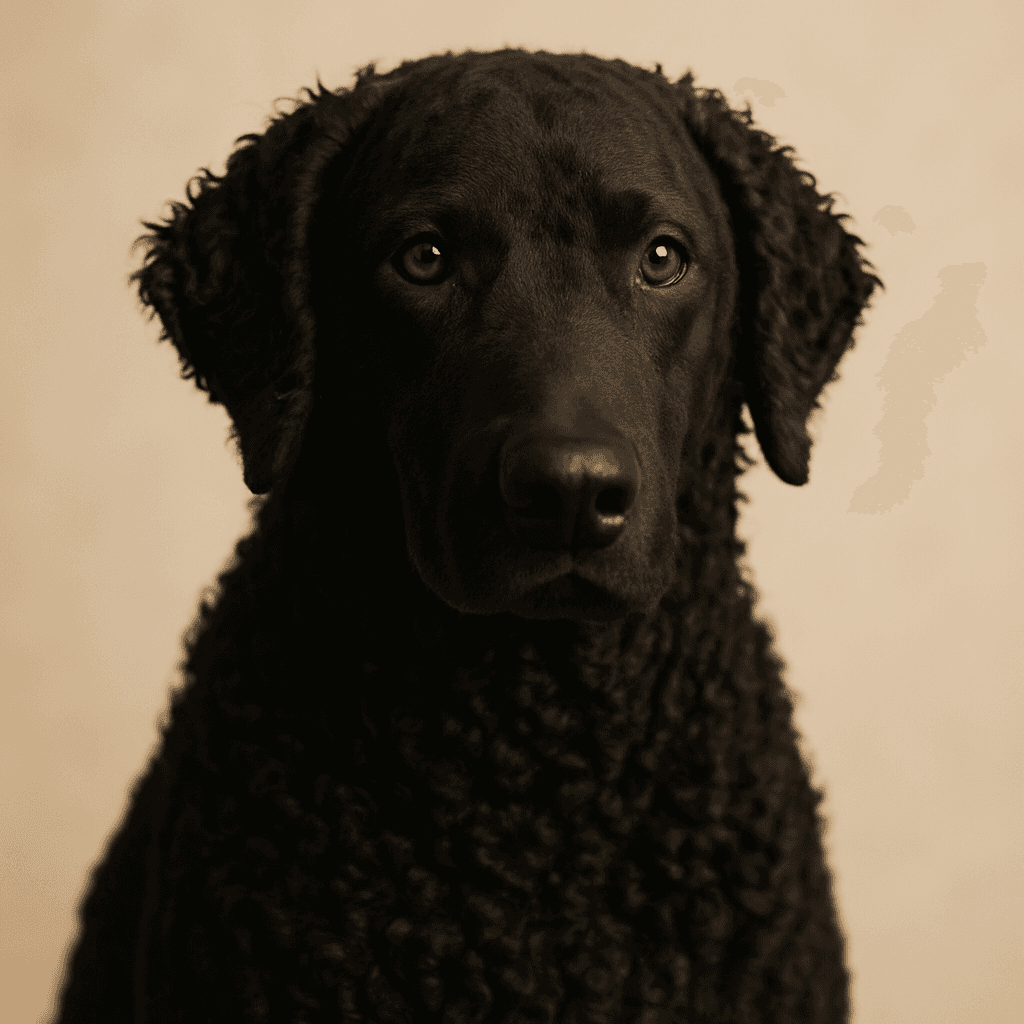
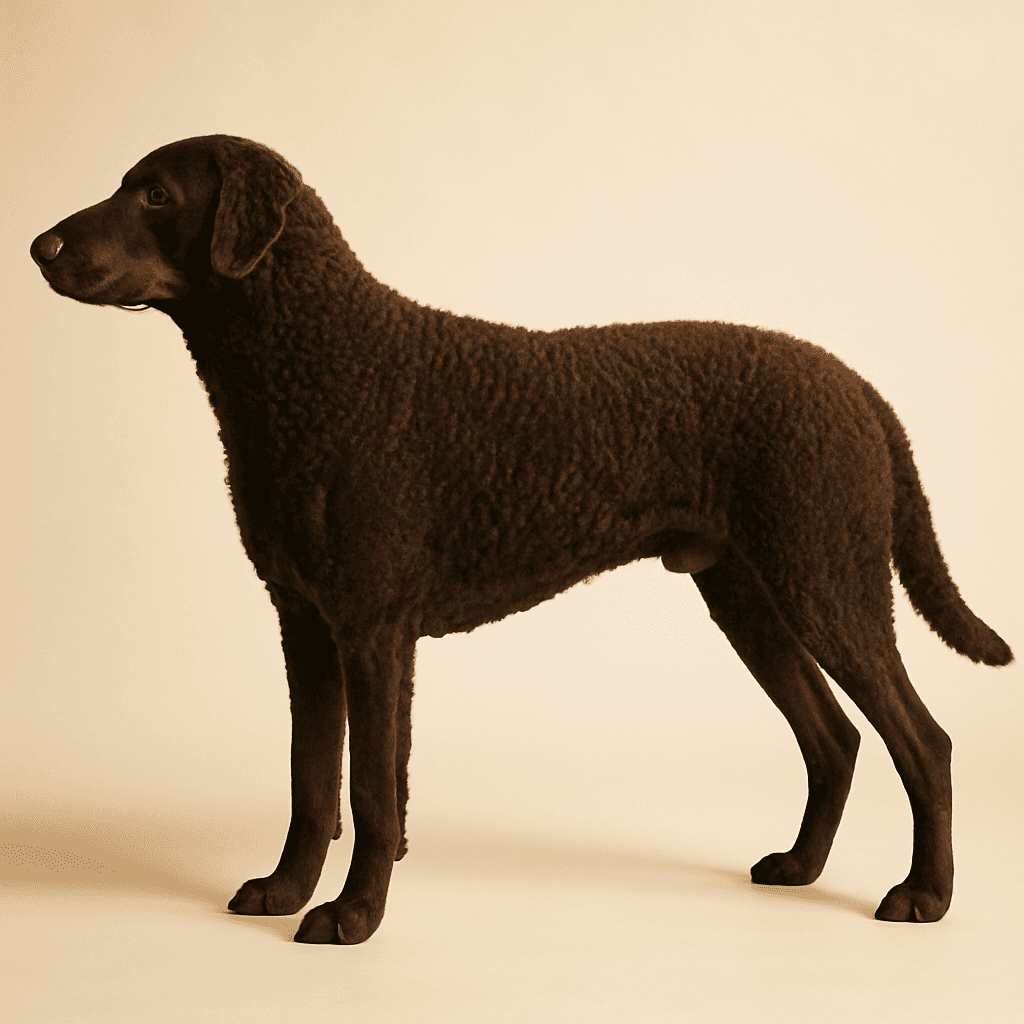
The Curly Coated Retriever is one of the oldest and most distinctive of all the retriever breeds, a large, athletic and confidently independent British gundog with an immediately recognisable coat of tight, crisp curls covering the entire body except the face and front of the legs, providing outstanding waterproofing and weather resistance for sustained work across challenging terrain and in cold water. The breed's exact origins are uncertain but it is generally considered the oldest of the established retriever breeds, likely developed from crosses between the Old English Water Spaniel, the St John's Water Dog of Newfoundland, and possibly the Poodle, which shares the curled, water-resistant coat characteristic. The Curly Coated Retriever was first shown at a British dog show in 1860 and was one of the earliest retriever breeds to be standardised and exhibited. It is registered by the Kennel Club in the Gundog Group. The Curly Coated Retriever is a large, graceful and strongly built dog of impressive athletic appearance. The coat of tight, crisp curls is the breed's most immediately striking feature and is quite unlike the coats of all other retriever breeds. The colour is black or liver. The head is long and well-proportioned, the expression intelligent and confident. Adults typically stand 58 to 69 centimetres at the shoulder and weigh 23 to 36 kilograms. The character differs meaningfully from the more familiar Labrador or Golden Retriever and this distinction is important for prospective owners to understand. The Curly Coated Retriever is confident, independent and self-reliant - a working dog that was developed for sustained fieldwork requiring considerable autonomous decision-making in challenging conditions. It is deeply loyal and affectionate with its own family but is not the instantly sociable, eager-to-please personality of the Golden Retriever. It can be reserved with strangers and is slower to mature than many retriever breeds. Training rewards consistency and patience. The Curly Coated Retriever is highly capable and achieves excellent results in field work, obedience and agility when trained with appropriate methods. It does not respond to force or repetition but engages enthusiastically when training is positive, varied and intellectually stimulating. The coat requires less maintenance than the appearance suggests. The curls should not be brushed - doing so creates a frizzy rather than curled effect. The coat is self-maintaining and best left to dry naturally. Health considerations include Hip and Elbow Dysplasia testing. Progressive Retinal Atrophy and Exercise-Induced Collapse (EIC) DNA testing of parents are recommended. Bloat is a risk. Purchase prices from KC-registered, health-tested breeders range from £800 to £1,800. Monthly running costs average £90 to £160. The Curly Coated Retriever Club is the primary resource for breed information, health testing, responsible breeders and rescue contact.
Quick facts
Meet Our Retriever (Curly Coated)s
Register your dog on My Dog and it will appear here automatically.
Retriever (Curly Coated) Photos
No photos yet. Be the first to share yours.
Add a photoActivity Feed
How much exercise does your Curly Coated Retriever really need each day?
At least 90 minutes of proper vigorous exercise, and on days when he gets less I notice it immediately. The Curly was developed for sustained retrieving work across difficult terrain and water, and that working endurance is very much still there. Swimming is one of the best things you can do for them. Mine would swim for as long as I'd let him. Agility and field work are also excellent because they engage both the physical and the mental side. What I've learned is that the Curly isn't just looking to be tired out; it needs to actually use its brain. A big run followed by a short training session is more satisfying for the dog than two hours of aimless walking. They have real stamina and real drive, and both need an outlet.
30 June 2026
Any health issues to watch for with Curly Coated Retrievers?
The main ones are hip and elbow dysplasia, Progressive Retinal Atrophy, and Exercise-Induced Collapse. EIC is worth understanding before you get one. It affects some retriever lines and can cause a dog to suddenly lose limb coordination or collapse after intense exercise. DNA testing of the parents picks this up, so it's a simple conversation to have with any breeder. Bloat is also worth knowing about for any large deep-chested breed. I always feed two meals rather than one big meal and avoid vigorous exercise in the hour after eating. The Curly Coated Retriever Club keeps health testing guidance updated, so that's a good reference point when you're asking breeders questions. A breeder who has done the full suite of tests and can show you results is the one to go with.
30 June 2026
What do you wish you'd known before getting a Curly Coated Retriever?
That the Curly matures slowly and you need to plan for that. This isn't a dog that snaps into reliable obedience young. Mine was highly capable when he put his mind to it, but putting his mind to it consistently took patient, positive work over a longer period than I expected. He's also more self-reliant and less obviously eager to please than a Labrador or Golden. He's loyal and deeply devoted to us, but he thinks independently, which means training sessions require genuine engagement from me rather than just running through commands. The upside is that when the training lands, you have a truly capable, dependable dog. He's also reserved with strangers, which catches people off guard because they assume all retrievers are immediately sociable with everyone. He's simply not, and that's fine.
30 June 2026
What do you feed your Curly Coated Retriever, and why?
A high-quality complete dry food for large active breeds, fed across two meals per day. The two-meal approach is partly practical bloat management for a large deep-chested dog. The Curly is naturally lean and athletic, and I try to feed to match actual activity level rather than always hitting the upper end of the daily allowance. On lower-exercise days I reduce slightly. He should look fit and muscular, not padded. I've found weight monitoring matters more with an active breed than people sometimes think, because the high activity level can mask creeping weight gain if you're not paying attention. I haven't found any need for elaborate supplementation. A quality complete food does the job when you're feeding appropriately for the dog's size and energy output.
30 June 2026
Retriever (Curly Coated) of the Month
🏆 September 2026 -- Be the first nominee
Could be your dog.
The first dog registered in this community earns the first Dog of the Month nomination automatically.
Register your dogUpcoming Retriever (Curly Coated) Meetups
No meetups planned yet. Be the first to organise one.
Sign in to organise a meetupCommunity Members
Be the first to join and become the Retriever (Curly Coated) Founding Member.
Join Club