Be the first to join. Keep the badge forever.
The first members of this community earn permanent Founding Member status. It shows on your profile and your dog's profile for as long as you're here.
- ✓Founding Member badge on your profile
- ✓Your dog featured first
- ✓First Dog of the Month nomination
- ✓Always free
⭐ Founding Member spots open
First to join gets the badge
🐕 Be the first dog registered
Add your Lab to the community
📷 Add the first photo
Start the photo wall
8
Discussions
0 members
8 discussions
About the Rhodesian Ridgeback
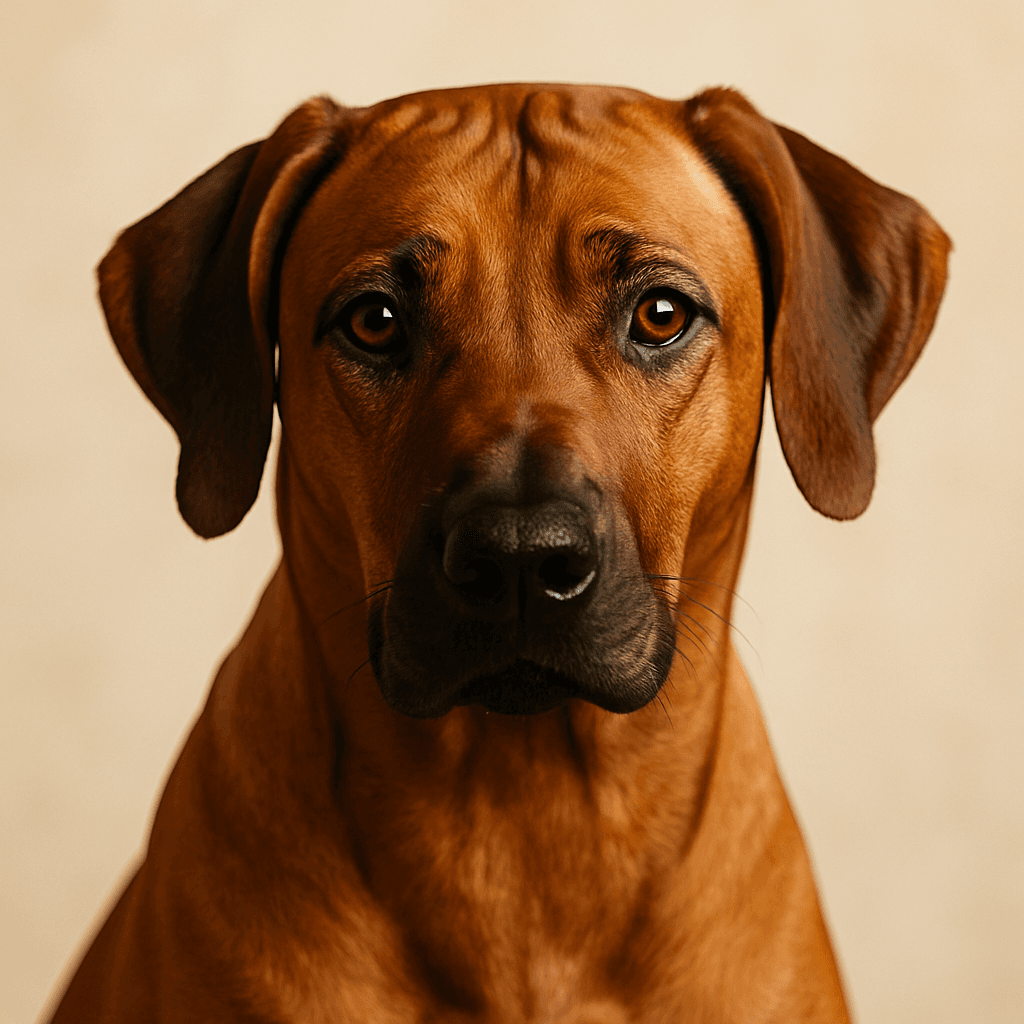
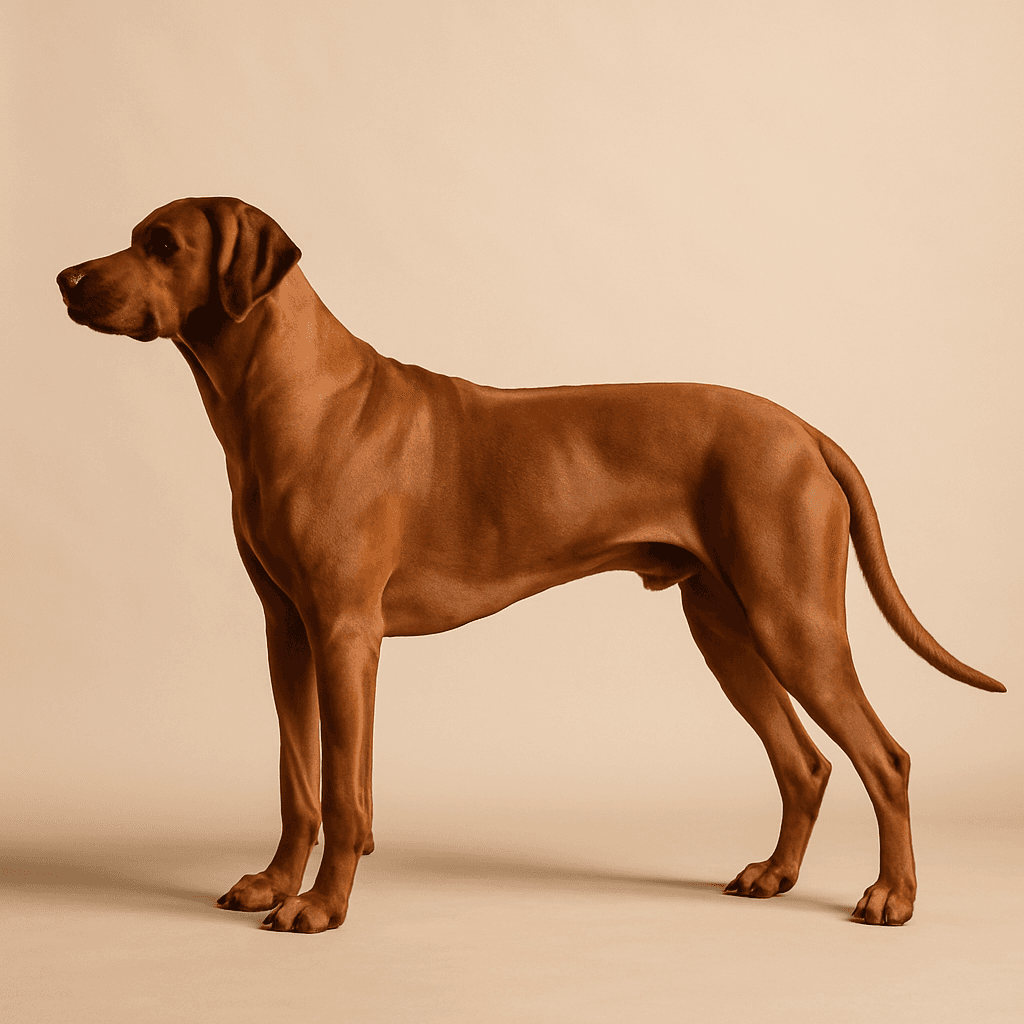
The Rhodesian Ridgeback is one of Africa's most distinctive and capable hunting and working breeds, a powerful, athletic and versatile South African dog developed in the late nineteenth and early twentieth centuries by European settlers in Rhodesia (now Zimbabwe) from crosses involving the semi-domesticated hunting dogs of the indigenous Khoikhoi people - who carried the distinctive reversed spinal ridge that is the hallmark of the breed - with various European dogs brought by settlers, including Great Danes, Mastiffs, Greyhounds, Bloodhounds and Terriers. The result was a multipurpose farm and hunting dog capable of tracking and harassing large game including lions - earning the breed the popular name the Lion Dog - guarding homesteads in a demanding environment, and adapting to the extreme heat and demanding conditions of the African bush. The Rhodesian Ridgeback is registered by the Kennel Club in the Hound Group. The Rhodesian Ridgeback is a large, muscular and symmetrically built dog of striking physical presence. The coat is short, dense and glossy in wheaten shades ranging from light wheaten to red wheaten, with or without a small white mark on the chest or toes. The defining feature of the breed is the ridge of hair along the spine that grows in the opposite direction to the rest of the coat, forming a clear, symmetrical pattern with two crowns at the shoulders. This ridge is unique to the breed and is the source of both the name and the breed's historical associations with the Khoikhoi. Adults typically stand 61 to 69 centimetres at the shoulder and weigh 29 to 41 kilograms. The character is loyal, dignified and deeply devoted to its own family, combining a powerful physical presence with genuine affection for those it trusts. The Rhodesian Ridgeback is not the instantly sociable, easy-going companion of some other large breeds - it is reserved rather than open with strangers, confident in its own assessment of situations, and possessed of the independence that was essential in a dog required to work in challenging conditions at considerable distance from human direction. This independence, combined with the breed's considerable size and strength, makes experienced, consistent handling from an early age not a preference but a necessity. The prey drive is strong and cohabitation with small animals requires management. Recall requires thorough, early training. The breed has remarkable stamina and requires genuine daily exercise. Health considerations include Hip and Elbow Dysplasia testing and Dermoid Sinus testing of breeding stock. Bloat is a risk given the deep chest. Purchase prices from KC-registered, health-tested breeders range from £1,000 to £2,500. Monthly running costs average £100 to £180. The Rhodesian Ridgeback Club of Great Britain is the primary resource for breed information, health testing requirements, responsible breeders and rescue contact.
Quick facts
Meet Our Rhodesian Ridgebacks
Register your dog on My Dog and it will appear here automatically.
Rhodesian Ridgeback Photos
No photos yet. Be the first to share yours.
Add a photoActivity Feed
How much exercise does your Rhodesian Ridgeback really need each day?
At least 90 minutes of vigorous activity every single day, and the operative word is vigorous. A slow walk doesn't cut it for a Ridgeback. These dogs were developed for sustained hunting work across difficult terrain in extreme heat, and that athletic capability is entirely intact. Mine is happiest when we're doing something purposeful: running, trail hiking, cycling alongside, anything that actually uses the stamina. Off-lead time in a securely fenced area is important because of the prey drive. I never let her off lead in open spaces without a very reliable recall first because if she spots something worth chasing she will go. The breed is genuinely suited to active owners who run, cycle or hike regularly. If your life is largely sedentary, this probably isn't the right dog.
30 June 2026
Any health issues to watch for with Rhodesian Ridgebacks?
The ones I'd flag as essential to know before buying are hip dysplasia, elbow dysplasia, and Dermoid Sinus. Dermoid Sinus is a hereditary neural tube defect that's specific to the breed and can range from a manageable minor issue to something more serious requiring surgery. Testing of breeding stock is recommended and any responsible breeder should be addressing it. Hip and elbow scores on both parents are non-negotiable for a large, athletic breed with this level of physical demand. Hypothyroidism occurs in some lines and is worth knowing about because the signs, weight gain, lethargy and coat changes, can be gradual. Bloat is a risk for any large deep-chested breed and I've made two meals daily a fixed habit. The Rhodesian Ridgeback Club of Great Britain maintains detailed health testing requirements.
30 June 2026
What's the one thing you wish you'd known before getting a Rhodesian Ridgeback?
How much the recall training matters from day one. The prey drive in this breed is genuine and strong. You don't notice it immediately when they're small puppies, but as they grow and gain speed and confidence the instinct becomes more apparent. By the time mine was six months old it was very clear that off-lead freedom was something to be earned through thorough, consistent recall work rather than assumed. I wish I'd understood from week one how high the stakes were on that particular skill. The breed is loyal and deeply devoted to its own family, which is wonderful, but that loyalty doesn't automatically translate to a reliable recall when there's a squirrel involved. Start recall training immediately, keep it positive, and take it more seriously than you think you need to.
30 June 2026
What do you feed your Rhodesian Ridgeback, and why?
A high-quality large breed complete food, fed in two meals per day. The two-meal split is partly about bloat management, which I take seriously in a deep-chested dog of this size. The Ridgeback should be lean and muscular, not padded out. I've found it easy to overfeed a very active dog because you assume the exercise is burning everything off, but body condition monitoring matters. I can feel her ribs without pressing hard but they're not visually prominent, which is where I want her. Large breed puppy food during growth is something I'd emphasise too. The growth phase in large breeds is a critical window and getting the calcium-phosphorus balance right matters for bone development. I fed a large breed specific puppy formula until she was around 18 months and then transitioned to adult.
30 June 2026
Rhodesian Ridgeback of the Month
🏆 September 2026 -- Be the first nominee
Could be your dog.
The first dog registered in this community earns the first Dog of the Month nomination automatically.
Register your dogUpcoming Rhodesian Ridgeback Meetups
No meetups planned yet. Be the first to organise one.
Sign in to organise a meetupCommunity Members
Be the first to join and become the Rhodesian Ridgeback Founding Member.
Join Club