

Be the first to join. Keep the badge forever.
The first members of this community earn permanent Founding Member status. It shows on your profile and your dog's profile for as long as you're here.
- ✓Founding Member badge on your profile
- ✓Your dog featured first
- ✓First Dog of the Month nomination
- ✓Always free
⭐ Founding Member spots open
First to join gets the badge
🐕 Be the first dog registered
Add your Lab to the community
📷 Add the first photo
Start the photo wall
8
Discussions
0 members
8 discussions
About the Russian Tsvetnaya Bolonka
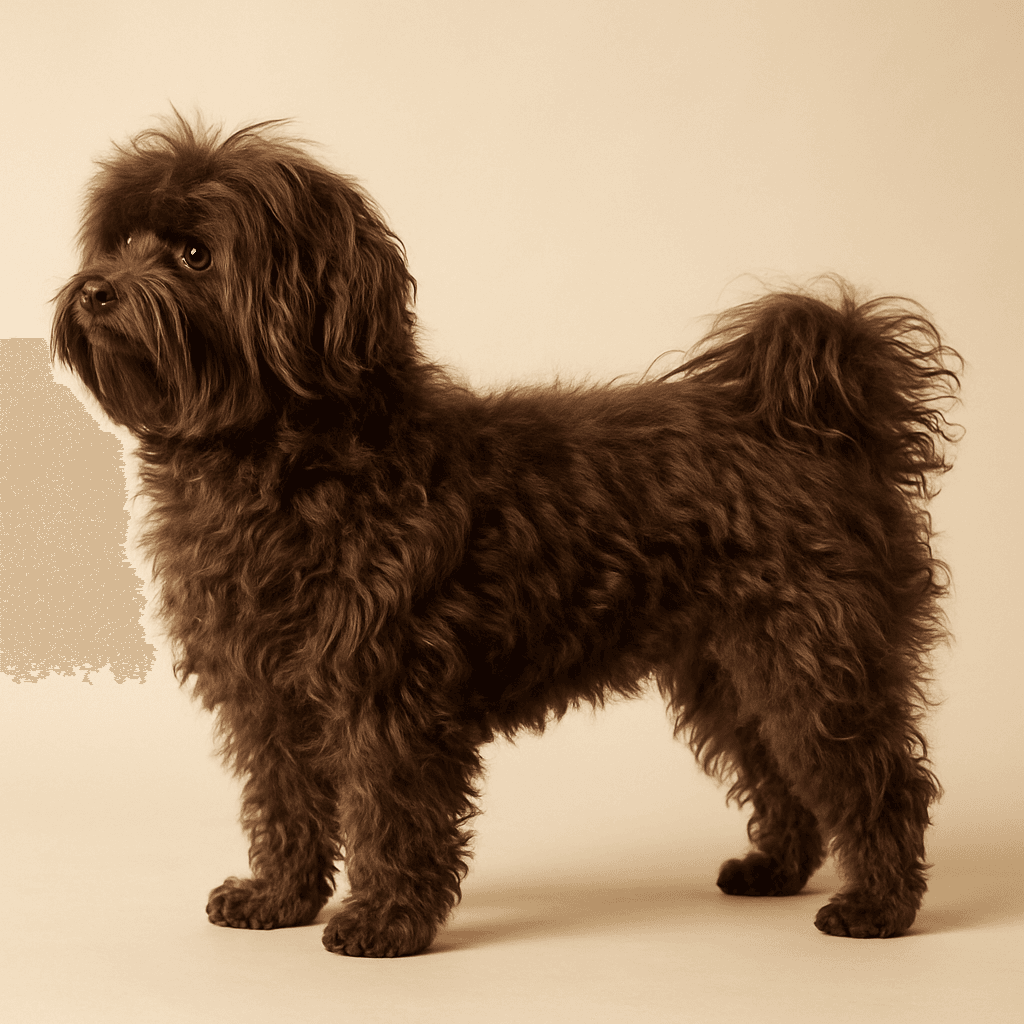
The Russian Tsvetnaya Bolonka (literally the Russian Coloured Lapdog) is one of the rarest toy breeds encountered in the United Kingdom, a small, soft-coated and sociable Russian companion breed with a history rooted in the Soviet era, developed primarily in Leningrad (now Saint Petersburg) from the late 1940s onwards as a compact apartment companion suited to the urban living conditions of Soviet city life. The breed was developed from various small companion dogs - including French lapdogs, Maltese-type dogs and other small breeds - that had existed in Russia before the Revolution and were preserved and crossed by enthusiastic Leningrad breeders to produce a standardised, coloured companion dog in a range of non-white colours. The name Tsvetnaya refers to the coloured coat that distinguishes the breed from the white-coated Bolonka Franzuzkaya (the Russian version of the French lapdog). The breed is recognised by the FCI and registered by the Kennel Club in the Toy Group. The Russian Tsvetnaya Bolonka is a small, compact and well-proportioned dog with a soft, curly or wavy coat in any colour except white - black, brown, red, sable, grey and combinations are all seen. The coat frames the face and gives it a soft, appealing expression. The overall impression is of a small, friendly and somewhat fluffy companion. Adults typically stand 18 to 25 centimetres at the shoulder and weigh 3 to 4 kilograms. The character is sociable, gentle, affectionate and adaptable - a companion breed with an open and friendly quality that is somewhat less reserved than many toy breeds of comparable size. The Russian Tsvetnaya Bolonka is good with children, generally sociable with other dogs, and adaptable to a wide range of living situations including apartment life. It is active and playful without being demanding or high-maintenance in energy terms. The breed is genuinely rare in the United Kingdom and finding a puppy from a reputable breeder requires research, patience and potentially a waiting list. Importing from Russian or continental European breeders may be required. The low-shedding coat is an additional attraction for those in smaller living spaces or households with mild sensitivity to dog hair, though no dog breed is truly hypoallergenic. The breed is generally considered healthy. Patellar Luxation and dental health are the primary management concerns. Purchase prices from registered breeders range from £1,000 to £2,500. Monthly running costs average £55 to £95. Russian and continental European breed clubs are the primary resources for breed information, responsible breeders and health testing guidance.
Quick facts
Meet Our Russian Tsvetnaya Bolonkas
Register your dog on My Dog and it will appear here automatically.
Russian Tsvetnaya Bolonka Photos
No photos yet. Be the first to share yours.
Add a photoActivity Feed
How much exercise does your Russian Tsvetnaya Bolonka really need each day?
Twenty to forty minutes daily suits mine very well, which makes the Bolonka a genuinely practical choice for a range of living situations. She's more active and engaged than some toy breeds. She actually wants to be doing things, which I appreciate. But the physical requirement is genuinely modest. Short walks, play sessions, and some training activity cover everything she needs. What I'd say is that mental stimulation matters as much as the physical side for this breed. She's switched on and curious and enjoys having things to think about. Training games and interactive play satisfy that nicely. She adapts well to quieter days without becoming frustrated, which is one of the things I value most. The adaptability is genuine. She's content in our flat, happy on long country walks, and settles wherever we are.
30 June 2026
Any health issues to watch for with Russian Tsvetnaya Bolonkas?
The Bolonka is generally considered a healthy breed, which is one of the genuinely good things about it. The relatively diverse genetic base from its development has contributed to fewer hereditary conditions than many long-established breeds carry. Patellar luxation is the main concern for any small breed and assessment of the parents is recommended before buying. Dental health is a management issue in small breeds where the teeth can be crowded. I brush mine's teeth regularly and make sure dental condition is checked at every vet visit. The honest caveat is that the UK population is very small, so there isn't a comprehensive formal health programme in the way there is for more established breeds. Because of this it's especially important to buy from a reputable, careful breeder who is transparent about health considerations. Do your research on the breed club before committing.
30 June 2026
What do you wish you'd known before getting a Russian Tsvetnaya Bolonka?
How genuinely sociable and open this breed is, and what a difference that makes to daily life. I'd had experience with other small breeds that were more selective and reserved. The Bolonka is genuinely warm and friendly with people she doesn't know, with other dogs, with children. It's a defining characteristic and it makes her a remarkably easy dog to take out into the world. I didn't fully appreciate how much I'd value that quality until I experienced it. She's devoted to our household but that warmth extends outward in a way I find very appealing. The adaptability is also real. She settles wherever we are without becoming anxious in new environments. For a small breed companion, those traits make an enormous practical difference to what you can do with the dog and where you can take it.
30 June 2026
What do you feed your Russian Tsvetnaya Bolonka, and why?
A high-quality complete food formulated for small breeds, split across two small meals per day. Small breed formulations handle the calorie density and kibble size appropriately for a tiny dog. Dental health is the main nutritional management consideration I think about beyond basic nutrition. Small breeds with crowded dentition need consistent dental care and I picked a food that supports dental condition alongside regular brushing. Two meals rather than one is my preference for any small dog because it avoids long gaps between eating and the blood sugar management issues that can occur in very small breeds. I weigh portions rather than estimating. It's easy to overfeed when the daily allowance is small and small dogs can gain weight on very little extra. Weight monitoring is straightforward given the size: any creeping gain is visible fairly quickly.
30 June 2026
Russian Tsvetnaya Bolonka of the Month
🏆 September 2026 -- Be the first nominee
Could be your dog.
The first dog registered in this community earns the first Dog of the Month nomination automatically.
Register your dogUpcoming Russian Tsvetnaya Bolonka Meetups
No meetups planned yet. Be the first to organise one.
Sign in to organise a meetupCommunity Members
Be the first to join and become the Russian Tsvetnaya Bolonka Founding Member.
Join Club