

Be the first to join. Keep the badge forever.
The first members of this community earn permanent Founding Member status. It shows on your profile and your dog's profile for as long as you're here.
- ✓Founding Member badge on your profile
- ✓Your dog featured first
- ✓First Dog of the Month nomination
- ✓Always free
⭐ Founding Member spots open
First to join gets the badge
🐕 Be the first dog registered
Add your Lab to the community
📷 Add the first photo
Start the photo wall
8
Discussions
0 members
8 discussions
About the Samoyed
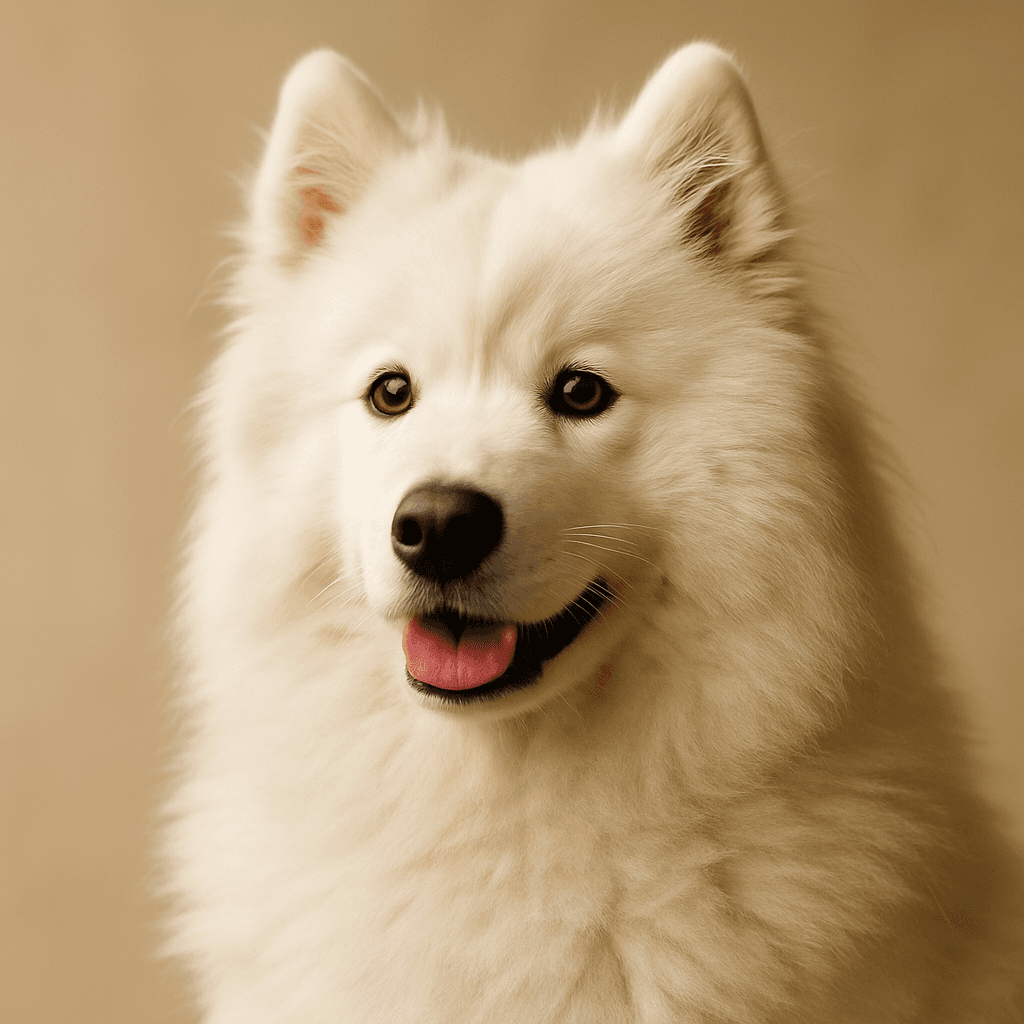
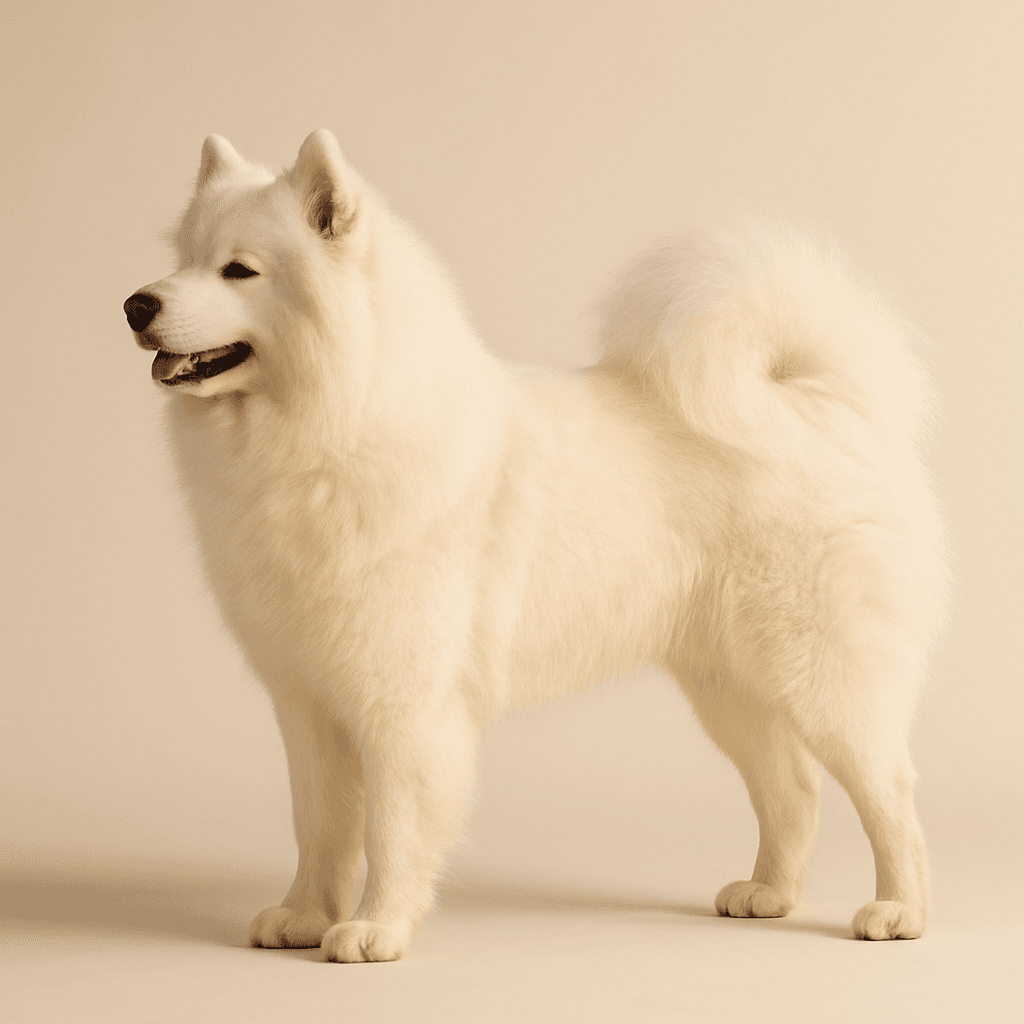
The Samoyed is one of the most immediately striking and universally appealing of all dog breeds, a large, powerfully built and breathtakingly white spitz breed from Siberia, developed over many centuries by the Samoyedic-speaking nomadic peoples of north-western Siberia - from whom the breed takes its name - as a multipurpose working dog used for pulling sleds across the frozen tundra, herding reindeer and providing warmth to the humans who slept alongside them during the extreme Siberian winters. The breed's working partnership with the Samoyedic peoples was intimate and demanding, and this history of close human companionship fundamentally shapes the modern Samoyed's sociable, people-oriented character. The Samoyed was brought to Europe in the late nineteenth century and became established as both a working sled dog and a highly popular show and companion breed. It is registered by the Kennel Club in the Pastoral Group. The Samoyed is a large, well-built and profusely coated dog of considerable physical beauty. The coat is a pure double coat - a soft, dense, woolly undercoat and a longer, straight, harsh outer coat that stands away from the body and glistens white or cream. The lips curve upward at the corners, producing the characteristic Samoyed smile that is one of the most recognised expressions in the dog world and that reflects a genuine warmth and sociability in the breed's character. The ears are erect and the tail is carried curled over the back. Adults typically stand 46 to 60 centimetres at the shoulder and weigh 17 to 30 kilograms. The character is genuinely and consistently friendly - sociable with children, other dogs, strangers and virtually everyone it meets. The Samoyed is not a guard dog and should not be expected to fulfil that role. It is vocal, communicative and expressive, and owners should understand that the breed talks - barks, howls and various vocalisations are part of normal Samoyed communication and can be a source of friction in noise-sensitive environments. The breed is devoted to its family and does not do well when left alone for extended periods. The coat is the primary practical commitment of Samoyed ownership. It sheds substantially throughout the year and dramatically during the two biannual coat blows. Regular brushing is essential to prevent matting and to manage the volume of shed hair. The coat is, however, self-cleaning to a degree and maintains a relatively clean appearance between baths. Health considerations include Hip Dysplasia testing, Samoyed Hereditary Glomerulopathy DNA testing, and awareness of the breed's higher incidence of diabetes mellitus. Purchase prices from KC-registered, health-tested breeders range from £1,000 to £2,500. Monthly running costs average £100 to £170. The Samoyed Club of Great Britain is the primary resource for breed information, health testing, responsible breeders and rescue contact.
Quick facts
Meet Our Samoyeds
Register your dog on My Dog and it will appear here automatically.
Samoyed Photos
No photos yet. Be the first to share yours.
Add a photoActivity Feed
How much exercise does your Samoyed really need each day?
A proper 90 minutes minimum, and I mean vigorous, not a gentle amble around the block. Samoyeds come from working sled dog stock and they have genuine stamina and drive. Mine is happiest when she's had a long off-lead run in the morning and some kind of mental activity in the afternoon. I do nosework training a couple of times a week, which she finds genuinely tiring in a way that pure physical exercise doesn't always achieve. When she's under-exercised, two things happen fast: she starts redecorating the garden, and the vocal commentary becomes relentless. The Samoyed "talking" is endearing when they're content; it becomes a lot less endearing at 6am when they're bored. Exercise is honestly the single biggest commitment of owning this breed. Budget your time accordingly before you fall for the smile.
30 June 2026
Any health issues to watch for with Samoyeds?
There are a few specific things worth knowing before you commit. Hip Dysplasia is a concern, so both parents should be tested, don't skip this one. Samoyed Hereditary Glomerulopathy is a kidney condition documented in the breed and DNA testing is available, so ask breeders about it directly. Progressive Retinal Atrophy is another one to be aware of on the eye health side. The one that surprised me most when I researched the breed was diabetes mellitus, Samoyeds have a noticeably higher incidence than most breeds, so it's worth understanding the signs. I keep regular vet check-ups with full bloodwork, particularly as my girl gets older. The Samoyed Club of Great Britain has solid health testing guidance on their website and is a genuinely useful starting point for anyone researching the breed.
30 June 2026
What's the one thing you wish you'd known before getting a Samoyed?
The coat. I knew it would need grooming, I just didn't understand the sheer relentless scale of it. But beyond the practical grooming load, I wish I'd really understood how social and vocal these dogs are. Samoyeds want to be with people, other dogs, anyone really, they are not a breed that's happy being left for long stretches. Mine communicates constantly, which is part of her enormous charm, but it takes a particular kind of owner to find a persistently chatty dog endearing rather than exhausting. She has never met a stranger she didn't want to befriend. If you're after a watchdog, look elsewhere. If you want a dog that will consistently brighten every room and greet every visitor like a long-lost friend, the Samoyed delivers that in abundance. Just block out the time to actually be with them.
30 June 2026
What do you feed your Samoyed, and why?
A high-quality complete kibble formulated for large, active breeds. Two meals a day, morning and evening. The most important practical lesson I've learned is that the coat absolutely hides weight gain, you need to be running your hands over the dog regularly to actually feel condition, because you genuinely cannot see it under all that white fluff. I do a hands-on check weekly and adjust portions if needed. She has a good appetite and would happily eat more than she should, so I follow the feeding guidelines closely rather than just filling the bowl on demand. I don't use supplements beyond what's in the complete food. Keeping weight well managed feels important, particularly given the breed's predisposition to diabetes and joint issues. A lean, active Samoyed is a healthy Samoyed.
30 June 2026
Samoyed of the Month
🏆 September 2026 -- Be the first nominee
Could be your dog.
The first dog registered in this community earns the first Dog of the Month nomination automatically.
Register your dogUpcoming Samoyed Meetups
No meetups planned yet. Be the first to organise one.
Sign in to organise a meetupCommunity Members
Be the first to join and become the Samoyed Founding Member.
Join Club