

Be the first to join. Keep the badge forever.
The first members of this community earn permanent Founding Member status. It shows on your profile and your dog's profile for as long as you're here.
- ✓Founding Member badge on your profile
- ✓Your dog featured first
- ✓First Dog of the Month nomination
- ✓Always free
⭐ Founding Member spots open
First to join gets the badge
🐕 Be the first dog registered
Add your Lab to the community
📷 Add the first photo
Start the photo wall
8
Discussions
0 members
8 discussions
About the Schapendoes
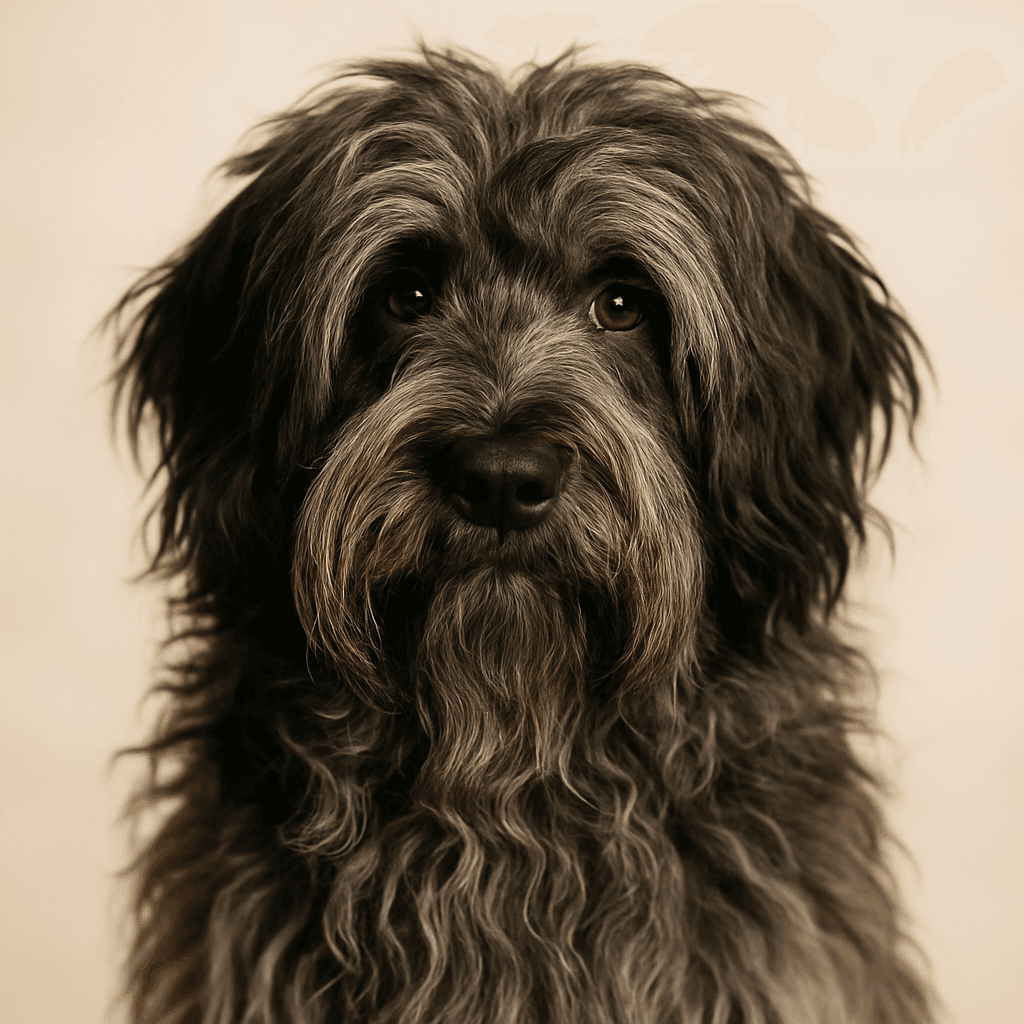
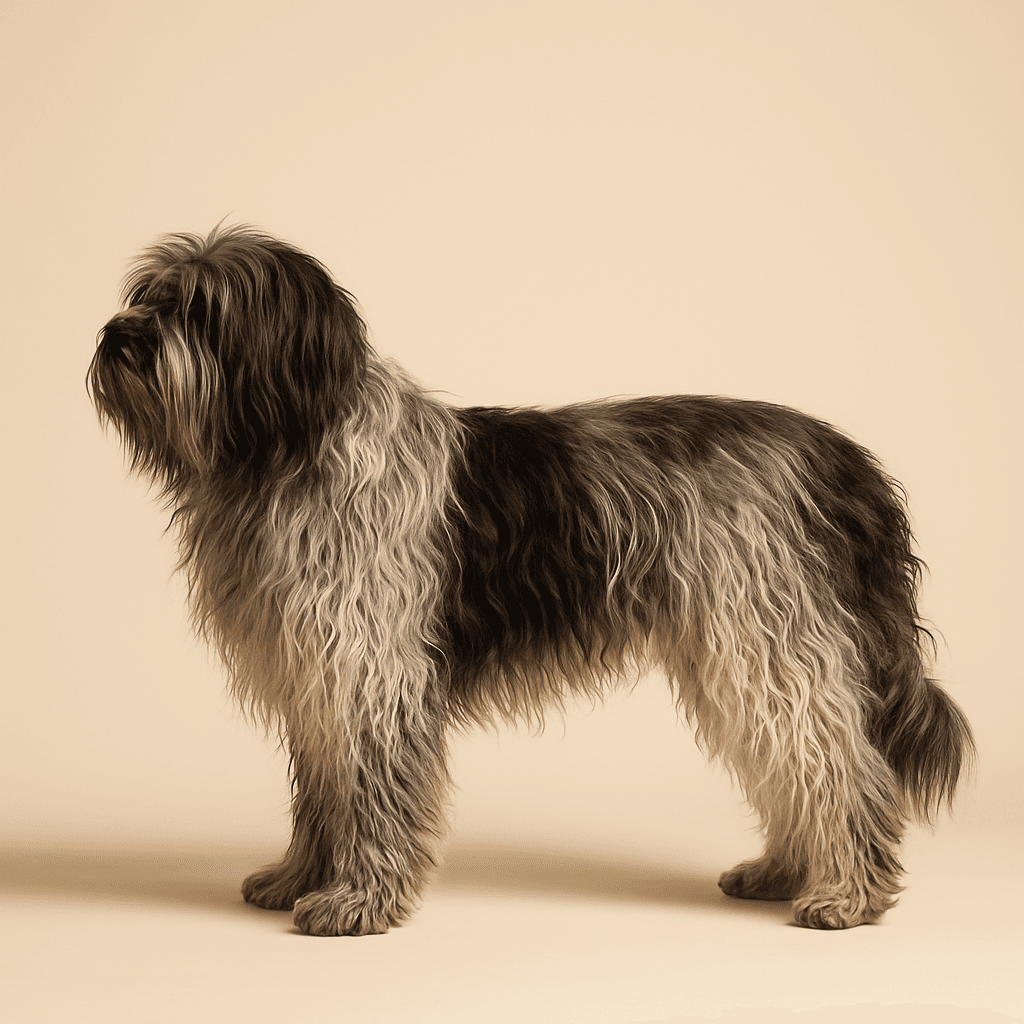
The Schapendoes (Dutch Sheepdog) is a lively, agile and shaggy-coated Dutch herding breed developed over many centuries across the heathlands and agricultural areas of the Netherlands to herd flocks of sheep, working with great energy and independence across the flat, open Dutch landscape. The breed declined sharply in numbers during the Second World War and was reconstructed by dedicated Dutch breed enthusiasts in the post-war period from remaining examples of the type, with formal breed recognition by the Dutch Kennel Club following in 1952 and FCI recognition in 1954. The Schapendoes is registered by the Kennel Club in the Pastoral Group and remains relatively uncommon in the United Kingdom, though it has a small and dedicated following. The Schapendoes is a medium-sized, lean and athletic dog of considerable agility and lightness of movement. The coat is long, fine and slightly wavy, forming a natural parting along the back, with a distinctive beard and moustache that give the face a friendly and slightly comical expression. The overall impression is of a lively, rough-coated herding dog of good proportions and evident working capability. Adults typically stand 43 to 50 centimetres at the shoulder and weigh 12 to 20 kilograms. The character is lively, friendly and affectionate - a herding breed that combines working drive and energy with genuine sociability and a pleasant temperament. The Schapendoes is good with children and generally open with strangers, somewhat less reserved than some other herding breeds of similar background. The herding instinct is present and may manifest in the tendency to chase or circle, but it is generally manageable with training and is not typically dominant in the pet dog. Training is a genuine strength. The Schapendoes is intelligent, eager and responsive to positive reinforcement, capable of good performance in agility and obedience competitions, and engages readily with learning activities. It is not as intense or demanding as some working herding breeds but retains enough drive and capability to reward owners who invest in training. Health is generally good. Progressive Retinal Atrophy DNA testing and Hip Dysplasia assessment are recommended. The breed's robust constitution and working background mean it is less prone to hereditary conditions than many more recently developed breeds, which is an additional advantage for owners seeking a healthy and long-lived companion. Purchase prices from KC-registered breeders range from £700 to £1,500. Monthly running costs average £75 to £125. Dutch breed clubs are the primary resource for breed information, health guidance, responsible breeders and import contacts.
Quick facts
Meet Our Schapendoess
Register your dog on My Dog and it will appear here automatically.
Schapendoes Photos
No photos yet. Be the first to share yours.
Add a photoActivity Feed
How much exercise does your Schapendoes really need each day?
At least 60 to 90 minutes of real exercise, and I put the emphasis on real. A slow lead walk doesn't touch it, these are herding dogs with genuine stamina and a brain that needs just as much engagement as the body. Mine thrives when the exercise has some structure or purpose: agility training twice a week, a long off-lead run, or a good hiking session. The mental side is easy to underestimate. If I skimp on mental stimulation even when the physical exercise has been adequate, I notice it in her behaviour by the evening, she gets restless and starts inventing her own entertainment, which isn't always welcome. The breed is well suited to dog sports and I'd genuinely recommend going down that route if you're getting one. It channels everything that makes them brilliant.
30 June 2026
Any health issues to watch for with Schapendoes?
The Schapendoes is generally considered a healthy breed, which is one of the things that appeals about less fashionable working dogs. Progressive Retinal Atrophy has been documented, so DNA testing of parents is recommended and worth asking any breeder about directly. Hip Dysplasia testing is also advisable. Because the breed isn't common in the UK, there isn't a comprehensive domestic health monitoring programme in the way there is for more popular breeds. The Dutch breed clubs are actually the most useful sources of health information given that's where the breed is most established, worth looking there if you're doing your research. I'd also make sure your vet is willing to do some reading about the breed before you commit, as familiarity with rarer breeds varies significantly between practices.
30 June 2026
What's the one thing you wish you'd known before getting a Schapendoes?
I wish I'd understood earlier just how engaged and switched-on this breed needs to be mentally. I got my girl thinking of her primarily as a herding breed that needed physical exercise sorted, and I underestimated how much her brain needed stimulating too. The Schapendoes is a quick learner, enthusiastic and genuinely easy to train, the flip side is that that quick brain needs real input or it creates its own agenda. She's responsive and warm with people, good with other dogs, not remotely difficult temperament-wise. But idle hands, in her case, an under-occupied mind, really do find trouble. I started agility classes six months in and it transformed her. If you're getting a Schapendoes, build a training plan from day one and think of the mental work as non-negotiable, not a bonus.
30 June 2026
What do you feed your Schapendoes, and why?
A high-quality complete dry food pitched at medium active breeds. Two meals a day and I keep a close eye on condition because she burns a lot of energy and I need to make sure she's getting enough to support her activity level without going over. She's naturally lean and athletic, which is exactly right for the breed, I don't try to put weight on her beyond what her frame should carry. Portion sizes have gone up during periods of heavier agility training and come back down in quieter weeks. I haven't found the need for supplements beyond what's in the complete food. Honestly, nutrition for this breed isn't complicated, good quality, appropriate quantity, regular condition checks, and adjust as needed. The training and exercise side is where the real investment of time goes.
30 June 2026
Schapendoes of the Month
🏆 September 2026 -- Be the first nominee
Could be your dog.
The first dog registered in this community earns the first Dog of the Month nomination automatically.
Register your dogUpcoming Schapendoes Meetups
No meetups planned yet. Be the first to organise one.
Sign in to organise a meetupCommunity Members
Be the first to join and become the Schapendoes Founding Member.
Join Club