Be the first to join. Keep the badge forever.
The first members of this community earn permanent Founding Member status. It shows on your profile and your dog's profile for as long as you're here.
- ✓Founding Member badge on your profile
- ✓Your dog featured first
- ✓First Dog of the Month nomination
- ✓Always free
⭐ Founding Member spots open
First to join gets the badge
🐕 Be the first dog registered
Add your Lab to the community
📷 Add the first photo
Start the photo wall
8
Discussions
0 members
8 discussions
About the Schipperke
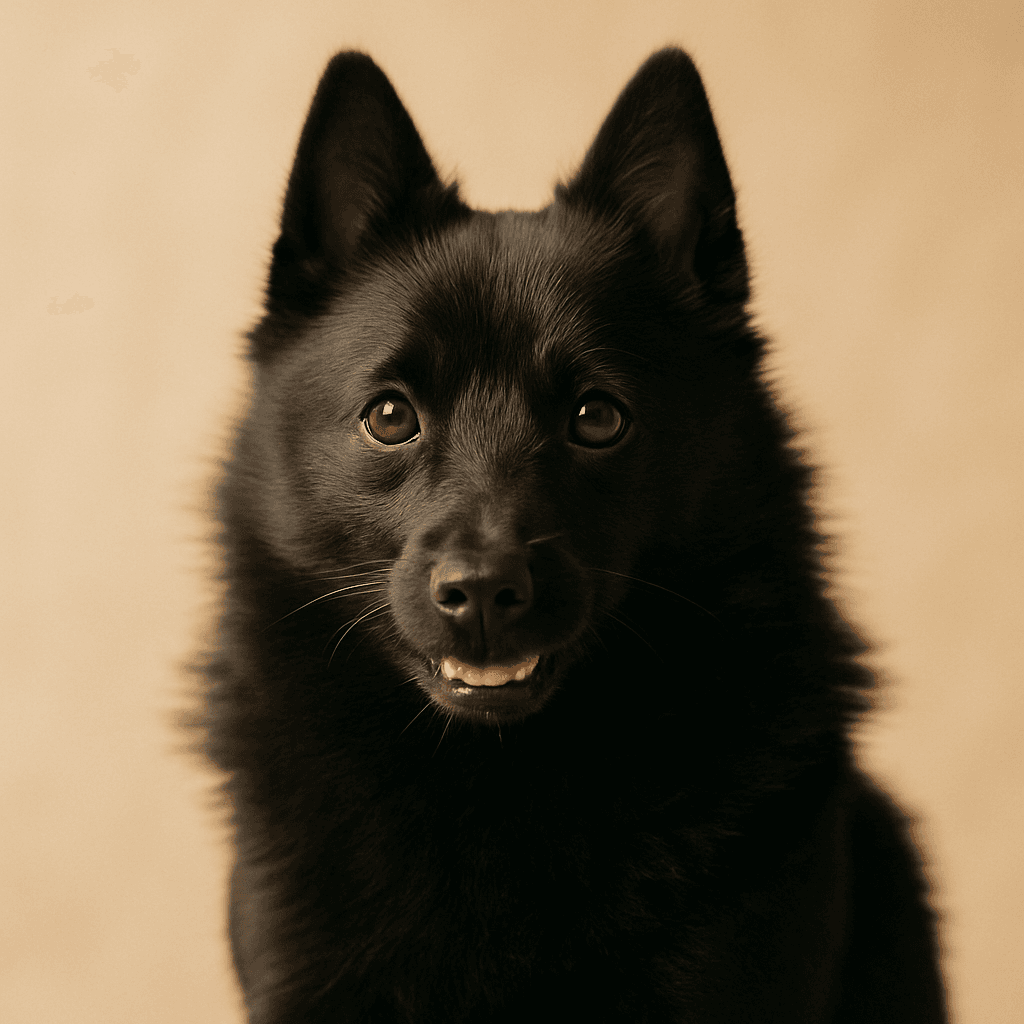
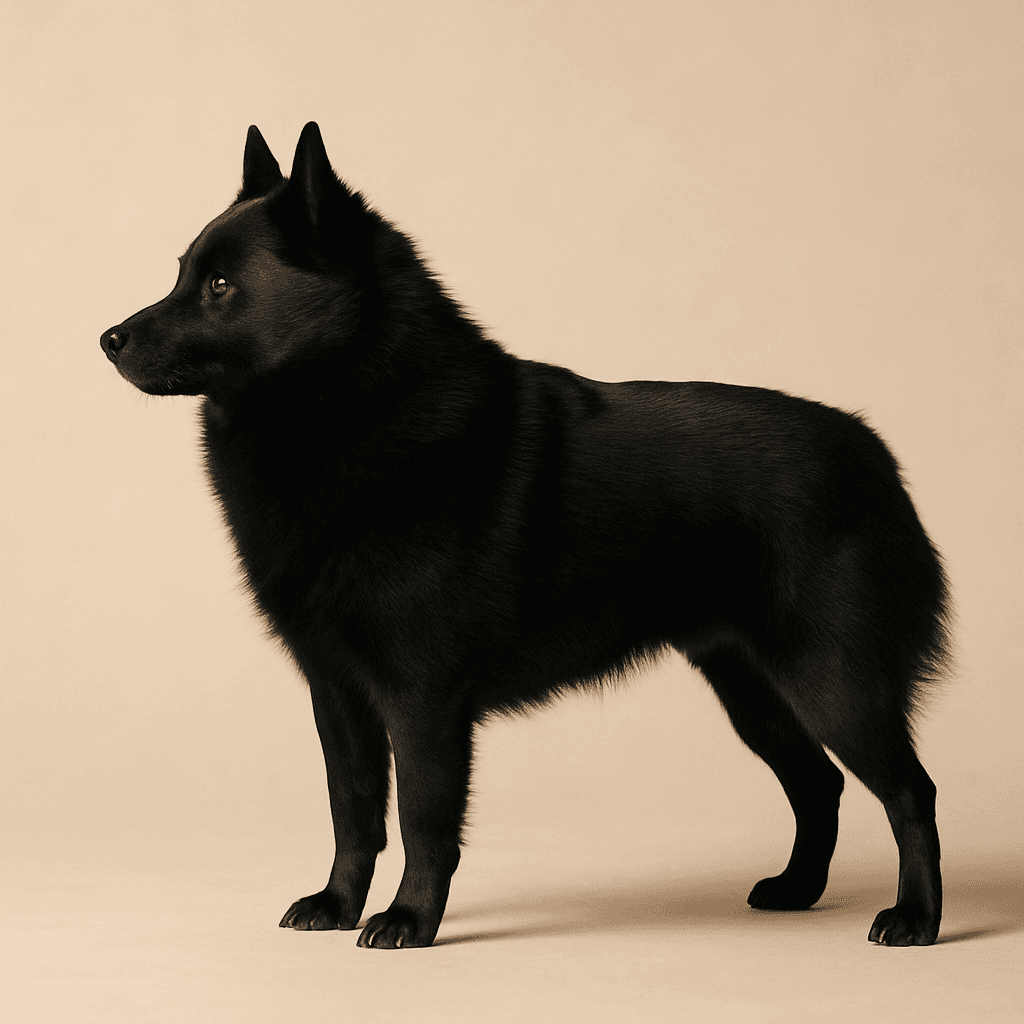
The Schipperke is a small, spirited and intensely characterful Belgian breed with a long history as a working dog on the barges and canal boats of Belgium, where it served as a watchdog and rat catcher on the waterways, keeping the vessels free from vermin and alerting the crew to intruders with the confident boldness of a dog considerably larger than its actual size. The name Schipperke is thought to derive from the Flemish word for little captain, reflecting both the breed's association with barge work and its self-possessed, commanding character. The breed was formally standardised in Belgium in the 1880s and has been registered with the Kennel Club in the Utility Group. The Schipperke is a small, square-built and compact dog with an immediately distinctive appearance - the all-black, dense double coat, the fox-like pointed face with erect, alert ears, the pronounced mane and ruff around the neck and shoulders, and the characteristic rear that sits higher than the front when the breed is tailless in the natural state. The expression is bright, sharp and enquiring. Adults typically stand 22 to 33 centimetres at the shoulder and weigh 3 to 9 kilograms. The character is bold, curious, energetic and loyal - a small dog with real personality and the confident watchfulness of a working barge dog. The Schipperke is alert and wary with strangers, which makes it a surprisingly capable watchdog for its size, while remaining devoted and affectionate with its own household. The prey drive is real - the breed was developed to hunt rats and vermin on barges - and can manifest in the chasing of small animals, cats and other small pets. Training requires consistency and patience. The Schipperke is intelligent and quick but has an independent streak that can manifest in selective compliance if training is not established from an early age with clear, positive and consistent methods. Recall requires thorough training given the prey drive and the breed's natural tendency to investigate. Health considerations include MPS IIIB genetic testing of breeding animals and Progressive Retinal Atrophy DNA testing. Owners should request evidence of both tests from any breeder before purchasing. The breed is generally long-lived for its size, with many individuals reaching twelve to fifteen years when well managed. Purchase prices from KC-registered breeders range from £600 to £1,200. Monthly running costs average £55 to £95. The Schipperke Club of Great Britain is the primary resource for breed information, health testing requirements, responsible breeders and rescue contact.
Quick facts
Meet Our Schipperkes
Register your dog on My Dog and it will appear here automatically.
Schipperke Photos
No photos yet. Be the first to share yours.
Add a photoActivity Feed
What do you feed your Schipperke, and why?
A good quality complete dry food formulated for small, active dogs. Two meals a day, morning and evening. He has a healthy appetite and I watch his weight carefully, small dogs can creep up in condition quite quickly if you're not paying attention, and the breed doesn't need much food relative to its energy output. Treats are part of training so I factor those into the daily calorie total and reduce meal portions accordingly. Dental health is something I take seriously because small breeds are more prone to tartar build-up and dental disease. I use dental chews alongside his main food and he sees the vet for dental checks annually. Nothing complicated about his diet, good quality, right quantity, consistent routine. The energy and maintenance cost of a Schipperke comes from time and training, not the food budget.
30 June 2026
How much exercise does your Schipperke really need each day?
More than most people expect from a small dog, at least 45 to 60 minutes a day, and it needs to be genuine exercise, not just a short loop around the garden. Mine has proper terrier energy in a very compact body. What I've found works well is splitting the time between physical walks and mental stimulation: puzzle feeders, training sessions and nose work all make a real dent in the energy levels. Recall is something I worked very hard on early on because the prey drive is strong and the curiosity even stronger, he will investigate anything that moves. I keep him on lead in areas with wildlife. In a safely enclosed space he can be let off and gets a lot of benefit from free running. Don't let the size fool you into thinking this is a low-effort dog to exercise. It really isn't.
30 June 2026
Any health issues to watch for with Schipperkes?
The most important one for any Schipperke owner to know about is Mucopolysaccharidosis type IIIB, or MPS IIIB, a genetic storage disease that's documented in the breed and can be screened for via DNA test. This should be a non-negotiable ask of any breeder: have both parents been tested? Progressive Retinal Atrophy has also been documented, so eye health testing matters. Legg-Calve-Perthes Disease, which affects the hip joint, has been reported in some individuals. The Schipperke Club of Great Britain is the best starting point for current health testing guidance and can advise on what to look for from responsible breeders. My advice is to go into any conversations with breeders already knowing what tests you expect to see evidence of, it's the quickest way to work out who's serious.
30 June 2026
What's the one thing you wish you'd known before getting a Schipperke?
That the independence runs deep, and it shows up early. I'd been told Schipperkes were smart, which they absolutely are, mine picked up basic commands fast and was genuinely impressive in training sessions. What I underestimated was the selective compliance once the novelty wore off. He knows exactly what I'm asking. Whether he prioritises it over whatever he's currently investigating is another matter. The watchdog heritage is real too, he's bold, he notices everything, and he has real opinions about strangers at the door. None of this is a problem with consistent, positive training from puppyhood, but it does require active management. The curiosity and boldness that can tip into ignoring you are the same traits that make him absolutely endearing to live with. You just need to establish the framework clearly and early.
30 June 2026
Schipperke of the Month
🏆 September 2026 -- Be the first nominee
Could be your dog.
The first dog registered in this community earns the first Dog of the Month nomination automatically.
Register your dogUpcoming Schipperke Meetups
No meetups planned yet. Be the first to organise one.
Sign in to organise a meetupCommunity Members
Be the first to join and become the Schipperke Founding Member.
Join Club