Be the first to join. Keep the badge forever.
The first members of this community earn permanent Founding Member status. It shows on your profile and your dog's profile for as long as you're here.
- ✓Founding Member badge on your profile
- ✓Your dog featured first
- ✓First Dog of the Month nomination
- ✓Always free
⭐ Founding Member spots open
First to join gets the badge
🐕 Be the first dog registered
Add your Lab to the community
📷 Add the first photo
Start the photo wall
8
Discussions
0 members
8 discussions
About the Schnoodle
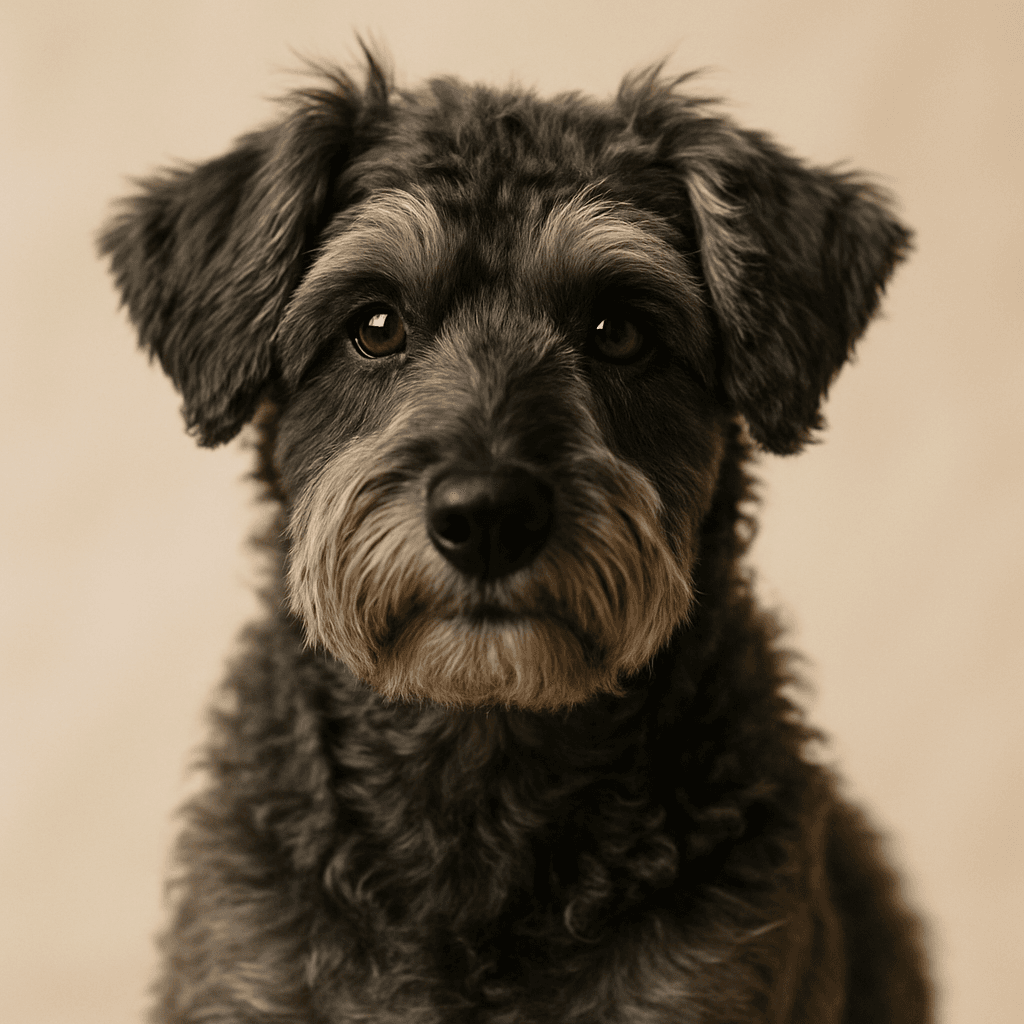
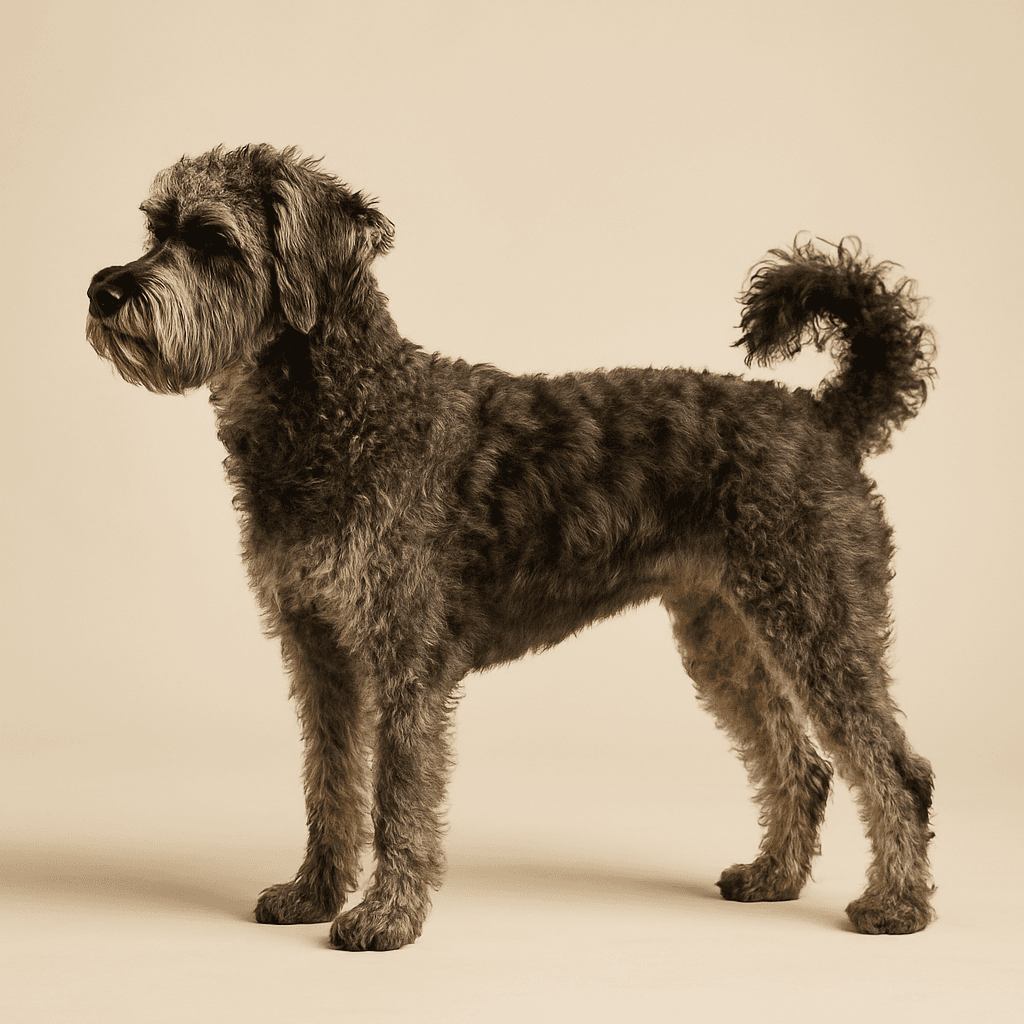
The Schnoodle is a hybrid dog produced by crossing a Schnauzer with a Poodle, combining two of the most intelligent and capable dog breeds to produce a companion that inherits the Poodle's low-shedding, highly trainable qualities with the Schnauzer's alert, loyal and characterful personality. The cross can be produced using any size combination of Schnauzer (Miniature, Standard or Giant) and Poodle (Toy, Miniature or Standard), meaning Schnoodles can range from very small dogs of 3 to 4 kilograms to large dogs of 30 kilograms or more. First-generation Schnoodles (F1) are the most commonly produced, though multi-generational breeding is also practised by some breeders seeking greater coat consistency. The Schnoodle is not a registered breed with the Kennel Club and does not have a formal breed standard, meaning appearance and character can vary considerably between individuals even within the same litter. The coat is typically wavy to curly and inherits elements of both the Poodle and Schnauzer coats, usually producing lower shedding than the Schnauzer alone, though full non-shedding is not guaranteed. The beard and eyebrow furnishings characteristic of the Schnauzer typically appear. Colour varies widely. The character is typically intelligent, friendly and adaptable, reflecting the positive qualities of both parent breeds. The Schnoodle is generally good with children, sociable with other dogs and keen to engage with training and activity. Both parent breeds are working dogs with real intelligence and capability, and the cross typically inherits drive and enthusiasm for engagement that makes it a rewarding companion for active owners. Health testing of both parent animals is essential and buyers should request evidence of appropriate clearances before purchasing. Specific tests required vary by the sizes and exact breeds involved. Buyers should also consider that coat type in F1 Schnoodles is not fully predictable - some individuals inherit a coat closer to the Schnauzer parent and shed more than expected. Choosing a breeder who health tests both parents thoroughly and who can demonstrate multi-generational knowledge of coat outcomes is important. The intelligence and trainability of both parent breeds make the Schnoodle one of the more rewarding hybrid companions available, and owners who invest in training from puppyhood report a highly capable and loyal dog that excels in a wide range of activities from competitive obedience to therapy work. Purchase prices from health-tested breeders range from £800 to £2,000. Monthly running costs average £70 to £150 depending on size. No breed-specific club exists - general hybrid dog resources and the Doodle Trust are the primary rescue contacts.
Quick facts
Meet Our Schnoodles
Register your dog on My Dog and it will appear here automatically.
Schnoodle Photos
No photos yet. Be the first to share yours.
Add a photoActivity Feed
How much exercise does your Schnoodle really need each day?
Mine is a Miniature cross, so around 45 to 60 minutes of proper exercise daily. If you have a Standard or Giant Schnoodle, and they vary enormously in size depending on parent sizes, budget 60 to 90 minutes because both parent breeds bring real energy and drive to the mix. What I've found is that the Schnoodle inherits genuine enthusiasm for activity from both sides: the Poodle stamina and the Schnauzer alertness combine into a dog that wants to be doing something. Mental stimulation is important alongside the physical side, mine loves agility and is very responsive to training sessions, which also count toward the daily stimulation budget. He's not the kind of dog you can park in the garden and consider the job done. Real engagement is what he's after, and he genuinely rewards the investment.
30 June 2026
Any health issues to watch for with Schnoodles?
Because you're combining two breeds, health testing of both parents is essential, not optional, actually essential. On the Schnauzer parent side, Myotonia Congenita testing is relevant for Miniature Schnauzer crosses, alongside eye testing and cardiac checks. On the Poodle parent side, you want to see Hip Dysplasia results, Progressive Retinal Atrophy DNA testing, and Von Willebrand's Disease screening. Addison's Disease has been documented in Poodle lines and can appear in Schnoodle offspring, worth knowing the symptoms since it can be tricky to diagnose. The crossbreed status means the hybrid vigour argument is sometimes made, but that doesn't replace proper health testing of the parents. Ask every breeder for documented evidence. Anyone who can't produce it isn't someone I'd buy from.
30 June 2026
What's the one thing you wish you'd known before getting a Schnoodle?
How genuinely clever they are, and what that means day to day. I knew both parent breeds were intelligent, but seeing it in practice is something else. My Schnoodle picks things up extremely quickly, which makes training genuinely enjoyable, he's engaged, responsive and enthusiastic. The flip side is that boredom is not handled graciously. When he doesn't have enough to do, he finds things to do, and those things are rarely things I'd choose for him. He's warm, sociable and adaptable, good with children, good with other dogs, not a difficult temperament. But the brain needs to be occupied. I'd strongly recommend starting formal training classes early, not because the behaviour is difficult to manage but because it gives you a channel for that intelligence from the start and builds a working relationship that makes everything else easier.
30 June 2026
What do you feed your Schnoodle, and why?
A high-quality complete dry food appropriate to his size. Two meals a day, and I pay attention to portion sizes because mine would always eat more than he needs. The one thing I'm careful about given the Schnauzer parentage is fat content, pancreatitis is a documented risk in Schnauzers, and I don't assume the crossbreed status eliminates that predisposition. So I stick to moderate-fat food and avoid rich treats. I also keep an eye on dental health, both Poodles and Schnauzers can be prone to dental issues, and regular tooth cleaning is part of the routine. The size variation in Schnoodles is worth flagging: if you have a Standard or Giant cross, the food requirements are very different from a Miniature, so make sure you're feeding to the actual dog in front of you rather than generic guidance.
30 June 2026
Schnoodle of the Month
🏆 September 2026 -- Be the first nominee
Could be your dog.
The first dog registered in this community earns the first Dog of the Month nomination automatically.
Register your dogUpcoming Schnoodle Meetups
No meetups planned yet. Be the first to organise one.
Sign in to organise a meetupCommunity Members
Be the first to join and become the Schnoodle Founding Member.
Join Club