

Be the first to join. Keep the badge forever.
The first members of this community earn permanent Founding Member status. It shows on your profile and your dog's profile for as long as you're here.
- ✓Founding Member badge on your profile
- ✓Your dog featured first
- ✓First Dog of the Month nomination
- ✓Always free
⭐ Founding Member spots open
First to join gets the badge
🐕 Be the first dog registered
Add your Lab to the community
📷 Add the first photo
Start the photo wall
8
Discussions
0 members
8 discussions
About the Shih Tzu
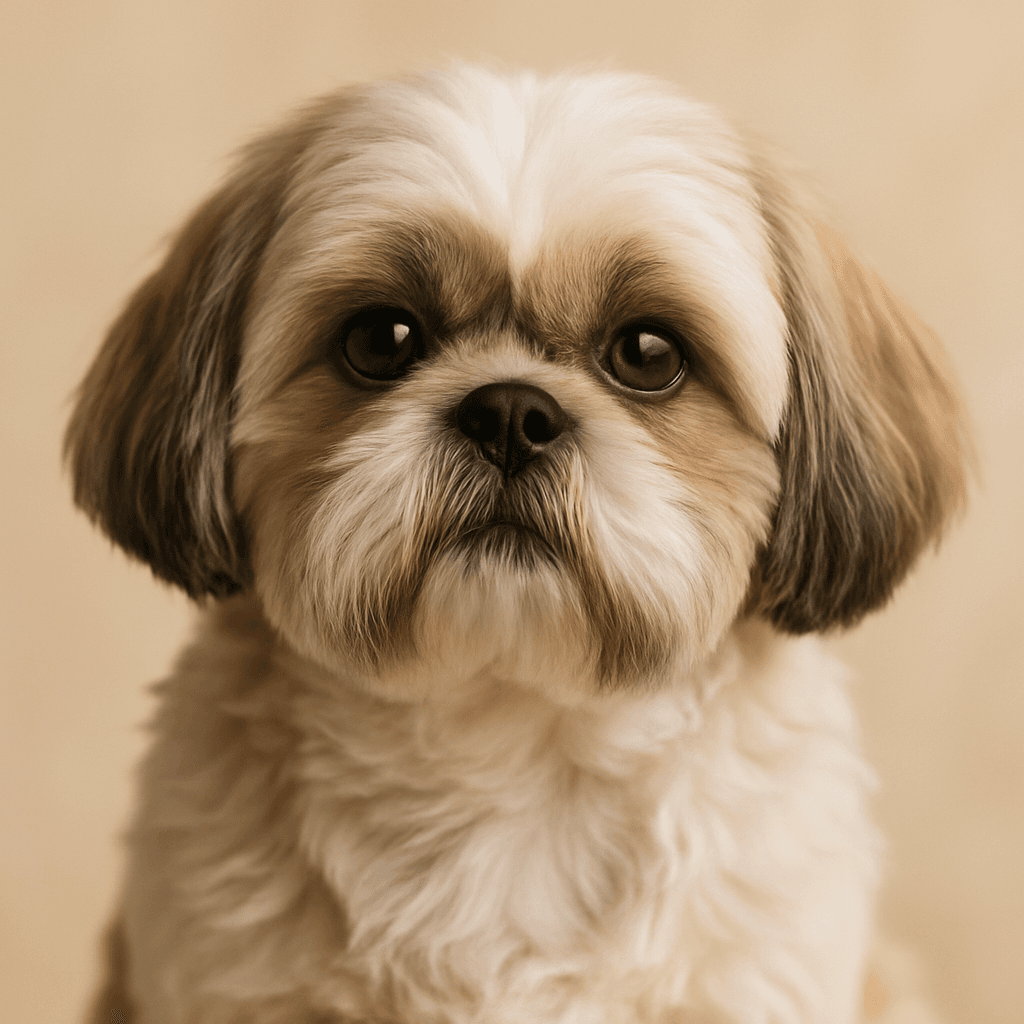
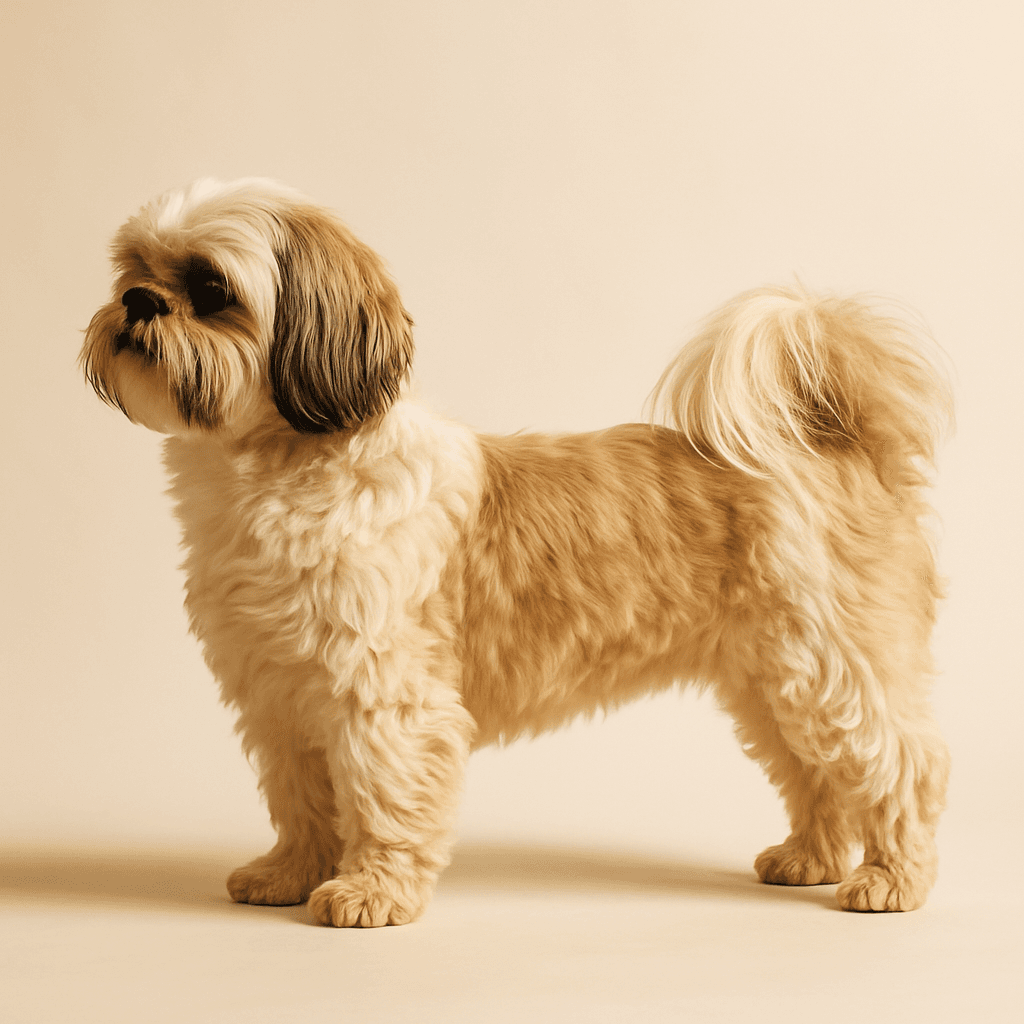
The Shih Tzu is an ancient companion breed, originally developed in China and Tibet as a palace dog, and registered with the Kennel Club in the Utility Group. They are affectionate, playful and adaptable dogs that suit a wide range of households and living situations. Their modest exercise requirements and sociable character make them popular with urban and flat-dwelling owners. They are also a brachycephalic breed. Their flat face produces the same respiratory challenges seen in French Bulldogs and Pugs, though typically in a less extreme form. Brachycephalic Obstructive Airway Syndrome (BOAS) can range from mild snoring to more serious respiratory restriction requiring surgical correction. The Kennel Club's Respiratory Function Grading Scheme is available for Shih Tzus and responsible breeders should be testing their breeding dogs under this scheme. Any reputable Shih Tzu breeder should be able to show you the respiratory grades of both parents. Eye conditions are a meaningful concern in the breed. Shih Tzus have prominent eyes that are less protected than in longer-muzzled breeds, making them prone to corneal ulcers and other conditions. Proptosis, the prolapse of the eye from the socket, while less common than in Pugs, is a real risk. Any eye injury or sudden change in eye appearance requires prompt veterinary assessment. The Shih Tzu's coat is one of its defining features: long, flowing and double-layered. It requires significant maintenance. Most owners choose professional grooming every six to eight weeks in addition to daily or near-daily brushing at home. Many owners keep their Shih Tzu in a practical puppy clip rather than the full show coat, which reduces the maintenance commitment considerably. Purchase prices from KC-registered, health-tested breeders typically range from £800 to £2,000. Monthly running costs are moderate, though insurance of £40 to £80 per month reflects the breed's brachycephalic health profile. Lifespan is typically 10 to 16 years. For the right owner, a Shih Tzu is a rewarding and warm-natured companion who fits comfortably into a wide range of living situations. The key to successful Shih Tzu ownership is preparation: understand the brachycephalic health needs before buying, buy from a breeder using the KC Respiratory Function Grading Scheme, insure comprehensively from day one, and decide from the outset whether you will maintain the full coat or opt for a practical shorter clip. A Shih Tzu bought from a health-tested breeder, insured from day one and introduced to grooming as a positive routine from puppyhood, will reward that preparation with years of warm, gentle companionship.
Quick facts
Meet Our Shih Tzus
Register your dog on My Dog and it will appear here automatically.
Shih Tzu Photos
No photos yet. Be the first to share yours.
Add a photoActivity Feed
How much exercise does your Shih Tzu really need each day?
Two short walks rather than one longer one works far better for a Shih Tzu. Twenty to thirty minutes total for an adult, delivered in two sessions, is the sensible target. The flat face is the governing factor here: the breed's airway is narrower than other dogs, which limits how much sustained activity they can handle safely. I walk mine before 10am in warm weather and never in direct sun or on a warm afternoon. Heat is a genuine danger, and heatstroke can develop faster in Shih Tzus than you'd expect. On warm summer days, indoor games and puzzle feeders replace the afternoon walk entirely. Puppies need barely any formal exercise at all: five minutes per month of age, twice daily, and cool indoor play otherwise. It's genuinely less exercise than you'd imagine, and that's appropriate for this breed.
30 June 2026
Any health issues to watch for with Shih Tzus?
BOAS is the primary one. The flat face produces a narrowed airway, and while Shih Tzus are generally less severely affected than French Bulldogs, the condition still ranges from mild snoring to meaningful respiratory restriction. The Kennel Club Respiratory Function Grading Scheme grades dogs from 0 to 3. Ask for grades on both parents when buying. Surgical correction for severe BOAS can cost upwards of £1,500 in the UK. Eyes are the other regular concern: the prominent, exposed eyes are prone to corneal ulcers, entropion, and other problems. Any cloudiness, redness, or squinting needs prompt vet attention, not a wait. Dental disease is very common due to crowded teeth in a small jaw. I brush mine three times a week and budget for occasional professional scaling. Hip scores are also worth checking in breeding dogs.
30 June 2026
What's the one thing you wish you'd known before getting a Shih Tzu?
That toilet training takes longer with this breed than I expected, and patience is genuinely the only tool that works. The Shih Tzu has an independent, self-assured character that reflects its palace dog heritage. It isn't anxiously eager to please in the way some working breeds are. Punishment-based toilet training approaches produce resentment and regression, not results. What works is a strict outdoor routine after every meal, nap, and play session, and enormous patience. I also wish I'd started grooming desensitisation from day one more deliberately. Shih Tzus need regular professional grooming and daily brushing at home, and a dog that's not comfortable with handling from puppyhood makes every grooming appointment a battle. Getting that right early transforms the experience of owning the breed for both of you.
30 June 2026
What do you feed your Shih Tzu, and why?
A complete small breed food in carefully measured portions, twice a day. No free feeding. The Shih Tzu is prone to weight gain, and excess weight makes the breathing worse in a dog already dealing with a brachycephalic airway. Keeping mine lean is an active priority, not an afterthought. I use a shallow bowl because the flat muzzle makes eating from a deep bowl uncomfortable. Treats are counted within the daily calorie allowance, not added on top. Dental disease is very common in the breed due to crowded teeth, so dental chews are part of the daily routine alongside regular toothbrushing. One of mine developed a food sensitivity that showed up as persistent skin irritation: a vet referral and a dietary change resolved it. If you see recurring digestive or skin issues, it's worth investigating rather than assuming it's normal.
30 June 2026
Shih Tzu of the Month
🏆 September 2026 -- Be the first nominee
Could be your dog.
The first dog registered in this community earns the first Dog of the Month nomination automatically.
Register your dogUpcoming Shih Tzu Meetups
No meetups planned yet. Be the first to organise one.
Sign in to organise a meetupCommunity Members
Be the first to join and become the Shih Tzu Founding Member.
Join Club